I remember the first time I set foot in the Chengde Mountain Resort—it was back in the summer of 2015, during one of those sweltering heatwaves that make you question why you're traveling at all. I'd just hopped off a train from Beijing, my backpack heavy with snacks and a crumpled map I'd picked up at a street vendor. The air was thick with the scent of pine and distant rain, and as I approached the massive gates, I felt like I was stepping into a forgotten chapter of history. This place, built by Emperor Kangxi in the early 1700s as a summer escape from the Forbidden City's stifling politics, sprawled over 560 hectares like a living painting. I rented a bicycle at the entrance—nothing fancy, just a rusty old thing with squeaky brakes—and pedaled my way through the winding paths, the wind whipping through my hair as I dodged families picnicking under ancient cypress trees.

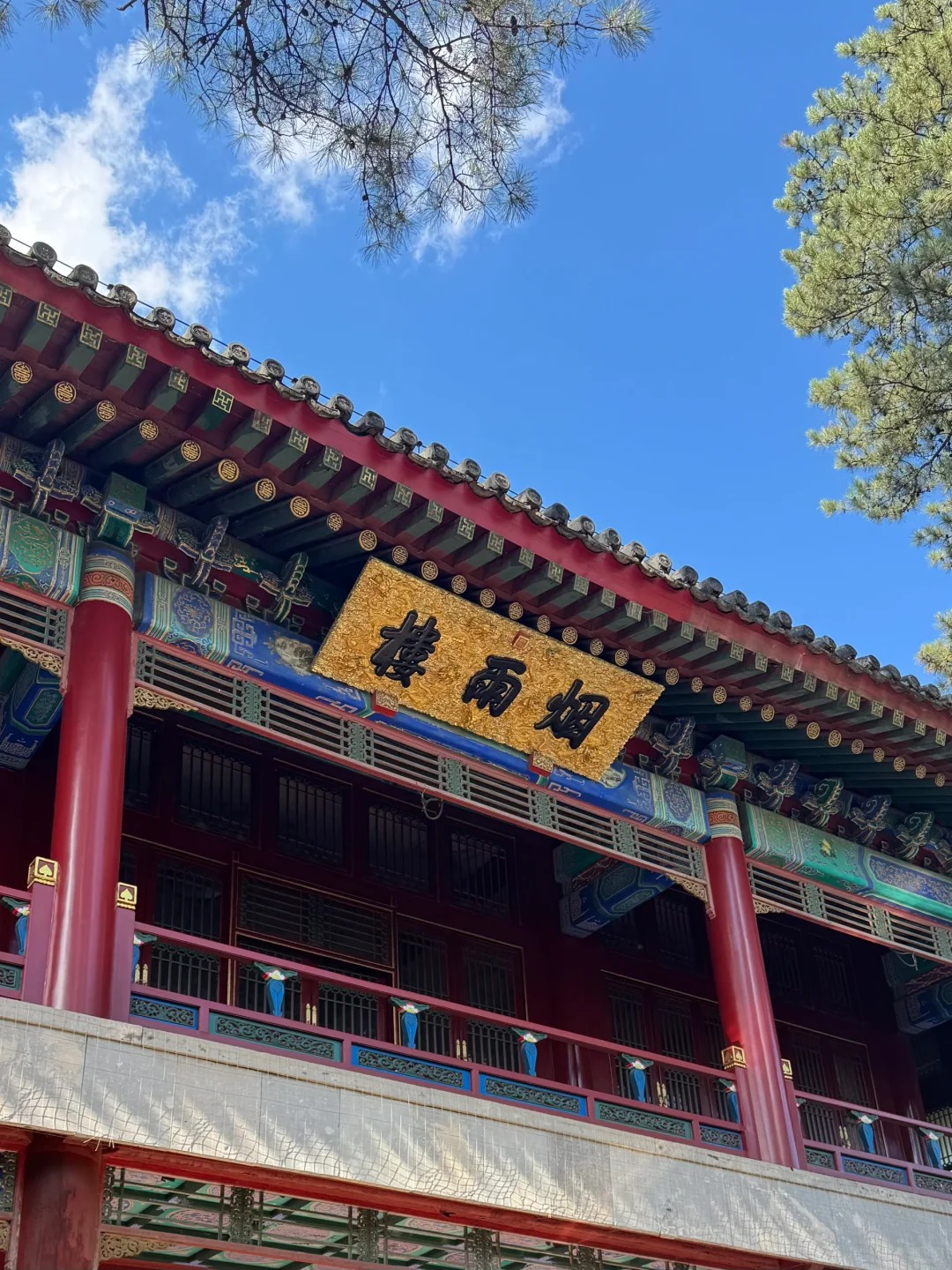
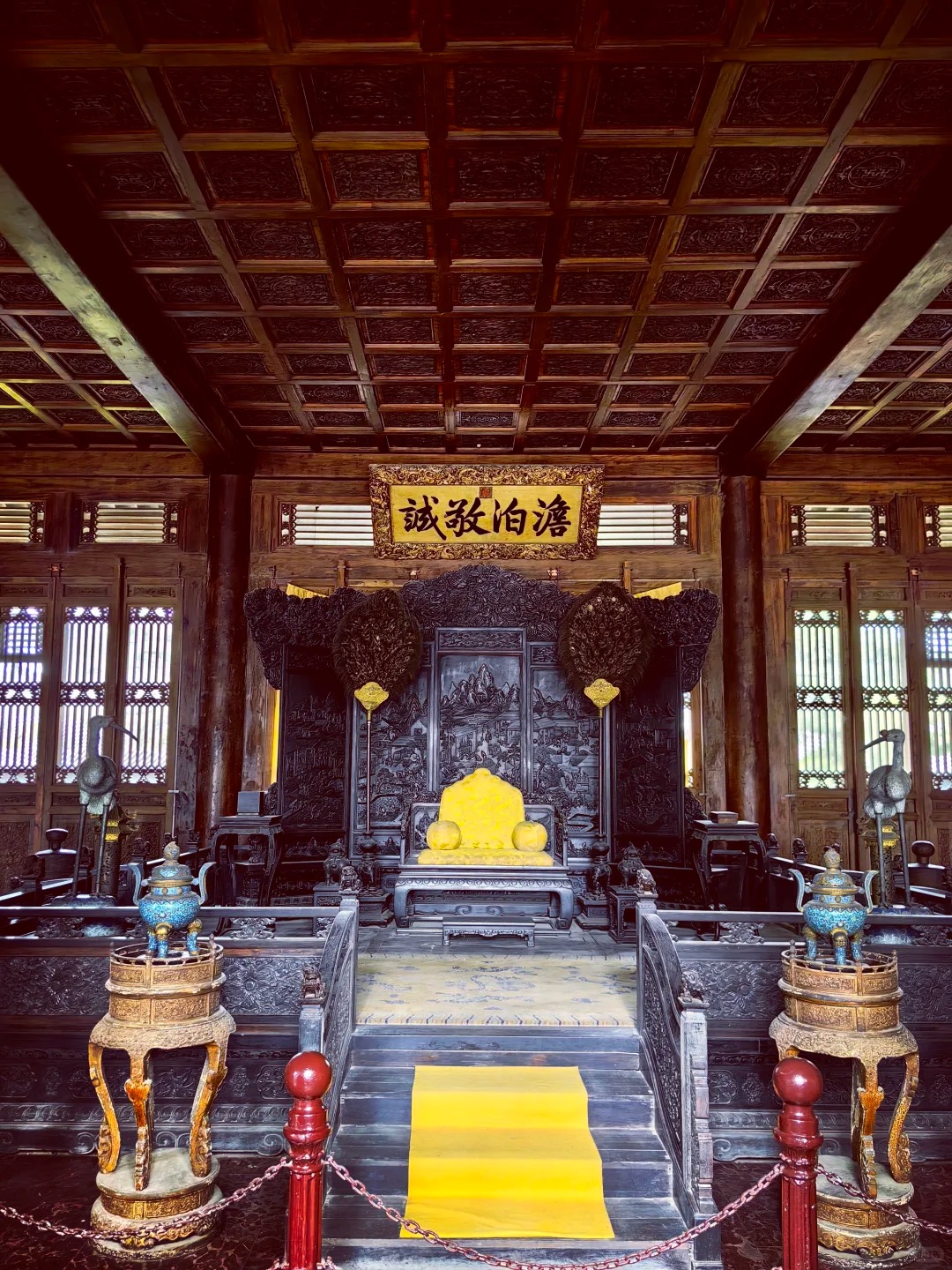
The resort isn't just a palace; it's a harmonious blend of imperial grandeur and natural beauty, designed to mimic the landscapes of southern China right here in the north. I started at the main palace area, where the golden-roofed halls echoed with the ghosts of Qing emperors. In the Danbo Jingcheng Hall, I sat on a stone bench, imagining Qianlong Emperor holding court, his advisors debating state affairs while peacocks strutted outside. The architecture fascinated me—those upturned eaves, painted in vibrant reds and blues, symbolizing power and prosperity. But it was the gardens that stole my heart. I wandered into the Lake District, where artificial islands dotted the water like jewels. Renting a small boat, I rowed out to one, the oars splashing rhythmically as dragonflies skimmed the surface. The water was so clear I could see fish darting below, and in the distance, the misty mountains framed everything like a traditional ink wash painting.
As the day wore on, I hiked up to the Wenjin Pavilion, a library that once housed thousands of ancient texts. The climb was steep, my legs burning, but the view from the top was worth it—rolling hills blanketed in green, with temples peeking through the foliage. I met an old local guide there, Mr. Li, who shared stories over a thermos of green tea. He told me how the resort was a diplomatic hub, where emperors hosted Mongolian and Tibetan leaders in elaborate yurts. That evening, I joined a group of travelers for a traditional Manchu banquet in a nearby restaurant—roast lamb so tender it melted in my mouth, paired with fermented millet wine that warmed me from the inside out. We laughed about our blistered feet and marveled at the stars overhead, unpolluted and brilliant.
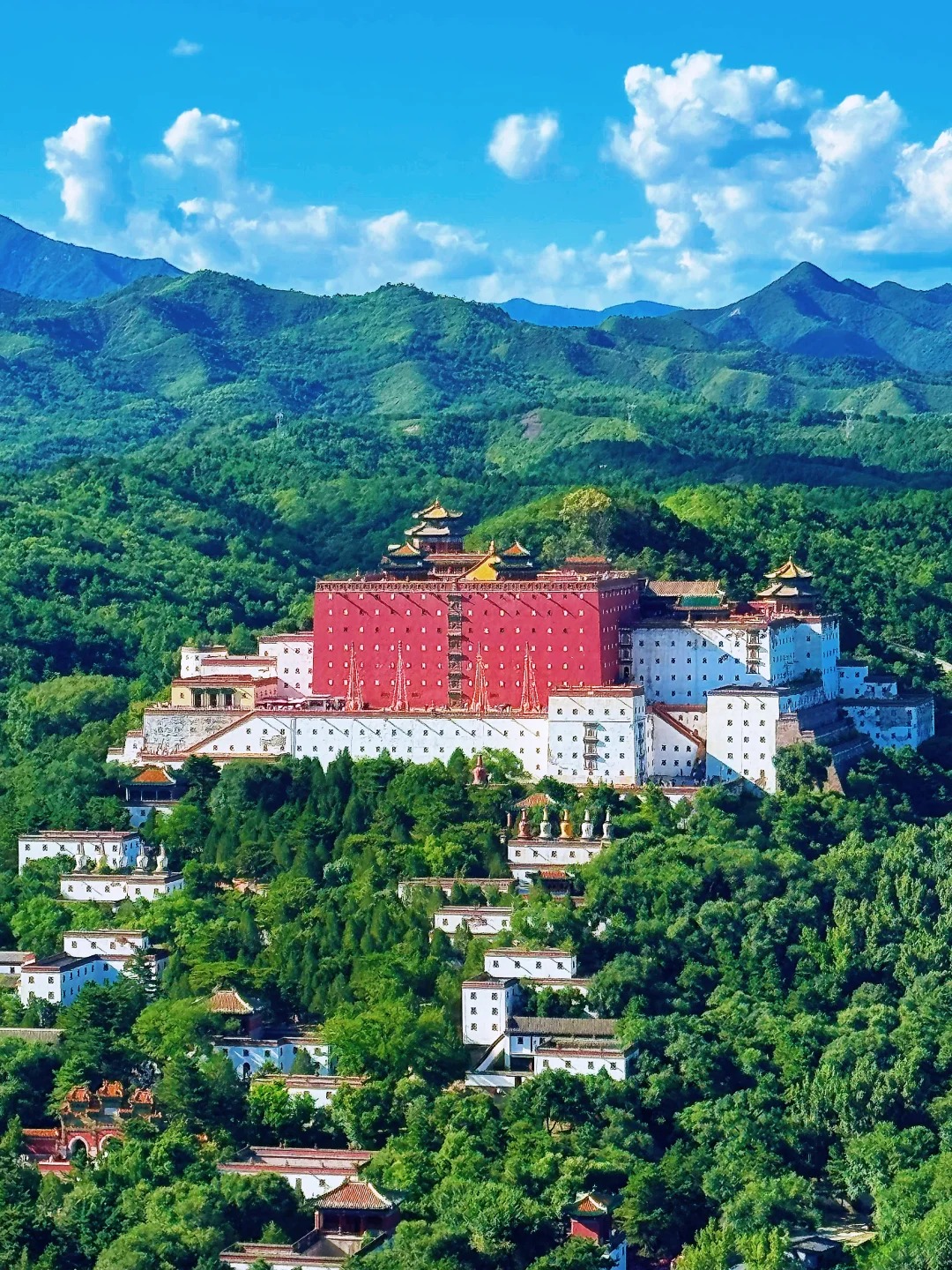
But Chengde isn't all serenity; it's got its quirky sides too. I remember getting lost in the Outer Temples area, a collection of eight temples built in Tibetan and Mongolian styles. At the Puning Temple, I spun prayer wheels alongside monks chanting sutras, the incense smoke curling around us like a protective veil. One monk, with a kind smile, explained the symbolism of the massive golden Buddha inside—over 22 meters tall, it represented peace and enlightenment. I felt a profound sense of calm there, away from the tourist crowds. Later, at the Putuo Zongcheng Temple, modeled after Lhasa's Potala Palace, I climbed countless steps to the top pavilion, my breath ragged, only to be rewarded with panoramic views that stretched to the horizon. The red walls glowed in the sunset, and I snapped photos until my camera battery died.
Exploring further, I ventured into the Mountain Villa section, where deer roamed freely in the meadows. I spotted a herd grazing near a stream, their antlers silhouetted against the sky. It reminded me of childhood stories about enchanted forests. I picnicked there with bread and cheese I'd bought from a market, listening to birdsong and the rustle of leaves. The resort's design is ingenious—cooler microclimates created by strategic planting and water features, making it a true respite from Beijing's heat. I learned from a park ranger that over 10,000 trees were planted here centuries ago, many still standing tall.
One memorable mishap was when I tried horseback riding in the草原 area—I'm no equestrian, and the horse sensed it, bolting off the path into a thicket. After a frantic chase by the handler, we laughed it off over hot pot that night. The food in Chengde is a highlight; street vendors sell buckwheat noodles with wild mushrooms foraged from the hills, and I devoured bowls of it, the earthy flavors exploding on my tongue. I stayed in a guesthouse run by a family who'd lived there for generations—they shared tales of the Cultural Revolution, when the resort was neglected, and its revival in the '80s as a UNESCO site.
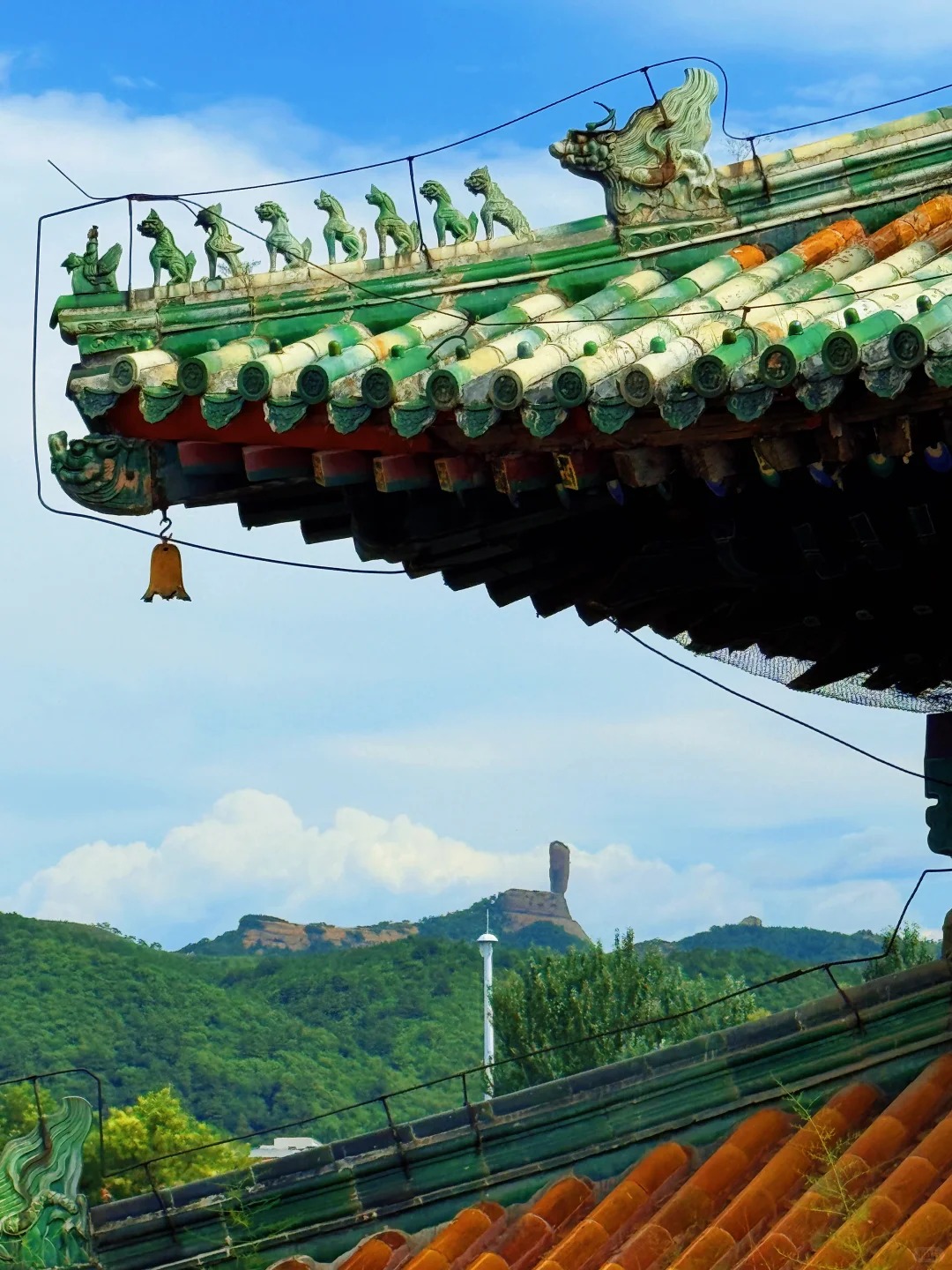
Over the next few days, I delved deeper. The Rehe Spring, the resort's namesake (Rehe means "warm river"), bubbled with mineral-rich water that locals swore had healing properties. I soaked my feet in a tributary, feeling the warmth seep into my bones. Nearby, the Bangchui Peak—a rock formation resembling a club—loomed dramatically, and I hiked to its base at dawn, the mist parting to reveal its silhouette. Photographers flock here for that shot, and I joined them, capturing the play of light and shadow.
Socially, the place buzzed with life. I befriended a group of students from Shanghai, and we explored the Imperial Hunting Ground together, imagining emperors on horseback chasing game. We rented costumes—me in a Qing dynasty robe—and posed for silly photos amid the ruins. Evenings brought cultural shows: dances depicting Manchu folklore, with performers in elaborate headdresses twirling to drumbeats. I tried my hand at archery, missing every target but loving the thrill.
Reflecting on it now, Chengde Mountain Resort taught me about balance—between man and nature, tradition and modernity. It's not just a historical site; it's a living testament to China's imperial past, where every stone and tree tells a story. If you're planning a trip, go in autumn when the leaves turn fiery red—it's magical. Pack comfortable shoes, a sense of adventure, and an open heart. You'll leave with memories etched forever, just like I did.