There are places that are famous, and then there are places that are famous for the wrong reasons. Keketuohai, whose name translates to “Kelituk” (meaning “kill” in Kazakh) due to the harsh environment of the past, was once a mining giant, supplying rare metals to the entire world. But the mines have closed, and the land is healing. Today, it is known as the Keketuohai National Geopark, and I came here to see the scars of the earth turned into a sanctuary of beauty.
My journey began at the Irtysh Grand Canyon. The Irtysh River is the only river in China that flows into the Arctic Ocean. Standing on the edge of the canyon, watching the water surge towards the North Pole, I felt a thrill of adventure. The river is a violent, milky blue, fed by the melting glaciers of the Altai Mountains. It cuts through the granite bedrock, creating steep, sheer cliffs that drop hundreds of meters to the water below.
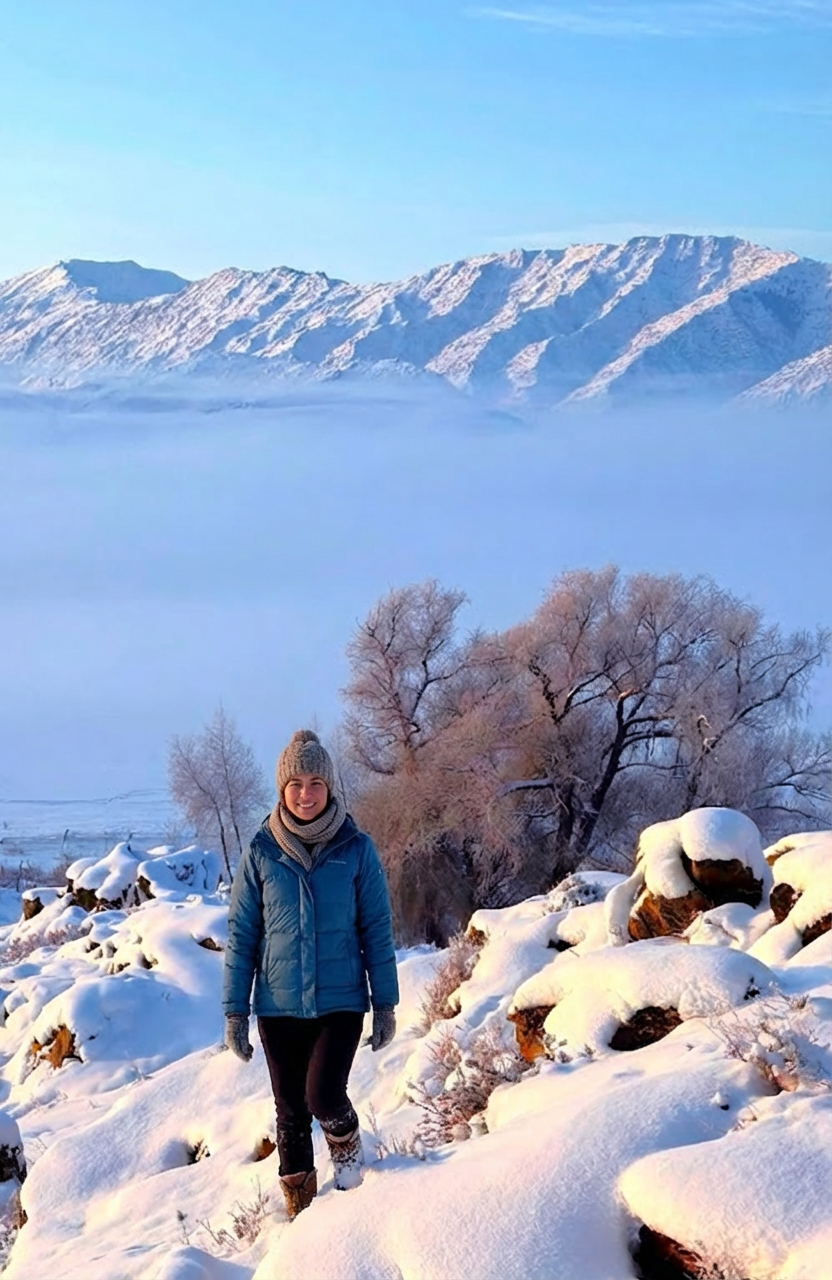
I hiked along the canyon rim. The wind here is ferocious; it whistles through the jagged rocks, making a sound like a freight train. The landscape is brutal and beautiful. The exposed rock faces show layers of geological history, twisted and folded by the violent movements of the earth. I saw granite peaks that looked like the spines of dinosaurs, weathered by millions of years of wind and rain.
The highlight of Keketuohai is undoubtedly the Canyon Cocoa Stone (Keke Tuohai). It is a giant crater, a massive hole in the earth where the granite has collapsed and eroded, leaving behind a bowl of jagged, colorful rocks. As I descended into the crater, I felt like I was entering a prehistoric lair. The rocks here are stunning—granite dyed with minerals, creating streaks of red, green, and yellow. The textures are incredible, with honeycomb patterns carved by the wind.
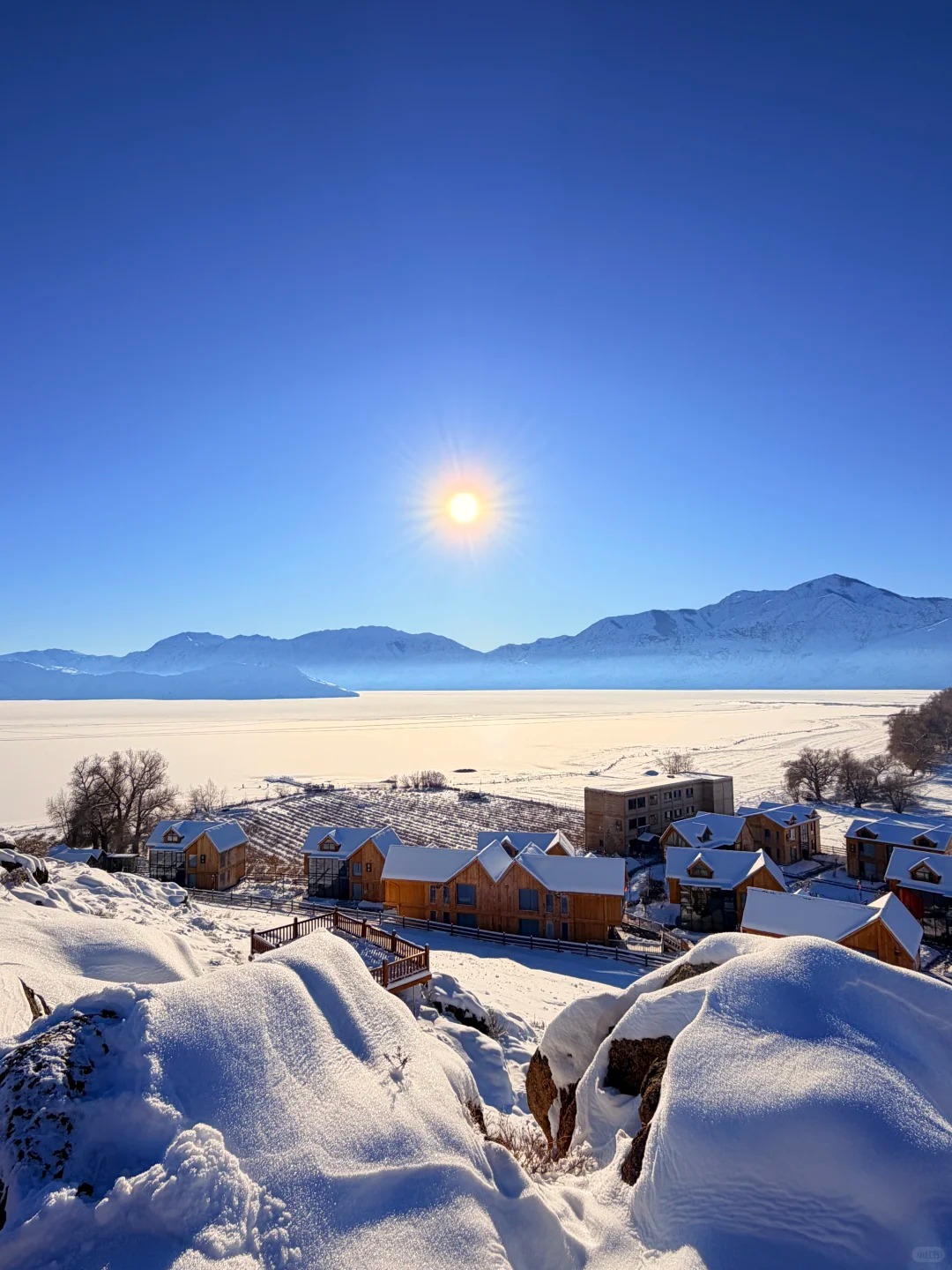
But Keketuohai is not just about rocks. It is about water. The lakes here are stunning. I visited the “Sister Lakes,” two alpine lakes connected by a narrow channel. The water is so clear that it seems invisible. The color changes with the light—from turquoise to sapphire to emerald. I sat by the lake for an hour, skipping stones. The silence was broken only by the splash of the stones and the distant cry of an eagle.
I also visited the “Bell Lake,” which is perfectly round, like a giant jade bowl dropped into the mountains. The reflection of the surrounding peaks on the water was perfect. It is a place of extreme peace, a stark contrast to the violent mining history of the region.
The history of mining is inescapable here, however. I visited the old mining town, which is now a museum of sorts. I saw the old machinery, the rusted trucks, and the abandoned dormitories. It felt like a ghost town from the Soviet era. I met an old retired miner who still lived there. He showed me his hands—rough, scarred, and trembling. “This land gave us a living,” he said in a raspy voice. “But it took our youth.” It was a poignant reminder of the cost of the minerals we take for granted.
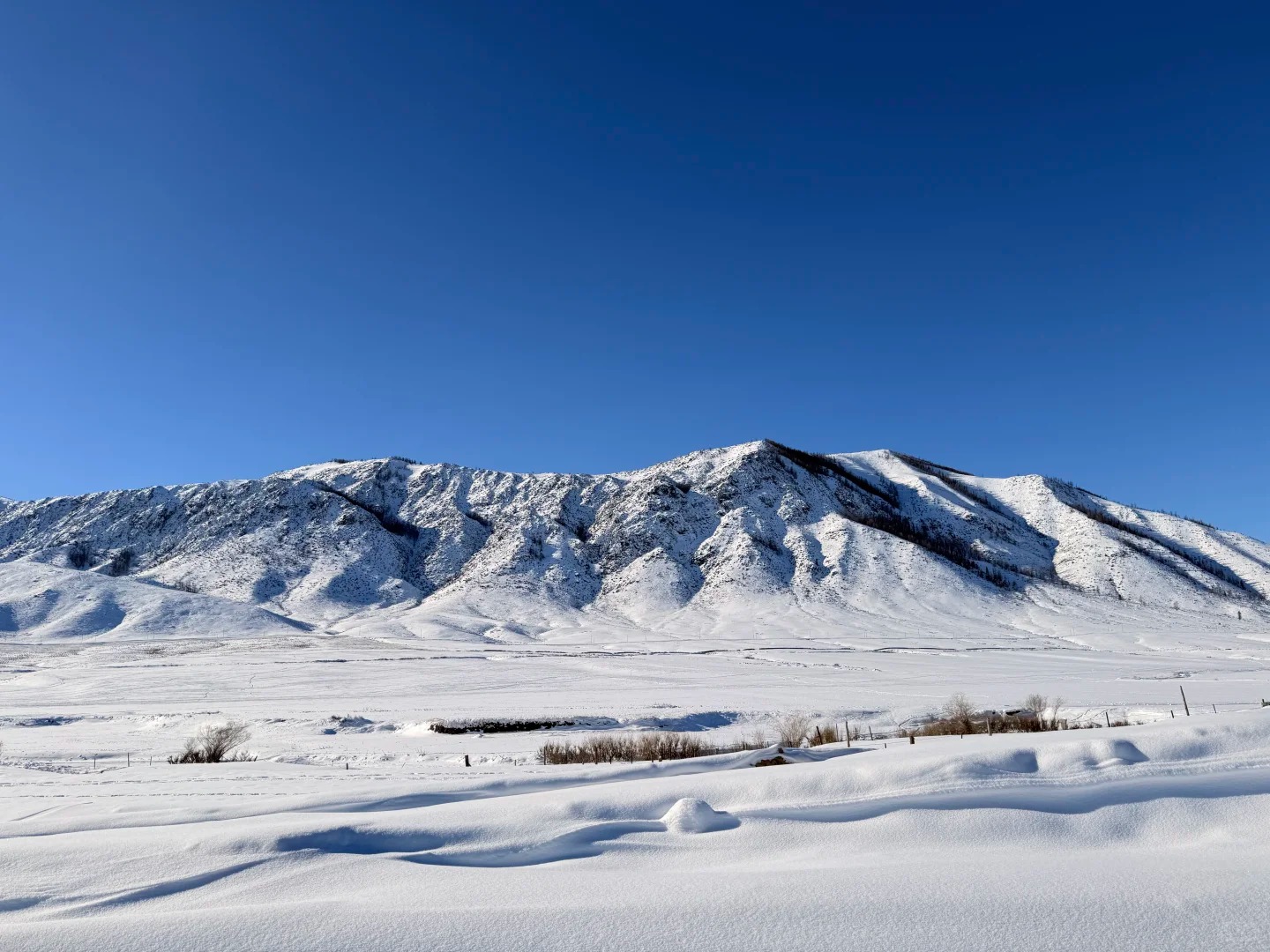
One of the most spectacular experiences was the “Granite Gorges.” The rock formations here are mind-bending. There are stone mushrooms, stone curtains, and stone pillars. The “God Bell” is a massive bell-shaped rock that rings with a metallic sound when struck. The wind acts as the hammer, creating a natural, eerie song that echoes through the valley.
As the sun began to set, the rocks turned a golden color, earning the Altai Mountains their name (Altay means “gold” in Mongolian). The light made the granite look like it was glowing from within. I hiked to a high point to watch the sunset over the Irtysh River. The river snaked through the canyon, a ribbon of blue light in the gathering darkness. It was a scene of epic beauty.
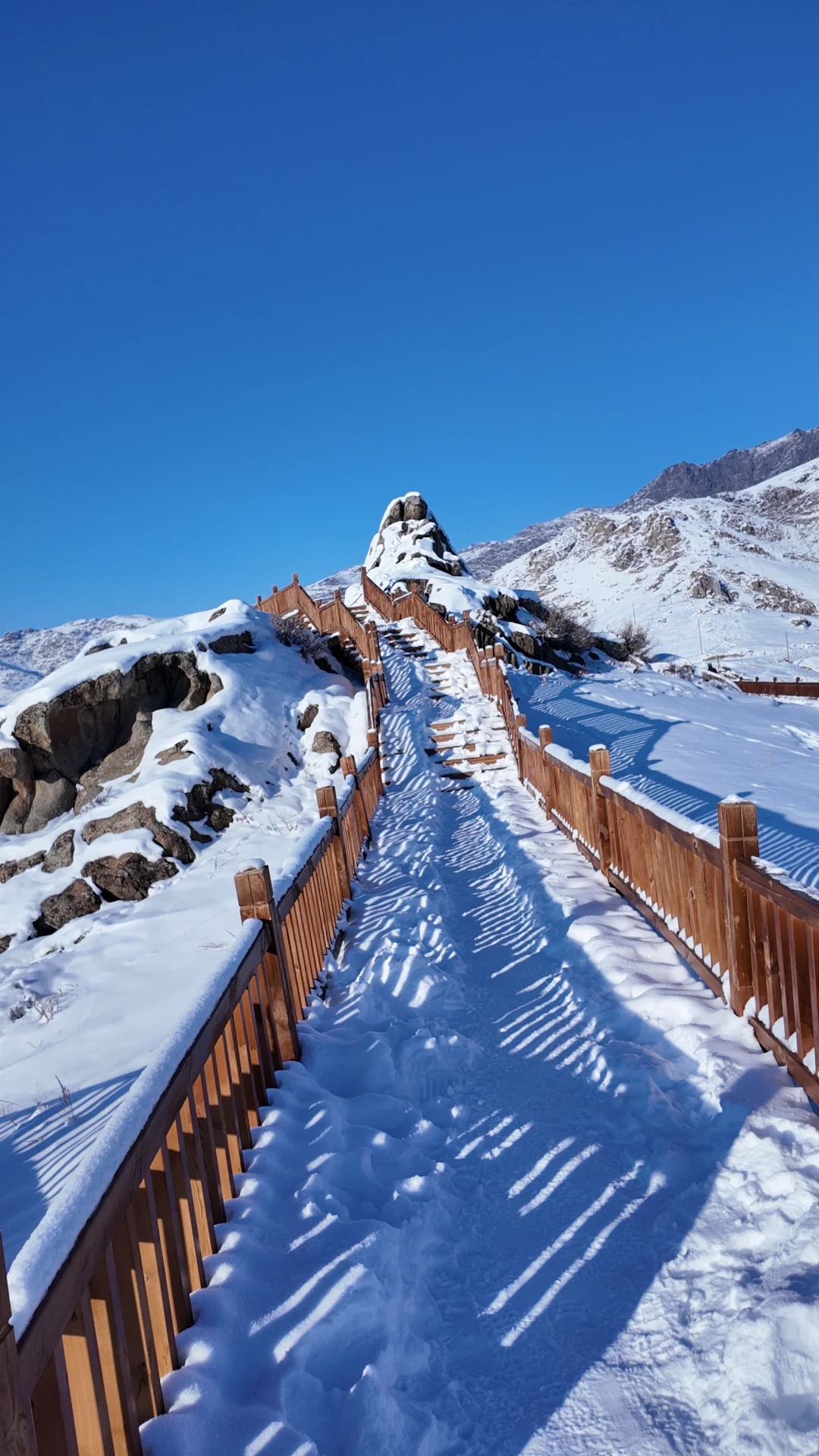
I stayed in a small guesthouse near the park entrance. The night was cold, clear, and quiet. I woke up to see frost on the windows. The morning mist filled the valley, adding a layer of mystery to the landscape.
Keketuohai is a place that rewards the curious. It is not as accessible as some other parks in China. You have to hike, climb, and explore. But the reward is a landscape that feels untouched by human hands, despite its industrial past.
It is a place of transformation. A place where the violence of the earth has created beauty, and where the scars of industry are being reclaimed by nature. It is a testament to the resilience of the environment.
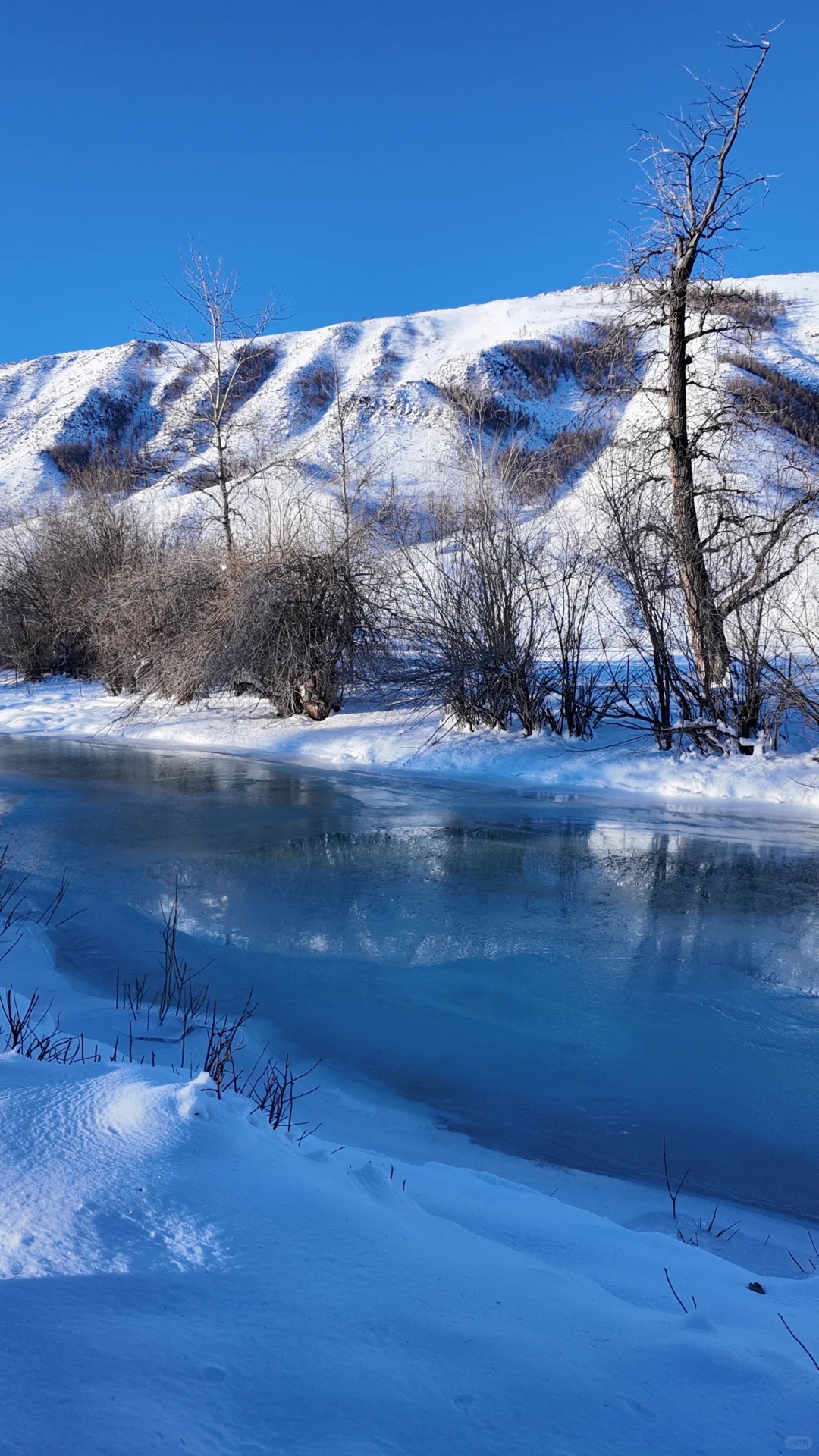
If you are a geology enthusiast, or just someone who loves wild, dramatic landscapes, Keketuohai is a must-visit. It is the hidden gem of Northern Xinjiang, waiting to be discovered by those willing to venture into the heart of the Altay. The river flowing to the north carries the stories of this land, and if you listen closely, you can hear them in the roar of the rapids and the whisper of the wind.