By Oliver, a British landscape architect specializing in East Asian classical garden design
As someone who’s spent years studying the “borrowed scenery” technique in Chinese gardens and lectured on Su Shi’s landscape aesthetics, Hangzhou has always felt like a living textbook. Marco Polo called it “the most beautiful and luxurious city in the world,” but I knew it was more than that—it’s where nature and human design dance in perfect harmony. My high-speed train from Chengdu glided into Hangzhou East Railway Station at dawn, and the first thing I noticed was the air: crisp, sweet with osmanthus fragrance, and heavy with the mist of West Lake. My local contact, Dr. Lin, a landscape architecture professor at Zhejiang University, met me with a small clay teapot and two cups. “Welcome to Heaven on Earth,” she said, pouring Longjing tea. “Let’s start with the soul of Hangzhou—the lake.”
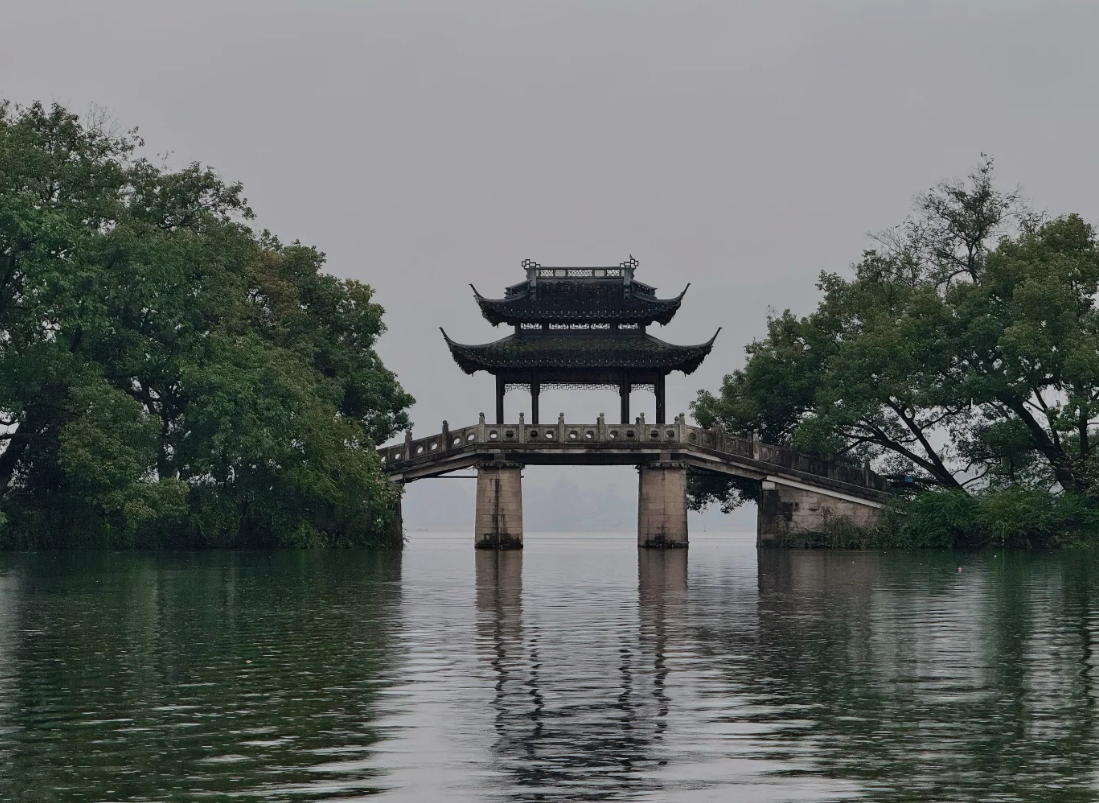
We drove straight to West Lake, a 6.5-square-kilometer lake surrounded by hills, bridges, and pagodas—UNESCO World Heritage Site and the inspiration for countless poems and paintings. Dr. Lin rented us a traditional wooden boat, rowed by an elderly boatman named Grandpa Zhou, who’d been navigating the lake for 50 years. “West Lake isn’t just water,” he said, pushing the oars gently. “It’s 10 scenic spots, 36 hills, and a thousand years of stories.” As we glided past “Broken Bridge” (Bodhi Bridge), made famous by the Legend of White Snake, Dr. Lin pointed out how the mist blurred the line between water and sky. “This is ‘shan shui’ (mountains and water) aesthetics,” she explained. “The goal is to create a scene that feels natural, even when it’s man-made. Look at those willows—they’re planted to frame the distant hills, like a painting’s border.” I pulled out my sketchbook, jotting down the curve of the bridge, the way the willow branches dipped into the water, and the reflection of Leifeng Pagoda on the lake’s surface. As a garden designer, I’d studied this “framing” technique, but seeing it in person—nature as a living canvas—took my breath away.
We docked at “Three Pools Mirroring the Moon,” a small island in the center of the lake, famous for three stone pagodas that rise from the water. At night, when lanterns are placed inside the pagodas, their reflections create the illusion of “15 moons on the lake” (three real pagodas, three reflections, three in the sky, and six in the viewers’ hearts). “This is Su Shi’s masterpiece,” Dr. Lin said, referring to the Song Dynasty poet and official who renovated West Lake. “When he was governor here, the lake was silted up. He dug out the silt to make islands and built dikes to control water—turning a problem into a landscape. That’s the genius of Chinese garden design: working with nature, not against it.” We walked along the island’s paths, lined with peach trees and peonies, and stopped at a pavilion where locals were playing erhu and singing folk songs about West Lake. The music mixed with the sound of water lapping against the shore, and for a moment, I understood why poets had spent centuries praising Hangzhou.
By noon, we walked to “Louwailou,” a 160-year-old restaurant overlooking West Lake, famous for “West Lake Vinegar Fish”—a dish made with grass carp from the lake, cooked in a sweet-sour vinegar sauce. “This dish has a story,” Dr. Lin said, as the waiter placed the fish on the table. “A scholar fell into the lake and was saved by a fisherman’s daughter. She cooked him this fish, and later he became a official and married her.” The fish was tender, with a tangy sauce that tasted like the lake itself—fresh, with a hint of sweetness. We also tried “Beggar’s Chicken”—a whole chicken wrapped in lotus leaves and clay, baked in a fire until the clay cracks. When the waiter broke open the clay, the aroma of lotus and chicken filled the air. “This dish was invented by a beggar who had no pot,” Dr. Lin laughed. “He wrapped the chicken in leaves and baked it in clay—necessity is the mother of invention, even in cuisine.” Every bite was a mix of flavors, like West Lake itself—simple ingredients elevated by tradition and care.
After lunch, we visited “Hefang Ancient Street,” a pedestrian street lined with traditional shops selling silk, tea, and handicrafts. As a garden designer, I was drawn to a small shop selling “penjing” (miniature landscapes)—tiny trees and rocks arranged in pots to mimic natural scenery. The shop owner, Mr. Chen, showed me a penjing of West Lake, with a tiny Leifeng Pagoda and willow trees. “Penjing is like a garden in a pot,” he said. “It takes 10 years to shape a good one—patience is key, just like in life.” I bought a small penjing of bamboo, and Mr. Chen gave me a lesson on how to care for it. “Water it with lake water if you can,” he said. “It likes the same environment as West Lake.” We also visited a silk shop, where we watched weavers make “Longjing silk”—a delicate fabric with patterns of West Lake’s scenic spots. The weaver explained that silk production in Hangzhou dates back 4,700 years, to the Liangzhu civilization. “Silk and West Lake are both symbols of Hangzhou,” she said. “Soft, beautiful, and timeless.”
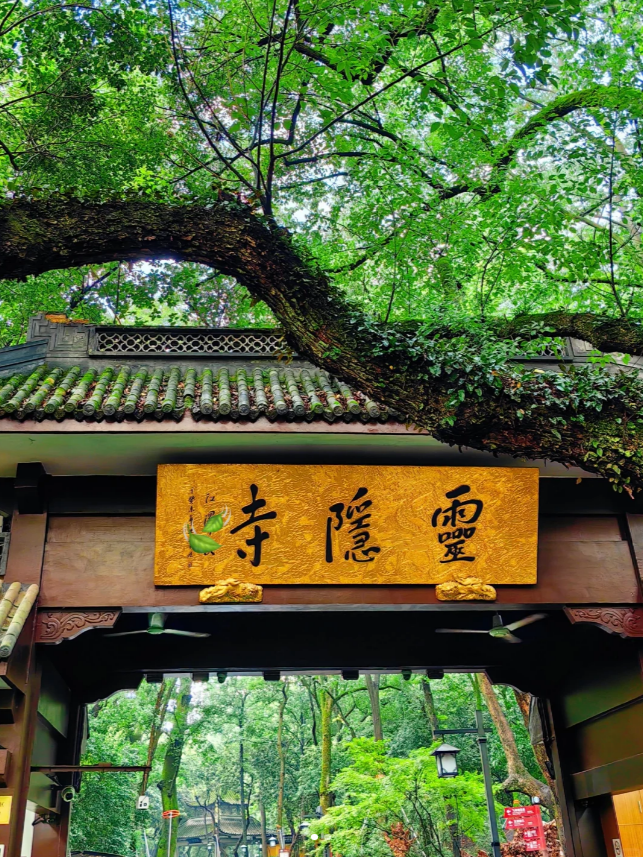
That afternoon, we drove to “Lingyin Temple”—one of China’s most famous Buddhist temples, nestled in the foothills of North Peak. The temple was founded in 326 AD, and its entrance is lined with 500 stone arhats (Buddhist disciples), each with a unique expression. As we walked through the temple gates, the sound of bells and chanting filled the air. Dr. Lin pointed out the temple’s layout: “It follows the ‘axis symmetry’ principle of Chinese architecture, but the surrounding trees and rocks are arranged to feel natural. See those pine trees? They’re planted to frame the main hall, so when you walk in, your eye is drawn to the Buddha statue.” Inside the main hall, a 20-meter-tall statue of Sakyamuni Buddha sat on a lotus throne, carved from camphor wood and gilded with gold. Incense smoke curled toward the ceiling, and worshippers knelt to pray, their hands clasped. We walked to the back of the temple, where a small garden overlooked the hills. “This is a ‘temple garden,’” Dr. Lin said. “It’s designed for quiet contemplation—rocks, water, and plants work together to calm the mind.” I sat on a stone bench, listening to the sound of a waterfall and the rustle of pine needles, and felt a peace I’d never experienced in a European garden. European gardens are about order and control; Chinese gardens are about harmony and letting nature be itself.
The next morning, we woke up early to visit “Longjing Village”—famous for “Longjing tea” (Dragon Well tea), one of China’s top 10 teas. The village is nestled in the hills south of West Lake, where terraced tea gardens stretch as far as the eye can see. We met Mrs. Wang, a tea farmer who’d been growing Longjing tea for 40 years. She showed us how to pick the tea leaves: “Only the top two leaves and a bud, picked before the Qingming Festival. Those are the most tender.” We joined her in the tea garden, bending to pick the tiny leaves, our fingers getting sticky with tea sap. “Longjing tea is like a person,” Mrs. Wang said. “It needs the right soil, the right amount of sun, and the right care. The hills here face south, so they get plenty of sun, but the mist from West Lake keeps the leaves tender.” After picking, we went to her home to watch her roast the tea leaves in a hot wok. “Roasting is the most important step,” she said, stirring the leaves quickly with her hands. “Too hot, and they burn; too cool, and they lose their flavor.” The aroma of roasted tea filled the room, and when she brewed a cup for us, the tea was pale green, with a fresh, nutty flavor. “This is ‘first flush’ Longjing,” she said. “It’s the most expensive, but it’s worth it. It tastes like the hills of Hangzhou.”
After the tea village, we visited “Liuhe Pagoda” (Six Harmonies Pagoda)—a 59.89-meter-tall pagoda built in 970 AD to suppress tidal bores in the Qiantang River. We climbed the narrow wooden stairs to the top, where we had a panoramic view of the river and West Lake. “The pagoda’s name comes from the six Buddhist virtues: harmony of heaven, earth, north, south, east, and west,” Dr. Lin explained. “It’s not just a tower—it’s a symbol of balance.” As we looked down, we saw the Qiantang River flowing east, its waters meeting the mist of West Lake in the distance. “Hangzhou is all about balance,” Dr. Lin said. “City and nature, tradition and modernity, Buddhism and Confucianism. That’s why it’s so beautiful.” We watched a group of photographers taking photos of the pagoda’s reflection in the river, and I thought about how every element of Hangzhou—from the tea leaves to the pagoda—was designed to complement nature, not compete with it.
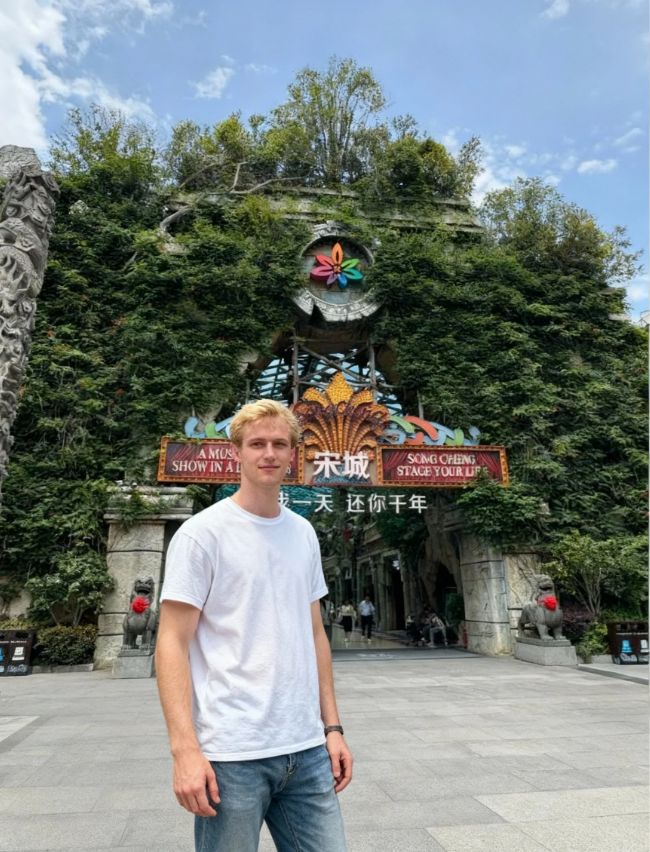
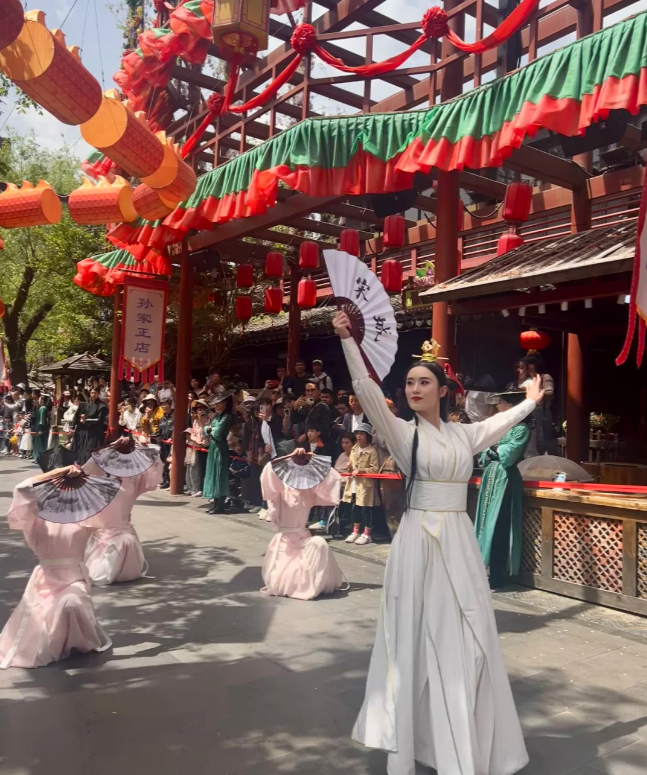
That evening, we visited “Songcheng”—a theme park that recreates the glory of the Song Dynasty (960-1279 AD), when Hangzhou was the capital of China. The park is filled with actors in Song Dynasty costumes, street performers, and traditional shops. We watched a “Song Dynasty Royal Parade,” where actors dressed as emperors and empresses rode on horse-drawn carriages, waving to the crowd. We also saw a performance of “The Romance of the Song Dynasty,” a musical about life in Hangzhou during the Song era. The stage was set on a lake, with boats, bridges, and pagodas, and the costumes were so vivid they looked like they’d been painted by Song Dynasty artists. “The Song Dynasty was Hangzhou’s golden age,” Dr. Lin said. “It was a center of art, literature, and science. Songcheng isn’t just a theme park—it’s a way to experience that golden age.” We ate “Song Dynasty snacks” at a street stall: sweet rice cakes, fried dough, and osmanthus cakes. The osmanthus cake was sweet, with a delicate fragrance that reminded me of the osmanthus trees we’d seen near West Lake.
On my last day in Hangzhou, Dr. Lin took me to “West Lake Cultural Square,” where we visited the Zhejiang Museum. My favorite exhibit was a collection of Song Dynasty landscape paintings, including a scroll of West Lake painted in 1180 AD. The painting showed the same Broken Bridge, Three Pools Mirroring the Moon, and Leifeng Pagoda that I’d seen the day before—proof that Hangzhou’s beauty had endured for centuries. “Chinese landscape paintings aren’t just representations of nature,” Dr. Lin said. “They’re ideals. The painter wants to show the ‘essence’ of a place, not just its appearance. West Lake is that essence—beauty that never fades.” We also saw a collection of ancient garden tools: bamboo rakes, clay pots, and stone chisels used to shape penjing. As I held a 1,000-year-old chisel, I thought about how garden designers throughout history had shared the same goal: to create a space that connects people to nature.
That evening, we took a walk along the “Su Causeway”—a 2.8-kilometer dike built by Su Shi during the Song Dynasty, lined with willow trees and peach trees. The sun was setting, painting the sky in shades of pink and orange, and the lake was calm, reflecting the colors of the sky. Locals were walking their dogs, couples were sitting on benches, and children were flying kites. “This dike was built to control water, but it’s become a place for people to enjoy nature,” Dr. Lin said. “That’s the best kind of design—useful and beautiful.” We stopped at a small teahouse on the causeway, where we ordered a pot of Longjing tea and watched the moon rise over West Lake. The tea was warm, with a fresh flavor that lingered on my tongue, and the moon’s reflection on the lake was so clear it looked like a silver coin floating on the water. “Marco Polo was right,” I said to Dr. Lin. “Hangzhou is heaven on earth.” She smiled. “Heaven is a state of mind,” she said. “But Hangzhou comes pretty close.”
As I boarded the train to Shanghai that night, I held the small penjing I’d bought in Hefang Street. It was a miniature version of Hangzhou—tiny bamboo, a small rock, and a splash of water. Looking at it, I thought about everything I’d learned: the “borrowed scenery” of West Lake, the patience of penjing, the balance of Liuhe Pagoda, and the flavor of Longjing tea. As a garden designer, I’d come to Hangzhou to study its gardens. But I left with something far more valuable—a new way of seeing the world: not as a place to control, but as a place to harmonize with. Hangzhou isn’t just a city—it’s a lesson in beauty, balance, and patience. And like a good cup of Longjing tea, its memory would stay with me long after I’d left.
Travel Guide: Explore Hangzhou’s Lakes & Gardens
1. Transportation: Getting to & Around Hangzhou
- Getting to Hangzhou: By High-Speed Train: The most convenient way from major Chinese cities. From Chengdu (7 hours, 600 yuan for second class), Shanghai (1 hour, 73 yuan for second class), Beijing (5.5 hours, 538 yuan for second class). Hangzhou has two main stations: Hangzhou East Railway Station (high-speed trains) and Hangzhou Railway Station (ordinary trains).
- By Plane: Hangzhou Xiaoshan International Airport (HGH) is 27 kilometers east of downtown. Direct flights to worldwide cities: London (12 hours), Paris (13 hours), Tokyo (3 hours), Singapore (4 hours). From the airport, take Metro Line 1 to downtown (1 hour, 7 yuan) or a taxi (100-120 yuan, 40 minutes).
Getting Around Hangzhou: Subway: 8 lines cover all major attractions (West Lake, Lingyin Temple, Hefang Street). Download the “Hangzhou Metro” app or use Alipay/WeChat Pay for QR codes. Single rides cost 2-10 yuan. Operating hours: 6:00 AM-11:30 PM.
Taxi: Blue taxis (downtown) and green taxis (suburbs) with meters. Starting fare: 13 yuan for first 3 kilometers, 2.5 yuan per additional kilometer. Drivers speak limited English—have destinations written in Chinese.
Ride-Hailing: Didi Chuxing (English version available) is cheaper than taxis. Perfect for traveling to Longjing Village or Lingyin Temple. Enter destinations in English for easy booking.
West Lake Transportation: Rent a bicycle (20 yuan/day) to ride around the lake (15 kilometers circumference). Boat rentals: wooden boat (150 yuan/hour, fits 4 people) or speedboat (300 yuan/hour). Public buses 7, 51, and 52 circle West Lake.
To Longjing Village: Take bus 27 from West Lake to Longjing Village (40 minutes, 2 yuan) or take a Didi (30-40 yuan, 20 minutes).
2. Top Attractions: Lakes, Temples & Gardens
- West Lake (Xihu)Highlights: Broken Bridge, Three Pools Mirroring the Moon, Su Causeway, Bai Causeway, Leifeng Pagoda. Don’t miss the “Ten Scenes of West Lake” (e.g., “Spring Dawn on Su Causeway,” “Moon over the Peaceful Lake in Autumn”).
- Tickets: Free (lake area), 40 yuan (Leifeng Pagoda), 55 yuan (boat ticket to Three Pools Mirroring the Moon).
- Hours: 24/7 (lake area), 8:00 AM-9:00 PM (Leifeng Pagoda).
- Pro Tip: Visit at dawn (6-7 AM) for quiet lakeside walks and misty views. Rent a bicycle to ride around the lake—stop at pavilions for photos. Take a wooden boat (not speedboat) for a traditional experience.
Lingyin Temple (Soul’s Retreat Temple)Highlights: 500 Arhats Hall, Main Hall (20-meter Buddha statue), Feilai Peak (stone carvings of Buddhas). The surrounding hills are perfect for hiking.
Tickets: 75 yuan (includes Feilai Peak and temple entry). Book online via “Lingyin Temple” official website (English available).
Hours: 7:30 AM-5:30 PM (peak season, March-November), 8:00 AM-5:00 PM (off-season, December-February).
Pro Tip: Arrive at 8 AM to avoid crowds. Hire a guide (100 yuan for 2 hours) to learn about the temple’s history and Buddhist culture. Wear comfortable shoes—hiking shoes if you plan to climb Feilai Peak.
Longjing Village (Dragon Well Village)Highlights: Terraced tea gardens, tea picking experiences, tea roasting demonstrations. Visit “Longjing Tea Museum” to learn about tea culture.
Tickets: Free (village), 10 yuan (Longjing Tea Museum).
Hours: 8:00 AM-5:00 PM (tea farms and museum). Best time to visit: March-April (tea picking season).
Pro Tip: Book a tea picking experience with Mrs. Wang’s family (contact via local hotels) for 150 yuan/person—includes picking, roasting, and tea tasting. Buy tea directly from farmers (100-300 yuan/500g) for authentic Longjing.
Hefang Ancient StreetHighlights: Traditional shops (silk, tea, penjing), street food stalls (Beggar’s Chicken, osmanthus cakes), handicraft workshops. Don’t miss Mr. Chen’s Penjing Shop for miniature landscapes.
Tickets: Free.
Hours: Shops and stalls 9:00 AM-10:00 PM.
Pro Tip: Visit in the afternoon to avoid tourist crowds. Try “Grandma Zhang’s Osmanthus Cakes” (near the west entrance) for sweet, fragrant snacks. Bargain with shop owners for silk and handicrafts—they expect it!
SongchengHighlights: Song Dynasty costumes (rent for 50 yuan/day), royal parade, “The Romance of the Song Dynasty” musical, traditional performances (shadow puppets, acrobatics).
Tickets: 320 yuan (entry + musical show). Book online 3 days in advance for 20 yuan discount.
Hours: 9:00 AM-9:00 PM (peak season), 9:00 AM-8:00 PM (off-season).
Pro Tip: Arrive at 9 AM to watch the opening ceremony. Rent a Song Dynasty costume to blend in—photos will look amazing. The musical show starts at 3 PM and 7 PM—book tickets for the 7 PM show for better lighting.
3. Food: Must-Try Hangzhou Dishes & Where to Eat
Hangzhou cuisine (Zhejiang cuisine) is known for its fresh, delicate flavors—using local ingredients like West Lake fish, Longjing tea, and osmanthus. Here are the essentials:
| Dish Name (Pinyin) | Description | Where to Eat | Price (Yuan) |
| Xihu Cuyu (West Lake Vinegar Fish) | Fresh grass carp from West Lake, cooked in sweet-sour vinegar sauce | Louwailou (overlooking West Lake—authentic since 1848) | 88-128 per fish |
| Jiuyin Baiguo Ji (Beggar’s Chicken) | Whole chicken wrapped in lotus leaves and clay, baked until tender | Gushan Restaurant (near West Lake—famous for traditional Hangzhou dishes) | 98-158 per chicken |
| Longjing Shrimp (Longjing Xia) | Fresh shrimp stir-fried with Longjing tea leaves, light and fragrant | Xizhao Lou (downtown—Michelin-recommended) | 68-98 per plate |
| Guìhuā Gao (Osmanthus Cake) | Sweet rice cake flavored with osmanthus flowers, soft and fragrant | Grandma Zhang’s Stall (Hefang Ancient Street) | 5-8 per piece |
| Longjing Tea (Dragon Well Tea) | Fresh, nutty green tea—first flush (pre-Qingming) is most valuable | Longjing Village (direct from farmers) or West Lake Tea House | 100-500 yuan/500g |
4. Accommodation: Where to Stay
- West Lake Area: Perfect for lakeside views. “Four Seasons Hotel Hangzhou at West Lake” (luxury, 2,500+ yuan/night)—private lake access, traditional Chinese gardens, and Michelin restaurant. For mid-range: “Hangzhou Lakeside Hotel” (800-1,200 yuan/night)—steps from Su Causeway, lake-view rooms.
- Hefang Street Area: Great for culture and food. “Hangzhou Hefang Ancient Street Boutique Hotel” (mid-range, 600-800 yuan/night)—restored Song Dynasty courtyard with wooden furniture. For budget: “Hefang Youth Hostel” (200-300 yuan/night)—clean dorms with shared kitchens, close to shops.
- Chengdong New Area: Modern and convenient for business travelers. “InterContinental Hangzhou” (luxury, 1,500+ yuan/night)—close to East Railway Station, with a spa and indoor pool. “Home Inn (Chengdong Branch)” (budget, 300-400 yuan/night)—affordable and close to subway.
5. Cultural Etiquette & Practical Tips
- Temple Etiquette: At Lingyin Temple, dress modestly (cover shoulders and knees). Remove hats and sunglasses when entering main halls. Don’t take photos of Buddha statues— it’s considered disrespectful. Burn incense at designated areas only.
- Tea Etiquette: When someone pours you tea, tap the table twice with your index and middle fingers to say “thank you” (Hangzhou tradition). Don’t slurp tea—sip it quietly and savor the flavor. When visiting tea farms, ask permission before taking photos of farmers at work.
- West Lake Etiquette: Don’t litter in the lake or on the causeways—use trash cans provided. Don’t pick flowers or leaves from the gardens. Be quiet in pavilions—locals use them for meditation and relaxation.
- Shopping Tips: Bargain at Hefang Ancient Street—start at 50% of the asking price. Buy Longjing tea from Longjing Village (ask for a taste first) to avoid fakes. Silk products from “Hangzhou Silk Museum Shop” are authentic—avoid cheap street stalls.
- Payment: Most shops, restaurants, and attractions accept Alipay/WeChat Pay. Carry 200-300 yuan in cash for small food stalls and tea farms. ATMs are widely available (Visa/Mastercard accepted).
- Weather & Clothing: Spring (March-May): Mild (10-22°C), rainy. Bring a light jacket, umbrella, and waterproof shoes.
- Summer (June-August): Hot and humid (25-35°C), frequent rain. Bring sunscreen, hat, and breathable clothes. Mosquito repellent is essential.
- Autumn (September-November): Cool and dry (12-25°C)—best time to visit. Bring a sweater and jacket. October is osmanthus season—don’t miss the fragrance!
- Winter (December-February): Cool and damp (5-12°C), rare snow. Pack a warm jacket, scarf, and waterproof shoes.
Language: Tourist areas have English signs. Hotel staff and young people speak basic English. Download “Google Translate” with offline Chinese pack—useful for ordering food and asking directions.
Safety: Hangzhou is a very safe city, but watch for pickpockets in crowded areas (Hefang Street, Songcheng). Keep your valuables in a crossbody bag. Drink bottled water—tap water is not safe to drink.
6. Three-Day Itinerary for Hangzhou
Day 1: West Lake & Lakeside Charms
- 1. 7:00 AM: Walk along Su Causeway at dawn (quiet, misty views).
- 2. 8:30 AM: Breakfast at local stall (try youtiao and soy milk).
- 3. 9:30 AM: Take a wooden boat to Three Pools Mirroring the Moon.
- 4. 11:30 AM: Visit Leifeng Pagoda for panoramic lake views.
- 5. 1:00 PM: Lunch at Louwailou (try West Lake Vinegar Fish and Longjing Shrimp).
- 6. 3:00 PM: Rent a bicycle to ride around West Lake (stop at Bai Causeway).
- 7. 6:00 PM: Dinner at Gushan Restaurant (try Beggar’s Chicken).
- 8. 8:00 PM: Walk along West Lake at night (lights on Leifeng Pagoda are beautiful).
Day 2: Temples & Tea Culture
- 9. 8:00 AM: Take bus 7 to Lingyin Temple.
- 10. 9:00 AM: Tour Lingyin Temple and Feilai Peak (hire a guide).
- 11. 11:30 AM: Lunch at temple restaurant (try vegetarian dishes).
- 12. 1:30 PM: Take Didi to Longjing Village.
- 13. 2:00 PM: Tea picking experience and tea roasting demonstration.
- 14. 4:00 PM: Visit Longjing Tea Museum.
- 15. 6:00 PM: Return to downtown, dinner at Xizhao Lou (Michelin-recommended).
- 16. 8:00 PM: Wander Hefang Ancient Street for snacks and shopping.
Day 3: Song Dynasty & Culture
- 17. 8:30 AM: Breakfast at Grandma Zhang’s Stall (osmanthus cakes).
- 18. 9:00 AM: Visit Songcheng (rent a Song Dynasty costume).
- 19. 10:00 AM: Watch Song Dynasty Royal Parade.
- 20. 12:00 PM: Lunch at Songcheng’s food street (try Song Dynasty snacks).
- 21. 3:00 PM: Watch “The Romance of the Song Dynasty” musical.
- 22. 5:00 PM: Visit Zhejiang Museum (Song Dynasty paintings).
- 23. 7:00 PM: Farewell dinner at West Lake Tea House (tea-infused dishes).
- 24. 9:00 PM: Take train to Shanghai or depart from airport.