I have always had a fascination with city walls. There is something romantic and tragic about them—structures built to keep people out that now hold a world in. But nowhere has this feeling been more palpable for me than in Pingyao. Stepping through the massive gates of this ancient city in Shanxi Province isn’t just entering a tourist site; it is stepping through a portal into the Ming and Qing dynasties.
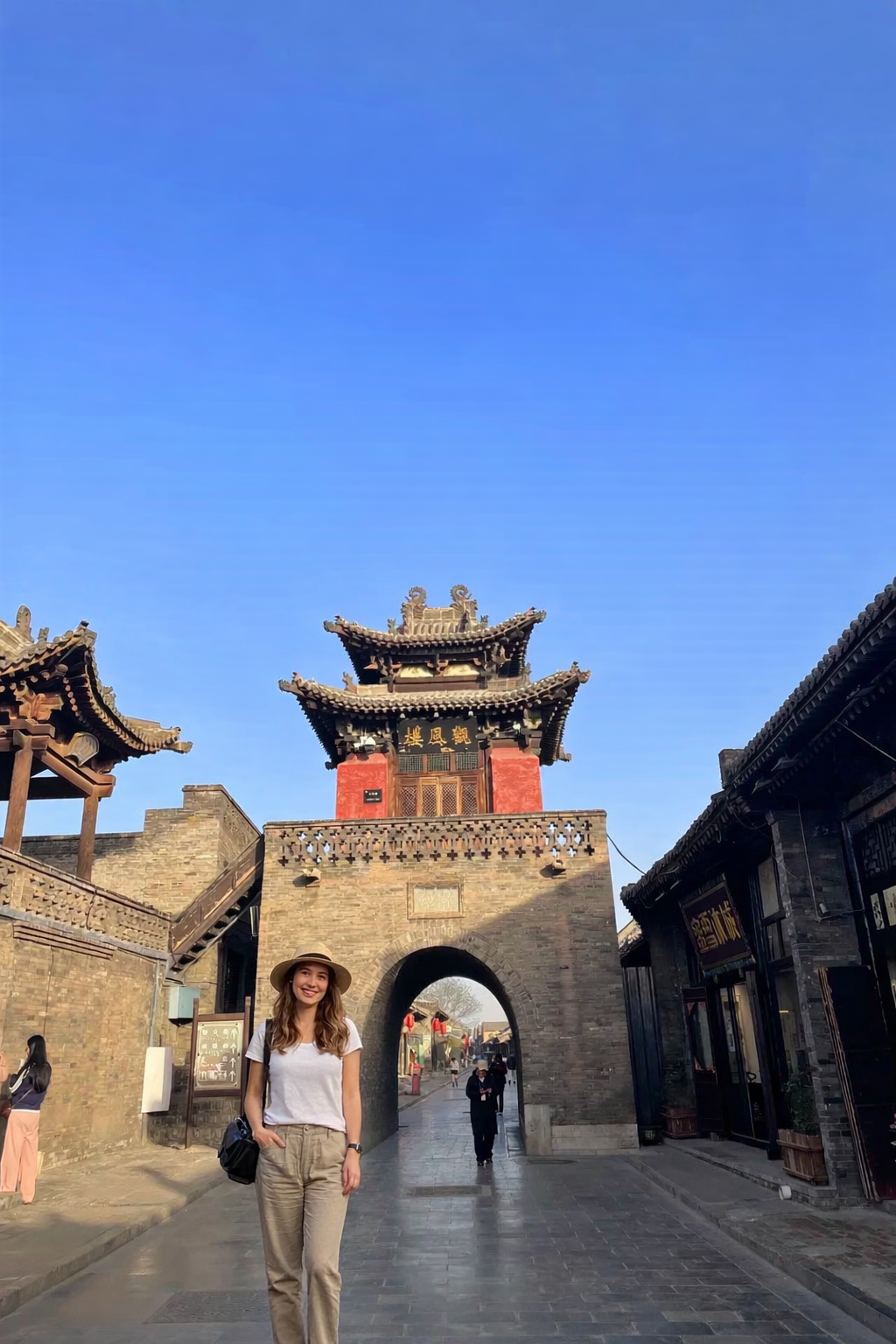
My journey began on a rainy afternoon. The grey sky and wet cobblestones only added to the atmosphere. Unlike the polished, reconstructed “old towns” you find elsewhere in China, Pingyao feels lived-in, gritty, and authentic. It is a sprawling labyrinth of courtyards, narrow alleyways, and high-walled fortresses. I checked into a traditional guesthouse converted from a wealthy merchant’s home. As I walked across the wooden threshold, I left the 21st century behind. My room featured a traditional *kang*—a brick bed heated from below—and heavy wooden latticed windows. That night, as I listened to the rain drum on the tiled roof, I felt completely transported.
The next morning, I rented a bicycle. This, I discovered, is the only way to truly experience Pingyao. The city walls are incredibly well-preserved—six kilometers of imposing grey brick that have stood against invaders and time alike. Cycling atop the wall offers a unique vantage point. To one side, you see the sprawling, red-tiled roofs of the old city, a sea of history frozen in time. To the other, the modern skyline of the “new city” rises like a mirage. Standing up there, with the wind whipping through my hair, I understood why this was once the financial center of China.
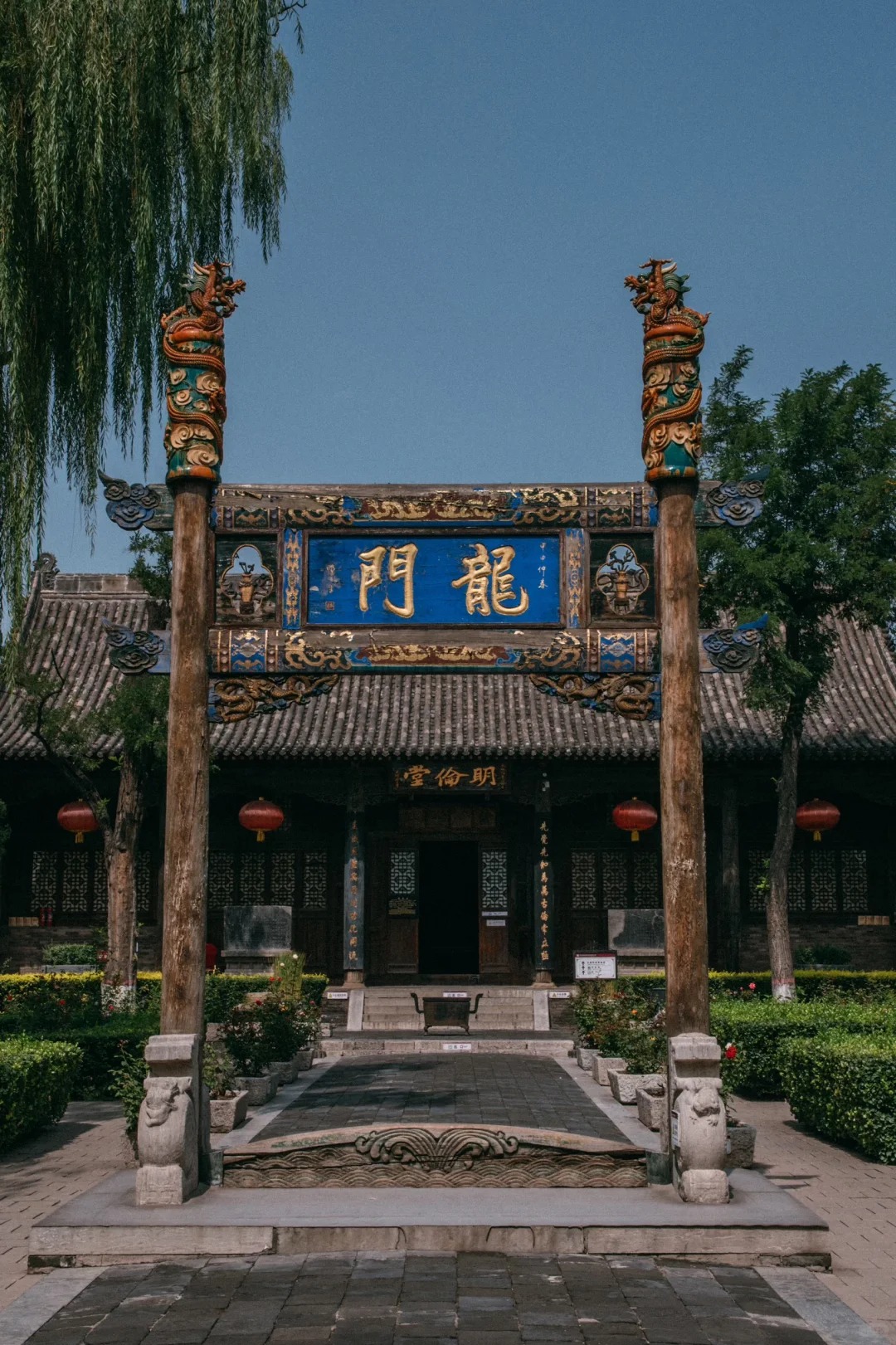
Pingyao was the birthplace of the *piaohao*, China’s earliest draft banks. As a traveler obsessed with stories, I was drawn to the Rishengchang Exchange Shop. It looks like a fortress, and indeed, it was built like one. Walking through the dark, narrow corridors and the high-security counting rooms, I could almost smell the anxiety and greed of the silver trade. I saw the heavy iron locks and the secret passwords used to secure millions of taels of silver. It was fascinating to see how these merchants from Shanxi, known as the Jin Merchants, once controlled the economy of the entire Qing Empire.
But the soul of Pingyao lies in its food and its night life—not the kind with clubs and bars, but the kind that comes from centuries of tradition. That evening, I wandered down South Street, the city’s main axis. The smell of Pingyao beef—spiced, savory, and incredibly tender—wafted through the air. I sat down in a small, crowded eatery and ordered a bowl of *Wantuo*, a local buckwheat noodle dish. The texture was gelatinous and slippery, coated in a spicy vinegar sauce. It was an explosion of flavors I had never tasted before.
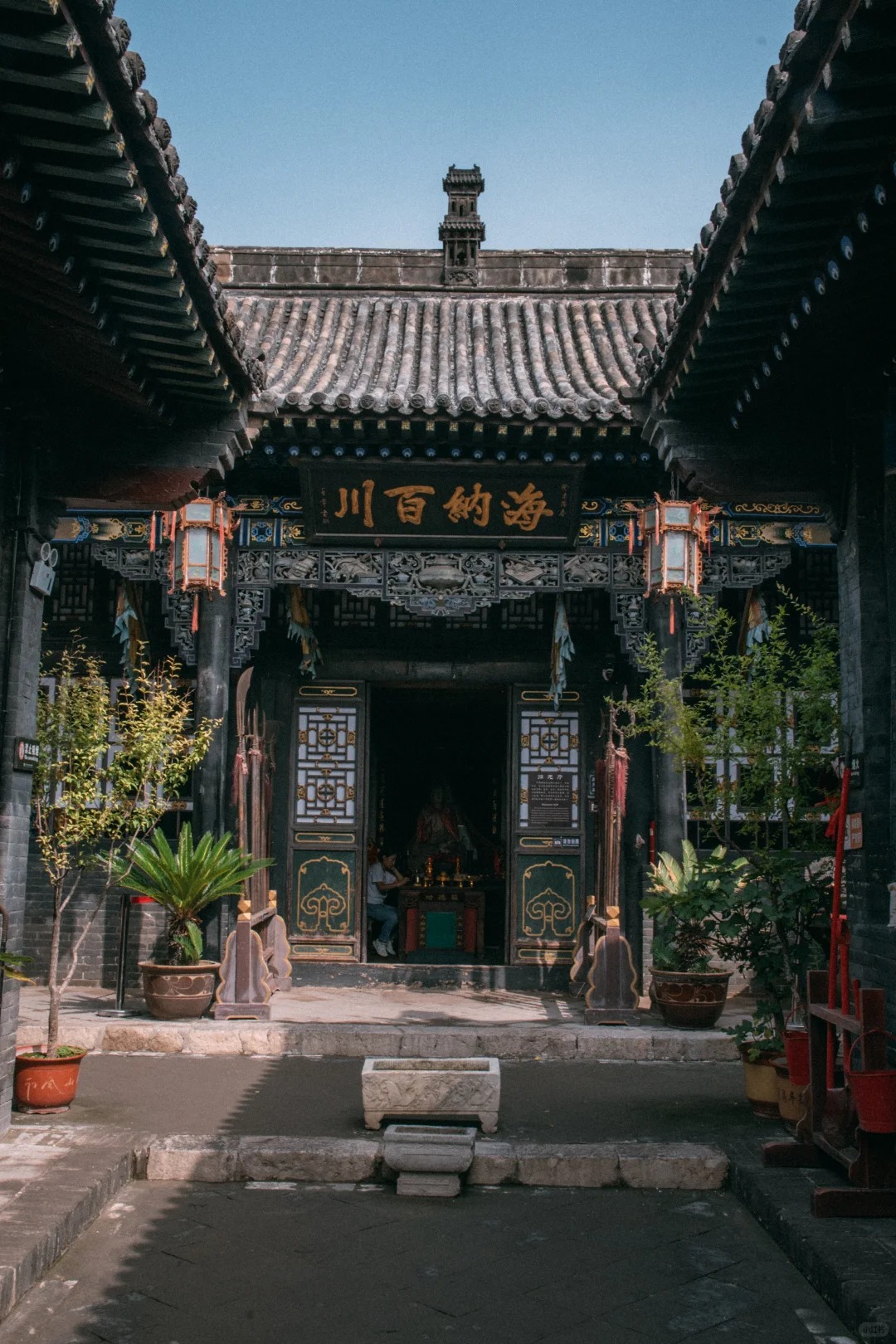
As night fell, the city transformed. This was the highlight of my trip. I had heard about the “Light Show” at the City God Temple, but what captivated me more was simply walking the streets. Thousands of red lanterns hung from every eave, casting a warm, ruby glow over the grey streets. It felt like walking onto a movie set—indeed, parts of the movie “Raise the Red Lantern” were filmed nearby. The crowds thinned out, and the silence of the old walls returned. I stood in the middle of the square in front of the City Tower, looking up at the illuminated structure. For a moment, I felt like a ghost haunting the streets of the past.
I also visited the Armed Escort Museum, home to the bodyguards who protected the silver caravans. The stories of loyalty and martial arts heroism were thrilling. But what stayed with me was the atmosphere of the residential alleys. I ducked into a narrow lane off the main road and found locals drying chili peppers in the sun. An old man invited me to peek into his courtyard. It was a modest home, but the intricate wood carvings on the screen walls spoke of a bygone era of craftsmanship.
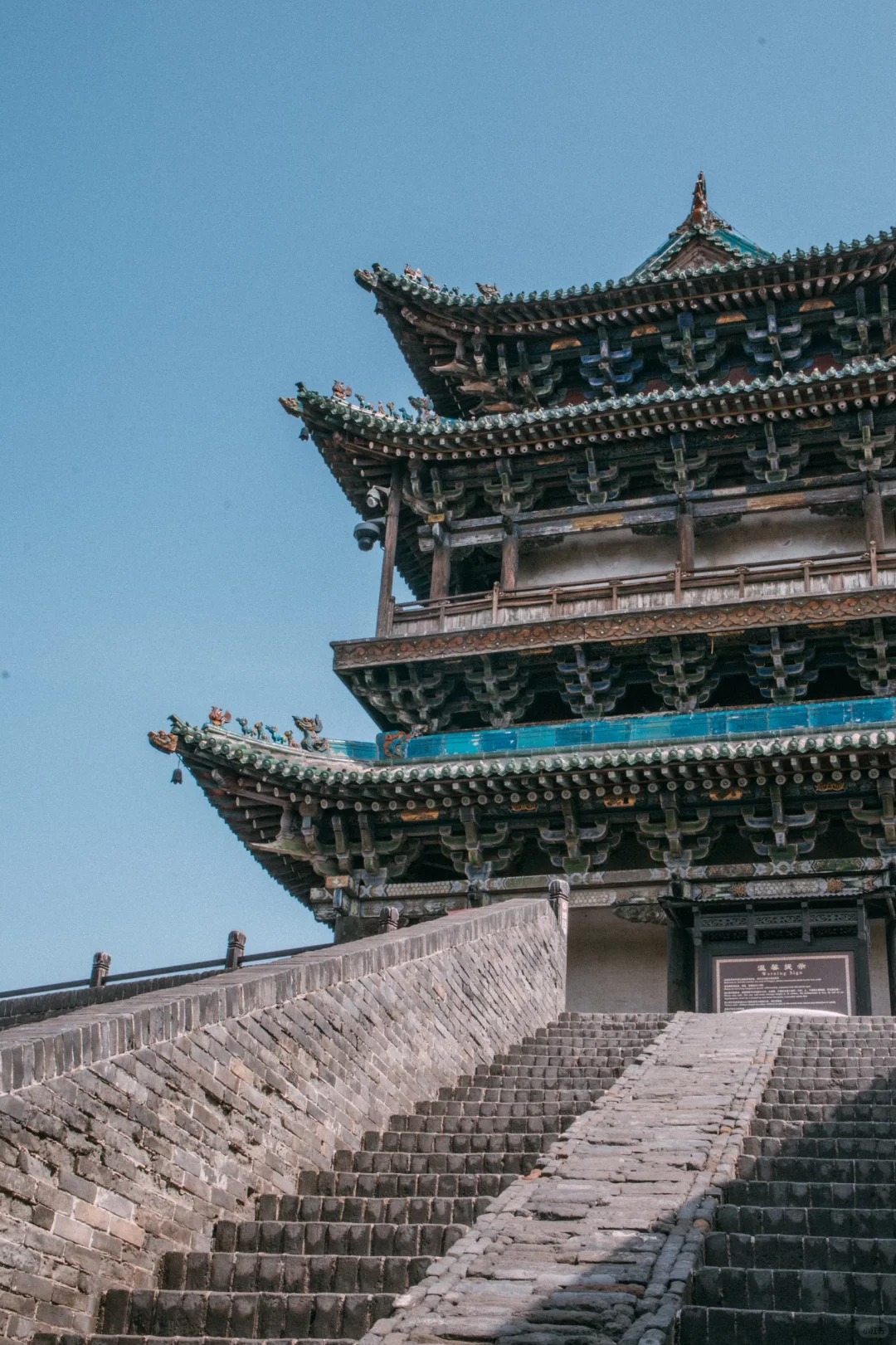
Leaving Pingyao was hard. As I walked out through the West Gate, I looked back at the towering walls. Pingyao isn’t just a museum; it’s a survivor. It survived the Cultural Revolution, the demolition craze of modernization, and the wear of centuries. It stands today as a defiant, beautiful testament to Chinese architectural and financial history.
If you come to Shanxi, give yourself at least two days here. Don’t just rush through the museums. Spend the night. Wake up to the sound of temple bells. Eat the beef. Let the red lanterns guide your dreams. Pingyao is a place where history isn’t just remembered; it is felt.