You don’t just visit Kumbum Monastery; you listen to it. Located about 26 kilometers southwest of Xining, the capital of Qinghai, this is one of the six great monasteries of the Gelug school of Tibetan Buddhism. I had heard of its fame, of its stunning architecture, but I was unprepared for the atmosphere of deep devotion that permeates every stone and beam of this place.
I arrived early in the morning, hoping to beat the crowds and catch the monks during their morning prayers. The smell of burning juniper incense greeted me long before I reached the gates. It’s a thick, resinous scent that clings to your clothes and hair—a scent I have come to associate with the sacredness of Tibet.
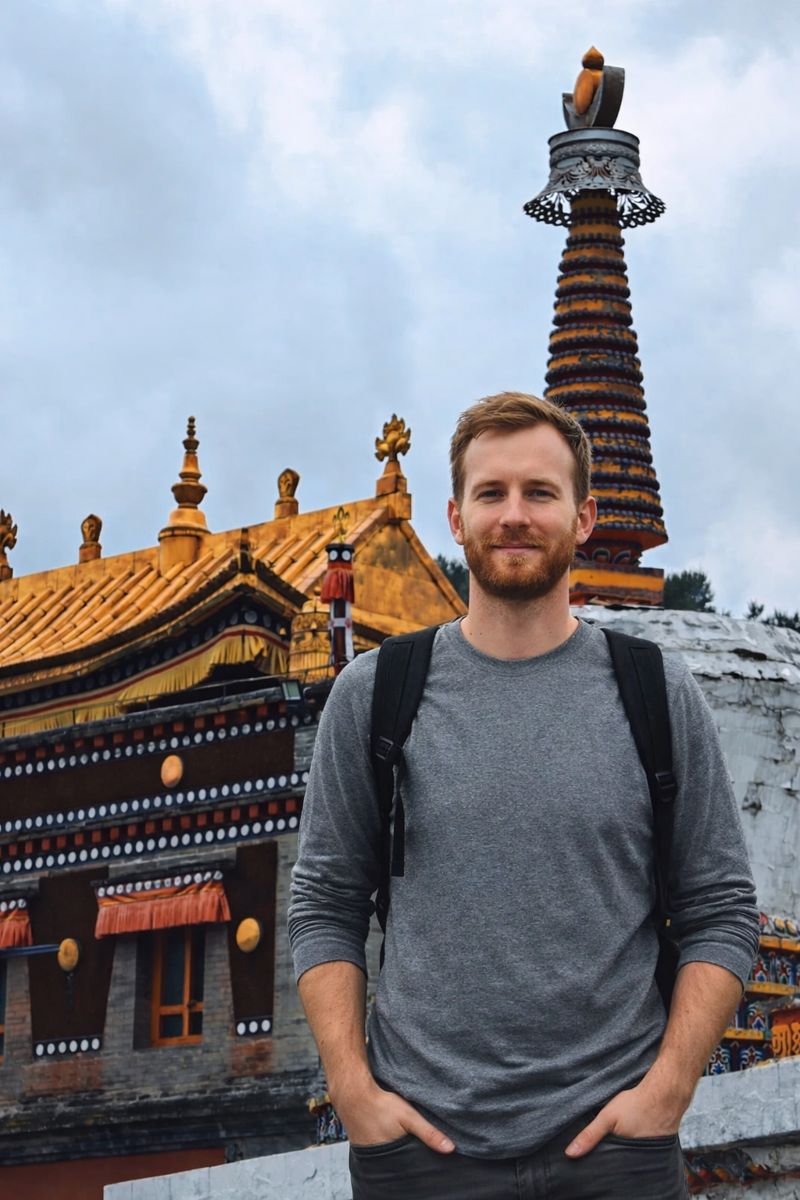
The monastery complex is sprawling, a labyrinth of temples, halls, and dormitories built on a hillside. I walked past the Eight Stupas, their golden tops glinting in the morning sun. But it was the sound that drew me in. A low, rhythmic chanting was vibrating through the air. I followed it to the Great Hall of Golden Tiles.
Inside, the atmosphere was thick with butter lamp smoke. Hundreds of monks, ranging from young boys to elderly elders, sat in rows. Their chanting was a deep, guttural resonance, punctuated by the clash of cymbals and the deep drone of long horns called dungchen. I stood in the doorway, respectfully observing. The sight was hypnotic—the maroon robes, the serious, focused faces, the flickering light of thousands of butter lamps illuminating the massive thangkas (paintings) on the walls. I didn’t understand the words, but I felt the intention. It was a sound of devotion that had been repeated here every day for centuries.
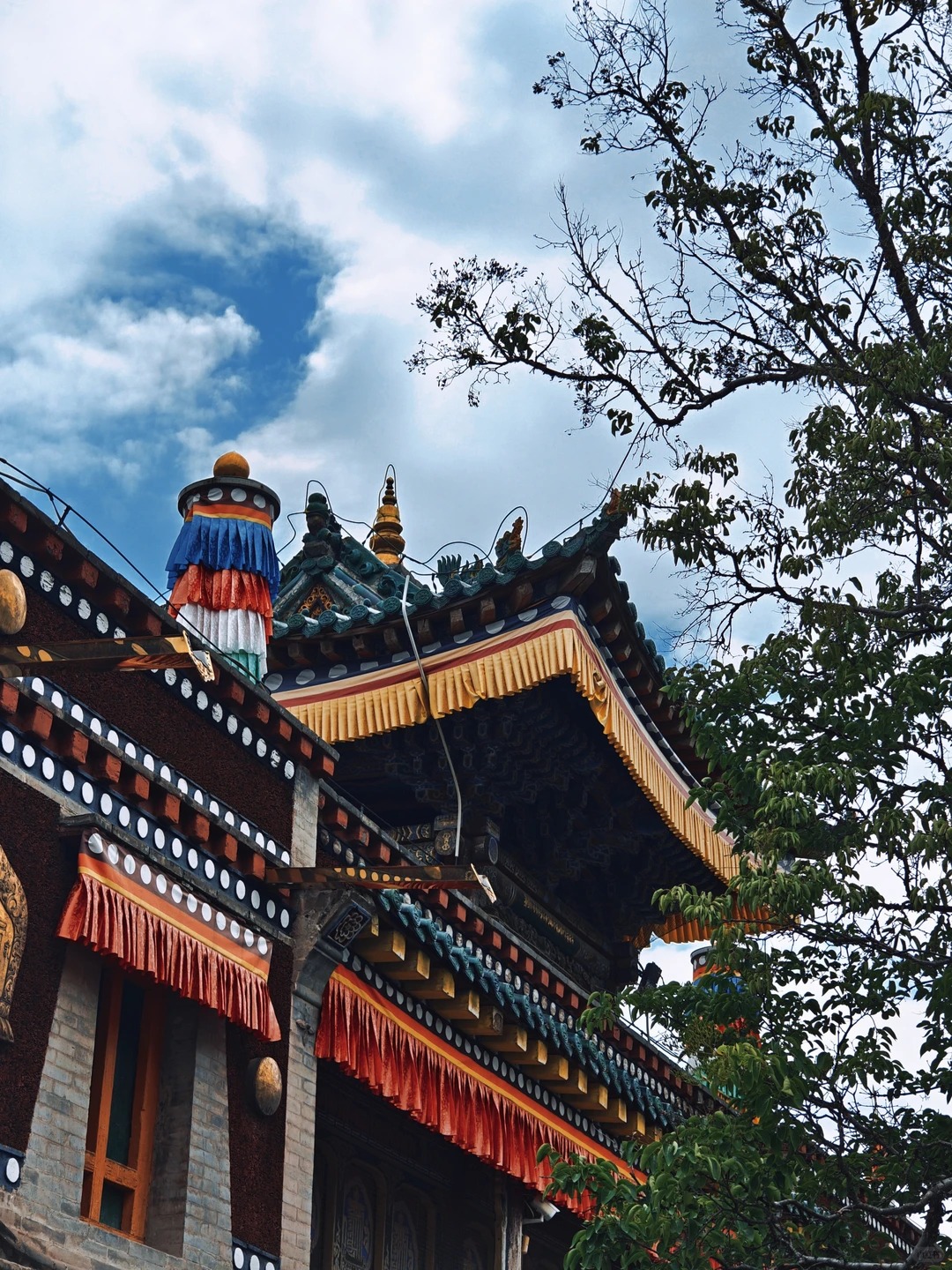
Outside, I walked the kora, the pilgrim’s circumambulation path. I joined the stream of devotees. Some were spinning prayer wheels, others counting mala beads. They were whispering mantras, the most famous being “Om Mani Padme Hum.” I fell into step with an old woman. Her face was a map of wrinkles, etched by the high-altitude sun, but her eyes were clear and bright. She smiled at me and handed me a pinch of barley flour to throw into the air as an offering. It felt like a silent welcome, a passing of the torch from a local to a traveler.
One of the highlights of Kumbum is the collection of yak butter sculptures. These are intricate figures made of colored butter, depicting deities, flowers, and scenes from Buddhist mythology. They are kept in cool rooms because, of course, butter melts. Seeing these delicate, ephemeral works of art was a reminder of the impermanence that is central to Buddhist philosophy. They are beautiful not because they last forever, but because of the immense skill and patience required to create them, knowing they will eventually change form.
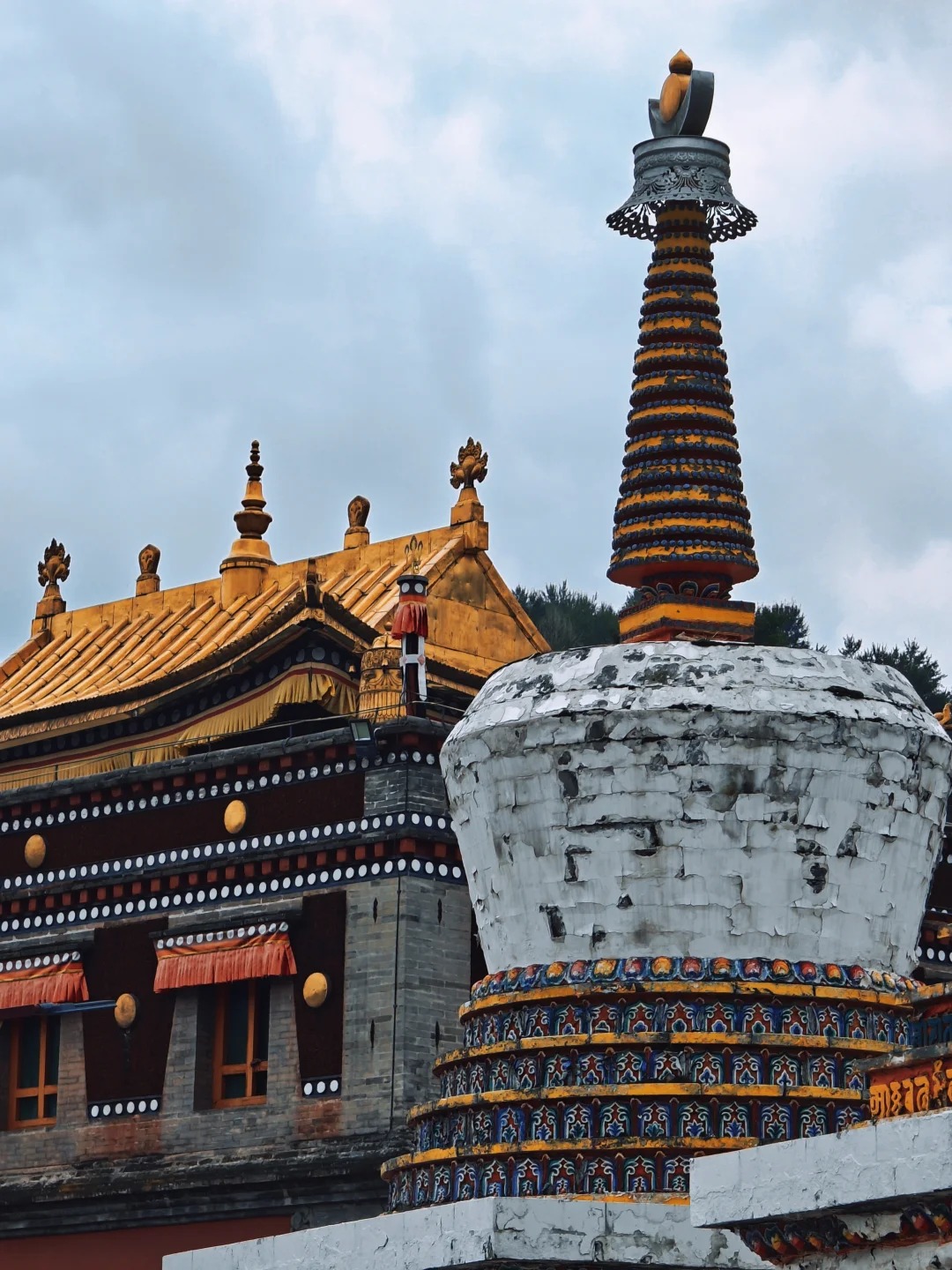
I wandered through the courtyards, watching young monks debating theology in the shade of ancient trees. Their voices were animated, their hands clapping together to emphasize a point. It was a reminder that this is a living, breathing educational institution, not just a museum.
For lunch, I ate in a small restaurant run by the monastery. I had a bowl of thenthuk—hand-pulled noodles in a hearty vegetable and yak meat soup. It was simple, hot, and incredibly satisfying. As I ate, I looked out the window at the white pagodas against the blue sky. The pace of life here seems to slow down.
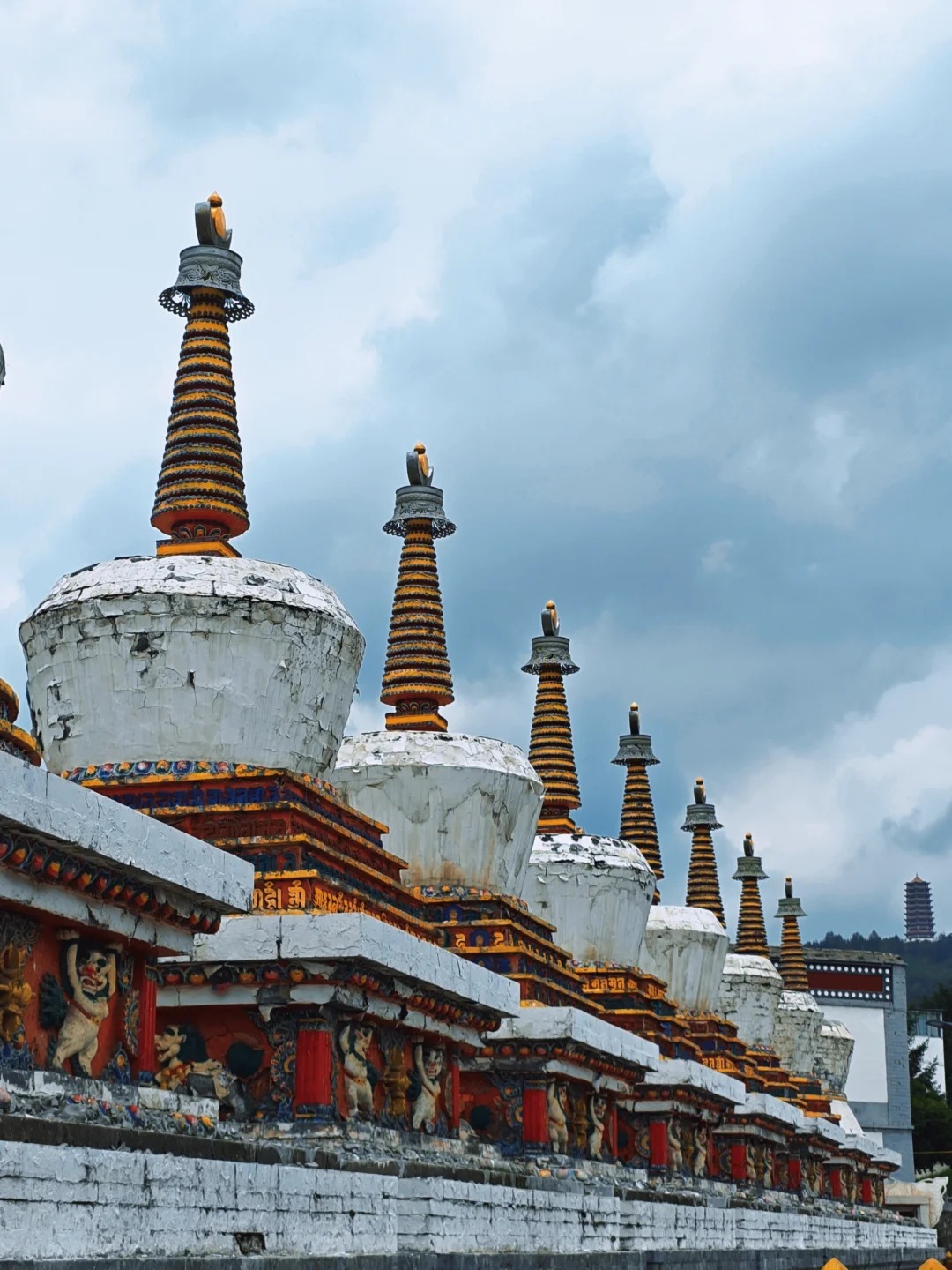
Leaving Kumbum Monastery, I felt a strange sense of lightness. The喧嚣 of the city felt miles away. I realized that the monastery is not just a tourist site; it is an anchor of culture and faith for the Tibetan people. It is a place where the modern world and ancient traditions meet, sometimes clashing, but mostly coexisting in a delicate balance.
I bought a small prayer wheel as a souvenir. It sits on my desk now. When I spin it, I am transported back to that morning—the smell of juniper, the sound of the horns, and the sight of the old woman walking the kora. Kumbum is a place that teaches you about the power of faith and the beauty of silence. It is a must-visit for anyone wanting to understand the spiritual heart of this region.