They call it the "Northern Capital," but Beijing feels celestial. Its axis runs from the divine to the mortal, its history weighs tons in stone, and its scale defies the human eye. My journey through Beijing tourist spots was less a checklist and more a series of humbling encounters with power, art, and resilience. This is not a city you simply see; it is a city you navigate with your soul wide open, feeling the echoes of emperors in its vast courtyards and the vibrant pulse of modern life in its tangled hutongs.
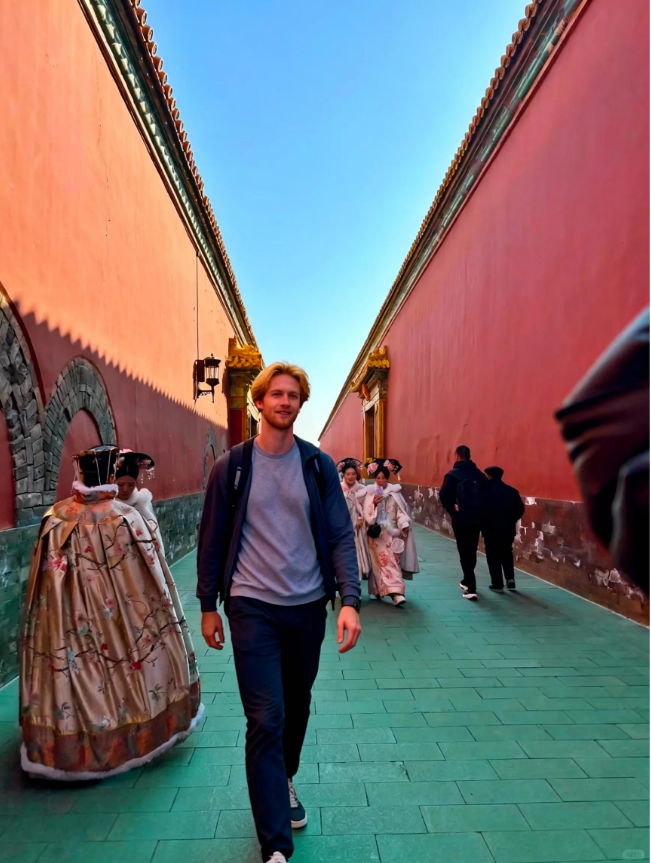
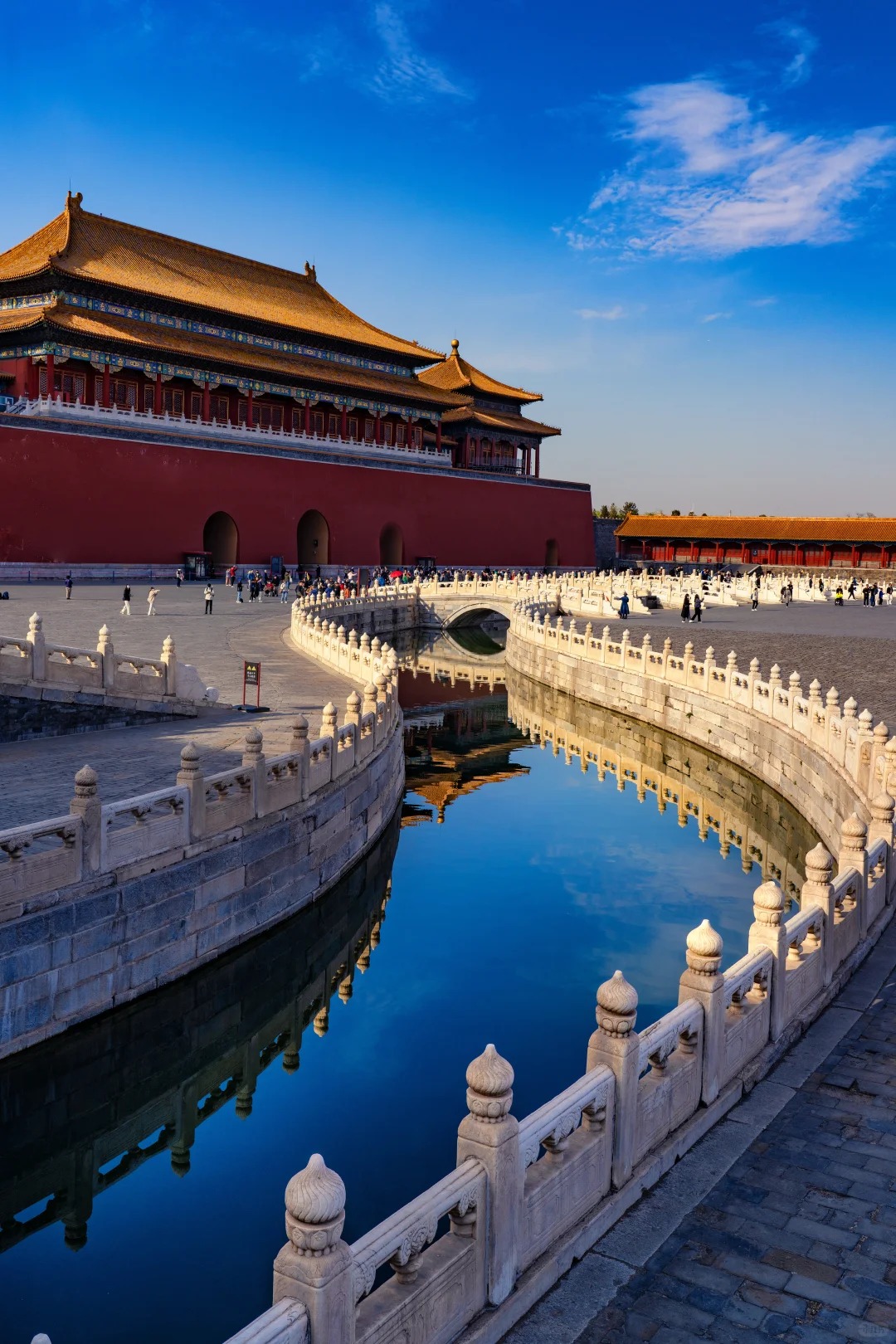
My pilgrimage began, as it must, at the Forbidden City. I entered through the Meridian Gate, and the world of traffic and noise fell away, replaced by a crushing, magnificent silence of space. I walked along the central axis, through gate after gate, courtyard after courtyard. The sheer sequential grandeur is designed to overwhelm, to instill awe for the Son of Heaven. But my most poignant moment came in a side gallery, my nose almost touching the glass protecting an exquisite jade cabbage. In that miniature masterpiece of carving, I saw not imperial might, but a human longing for beauty and symbolism—a quiet heartbeat within the monumental.
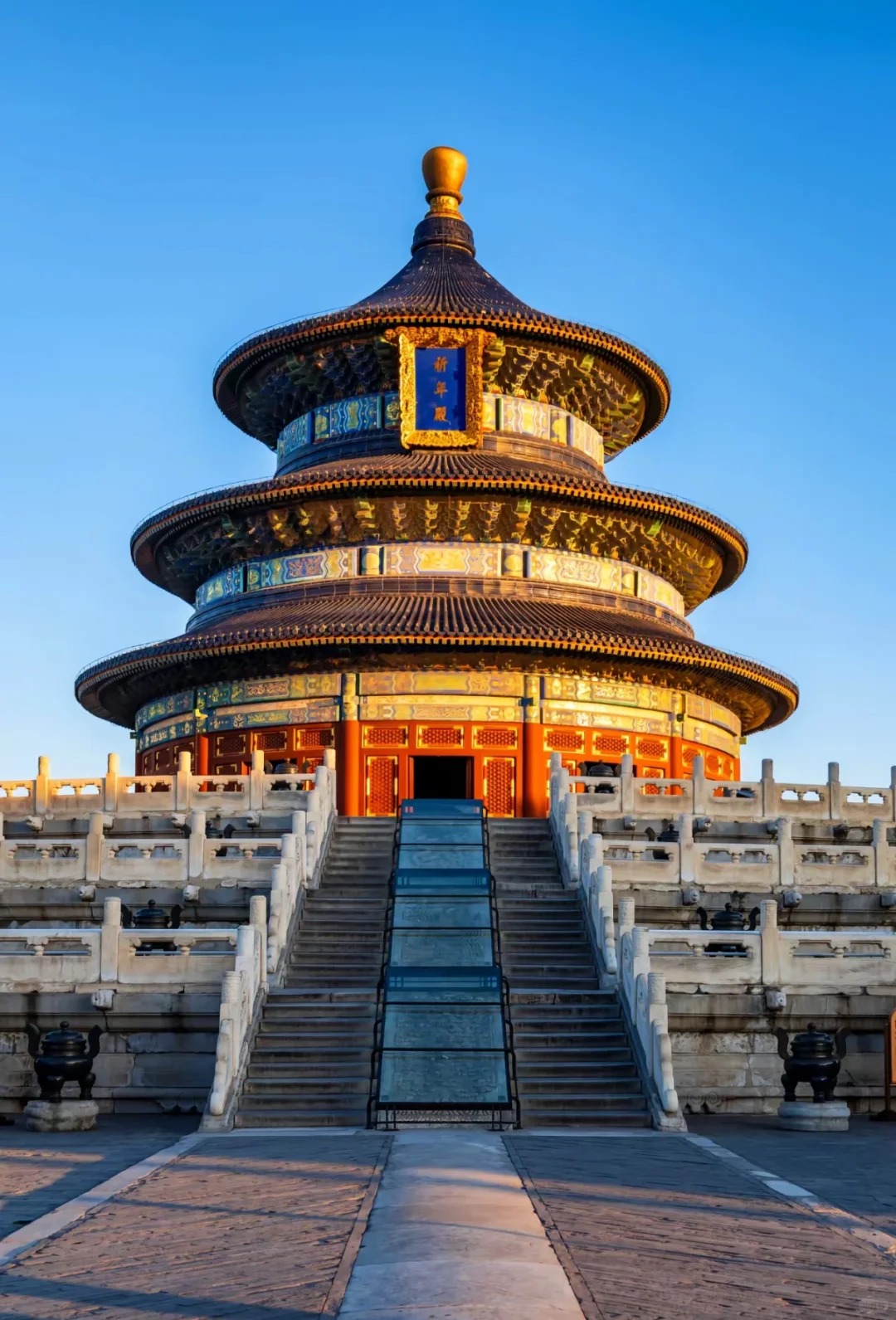
From divine order, I sought human harmony at the Temple of Heaven. At dawn, the park was alive with locals: people practicing tai chi with fluid grace, writing giant water calligraphy on the paving stones, singing opera arias among the ancient cypress trees. The Hall of Prayer for Good Harvests, with its triple-eaved blue roof, rose against the morning sky. Its perfection was mathematical, cosmological. Standing in the center of the Circular Mound Altar, where the emperor would commune with heaven, I understood this was a dialogue—a architecture of precise prayers offered to the sky.
No structure in Beijing, however, prepared me for the Great Wall at Mutianyu. (As detailed in a previous article, the choice of section is key). Climbing its uneven steps, with the mountains of North China rolling like a frozen sea to the horizon, was a physical testament to a nation's defiant will. Touching the cool, lichen-spotted stones, I felt the burden of sentries past and the breathtaking ambition of a civilization that dared to draw a line across the world.
Back in the urban core, I dove into the Summer Palace. This is Beijing's yin to the Forbidden City's yang—a place of leisure, water, and poetic escape. Kunming Lake shimmered, and the Long Corridor unfolded like a painted scroll of myths and landscapes. I rented a small boat and rowed to the center of the lake, turning to see the Marble Boat, the Tower of Buddhist Incense, and the wisdom of a design that blends hill, forest, lake, and architecture into a single, serene breath.
But Beijing's soul also resides in its alleys. I spent a day getting lost in the hutongs around the Bell and Drum Towers. Here, life unfolded in open view: bicycles laden with goods, the sizzle of dough sticks in hot oil, the chatter from courtyard homes. I joined a rickshaw tour led by a lifelong resident whose stories painted a vivid picture of the city's layered history, from princely mansions to communal living. This was the living, breathing organism upon which the monuments were built.
A trip to Beijing is incomplete without bearing witness to its modern audacity. The Olympic Park, with the ethereal "Bird's Nest" and futuristic "Water Cube," speaks of a city that has always looked forward. And in the 798 Art District, where Bauhaus factory halls now house avant-garde galleries, I saw the relentless creative spirit that has always animated this place, from carving palace eaves to pushing contemporary artistic boundaries.
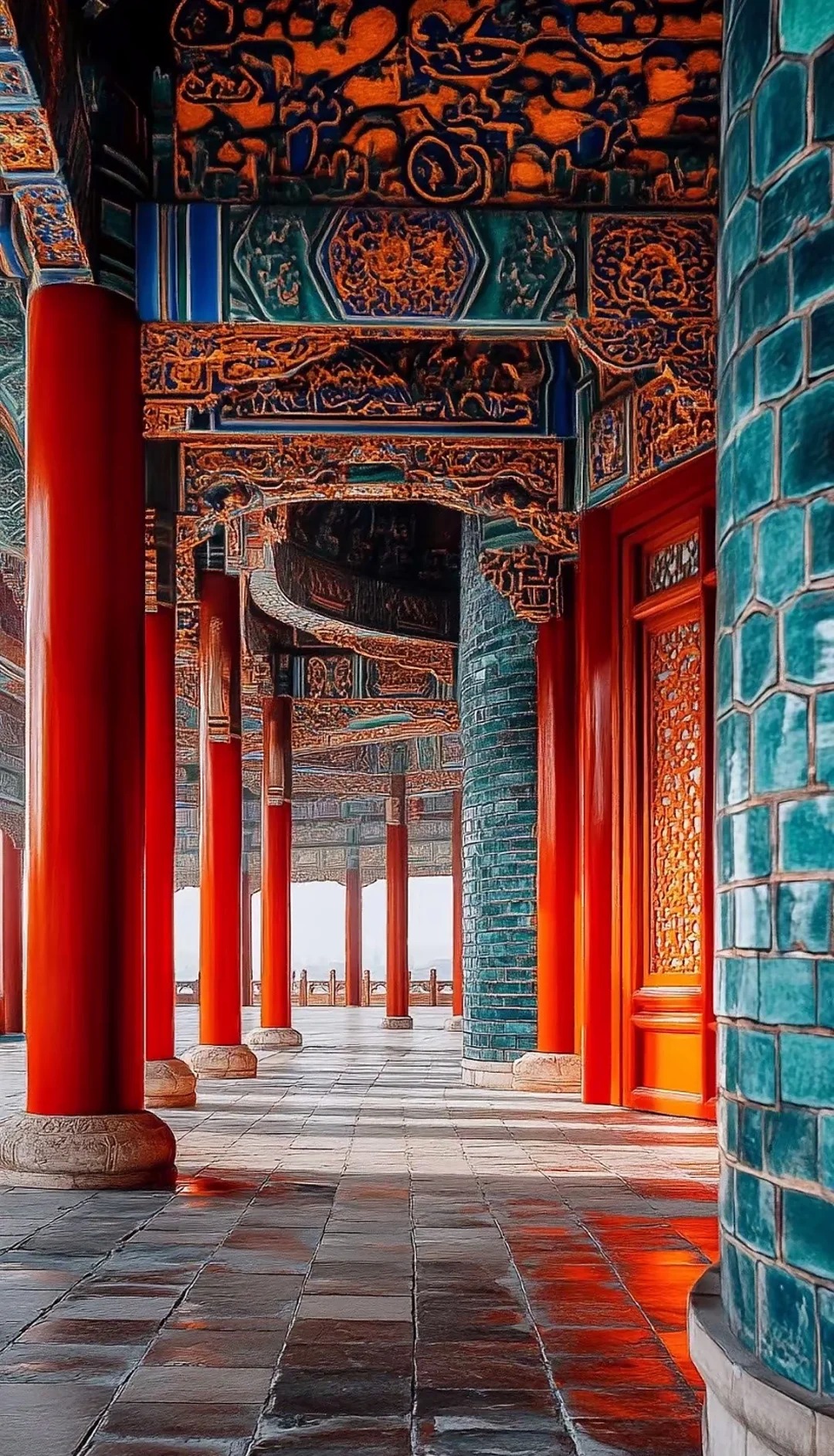
Beijing is a palimpsest. You see the Ming walls, the Qing gardens, the socialist-era blocks, and the gleaming towers of the 21st century all at once. To travel here is to engage in a constant conversation between past and present, between overwhelming scale and intimate detail. It exhausts and exhilarates in equal measure. You leave not with just photos, but with a deepened sense of time—a feeling that you have walked through the living pages of a history that is still being written.