There are five sacred mountains in China, and each has a distinct personality. Hengshan in the north—Beiyue—is the rugged warrior. Located in Hunyuan County, it is not as lush as Taishan or as ethereal as Huashan. It is austere, rocky, and imposing. It represents the element of Yin in Taoism, yet it feels incredibly Yang—masculine and strong. I came here to hike the spine of the dragon.
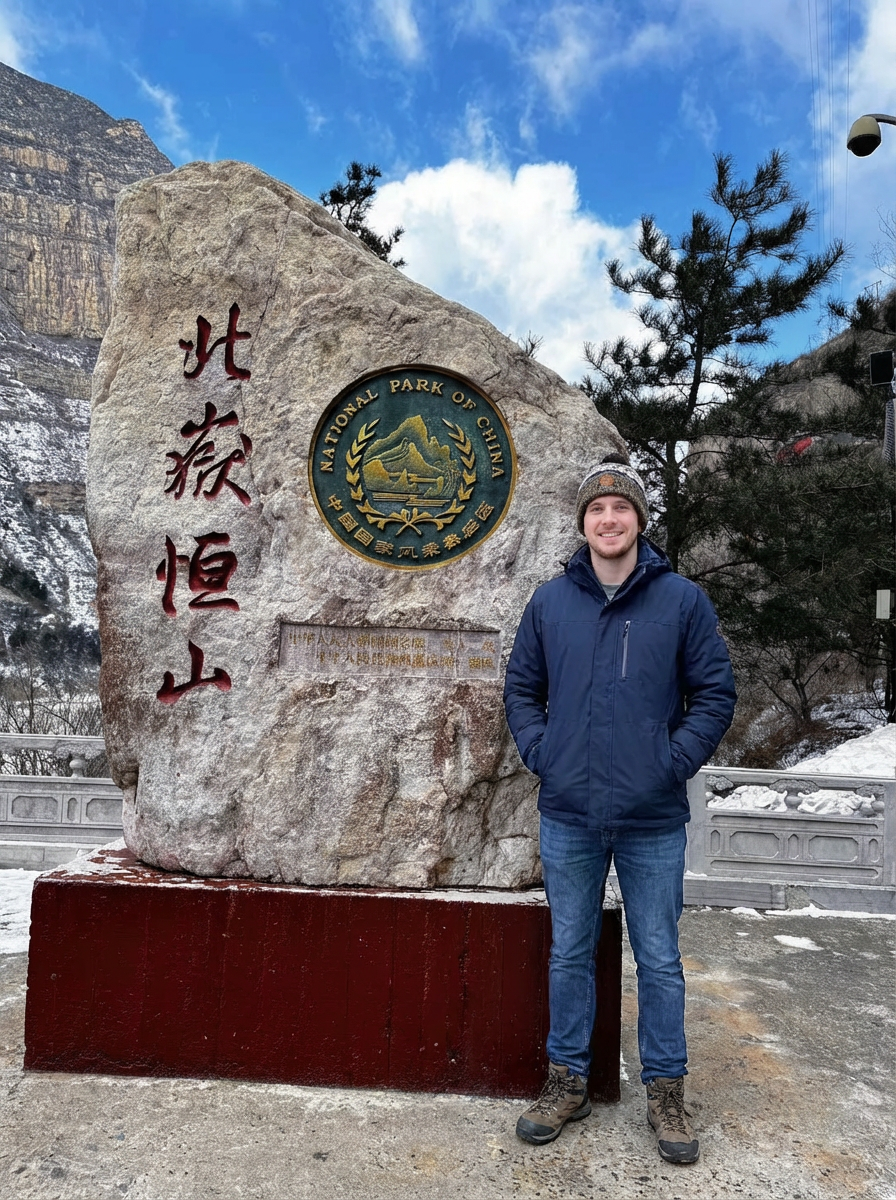
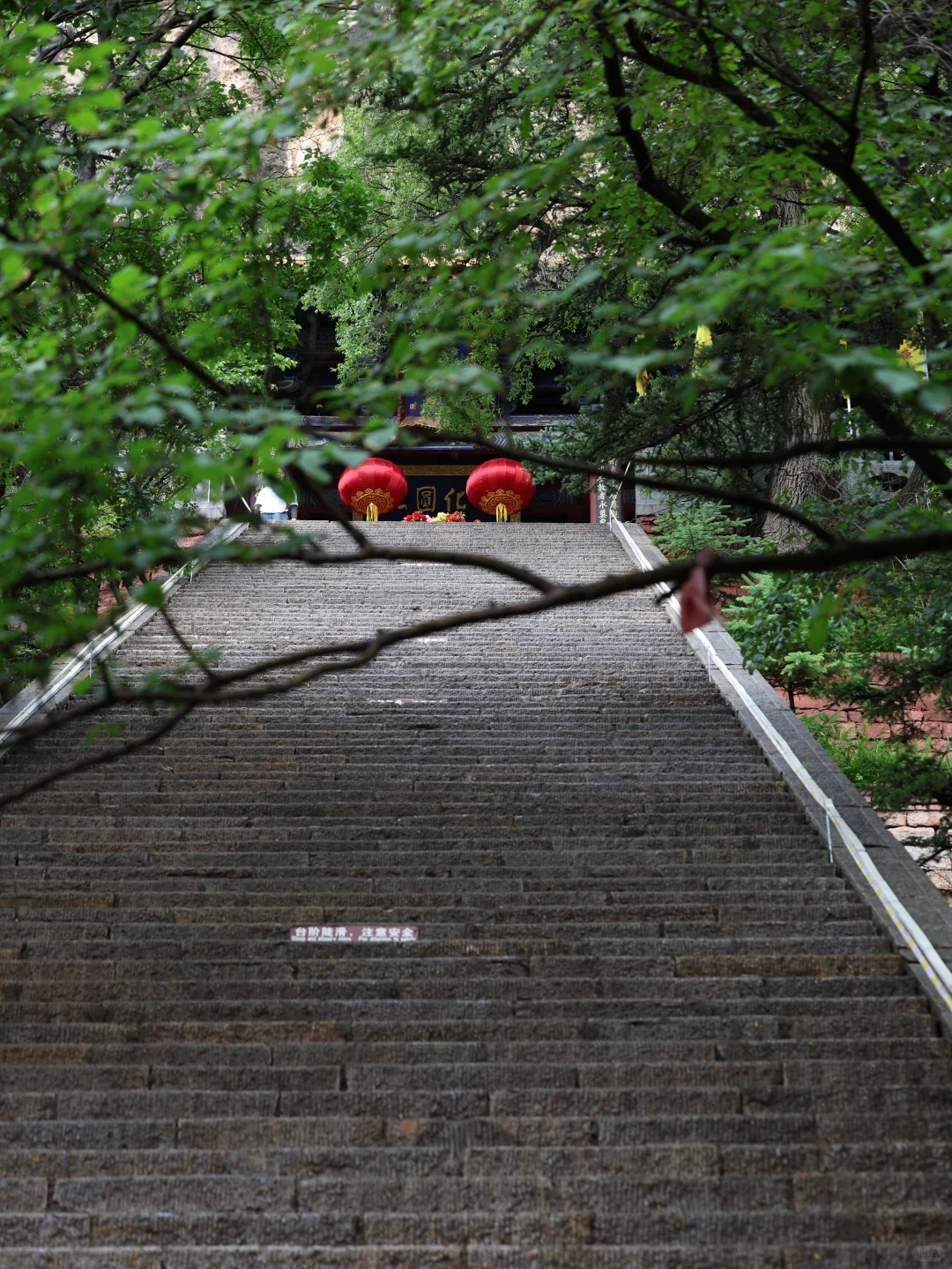
I started my hike at the Tianfeng Ling (Heavenly Peak), the highest point at 2,016 meters. Unlike some mountains where you take a bus halfway up, at Hengshan, you earn the view. The stone steps are uneven and steep, worn smooth by centuries of pilgrims’ feet. The wind here is constant; it whips through the pine trees, creating a sound like the ocean.
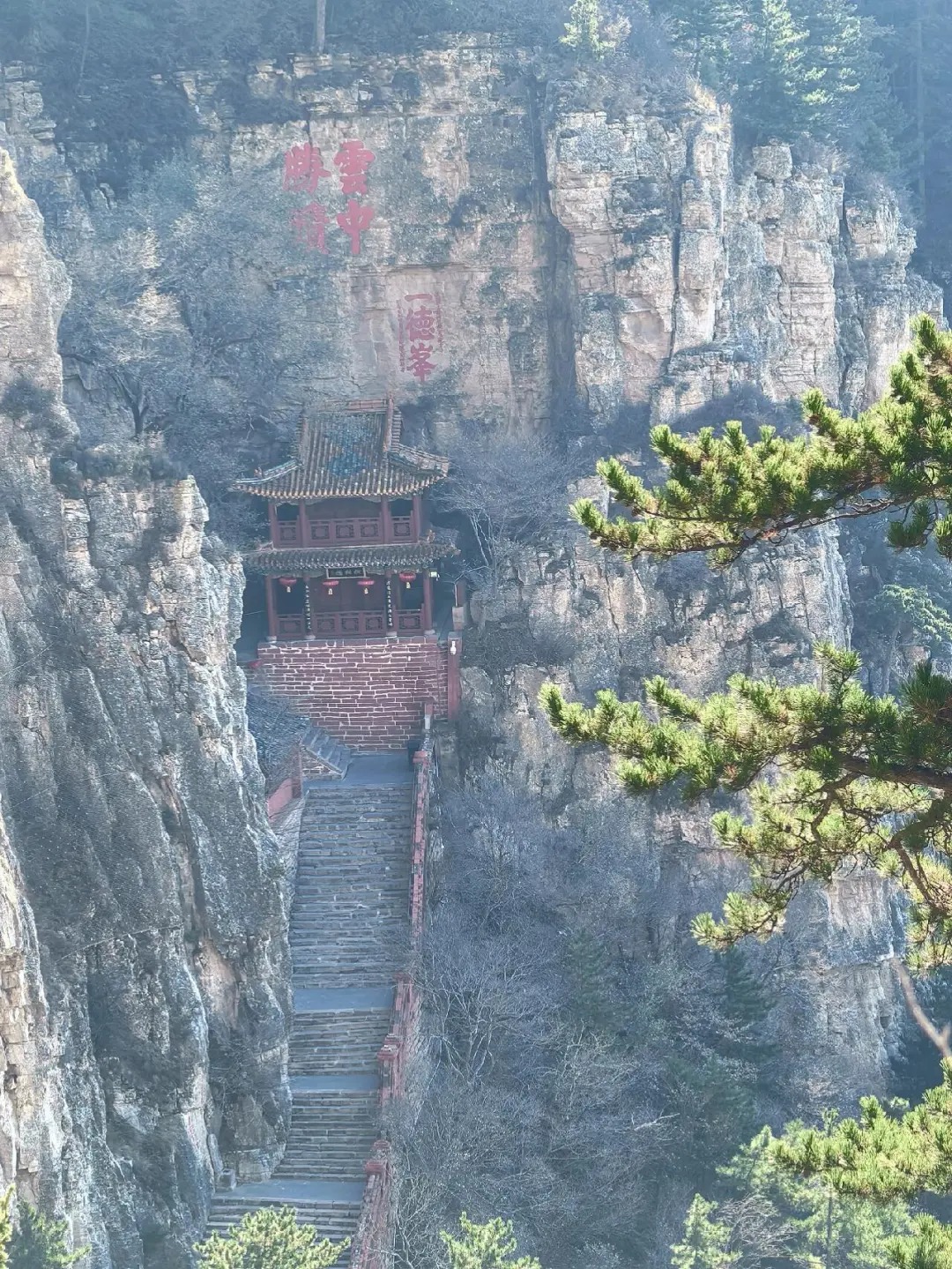
As I climbed, I passed several small temples and shrines tucked into crevices in the rock. One of the most famous spots is the Huixian (Gathering Immortals) Mansion. It hangs perilously on the cliffside, connected by a terrifyingly narrow stone bridge. I walked across it, trying not to look down at the abyss below. The air here is thin and crisp. I saw an old man chanting sutras, his voice barely audible over the wind. He didn’t look up; he was entirely absorbed in his devotion.
Reaching the summit of Tianfeng Ling was a triumph. The view is vast and rugged. To the north lies the Mongolian Plateau, a vast expanse of nothingness. To the south, the fertile plains of Shanxi stretch out. Standing there, I understood why this mountain was chosen as a strategic military barrier for centuries. It is a wall against the north.
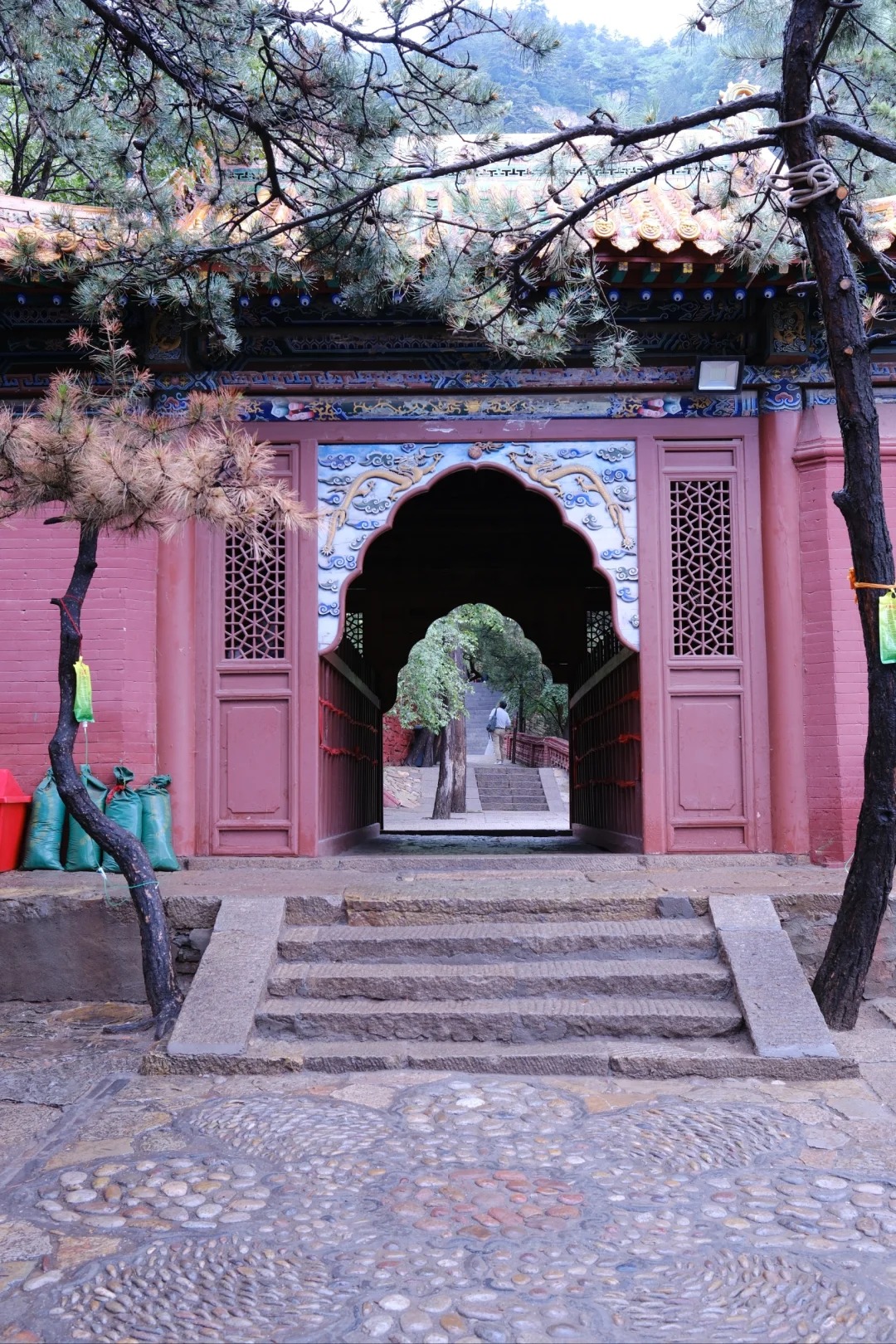
I made my way down to the Beiyue Miao (Temple of the Northern Peak), which sits at the base of the mountain. This is one of the best-preserved ancient temple complexes in China. It feels completely different from the wild peak above. It is grand, symmetrical, and royal. The main hall is dedicated to the God of Mount Heng. Inside, the ceiling is a masterpiece of painted beams.
What I loved most about the temple complex were the ancient cypress trees. There is one called the “Pine Welcoming the Guest,” which looks like it is bending over to bow to visitors. Another is the “Pine Rooting in the Rocks,” its gnarled roots wrapping around boulders like a dragon’s claws. I touched the rough bark, feeling the energy of the tree.
For lunch, I stopped in a small village at the foot of the mountain. I ordered a bowl of “Hunyuan Fried Dough,” a local specialty that is thicker and chewier than the standard Youtiao. It was served with a bowl of savory millet porridge. The food was hearty, the kind that sticks to your ribs and warms you from the inside out.
Hiking Hengshan is not a luxury experience. It can be dusty, tiring, and cold. But it is authentic. You don’t feel like a tourist here; you feel like a traveler on an ancient path. The mountain doesn’t try to impress you with gimmicks; it just stands there, solid and unmoving.
As I drove away, I looked back at the mountain range. It looked like a sleeping grey beast against the blue sky. I felt a sense of peace wash over me. In a world that is constantly changing, it is comforting to know that Mount Heng is still there, watching over the north, as it has done for thousands of years. If you want to experience the “real” China—wild, spiritual, and unpolished—this is the place to be.