Five hours by road north of Harbin, the earth tells a different, more ancient story. Wudalianchi, meaning "Five Interconnected Lakes," is a UNESCO Global Geopark where the landscape is still fresh from the forge. The last volcanic eruptions here occurred in the early 18th century—a mere blink in geological time—leaving behind a dramatic terrain of lava flows, conical volcanoes, and mineral-rich lakes and springs that feel palpably alive.
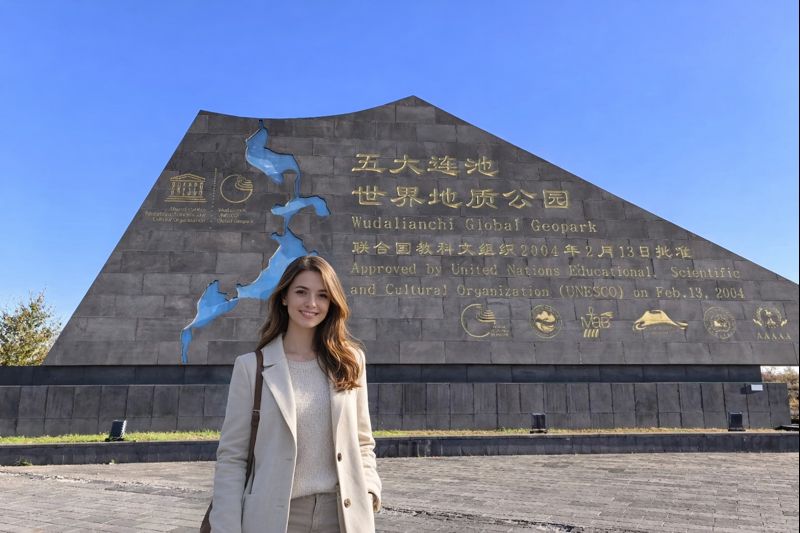
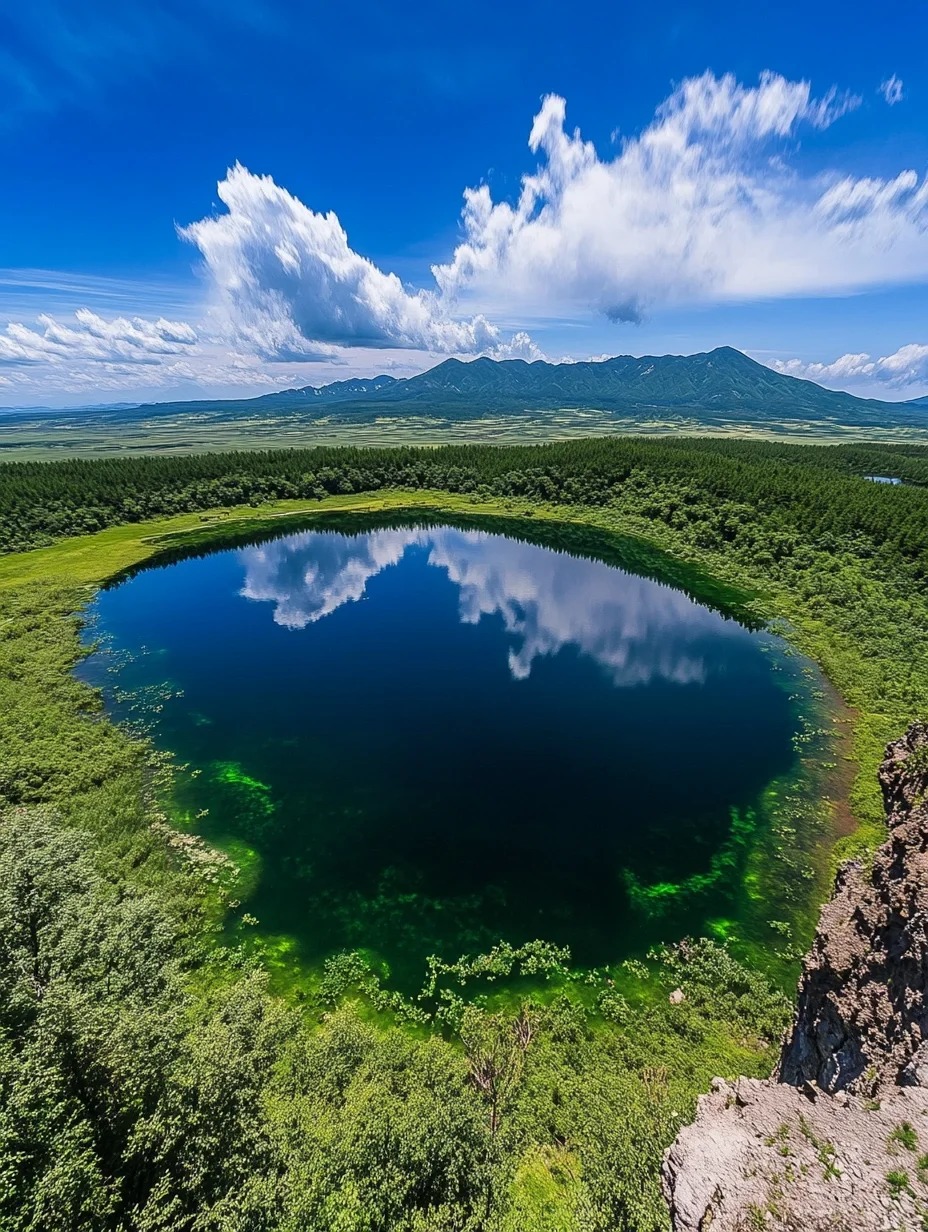
My exploration began at Laoheishan (Old Black Hill), one of the most recent volcanoes. Hiking up its gentle slope, the path wound through birch forests until suddenly, the trees fell away, and I stood on the rim. Below lay a perfect, forested crater, a bowl of serenity belying its violent origin. But the true wonder was at my feet: the Gelaqiao Lava Flow. Stretching to the horizon like a petrified black river, it’s a tumultuous sea of jagged, rope-like aa lava and smoother, billowy pahoehoe lava. Walking on it was like traversing another planet; the porous rock crunched and echoed hollowly with each step.
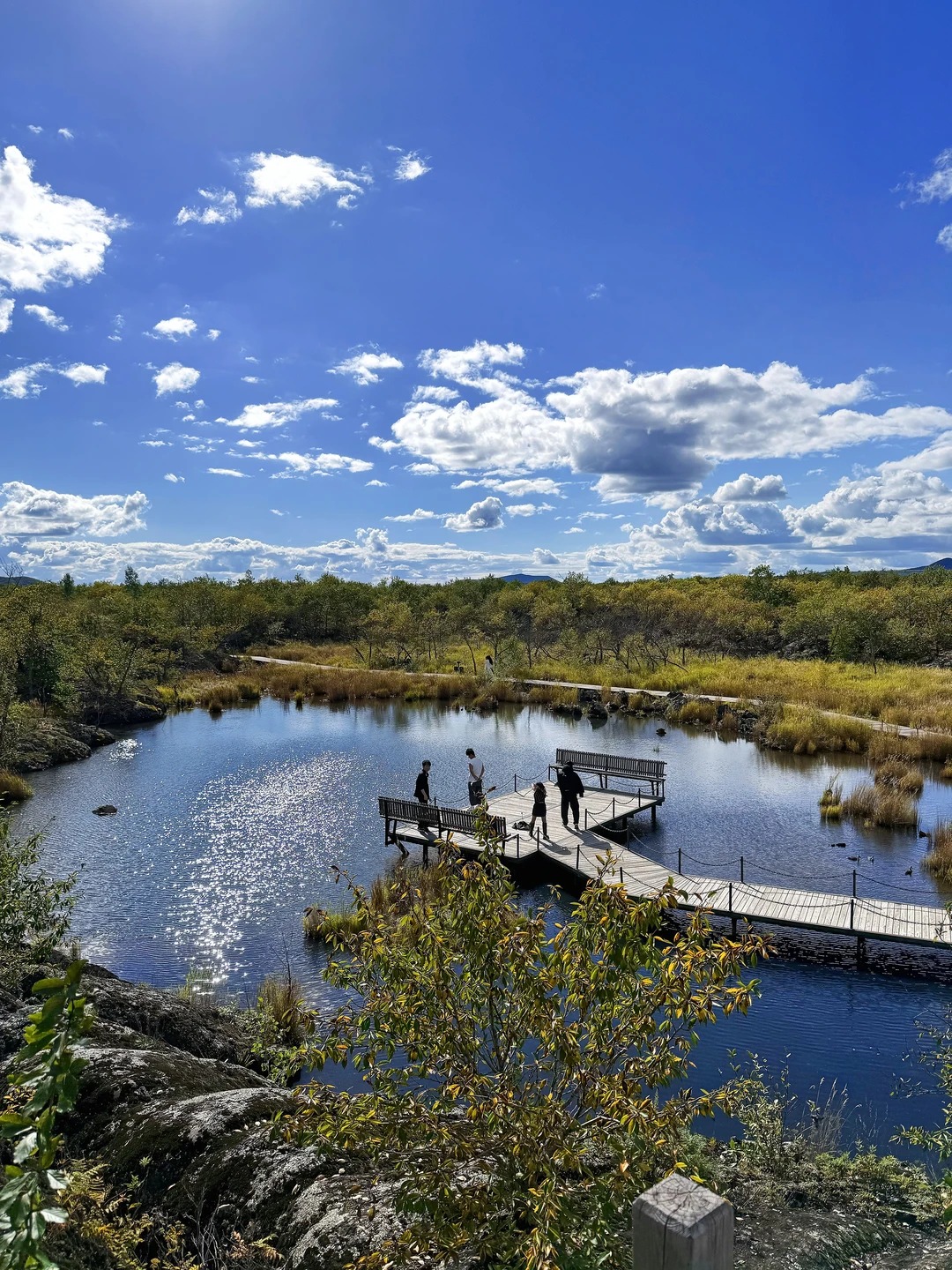
Wudalianchi, however, is not just about past fury; it’s about present healing. The area is famous for its therapeutic cold mineral springs. At Fanhua Spring, I joined locals lining up with empty bottles to collect water bubbling straight from the ground. It was icy cold, effervescent, and had a distinct iron-like tang, said to aid digestion. The ultimate ritual, though, is the "contrast bath." At the South Spring, I first plunged into Benxi Lake, its water barely above freezing, for a shock that made my heart hammer. Then, I scrambled into the adjacent natural outdoor pool, fed by a geothermal spring constantly at 40°C (104°F). Soaking in the steamy, mineral-rich water while snowflakes melted on my shoulders was an experience of pure, elemental bliss, a perfect balance of extremes.
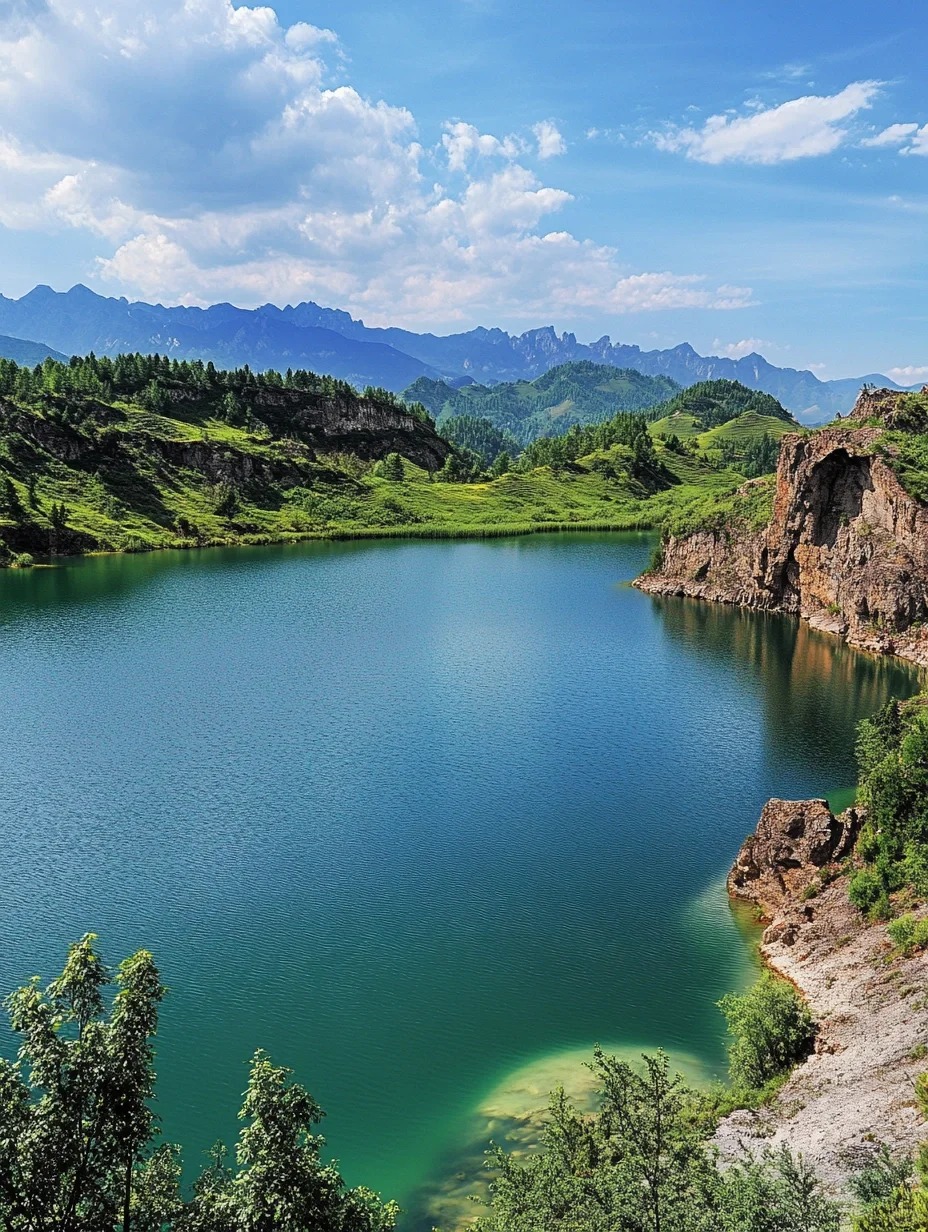
The five lakes themselves, formed by blocked rivers, are serene and strikingly blue against the dark lava. I took a boat on Third Lake, its waters clear and deep. The guide pointed out underwater lava formations. The contrast is the park's theme: the harsh, barren lava fields right next to lush wetlands teeming with birdlife; the icy lake beside the hot spring.
I stayed in a simple guesthouse in the local village, eating dishes cooked with fresh lake fish and wild vegetables. The pace here is slow, the air clean and sharp. Wudalianchi feels raw and powerful. It’s a place where you can physically touch the forces that shape continents, then soak in the rejuvenating waters that rise in their wake. It’s a journey to the literal heart of the land, far from the winter festivals, offering a profound connection to the geothermal pulse of Northeast China.