The world knows Shaolin for the explosive crack of nunchaku and the furious dance of flying kicks. I arrived at the foot of Mount Song expecting a spectacle of motion. What I found, paradoxically, was a profound lesson in stillness.
The morning mist clung to the forested peaks as I passed through the gate. The first sound wasn't of fighting, but of chanting—a deep, resonant drone emanating from the Mahavira Hall. Inside, rows of monks in saffron and grey robes sat in perfect lotus position, their faces serene in the flickering candlelight. The air was thick with the smell of sandalwood incense and aged wood. This was the heart of Chan (Zen) Buddhism, the spiritual core from which Shaolin's martial arts grew as a means of physical discipline and meditation in motion.
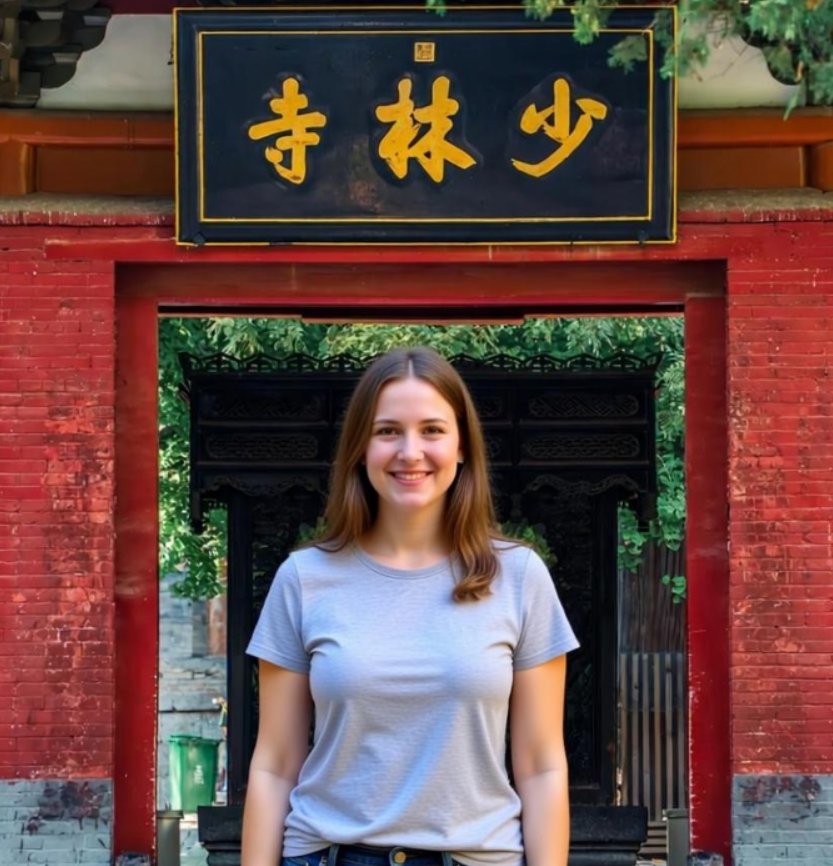
I wandered to the Dharma Cave, where the Indian monk Bodhidharma is said to have meditated for nine years, facing a wall. The cave was simple, cold, and austere. Standing in that silent space, I began to understand. The legendary kung fu was not born from aggression, but from the focused energy cultivated in deep stillness. It was a revelation: the ultimate power derived from absolute quiet.
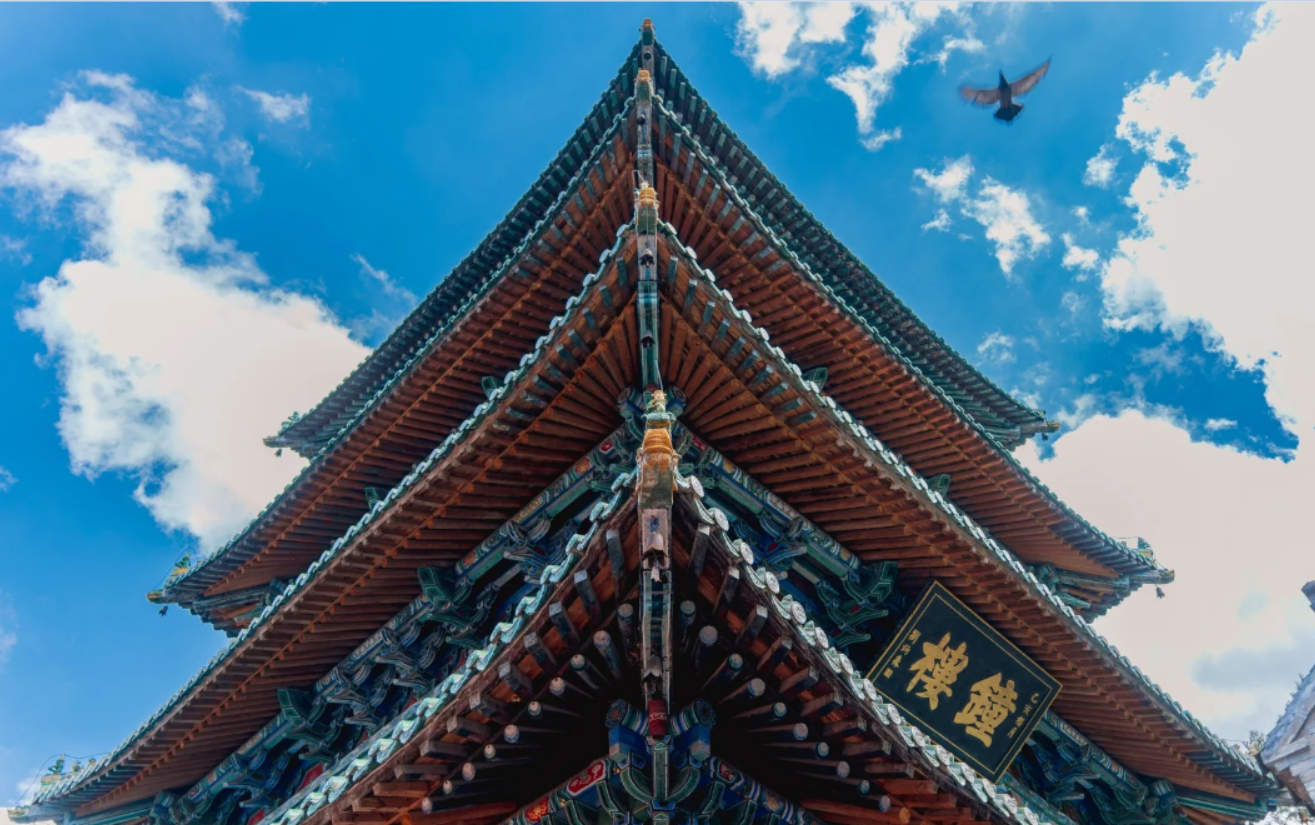
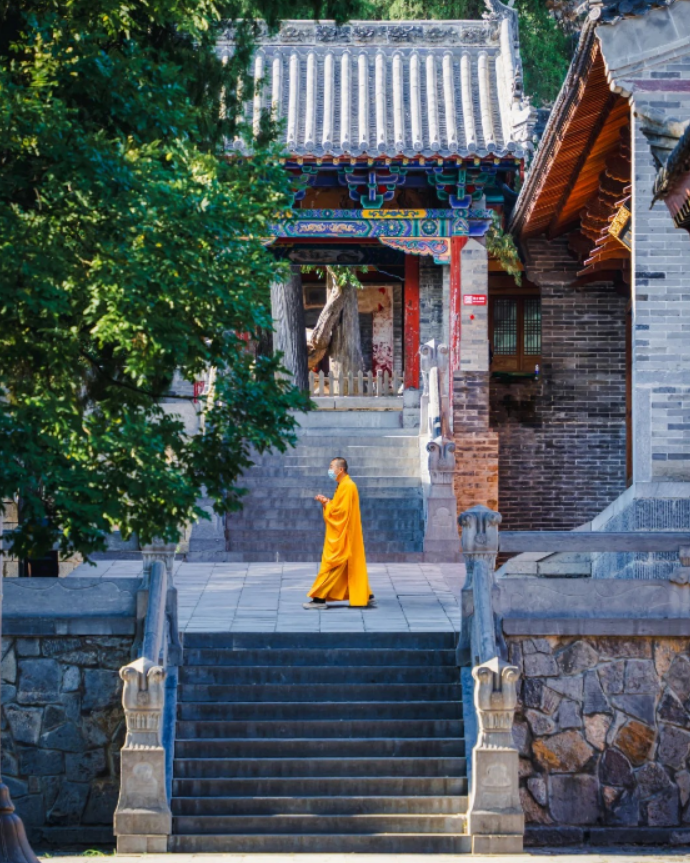
Later, in the Pagoda Forest, a cemetery for esteemed abbots, the lesson deepened. Hundreds of stone pagodas of varying ages and styles rose from the earth like a forest of silent teachers. I sat on a mossy step, watching a single maple leaf spiral down in the perfectly still air. A young monk swept the path with a rustic broom, his movements economical, fluid, a meditation in itself. The famous wu (martial) of Shaolin was everywhere, but it was this wen (cultural, spiritual) essence—the silent pagodas, the rhythmic sweeping, the focused calm—that felt truly formidable.
Of course, I witnessed the physical prowess. The performance by the Shaolin disciples was breathtaking—a symphony of controlled power, agility, and sheer will. Their bodies were like steel whips, their shouts sharp cracks in the air. But watching them, I saw not just fighters, but moving statues of discipline. Their final pose was not one of victory, but of centered calm, hands together in a salute. The performance ended in the same stillness with which it began.
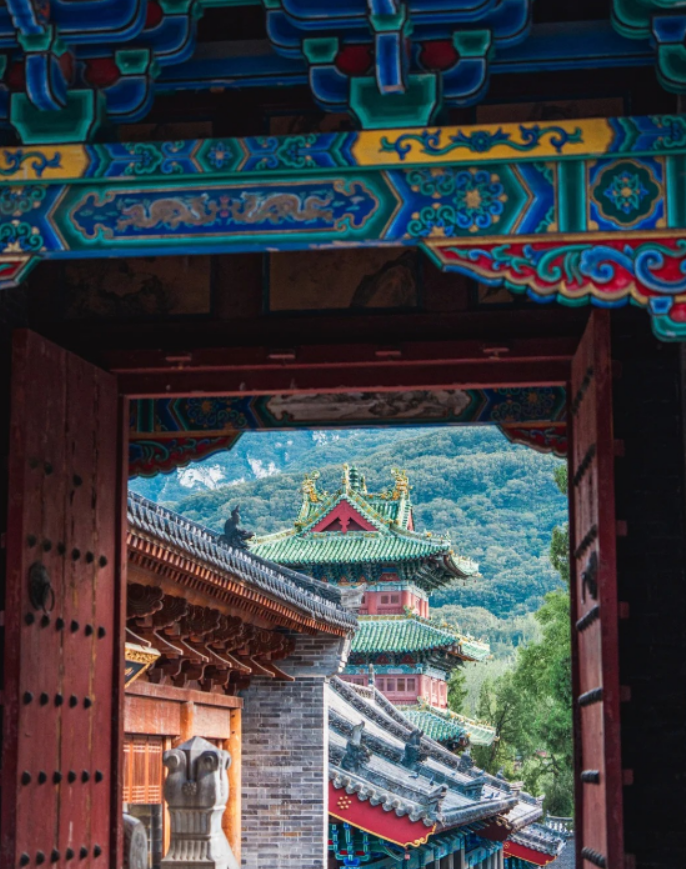
I left Shaolin not with visions of high kicks, but with the memory of that silent leaf falling in the Pagoda Forest. Shaolin's true kung fu is the internal art of quieting the mind. It teaches that the most powerful stance is not a fighting posture, but a seated one, facing your own inner wall. The temple doesn't just train warriors; it forges peace, one breath at a time, in the sacred silence of Mount Song.