Day 1: Entering the Avatar Mountains
I still remember the moment I first stepped into Zhangjiajie National Forest Park. The air, cool and crisp with the scent of damp earth and pine, hit me instantly. It felt like breathing for the first time. Following the classic route, I started at the forest park gate and wandered into Golden Whip Stream (Jinbianxi). The path was flanked by towering sandstone pillars, their tops veiled in a soft morning mist. The only sounds were the cheerful gurgle of the stream and the distant calls of unseen birds. It was pure, serene magic.
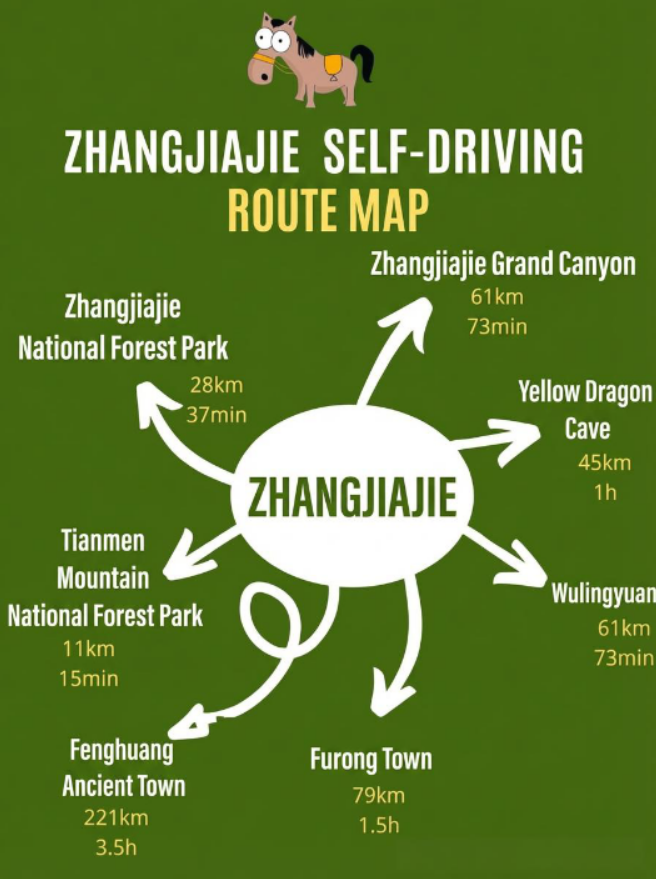
The hike led me to the Bailong Elevator. I’ll be honest, I was skeptical. An elevator in a world heritage site? But the 326-meter vertical ride up the cliff face was nothing short of spectacular. In just minutes, I was transported from a lush valley floor to a breathtaking plateau – Yuanjiajie. This is where I truly understood why they call these the “Avatar Mountains.” The towering quartz-sandstone pillars, like the famed “Hallelujah Mountain,” rose from a sea of clouds. I stood there, feeling utterly small and incredibly lucky.
I spent the night in a guesthouse near Tianzi Mountain. Pro tip from a seasoned walker: Staying on the mountaintop is a game-changer. Waking up to the sunrise painting the sea of peaks in gold and orange, with no crowds in sight, was worth every bit of the planning. My comfortable hiking boots were my best friends – a non-negotiable must for these winding stone paths.

Day 2: Peaks, Pathways, and Local Wisdom
The second day was for exploring. I navigated the intricate trails connecting Tianzi Mountain and Yangjiajie. The views were wildly different – expansive, panoramic vistas that made my heart soar. Later, I took the gentle walk through Ten-Mile Gallery (Shili Huagang), where the peaks told stories in their shapes.
I must share a piece of crucial advice I learned: The trails here are a complex web. It’s easy to underestimate walking times and take wrong turns. I was fortunate to have chatted with a local guide, A Shan Ge, online before my trip. His tips saved me hours of potential backtracking. He embodies the local spirit – knowledgeable and eager to share the stories behind every strange rock and hidden valley. If you’re not a confident navigator, seeking local guidance is the smartest way to unlock Zhangjiajie’s secrets without the stress.
Day 3: The Skywalk and The Gateway to Heaven
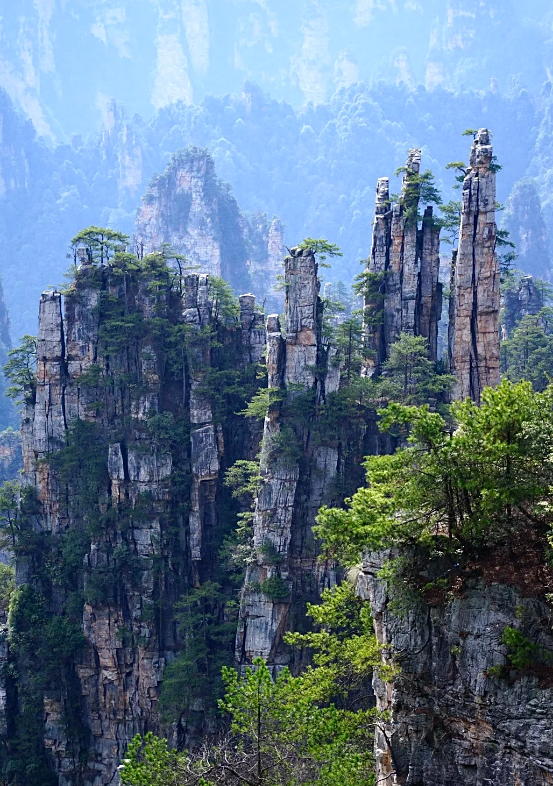
Today, I ventured to Zhangjiajie Grand Canyon Glass Bridge. Walking across the transparent floor, 300 meters above the canyon floor, was a unique thrill. The view of the green abyss below was simultaneously terrifying and magnificent. The hike down into the canyon itself was a journey into a cooler, quieter world of waterfalls and serene boat ride on Shenquan Lake.
In the afternoon, I tackled Tianmen Mountain (a separate ticket, remember!). I took the Cable Car (A-line route) – one of the longest in the world. The ascent was a slow, dramatic reveal of the landscape. Up top, I walked the Glass Walkway clinging to the cliff’s edge, my knees a little weak but my spirit soaring. Then, I saw it – the Tianmen Cave, the legendary “Gateway to Heaven,” a natural arch piercing the mountain face. The sight of the 99-Bend Road snaking up from the valley below was a man-made wonder rivaling the natural ones.
A Final Whisper from Your Travel Companion
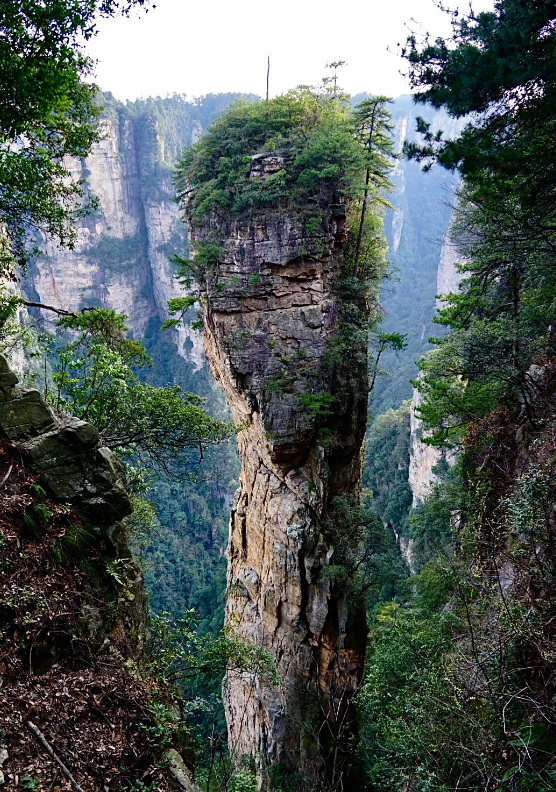
Zhangjiajie isn’t a place you simply *see*; it’s a place you *feel*. You feel the mist on your face at Yuanjiajie, the ache in your legs after a day of hiking, the quiet awe standing before ancient geological giants. Each season dresses it differently: the fresh green of spring, the vibrant escape of summer, the clear, crisp air of autumn, and the silent, magical snow of winter.
So pack your best shoes, an open heart, and a sense of wonder. Let the mountains tell you their stories. And maybe, just maybe, you’ll find your own story woven among the clouds and peaks, just as I did.
Useful Notes from My Journey:
- Ticket Strategy: The National Forest Park ticket is valid for 4 days. Tianmen Mountain requires a separate ticket (book A/B line in advance!).
- Movement: Free eco-buses connect spots inside the National Park. The Bailong Elevator and cable cars are worth the fee for the experience and saved time.
- Pace: My 3-day route covered the classics. To truly wander and absorb it all, you could easily spend a week here.
Ready to write your own diary? The mountains are waiting.