The ferry ride to Weizhou Island was choppy, but the excitement of visiting China’s largest volcanic island kept me focused on the horizon. As the island came into view—its green hills rising from the blue sea, white sandy beaches stretching along the coastline—I knew I was in for something special. Weizhou Island is not your typical tourist hotspot; it’s a place where time slows down, where the pace of life is dictated by the rise and fall of the tide, and where the natural beauty is unspoiled by overdevelopment.
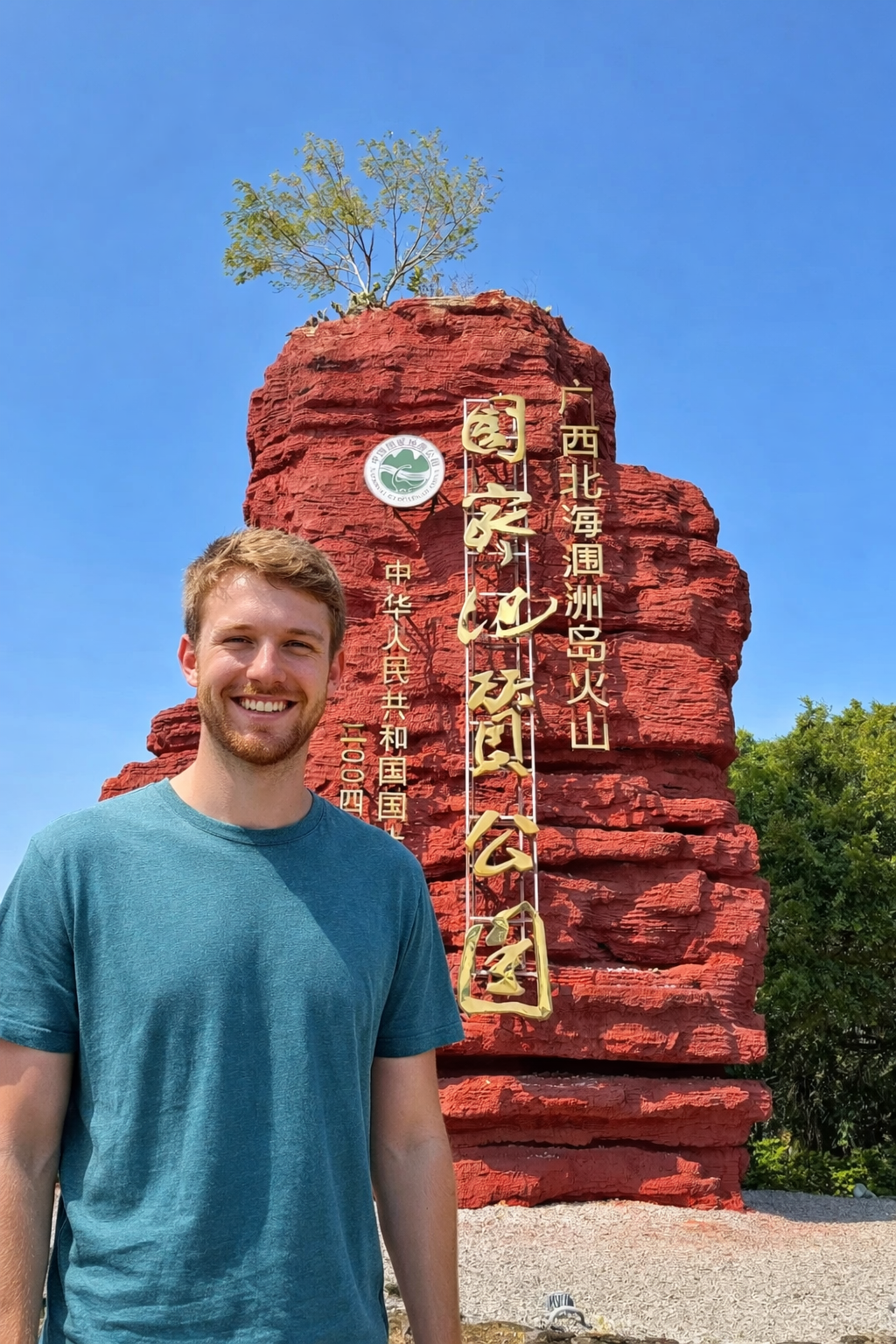
I checked into a small guesthouse in the fishing village of Nanwan, run by a local couple who greeted me with warm smiles and a cup of freshly brewed coconut juice. “Forget your plans,” the husband said. “On Weizhou, you just go with the flow.” His words turned out to be the best advice I could have received. My first morning on the island, I woke up at 5 a.m. and walked to Shell Beach, where I watched the sun rise over the sea. The sky turned from deep purple to bright orange, casting a golden glow on the waves that gently lapped at the shore. The beach was empty except for a few local fishermen, who were launching their small boats to start their day’s work. I sat on a smooth rock, listening to the sound of the waves and the distant calls of the fishermen, and felt a sense of calm that I hadn’t experienced in years.
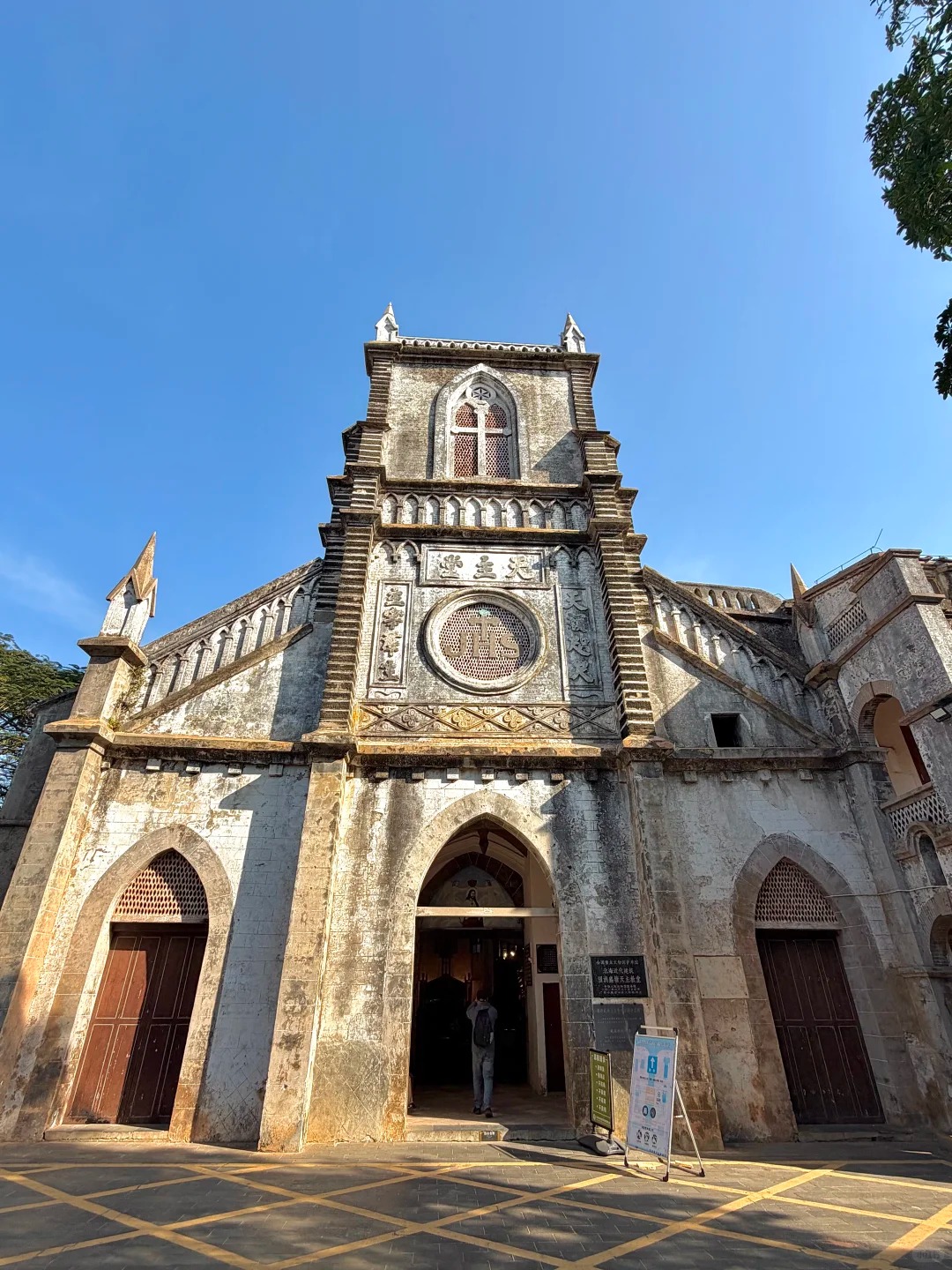
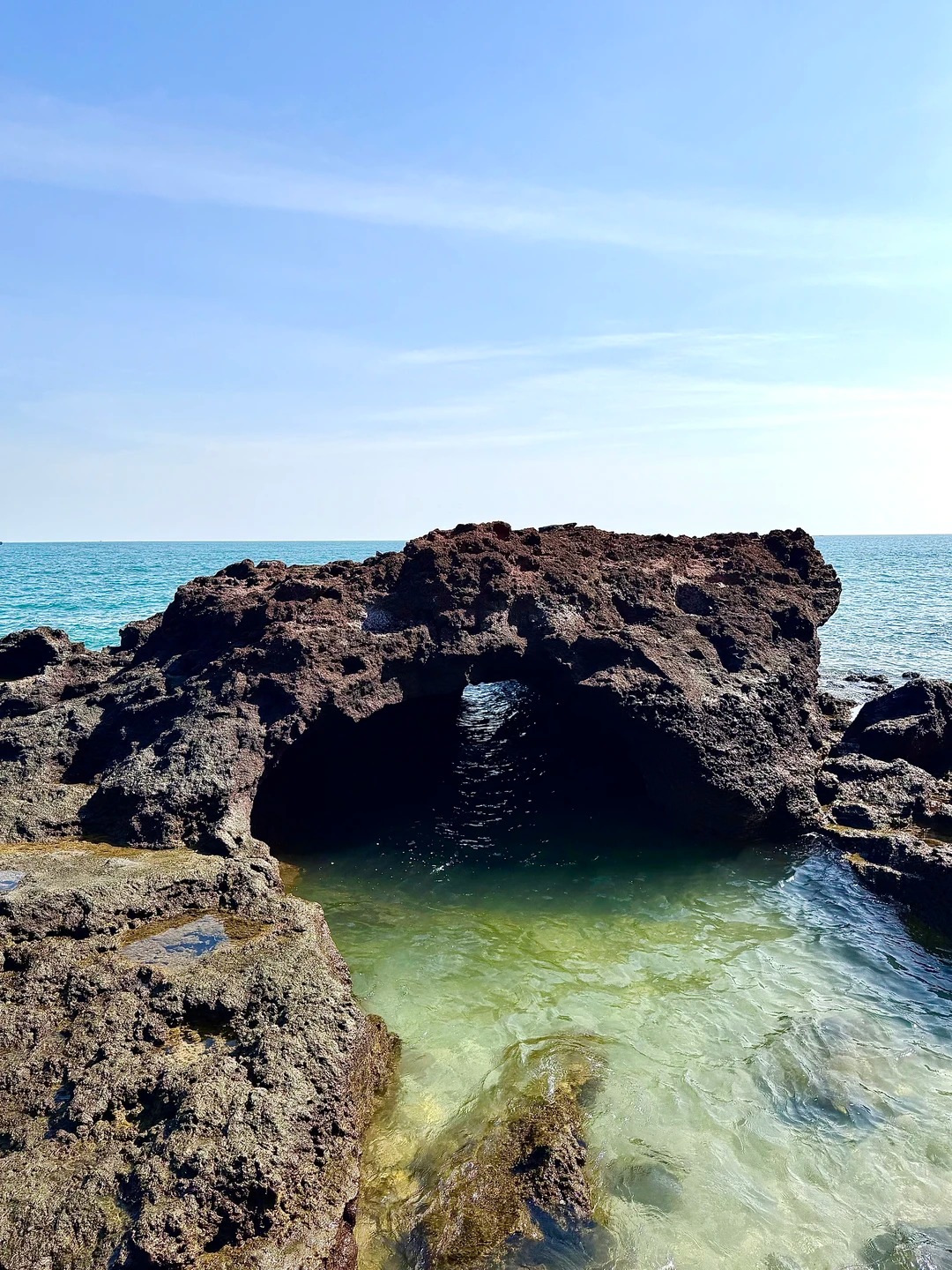
After breakfast—fresh seafood congee and fried squid balls from a nearby stall—I rented an electric scooter, the best way to get around the island. The roads on Weizhou are narrow and winding, lined with coconut trees and bougainvillea that bloom in vibrant shades of pink and purple. As I rode, I passed by small farms where locals grew pineapples and bananas, and by traditional stone houses with red tile roofs, a signature of Weizhou’s architecture. My first stop was the Weizhou Island Volcanic Geopark, where I explored the volcanic craters and lava flows that shaped the island millions of years ago. The rocks here are black and jagged, a stark contrast to the white sand and blue sea nearby. I climbed to the top of the crater and looked out at the island below—a patchwork of green fields, blue sea, and small villages. It was a breathtaking view, a reminder of the earth’s raw power and beauty.
By midday, the sun was hot, so I headed to Shiluo Port to cool off. This is the most popular beach on the island, known for its crystal-clear water and soft sand. I spent the afternoon swimming in the sea, building sandcastles (like a kid again), and chatting with a group of local teenagers who were playing beach volleyball. They taught me some local dialect phrases and told me about their favorite spots on the island—hidden coves where you can pick up seashells, and small seafood restaurants where the fish is so fresh it’s caught that morning.
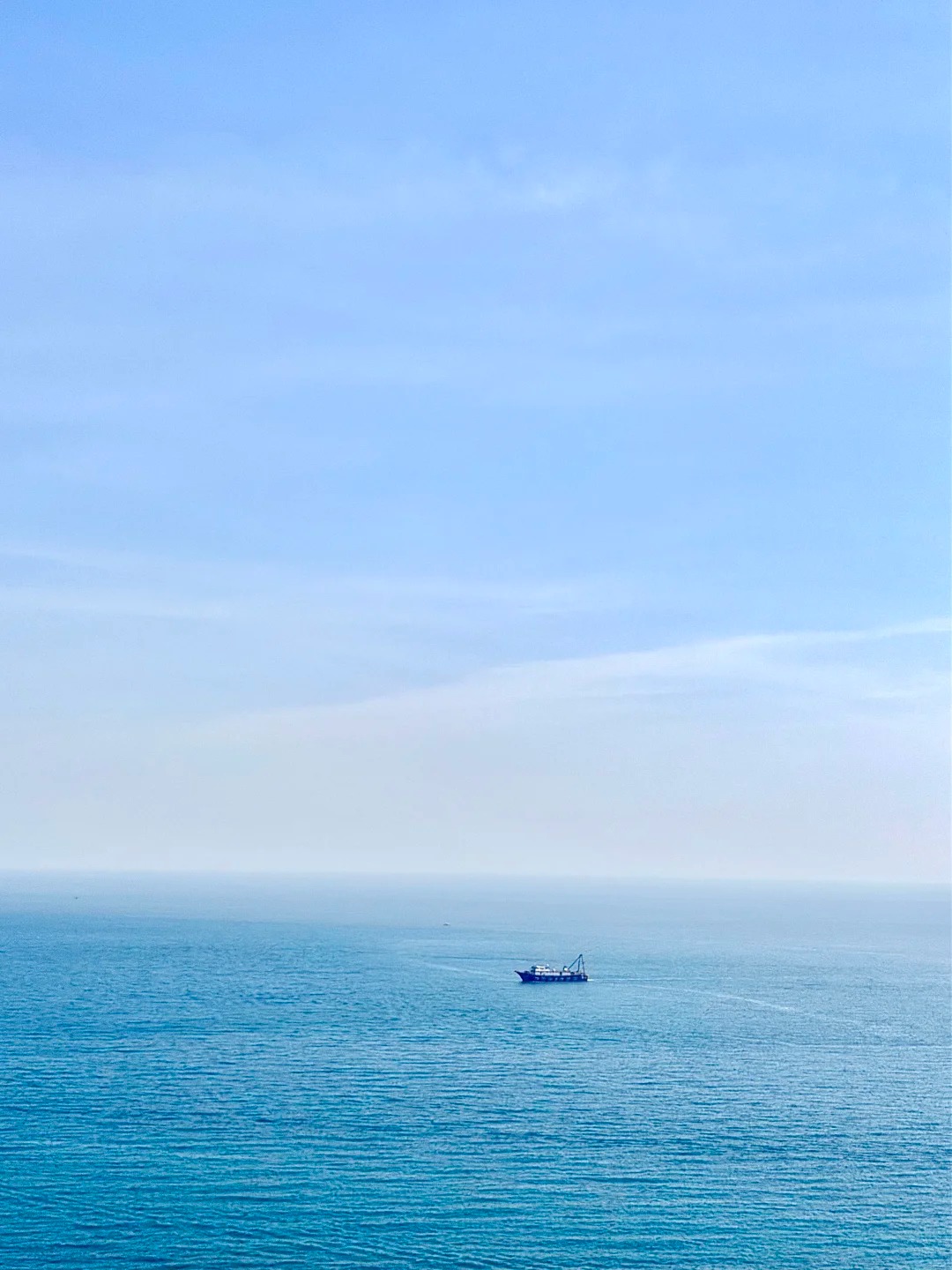
For dinner, I followed their recommendation to a tiny restaurant in the fishing village. The owner, a middle-aged woman named Auntie Li, cooked me a feast of steamed fish, stir-fried clams, and seaweed soup. “All the seafood here is caught this morning,” she said proudly. “No frozen stuff, no imports. Just straight from the sea to your plate.” She was right—the fish was tender and flavorful, the clams sweet and juicy. After dinner, I walked along the harbor, where the fishing boats were docked, their lights twinkling in the water. Locals were sitting on the docks, chatting and drinking beer, while children ran around chasing fireflies. It was a scene of pure, unadulterated joy, a glimpse into the simple life of the islanders.
On my last day on Weizhou, I visited the Chengyin Temple, a beautiful Buddhist temple located on a hill overlooking the sea. The temple is surrounded by lush greenery, and the sound of prayer bells echoes through the air. I sat in the temple courtyard for a while, watching the monks meditate and the wind blow through the palm trees. Before leaving, I bought a string of prayer beads from the temple shop, a souvenir to remind me of my time on the island.
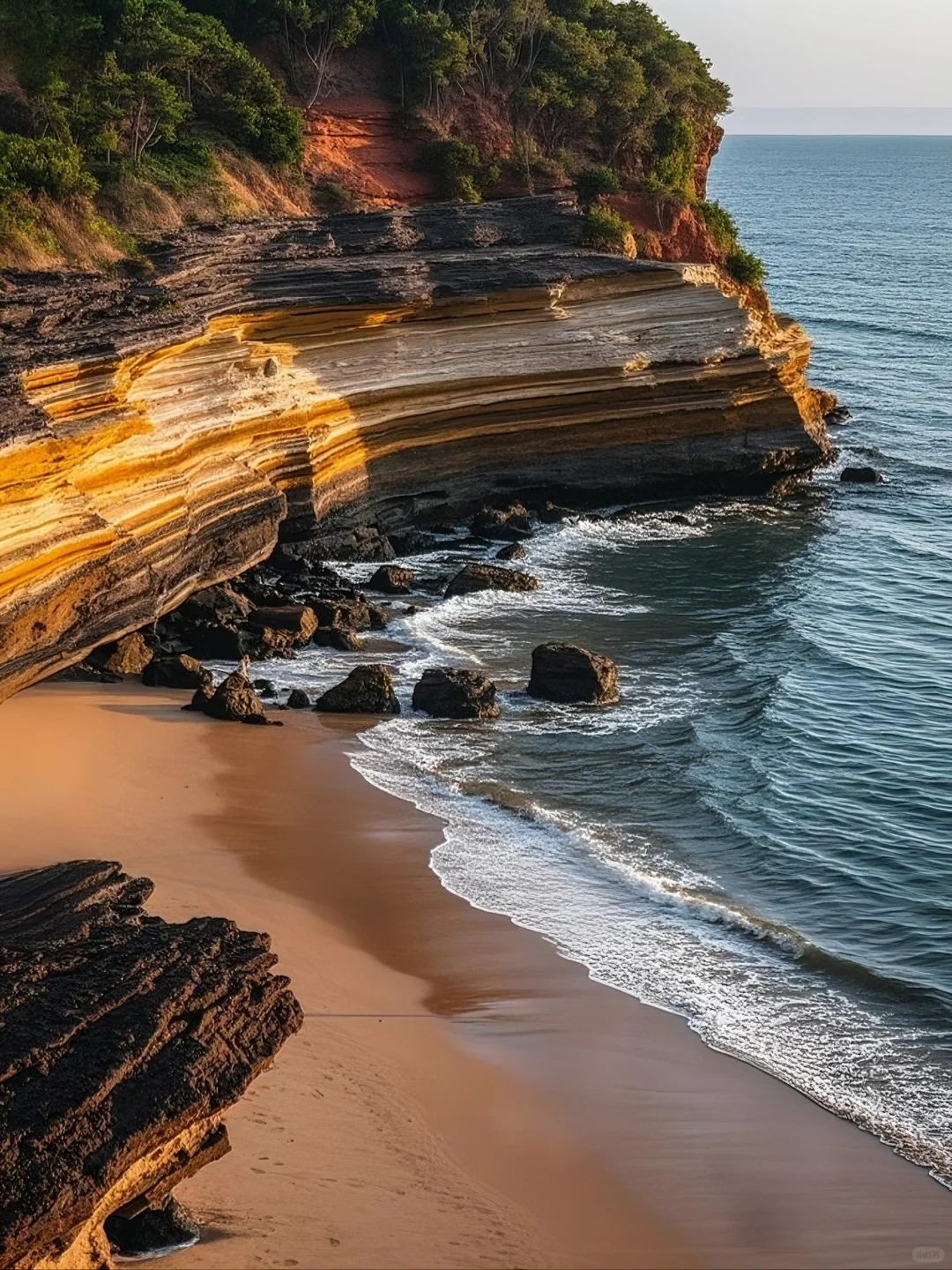
As the ferry pulled away from Weizhou Island, I looked back at the green hills and white beaches, feeling a sense of sadness at leaving. Weizhou is more than just an island; it’s a state of mind—a place where you can forget about the stresses of everyday life and reconnect with nature and yourself. Whether you’re looking to relax on the beach, explore volcanic landscapes, or immerse yourself in local culture, Weizhou Island has something for everyone. It’s a hidden gem in the South China Sea, and one that I will definitely return to.