The first thing I noticed about Jiuhua Mountain Scenic Area was the quiet. Not the empty quiet of a desert, but a soft, reverent quiet—like everyone who visits knows to lower their voice, out of respect for the mountain and its spiritual history. It was a misty morning, and the air smelled of incense and damp earth. As I walked toward the entrance, I passed a group of pilgrims in gray robes, their hands clasped, heading toward the temple. I fell into step behind them, letting their slow, steady pace guide me.
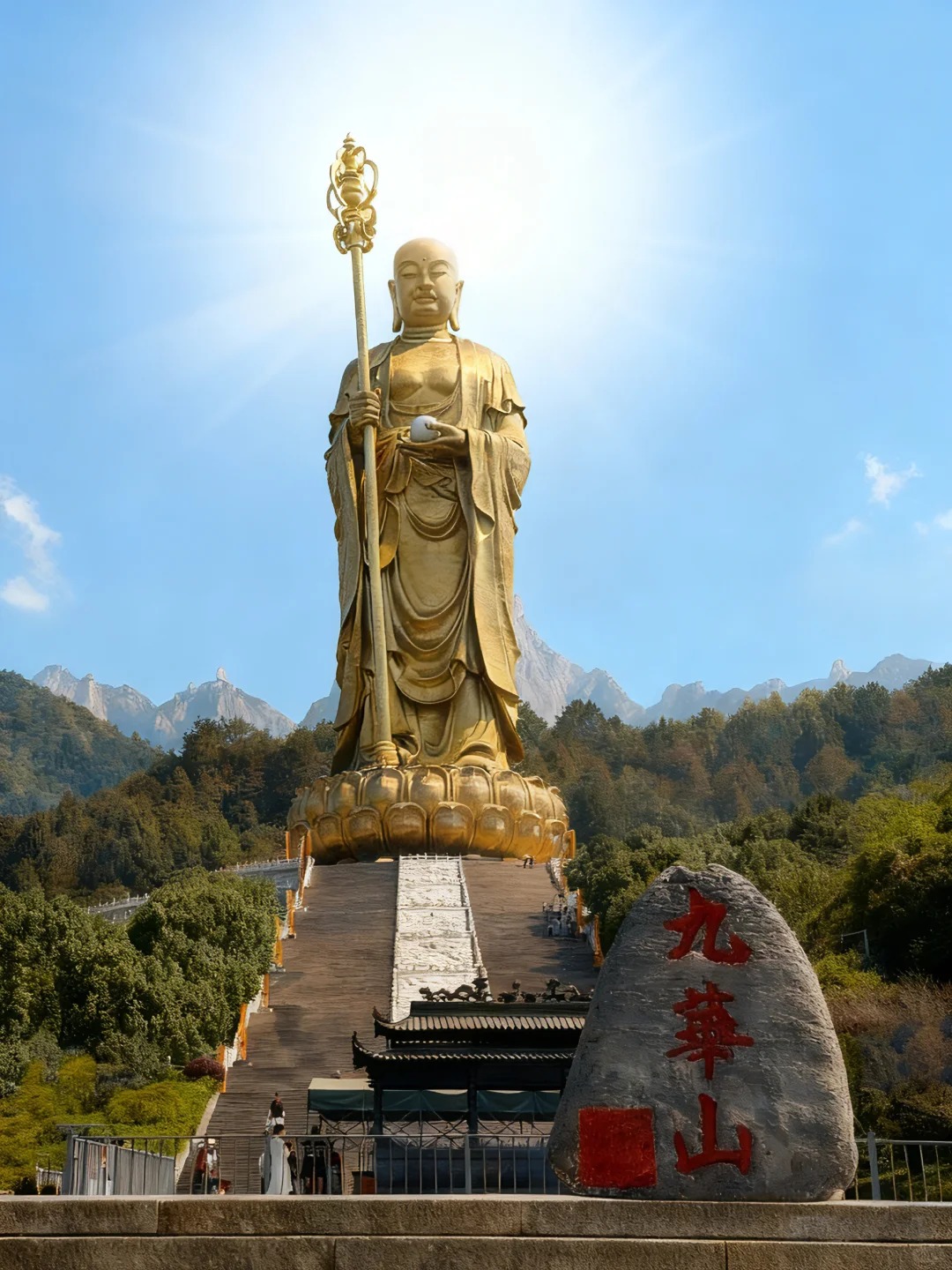
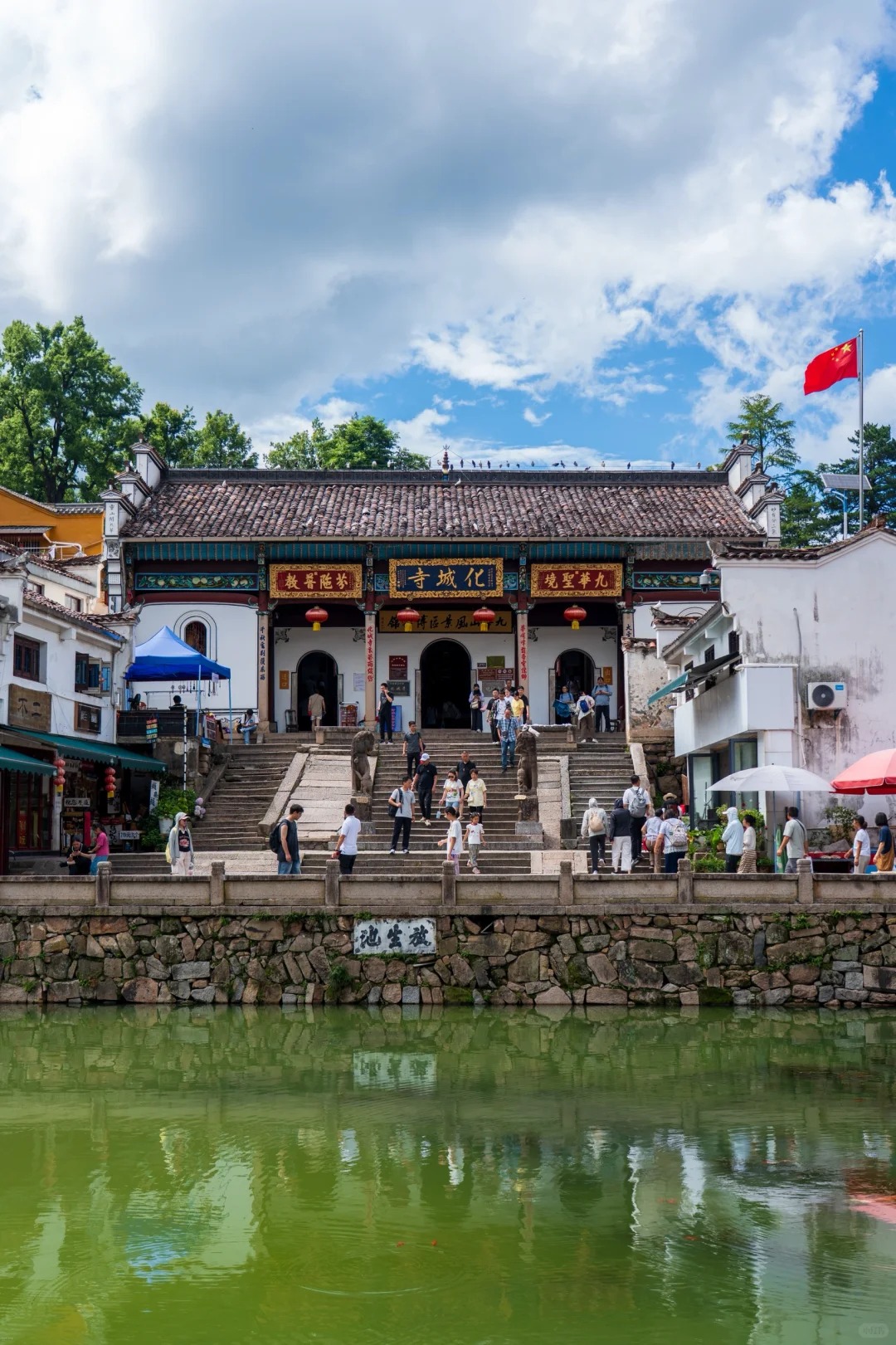
Jiuhua Mountain is one of China’s four great Buddhist mountains, and it feels sacred from the moment you arrive. Located in Chizhou City, Anhui Province, the scenic area spans over 120 square kilometers, with 99 peaks rising like lotus buds from the mist. My first stop was Ksitigarbha Temple, dedicated to Ksitigarbha Bodhisattva, who Buddhists believe saves sentient beings from hell. The temple’s red walls and golden roof glowed through the mist, and as I stepped inside, the sound of monks chanting washed over me—low, rhythmic, and calming. The main hall houses a 12-meter-tall statue of Ksitigarbha, his face serene, his hands holding a staff and a pearl. Pilgrims knelt in front of the statue, offering incense and whispering prayers, and I joined them, lighting a stick of incense and closing my eyes. For a moment, all the noise in my head disappeared.
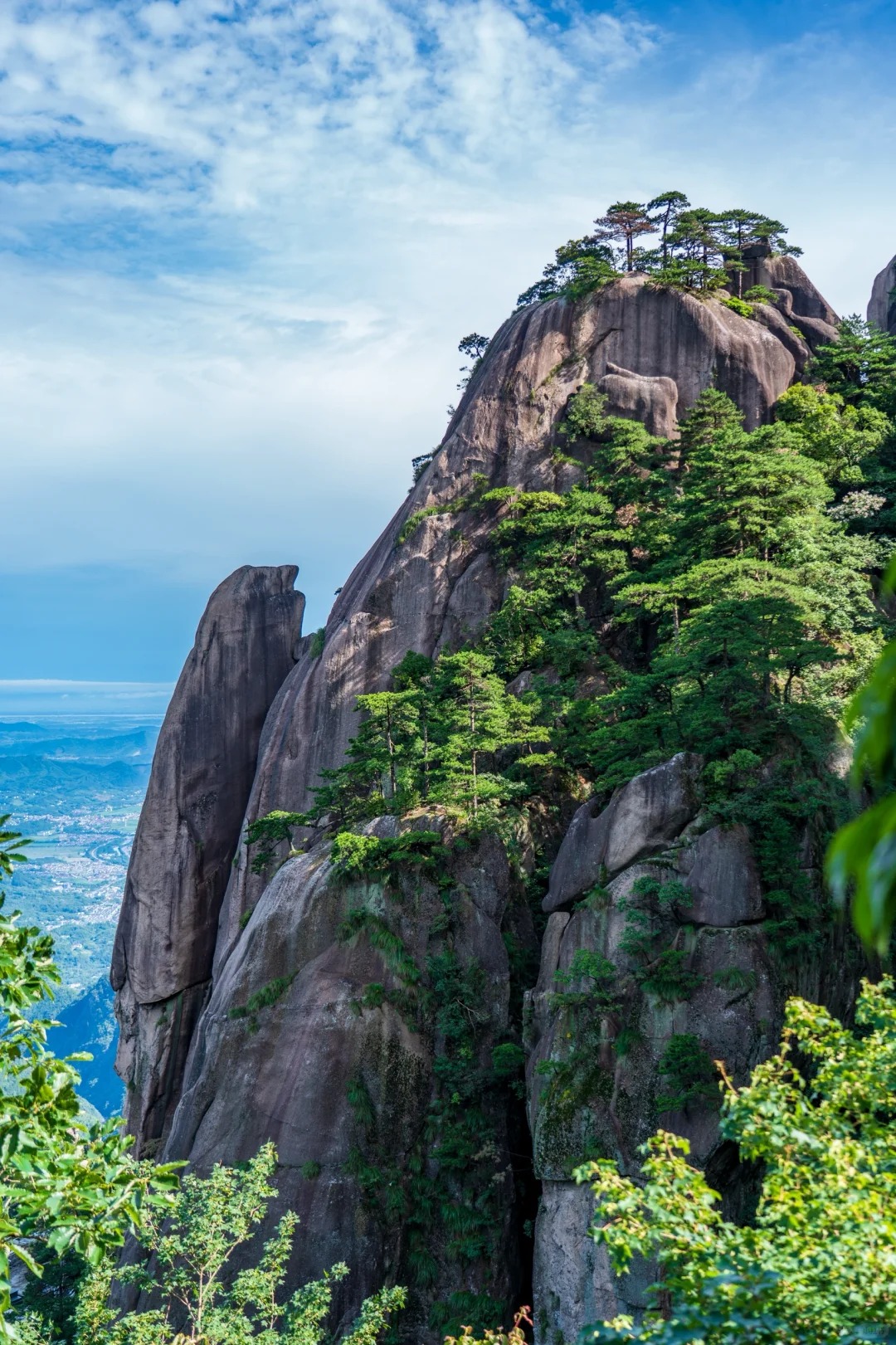
After the temple, I set off on a hiking trail that wound through a forest of pine and bamboo. The trail was soft with pine needles, and the only sounds were the wind in the trees and the distant gurgle of a stream. Every now and then, I passed a small shrine, its stone surface worn smooth by the hands of pilgrims. At one point, the trail opened up to a viewpoint, and I stopped to catch my breath. Below me, the mist rolled through the valley, turning the peaks into islands. A woman from Taiwan stood next to me, and we talked about why we’d come to Jiuhua. “My grandmother told me this mountain answers prayers,” she said. “I’m here to pray for her health.” I told her I’d come to find peace, and she nodded. “You’ll find it here,” she said.
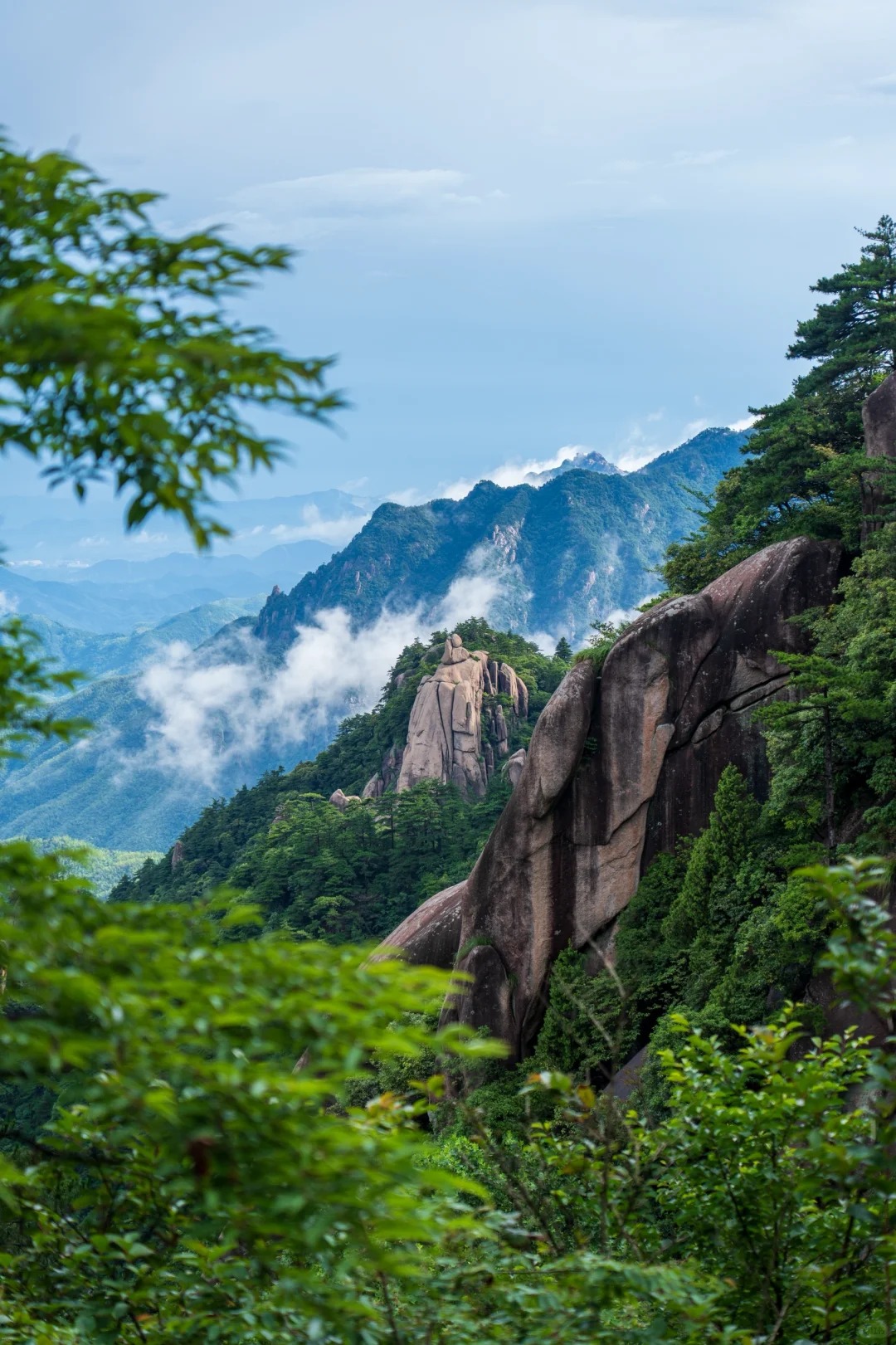
Heavenly Capital Peak was my next goal, and the climb was steeper than I expected. The stone steps were narrow in places, and I had to hold onto the handrail to keep my balance. But the views got better with every step. When I reached the top, I collapsed onto a rock and looked out. The mist had lifted a little, and I could see the entire scenic area—temples tucked into valleys, trails winding up mountains, forests stretching as far as the eye could see. A group of young monks were sitting on the peak, meditating, and I didn’t want to disturb them, so I sat quietly a few meters away. After a while, one of them opened his eyes and smiled at me. “Beautiful, isn’t it?” he said. I nodded. “Very beautiful.”
The dawn Buddhist ceremony at Fahua Temple was the highlight of my trip. I woke up at 4:30 a.m., still tired from the hike, but determined not to miss it. The temple was lit by lanterns, and the monks were already gathered in the courtyard, their orange robes glowing in the dim light. They chanted in unison, their voices echoing off the mountain walls, and I sat on a stone bench at the back, closing my eyes and letting the sound wash over me. It was a powerful experience—there’s something about the rhythm of the chants, the smell of incense, and the quiet of the dawn that makes you feel connected to something bigger than yourself. When the ceremony ended, the sun was rising, painting the sky pink, and the monks bowed to each other and to the temple. I bowed too, grateful for the moment.
Jiuhua’s natural beauty isn’t just in its peaks—it’s in its small, quiet spots too. I found Dragon Pool by accident, a clear lake at the foot of the mountain, its water so clear I could see the fish swimming near the bottom. The lake was surrounded by willow trees, their branches dipping into the water, and there were a few stone benches where visitors could sit and relax. I spent an hour there, watching the fish and listening to the birds, and felt my shoulders relax. A local man fishing nearby told me that the water from Dragon Pool is said to be holy. “Drink a little,” he said, handing me a cup. “It will bring you good luck.” I took a sip—it was cold and fresh, with a hint of sweetness.
The food at Jiuhua is mostly vegetarian, and it’s some of the best vegetarian food I’ve ever had. At a small restaurant near Ksitigarbha Temple, I had braised tofu with mushrooms—soft tofu soaked in a rich, savory sauce, with mushrooms that tasted like they’d just been picked from the forest. The owner, a former nun, told me that all the dishes are made with ingredients from the mountain. “We don’t use any chemicals,” she said. “Just what the mountain gives us.” I also tried Jiuhua rice cakes, sweet and chewy, served with a drizzle of honey. They were the perfect snack after a long hike.
I spent an afternoon talking to a monk at Huacheng Pavilion, a beautiful wooden pavilion on a cliff. He told me about Jiuhua’s history—how it became a Buddhist sacred place during the Tang Dynasty, how monks have lived and meditated here for over a thousand years. “This mountain teaches us to let go,” he said. “To stop chasing what we can’t have, and to be grateful for what we do.” We sat in silence for a while, watching the mist roll through the valley. His words made me think about my own life—all the things I worry about, all the things I want—and for a moment, they felt small.
When I left Jiuhua Mountain Scenic Area, I felt lighter, as if a weight had been lifted from my shoulders. The mountain’s quiet, its beauty, and the kindness of the people I met had changed me. Jiuhua isn’t just a scenic area; it’s a place of healing. Whether you’re a Buddhist pilgrim, a nature lover, or just someone looking for a break from the chaos of life, Jiuhua will welcome you with open arms. And when you leave, you’ll take a little piece of its peace with you.