If Shanghai is a double espresso, Chaozhou is a cup of Kung Fu tea: small, potent, and meant to be refilled until you lose track of time.
I arrived in Chaozhou with a deadline in my head and a watch on my wrist. By the second hour, I had forgotten the deadline. By the third, I took off the watch. This ancient city doesn't demand your attention; it seduces it, slowly, one sip at a time.
The Ritual of the Leaf
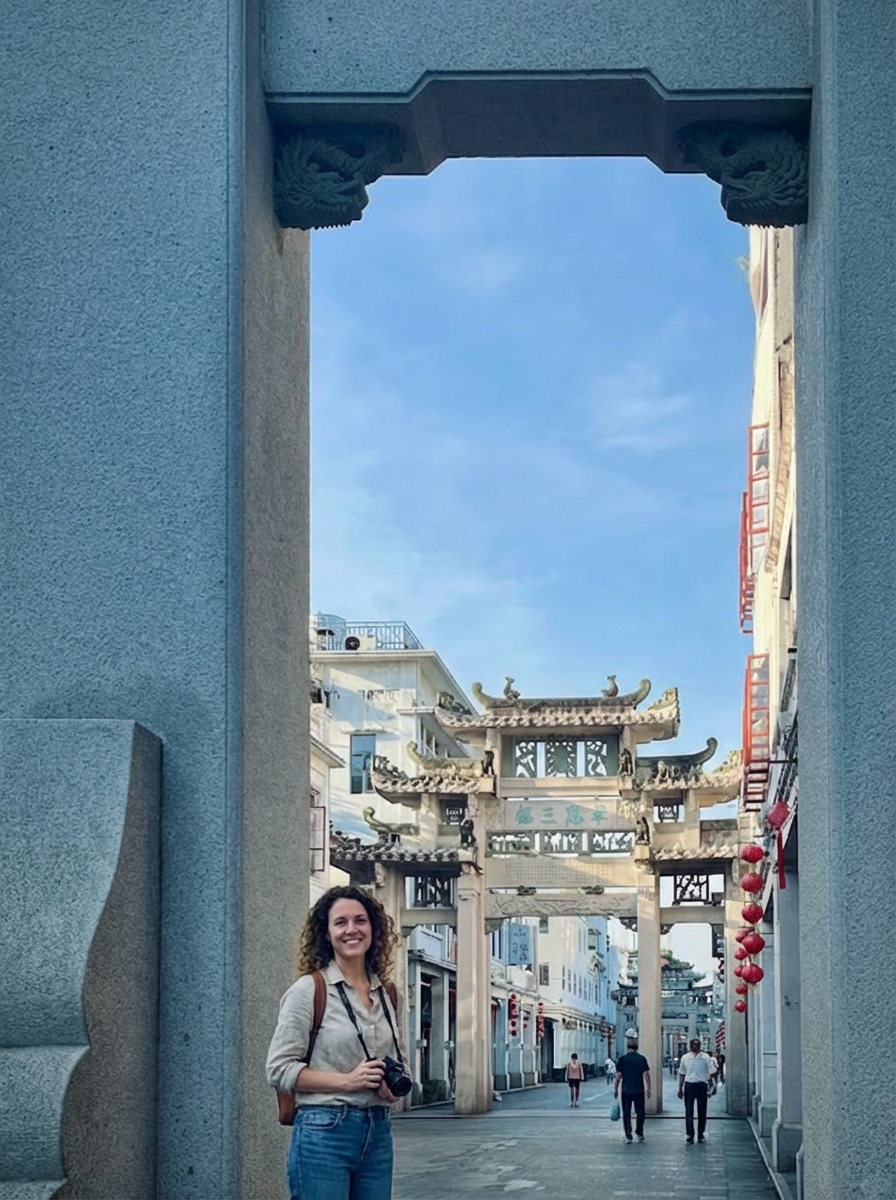
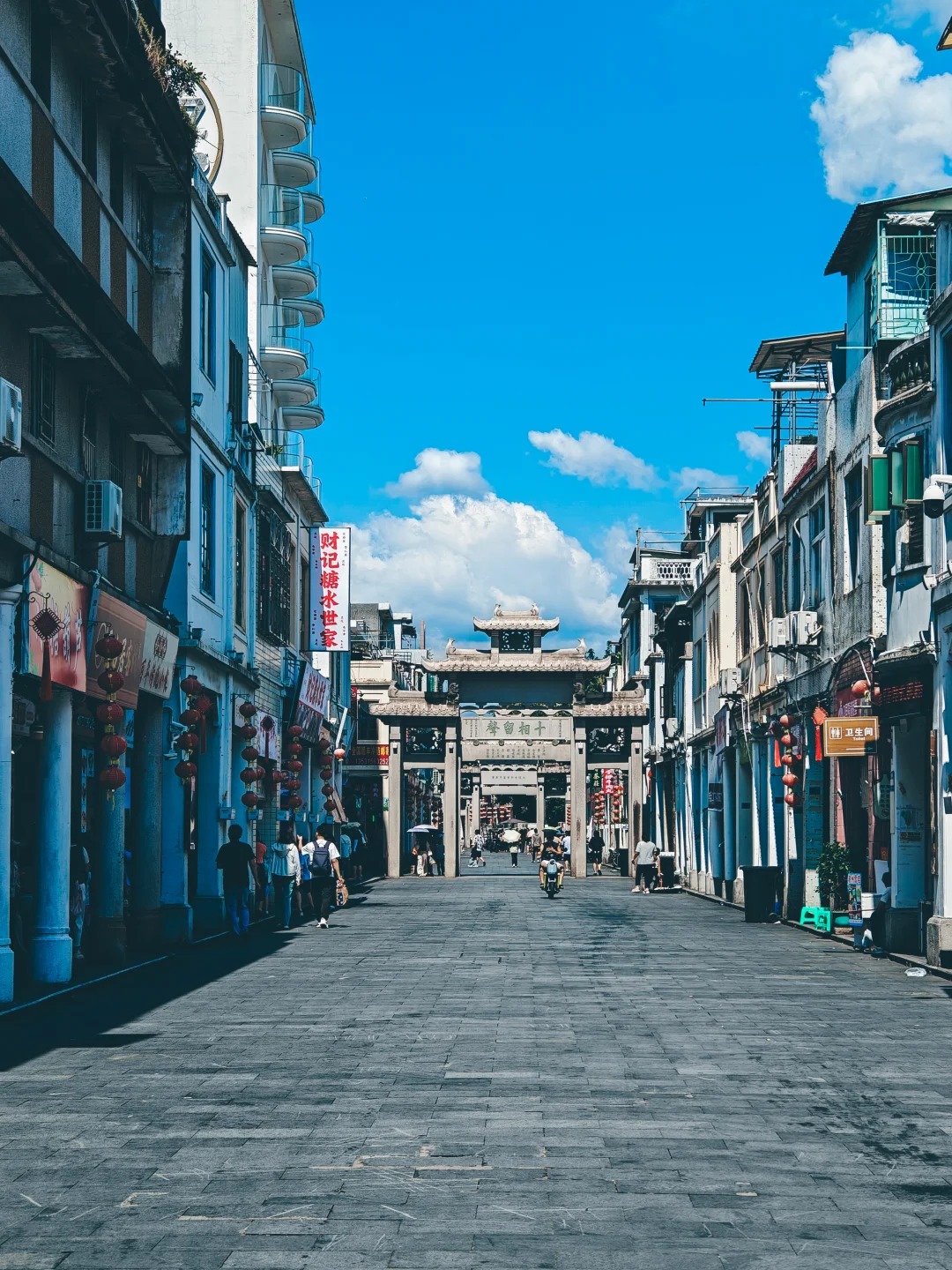
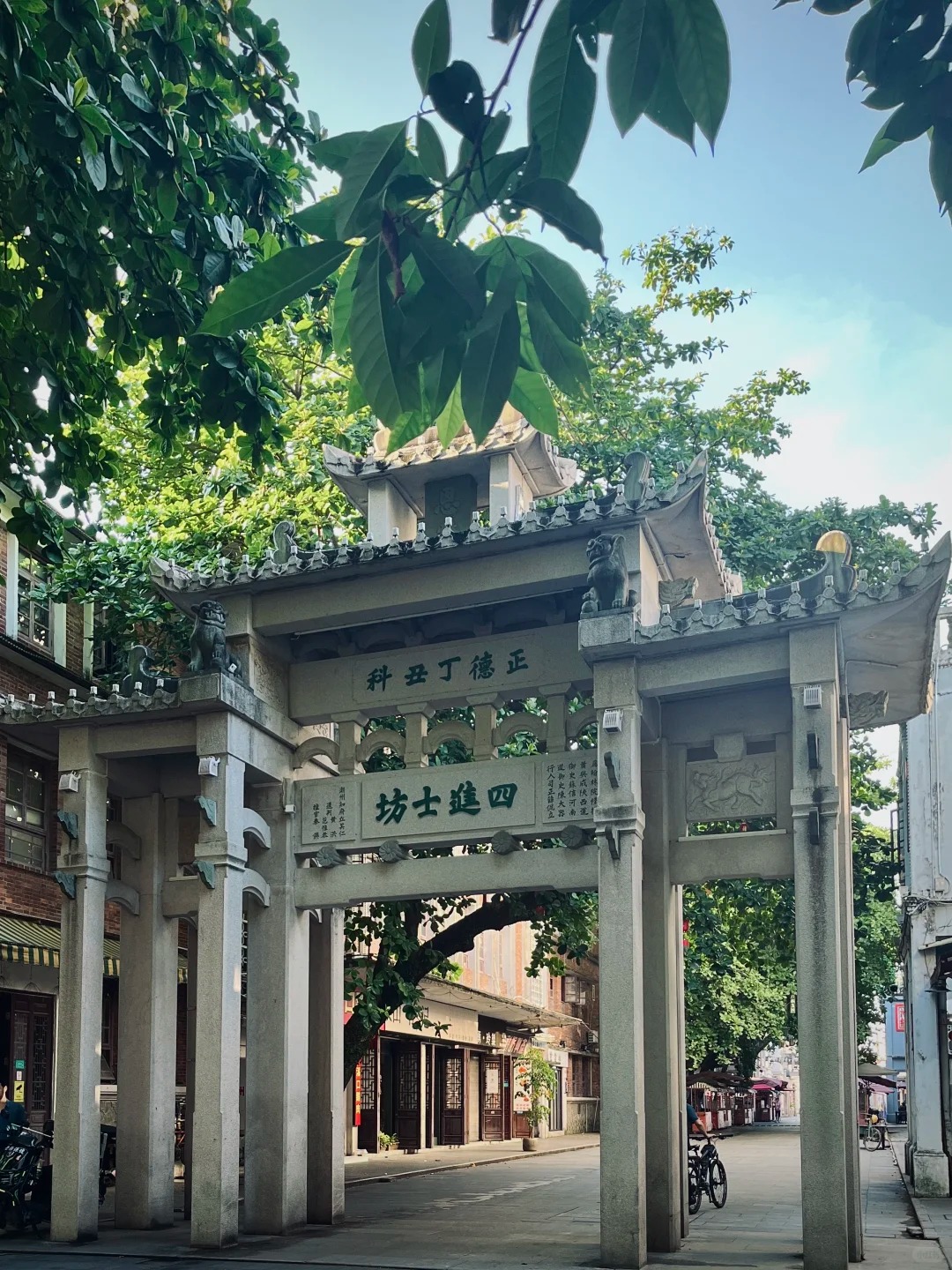
I wandered into Paifang Street, a corridor of stone arches that felt like walking through a history book. But I didn't stop for the architecture. I stopped for the smell. The air was thick with the scent of roasted tea leaves—honey, orchid, and charcoal.
I ducked into a small shop that looked more like a living room. An old man sat behind a root-carved table. He didn't ask if I wanted to buy anything. He just pointed to a tiny stool.
"Sit," he said. "Drink."
This was Kung Fu Tea. It’s not a drink here; it’s a religion. I watched his hands move. He rinsed the tiny porcelain cups with boiling water—clink, clink, clink. He packed the Dancong tea leaves into the pot until it was overflowing. He poured the water from high up, creating a froth.
He handed me a cup the size of a walnut.
"Three sips," he instructed. "Not one. Three."
I took the first sip. Bitter. My tongue curled.
I took the second. The bitterness faded, replaced by a floral sweetness.
I took the third. The flavor exploded, coating my throat in a lingering fragrance that lasted for minutes.
We sat there for two hours. We talked about the weather, about his grandson in Shenzhen, about the right way to roast a duck. I bought nothing. He charged me nothing. In Chaozhou, tea is just how you say hello.
The Bridge That Breathes
In the late afternoon, I walked to the Han River to see the Guangji Bridge.
I’ve seen bridges all over the world. London Bridge, Golden Gate, Brooklyn. But none of them move like this. The Guangji Bridge is a hybrid: two stone sections reaching out from the banks, connected in the middle by a string of wooden boats.
I arrived just as the "bridge breaking" ceremony was starting. To let the cargo ships pass, they disconnect the boats. I watched as workers used long poles to leverage the boats apart. It was a mechanical ballet, ancient and rhythmic. The bridge literally opened its mouth.
I walked onto the stone section. The pavilions on the bridge are masterpieces of wood carving. I ran my fingers over a carving of a lobster—it was so detailed I expected it to twitch. The river flowed swiftly below, dark and purposeful. Standing there, on a structure that has been built, destroyed, and rebuilt for 800 years, I felt the resilience of this city.
The Beef Religion
But you cannot talk about Chaozhou without talking about the beef.
Dinner was at a noisy, open-air hotpot restaurant. The floor was slippery with grease. The fluorescent lights were harsh. It was perfect.
I ordered the beef feast. The waiter brought out plates of meat that were works of art. The beef was sliced so thin it was translucent. But the key is the timing.
"Eight seconds," the waiter warned me, pointing his chopstick at my pot. "No more."
I dipped a slice of Diao Long (rib-eye) into the boiling bone broth. One, two, three… I counted in my head. Eight. I pulled it out, dipped it in the satay sauce, and put it in my mouth.
It didn't require chewing. It dissolved. It was savory, milky, and tender beyond belief. Then came the beef balls—bouncy, firm, exploding with juice when I bit into them. I ate until I couldn't move. I washed it all down with, you guessed it, more tea.
The Night Stroll
Walking back to my hostel, the city was glowing. The lights on the Guangji Tower reflected in the river. I heard the sound of Chaozhou opera coming from a park—high-pitched, intricate, and haunting.
Chaozhou isn't a city you visit to "see sights." It’s a city you visit to remember how to live. You eat well. You drink slowly. You respect the wood and the stone.
I touched my pocket. My watch was still there. I decided to leave it in my bag for tomorrow, too.