There is a kind of silence that only exists at extreme altitudes. It’s not merely the absence of noise, but a heavy, tangible presence that wraps itself around you, pressing against your eardrums, reminding you that you are a guest in a place where humans were never meant to live permanently. This is the silence of the Pamir Plateau. For years, I had seen the pictures—snow-capped peaks piercing the blue sky, yaks grazing on emerald green slopes—but nothing could have prepared me for the sheer, overwhelming scale of reality when I finally set foot on the “Roof of the World.”

My journey began in Kashgar, a city that pulses with the energy of a thousand caravans. But as I climbed into my hired off-road vehicle and pointed the tires southwest, the chaos of the city began to peel away. We were taking the China-Pakistan Karakoram Highway, often dubbed the Eighth Wonder of the World. I’ve driven on many roads in China, from the vertiginous cliffs of Guizhou to the snaking mountain passes of Sichuan, but this road felt different. It felt like a scar on the face of the planet, a testament to human defiance against nature.
The first hours were a blur of geological violence. The Gez River Gorge opened up before us, a jagged wound in the earth with walls of red and brown rock that seemed to lean over the car, threatening to crush us. It was dramatic, dry, and hot. But I knew what was coming. I knew the landscape was about to undergo a violent transformation.
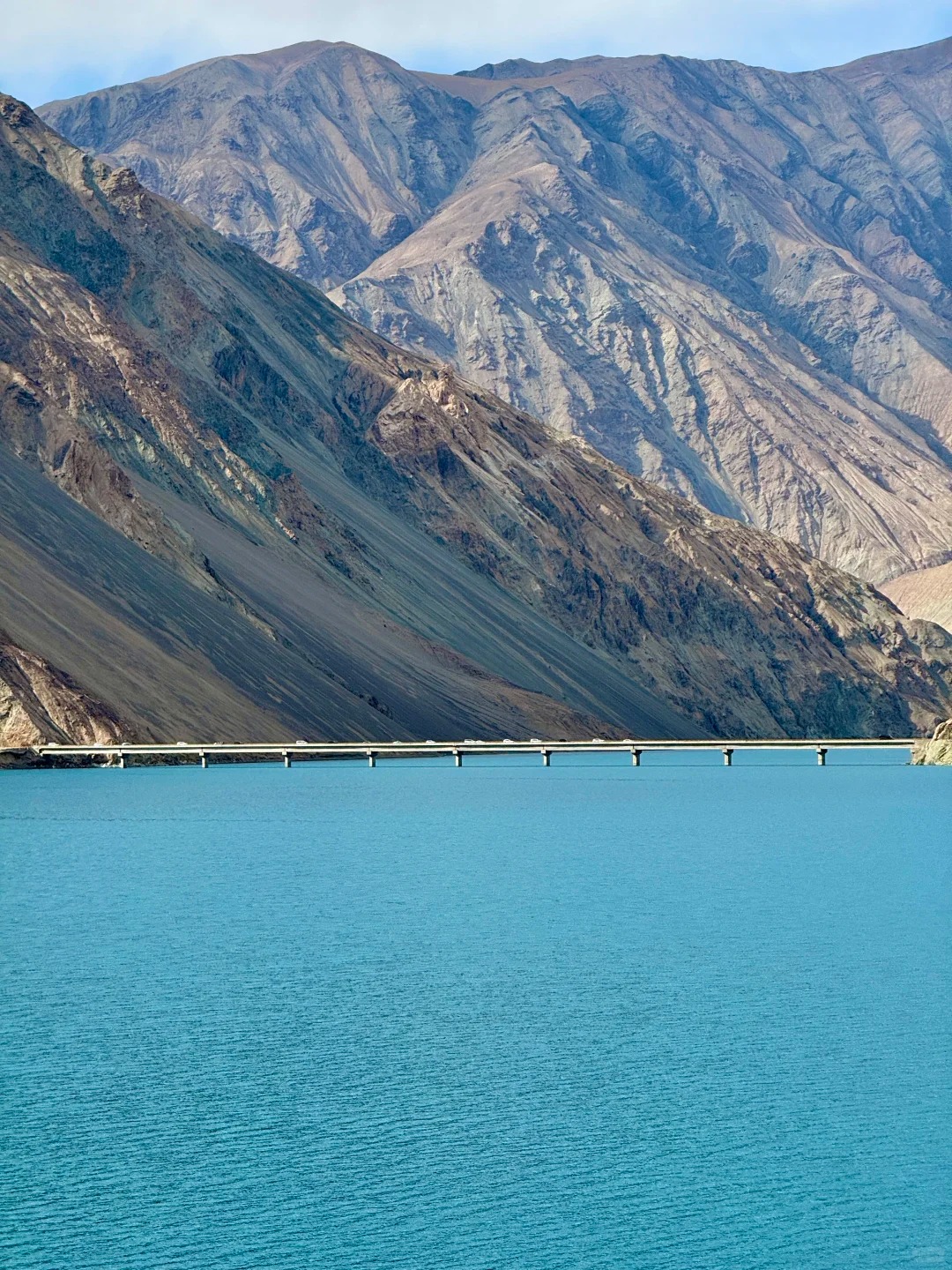
As we climbed higher, crossing the Checkpost, the air grew thin. I could feel the change in my lungs—a slight tightness, a need to breathe deeper. The driver, a burly Uighur man named Ahat who had spent his life on these roads, handed me a bottle of oxygen just in case, but I refused it at first. I wanted to feel the plateau, unfiltered. I wanted the rawness of the experience.
Then, the landscape turned white. We had entered the realm of the snow-capped giants. The road wound around the base of Muztagh Ata, the “Father of Ice Mountains.” I remember staring out the window, my neck craning back, trying to find the summit. At 7,546 meters, it didn’t just look like a mountain; it looked like a wall of ice separating the earth from the heavens. The sunlight bouncing off the glacier was blindingly bright, forcing me to squint behind my sunglasses. It was a cold, piercing light that seemed to illuminate every grain of dust on the dashboard.
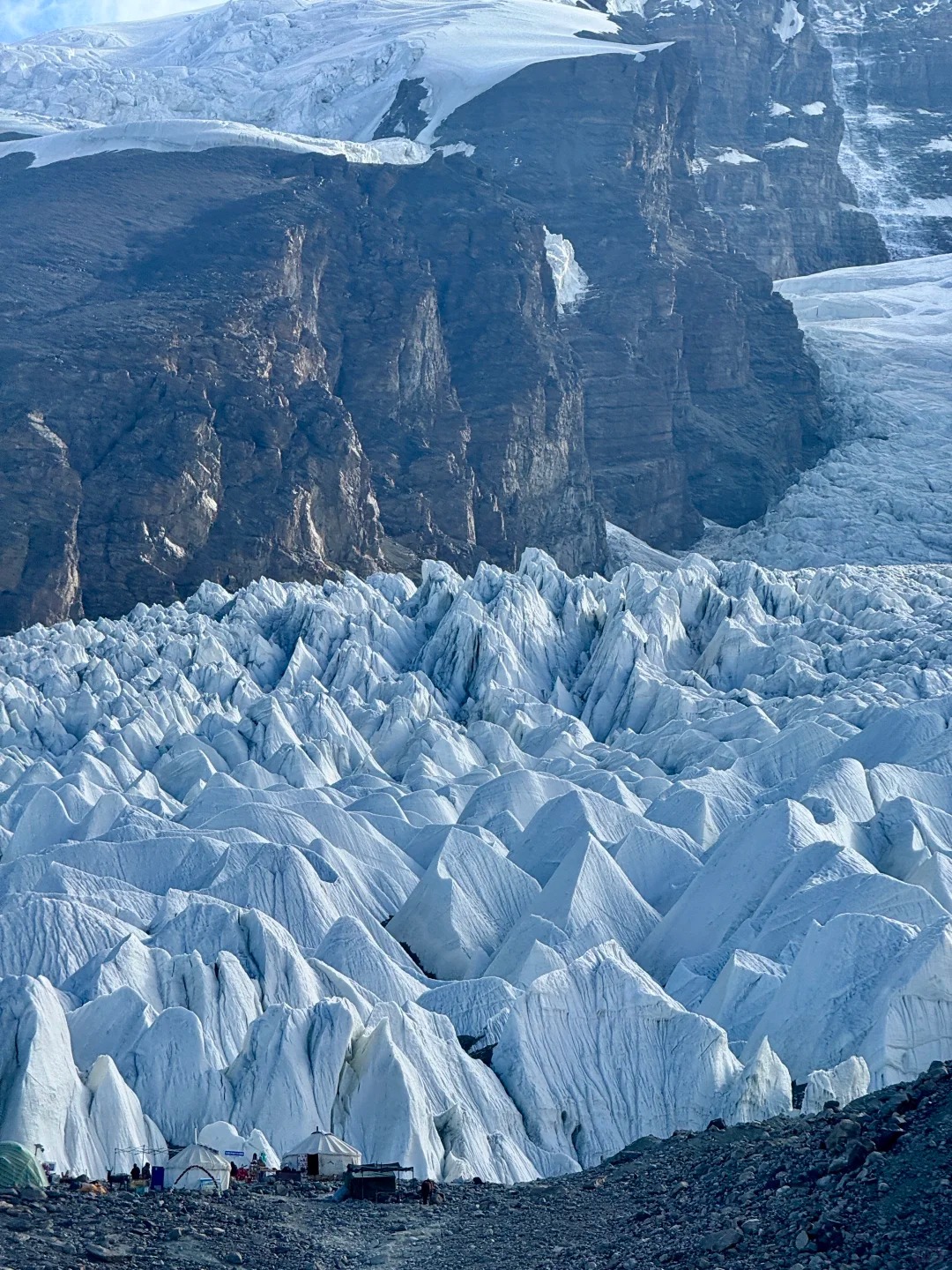
We stopped at Karakul Lake. This is the moment that is etched into my memory more than any other. The lake sits at 3,600 meters, a deep, dark blue mirror reflecting the colossal peak of Kongur Tagh. I stepped out of the car. The wind hit me instantly—not a gentle breeze, but a physical force that whipped my clothes and stung my cheeks. It was freezing, yet I didn’t rush back to the warmth of the car. I stood there, paralyzed by the beauty.
The water of Karakul is unlike anything I’ve seen. In the sunlight, it shifts from cobalt to indigo to a milky turquoise. It is a restless, moody body of water. On the distant shore, I saw a few Kyrgyz yurts scattered like pebbles. Smoke rose from their chimneys, curling vertically into the still air. I walked towards one, my boots crunching on the gravel. A Kyrgyz herder invited me inside for tea. The interior was a sanctuary of warmth, filled with the smell of burning yak dung and fresh milk. We didn’t share a language, but we shared the tea, sweet and salty, and the universal language of smiles. Inside that tent, with the wind howling outside, I felt a connection to the ancient nomads who have traversed this plateau for millennia.
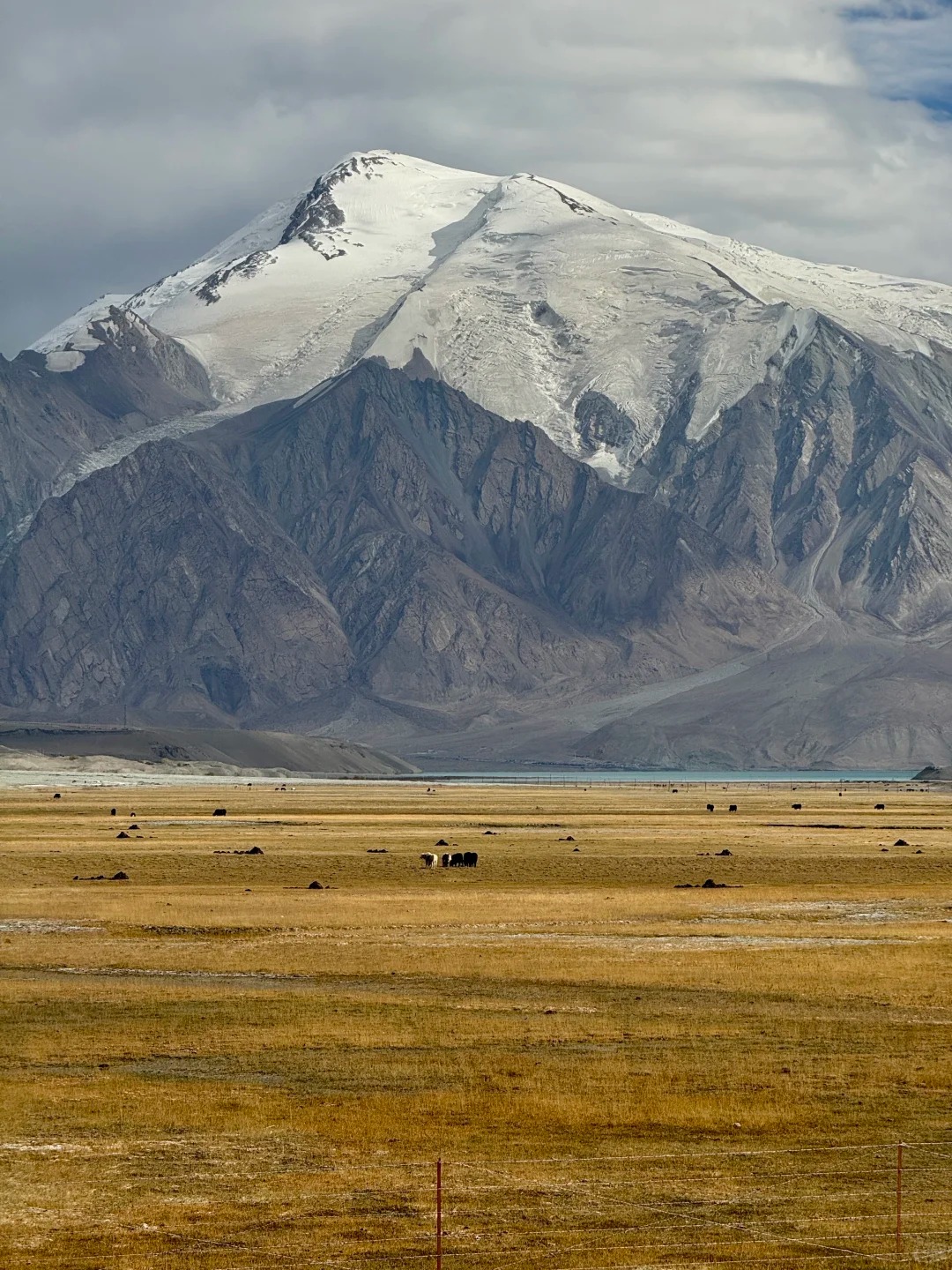
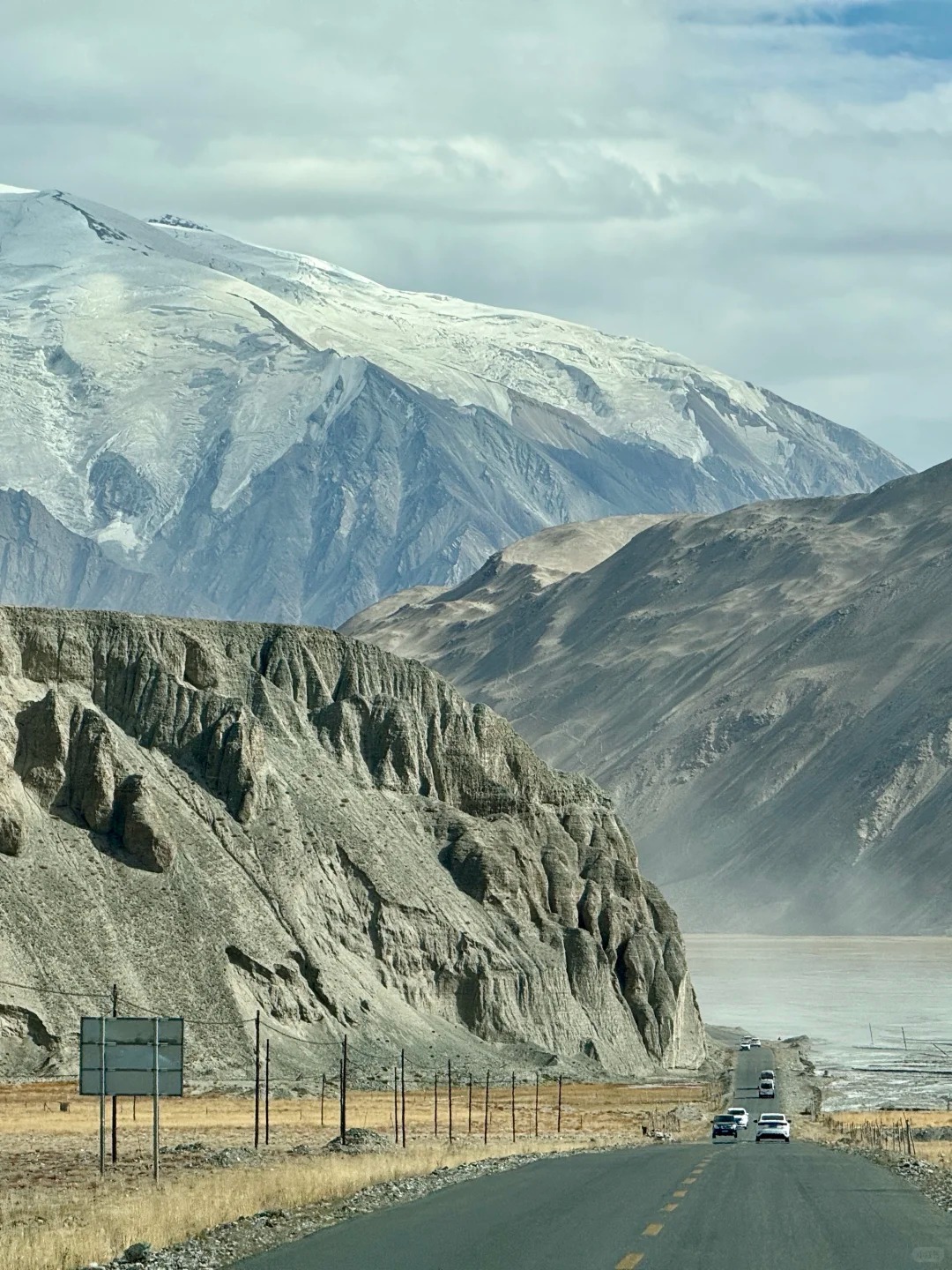
Leaving the lake, we pushed on towards Taxkorgan, the last major town before the border. The road became the “Sky Road,” a ribbon of asphalt threading through high-altitude deserts where nothing grows but sparse, hardy grass. Here, the isolation really sets in. Your phone signal dies. The radio turns to static. You are truly alone with the mountains.
Taxkorgan sits in a wide, green valley, a splash of color against the austere grey mountains. It was late afternoon when we arrived. The light here at this altitude has a strange quality; it feels closer, sharper. The shadows are longer, darker. I visited the Stone City ruins, the ancient fortress that once guarded the Silk Road. Walking among the crumbled walls, looking out over the golden grasslands where snow-fed rivers weave silver ribbons, I felt a profound sense of melancholy. This was once a thriving center of the world. Now, only the wind remains, whistling through the crevices of the ruins.
But the highlight of Taxkorgan was the people. The Tajik community here is distinct, with their colorful felt hats and bright dresses. I was lucky enough to stumble upon a wedding celebration. The music was rhythmic and piercing, played on eagle-bone flutes and hand drums. The Eagle Dance is not just a performance; it is a reenactment of the hunter’s relationship with the majestic bird. Watching the men mimic the movements of the eagle, arms wide, swooping and soaring, I realized that their culture is inextricably linked to this harsh environment. They don’t just survive here; they celebrate it.
That night, I slept in a guesthouse in Taxkorgan. The altitude was over 4,000 meters. Sleep is elusive at the Roof of the World. I woke up at 3 AM, gasping for air, a common symptom of the “altitude jitters.” I pulled on my coat and walked outside.
The sky was not black. It was a deep, velvety purple, alive with stars. There was no light pollution here. The Milky Way was a bruised purple and white slash across the heavens, so bright it looked like you could reach up and stir it with a finger. The silence of the night was absolute, broken only by the distant barking of a dog. Standing there, shivering under the canopy of the universe, I felt incredibly small. In our modern lives, we get used to thinking we are the masters of our domain. But on the Pamir Plateau, nature is the master, and we are merely fleeting visitors.
The drive back to Kashgar the next day felt different. I had crossed a threshold. I had seen the edge of the world. We passed the White Sand Lake again, but this time the wind had picked up, whipping the white sand from the dunes into the blue water, creating a surreal, misty landscape where the elements of earth, water, and air were violently colliding.
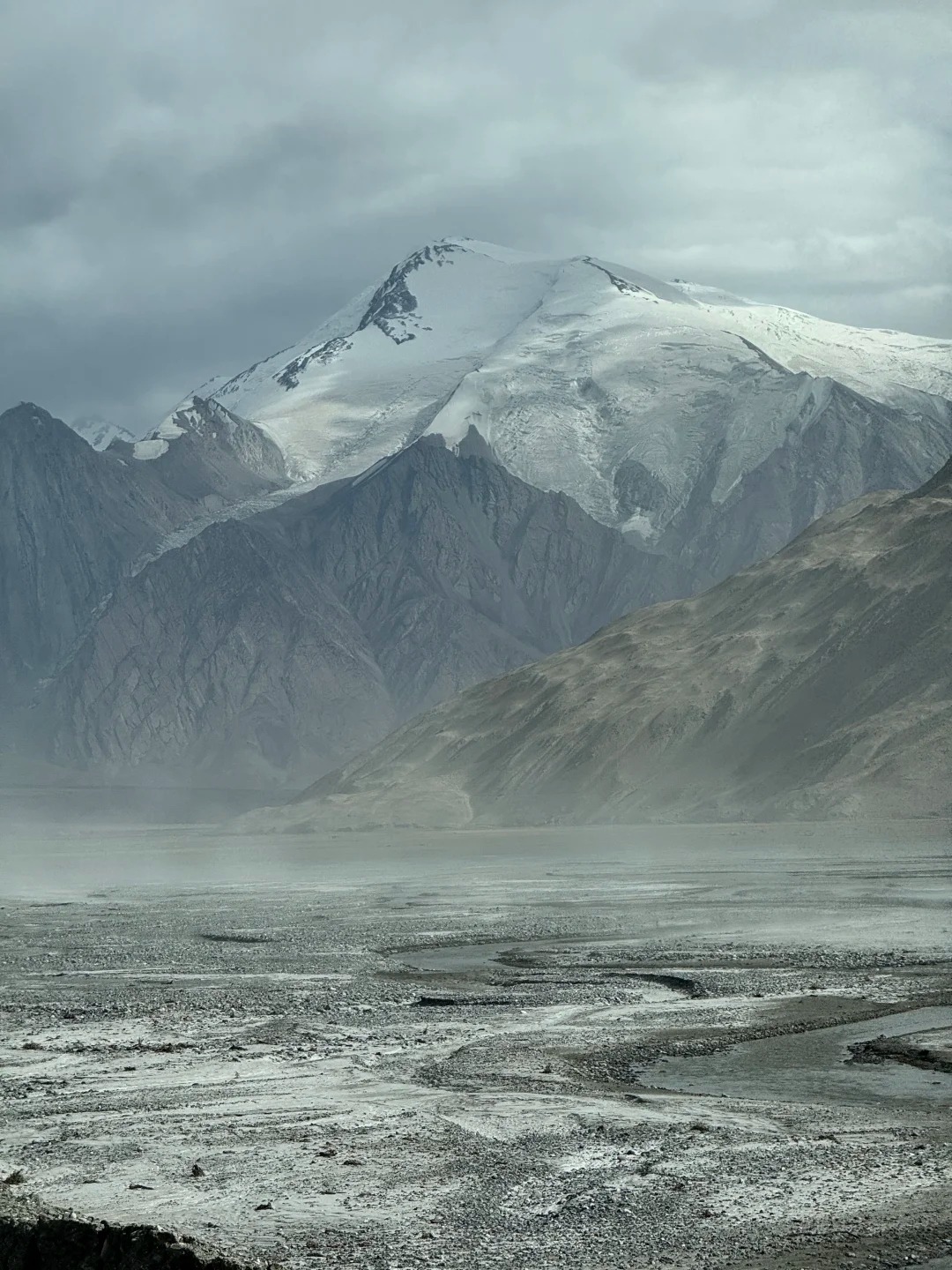
I often get asked by friends, “Was it worth it? The long drive, the altitude sickness, the cold?”
My answer is always a resounding yes. Visiting the Pamir Plateau is not just a sightseeing trip; it is a humbling. It strips away the noise of modern life and forces you to confront the raw power of the planet. It leaves you with a sense of peace that is hard to find in the city below.
If you go, do not rush it. Do not just stop for a photo at the designated tourist spots and drive off. Stop at the yurts. Drink the tea. Listen to the wind. Let the altitude slow you down. Because on the Roof of the World, moving fast is not an option anyway. You move at the pace of the mountains—slow, steady, and eternal.
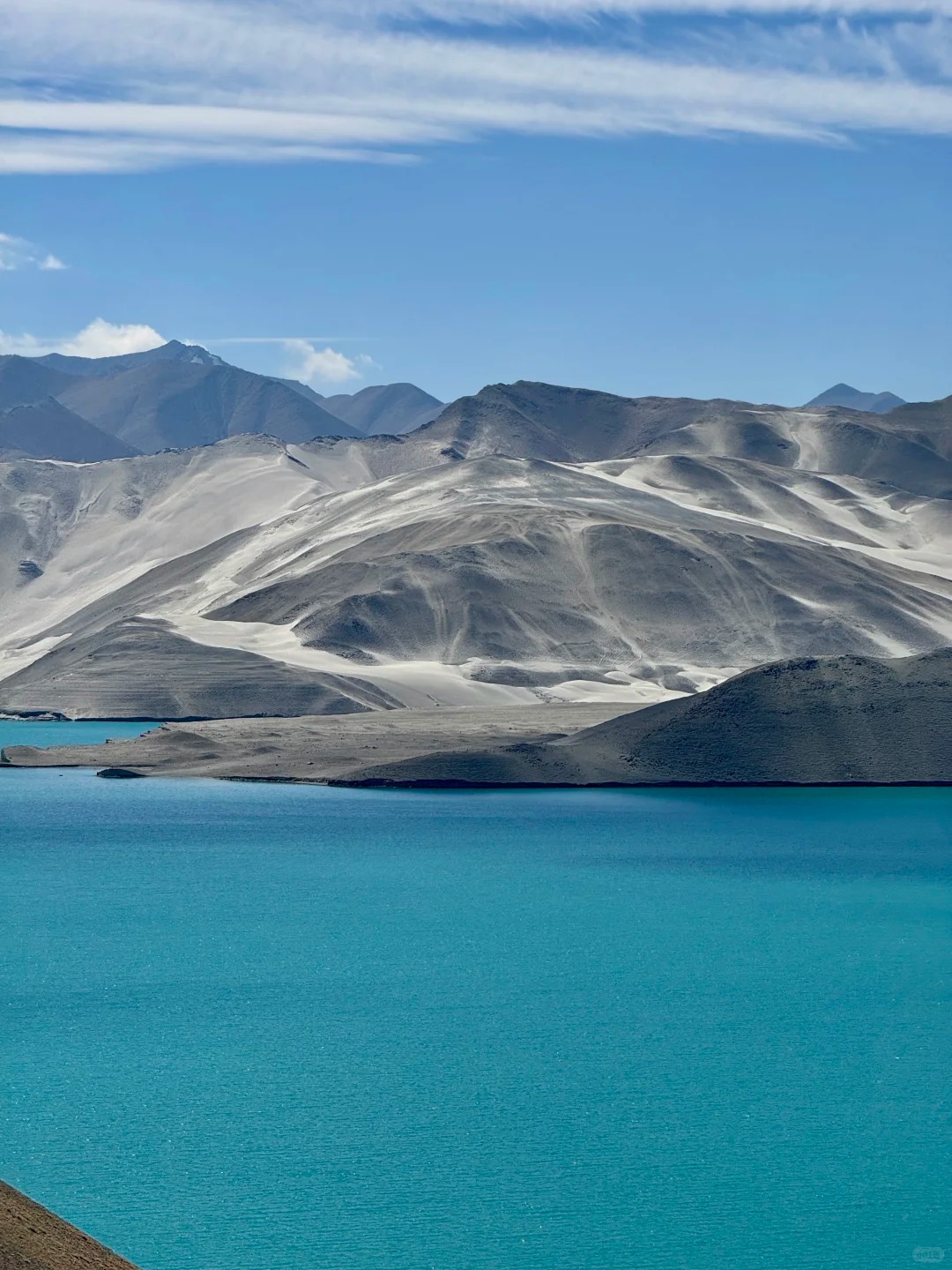
When I finally descended back into the heat and dust of Kashgar, I felt like I was returning from another planet. I looked back at the snow-capped peaks receding in the rearview mirror, and I promised myself I would return. The Pamir Plateau gets under your skin. It is a cold, harsh, and beautiful place that stays with you long after you’ve warmed up.