My journey to Arxan was a pursuit of fire and ice. Nestled in the northern reaches of the Greater Khingan Mountains, this place is often called a "geological museum." I found it to be more like a page from Earth's diary, written in lava, frost, and alpine spring water. I came in early October, when the autumn frost had already begun its alchemy on the leaves, but winter's breath was just a whisper away.

The heart of Arxan isn't just its forests; it's the volcanic legacy that simmers beneath them. I spent a full day at the Arxan National Geopark, walking along boardwalks that snaked over a landscape still raw and restless. The smell of sulfur was the first hint. Then I saw them: the crater lakes. Heavenly Lake (Tianchi) sat atop a dormant volcano, its water an impossible shade of deep blue, so calm and perfect it looked like a piece of the sky had fallen into the crater. Locals say it’s bottomless. Standing there, surrounded by silent, watchful pine trees, I felt a deep, eerie peace. This was a sleeping giant.
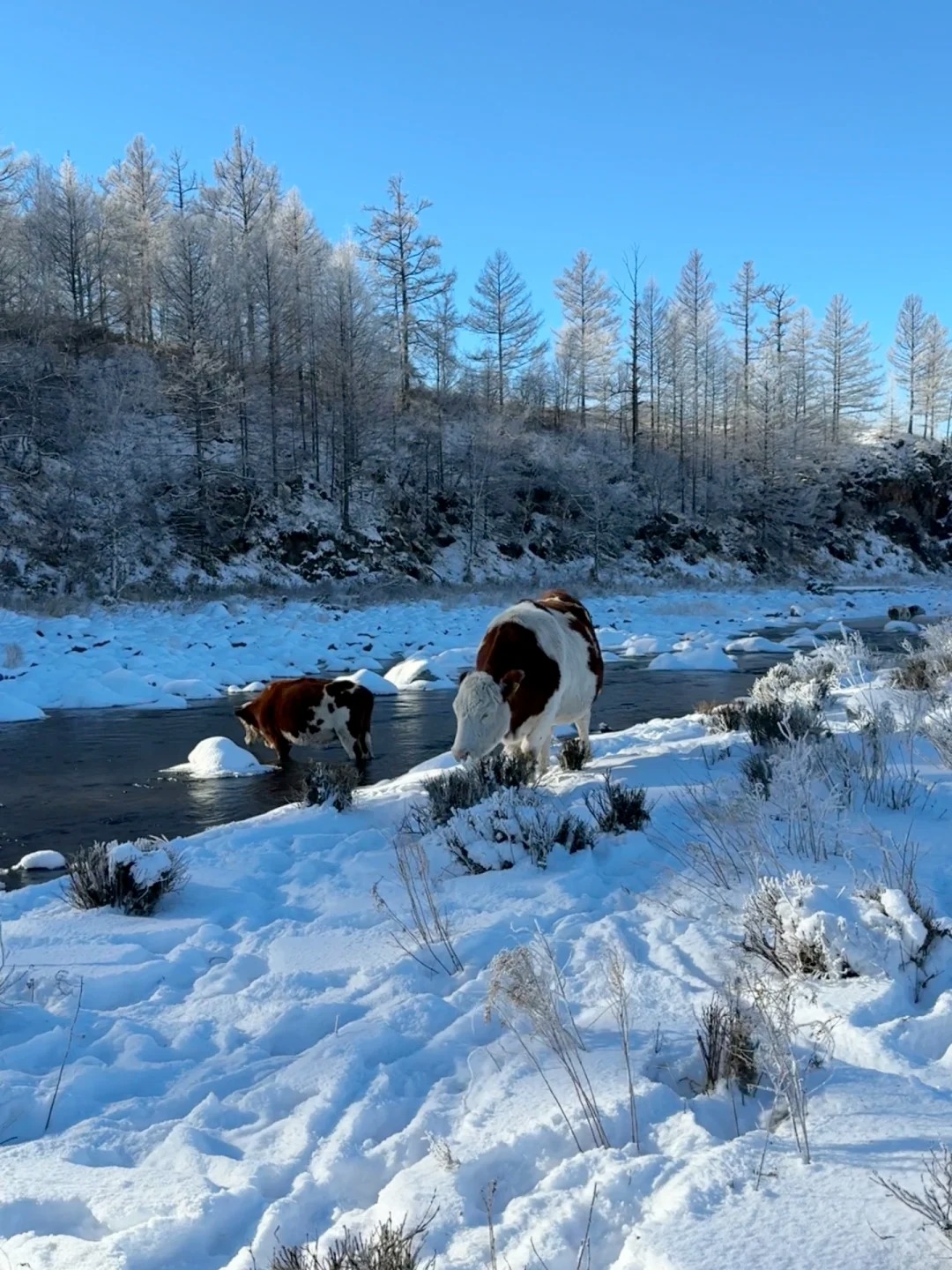
But the true magic happened at the "Spring Groups." In a single valley, I saw steaming hot springs, rivers of meltwater, and thick, permanent ice formations existing side-by-side. I took off my boots and socks, rolled up my pants, and followed a local guide. We waded through the Three-Tier Waterfall, the cold, crystal-clear water numbing my feet. Just a few hundred meters downstream, we came to a bank where
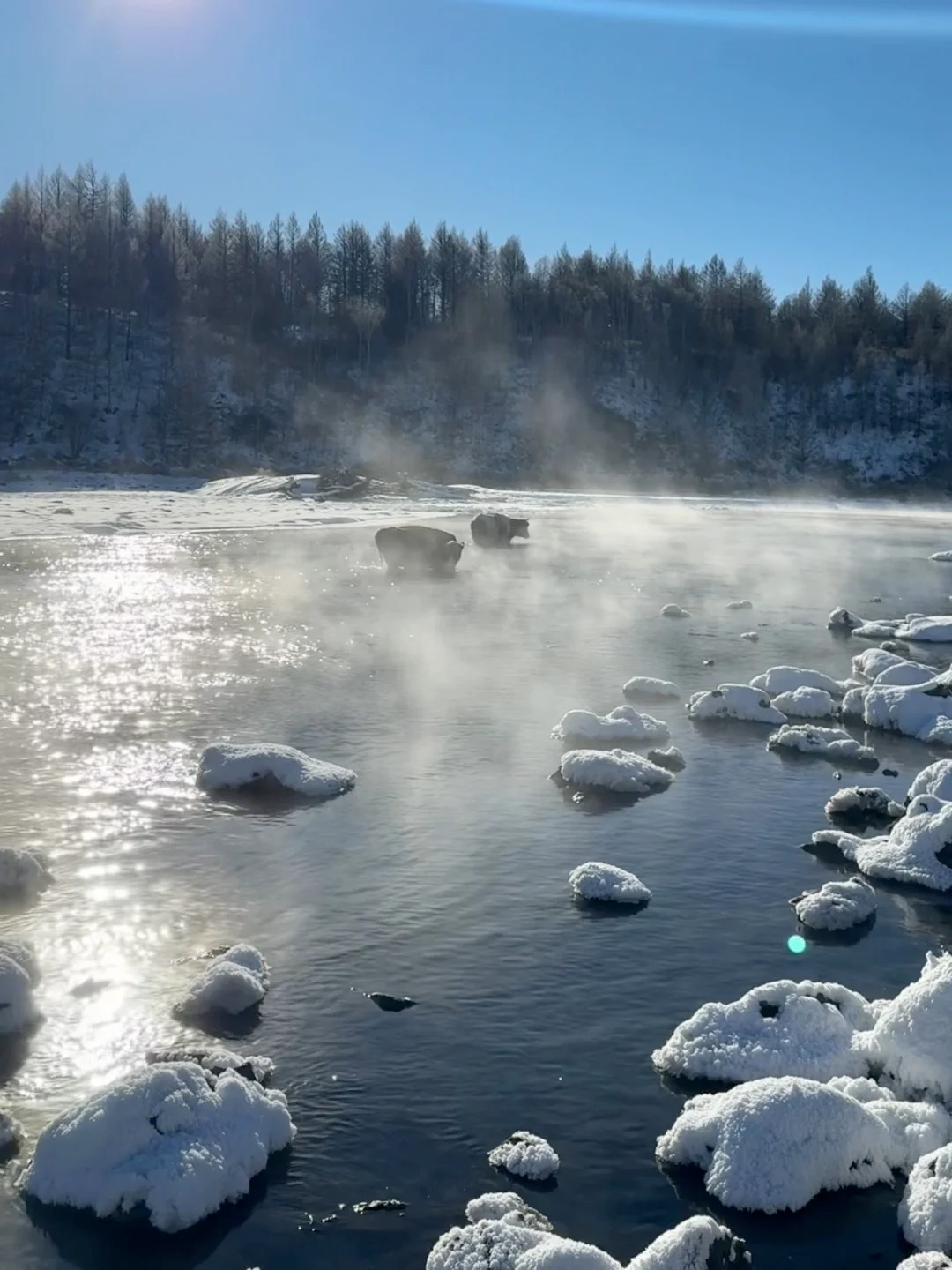
warm geothermal water seeped from the rocks. Sitting there, with my feet in the warm flow while my upper body felt the crisp autumn air, was a surreal experience of Earth's contrasting energies. I filled my bottle from a natural spring; the water tasted clean and faintly mineral, unlike anything from a plastic bottle.
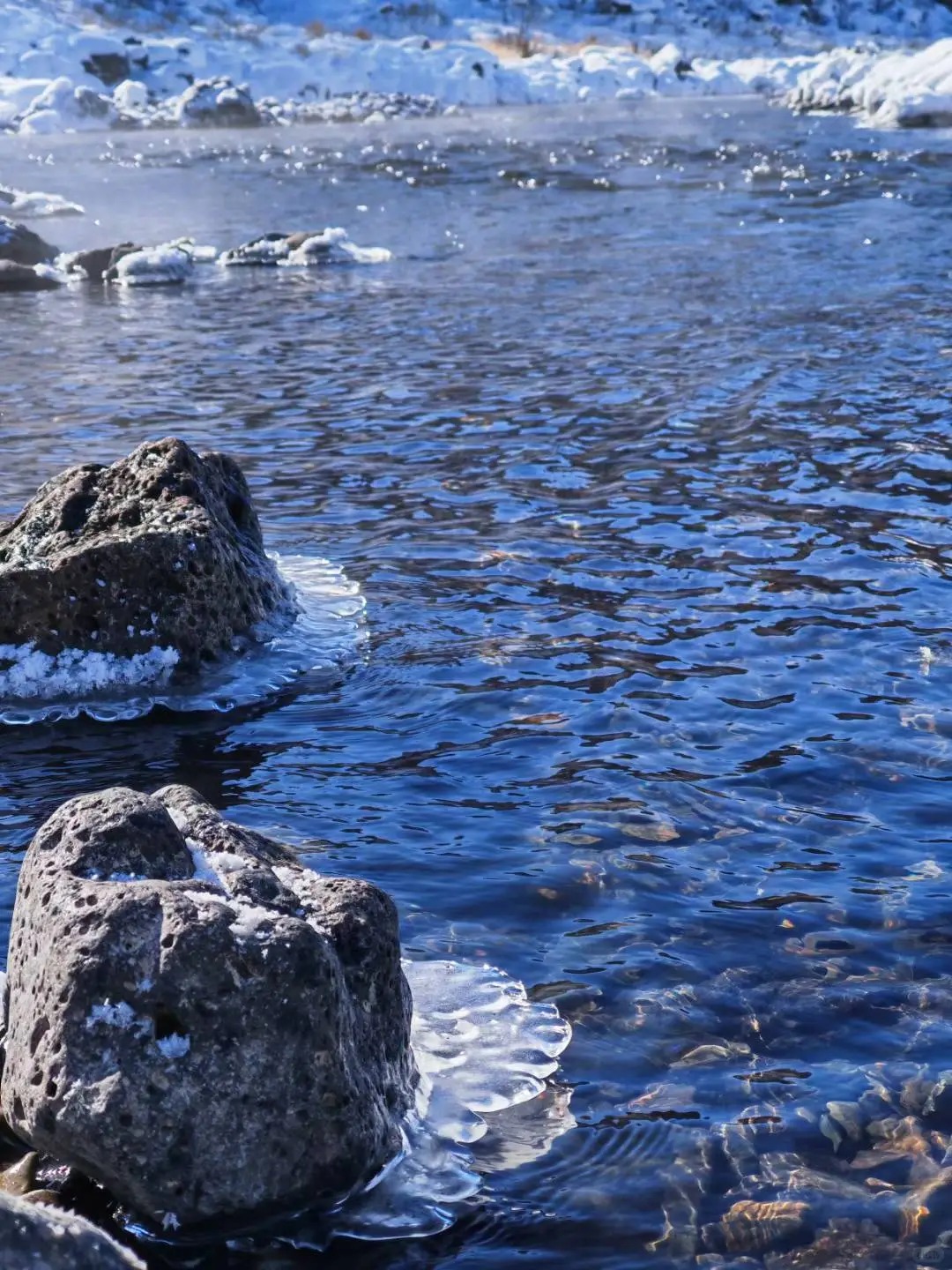
Later, I visited a small, secluded lake known locally as "Camel's Back Lake." It was late afternoon, and the low sun lit the opposite slope of larch trees on fire—a blazing gold against the dark green of the pines. The reflection in the still water was perfect, doubling the beauty. An old Mongolian man was fishing quietly from a rock. He didn't speak Mandarin, but he smiled and gestured for me to sit. We shared no words for an hour, just the sound of the wind in the trees and the occasional splash of a fish. In that silence, Arxan's story became clear: it’s a place where Earth's violent, fiery past has settled into a scene of profound, almost fragile, tranquility. The "eternal flame" isn't just about the geothermal heat; it's about the enduring, quiet beauty that has risen from the ashes.