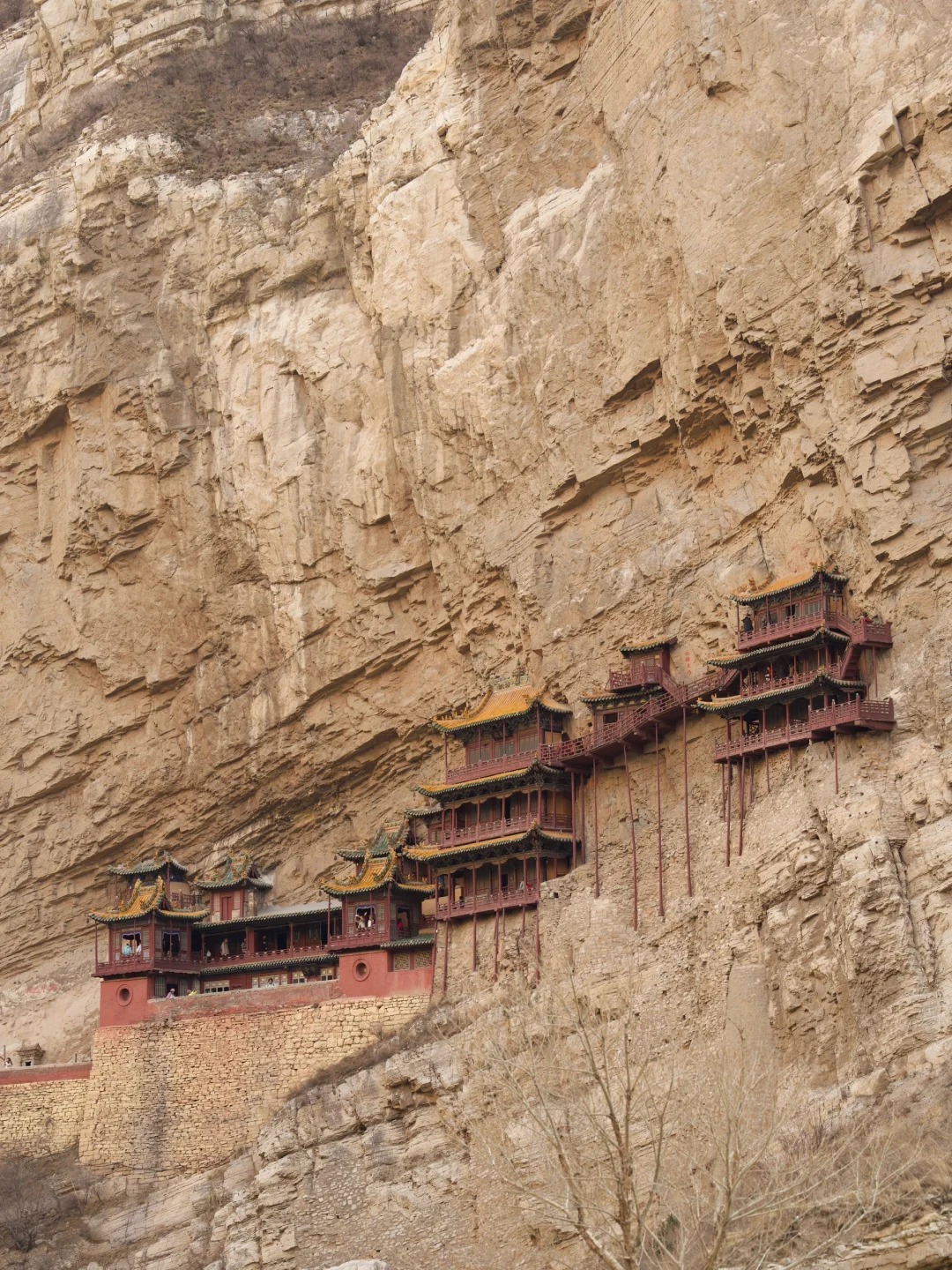
I am not afraid of heights. I’ve stood on the edge of the Grand Canyon and looked down without blinking. But the Hanging Temple, or Xuankong Si, managed to make my knees tremble. Located on the sheer cliff face of Mount Heng in Shanxi, this temple is not just a place of worship; it is an architectural miracle, a defiance of gravity, and one of the most terrifyingly beautiful places I have ever been.
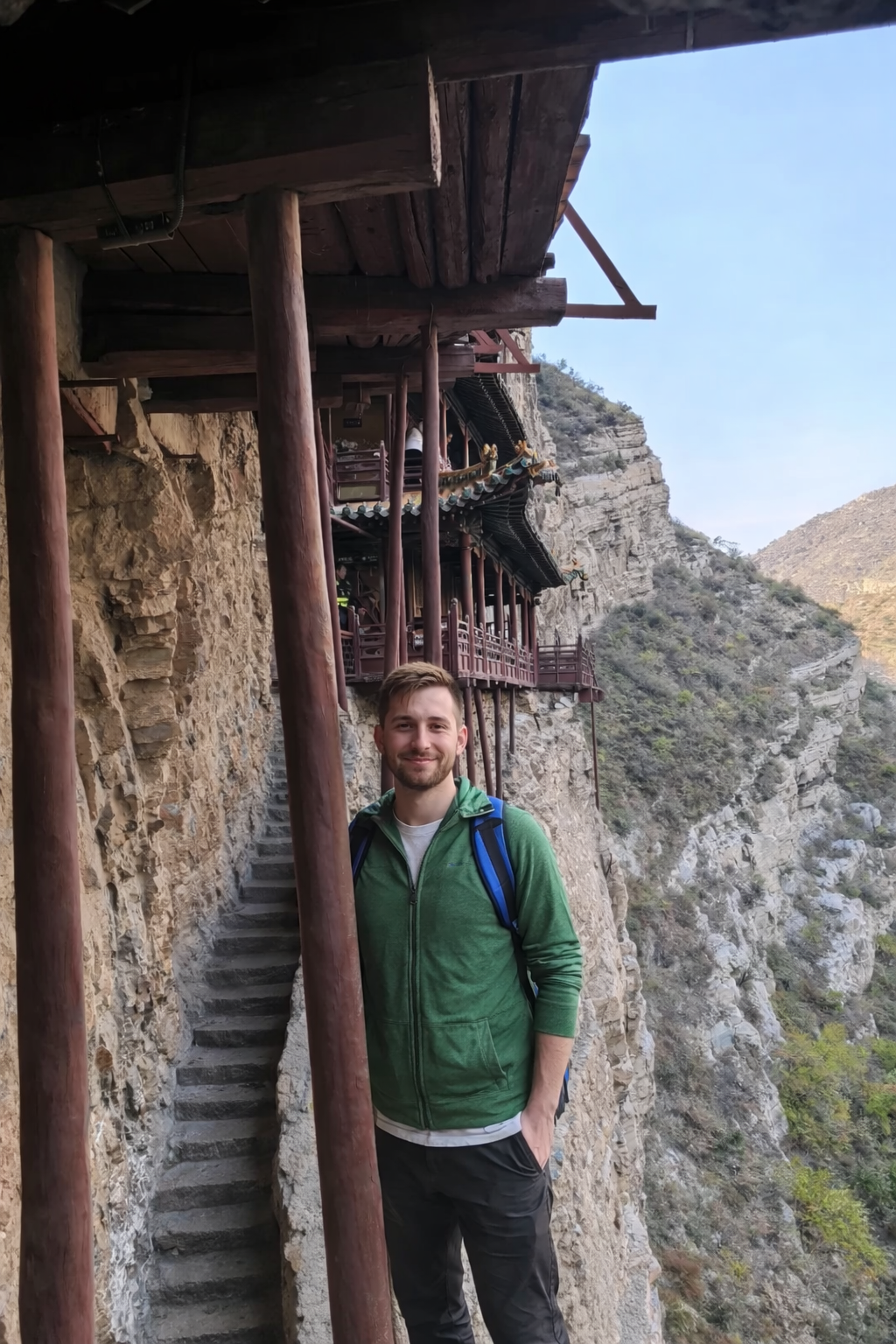
The temple appears in the distance like a toy set stuck on a rock face. It’s supported by a series of thin wooden poles that look like they could snap at any moment. As I approached the base of the cliff and looked up, my first thought was: “How on earth is that still standing?” The temple was built 1,500 years ago by monks who wanted to escape the floods and wars of the valley below. They chose the most precarious spot imaginable.
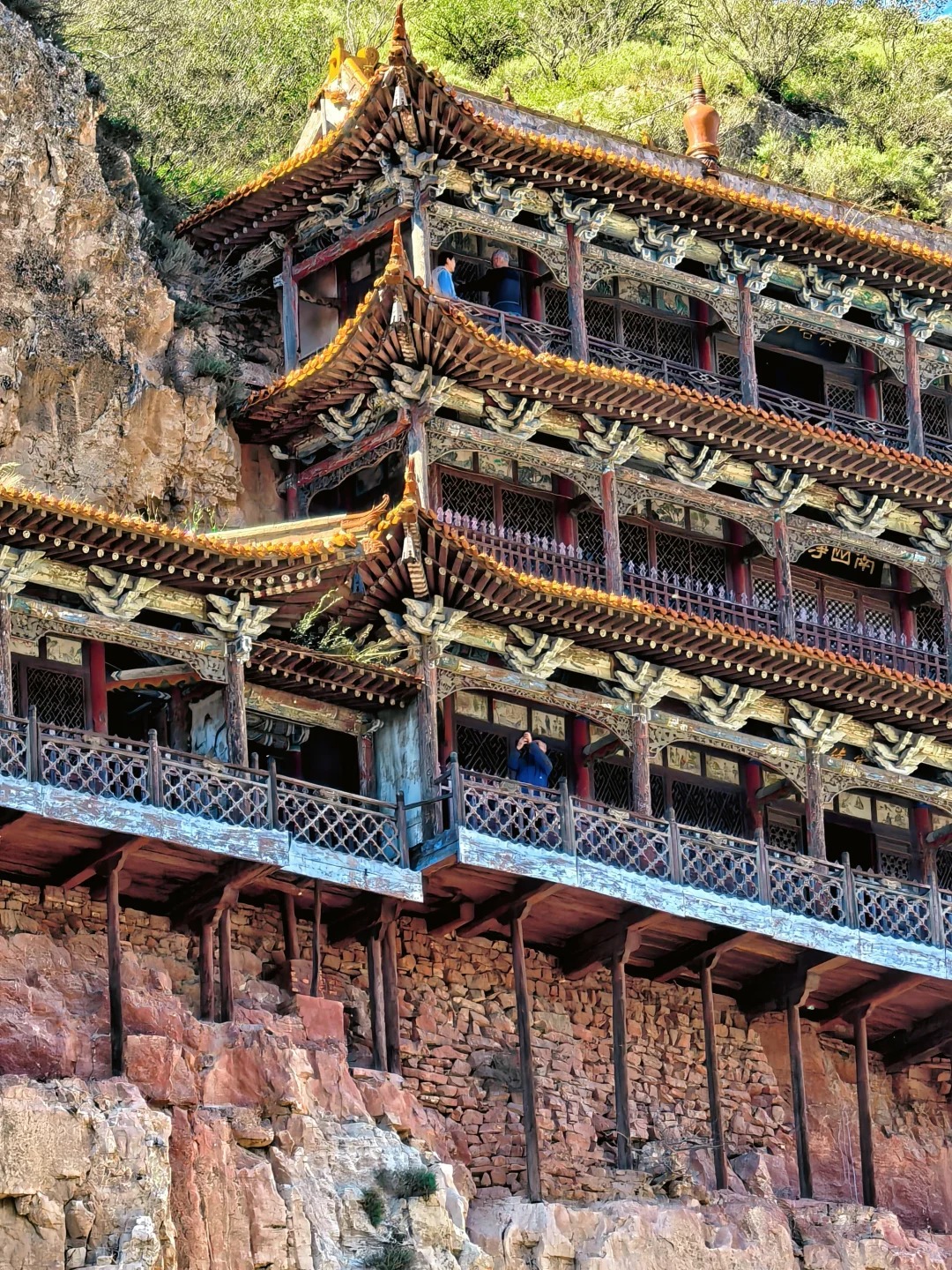
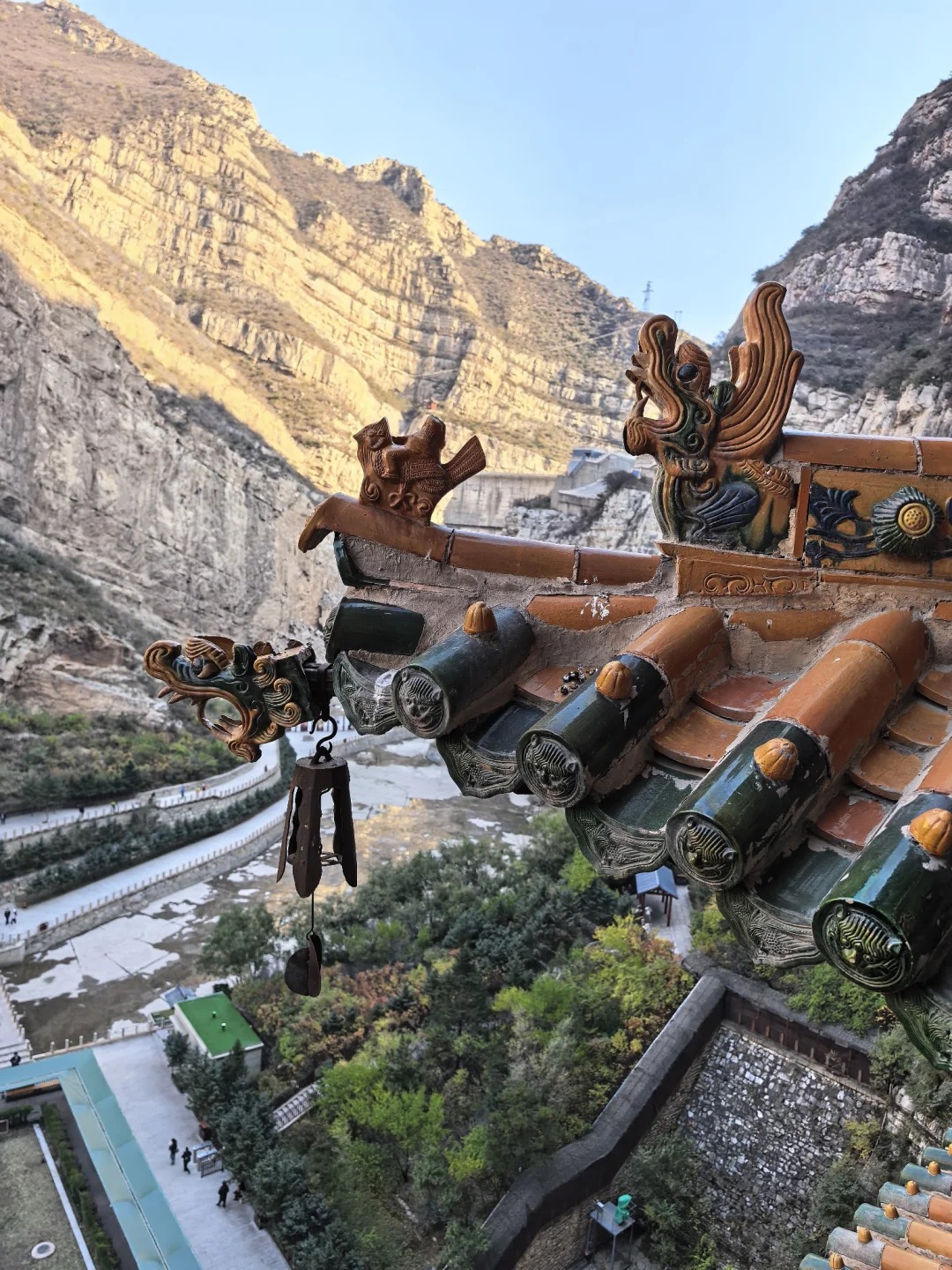
I started the climb, a steep stone stairway cut into the cliffside. The wind was funneling through the canyon, making the wooden handrails shudder. Halfway up, I reached the entrance. It felt like stepping into a bird’s nest. The temple consists of 40 rooms connected by narrow corridors and bridges. The wooden planks beneath my feet were polished smooth by millions of footsteps, but they still creaked and groaned with every step I took. Below me was a drop of several hundred meters; above me, the overhanging rock seemed to press down on me.
Walking through the corridors is an exercise in trust. The wooden pillars you see are mostly for show—the real support comes from beams driven deep into the rock face, hidden within the cliff. But knowing this didn’t stop me from gripping the railing with white knuckles.
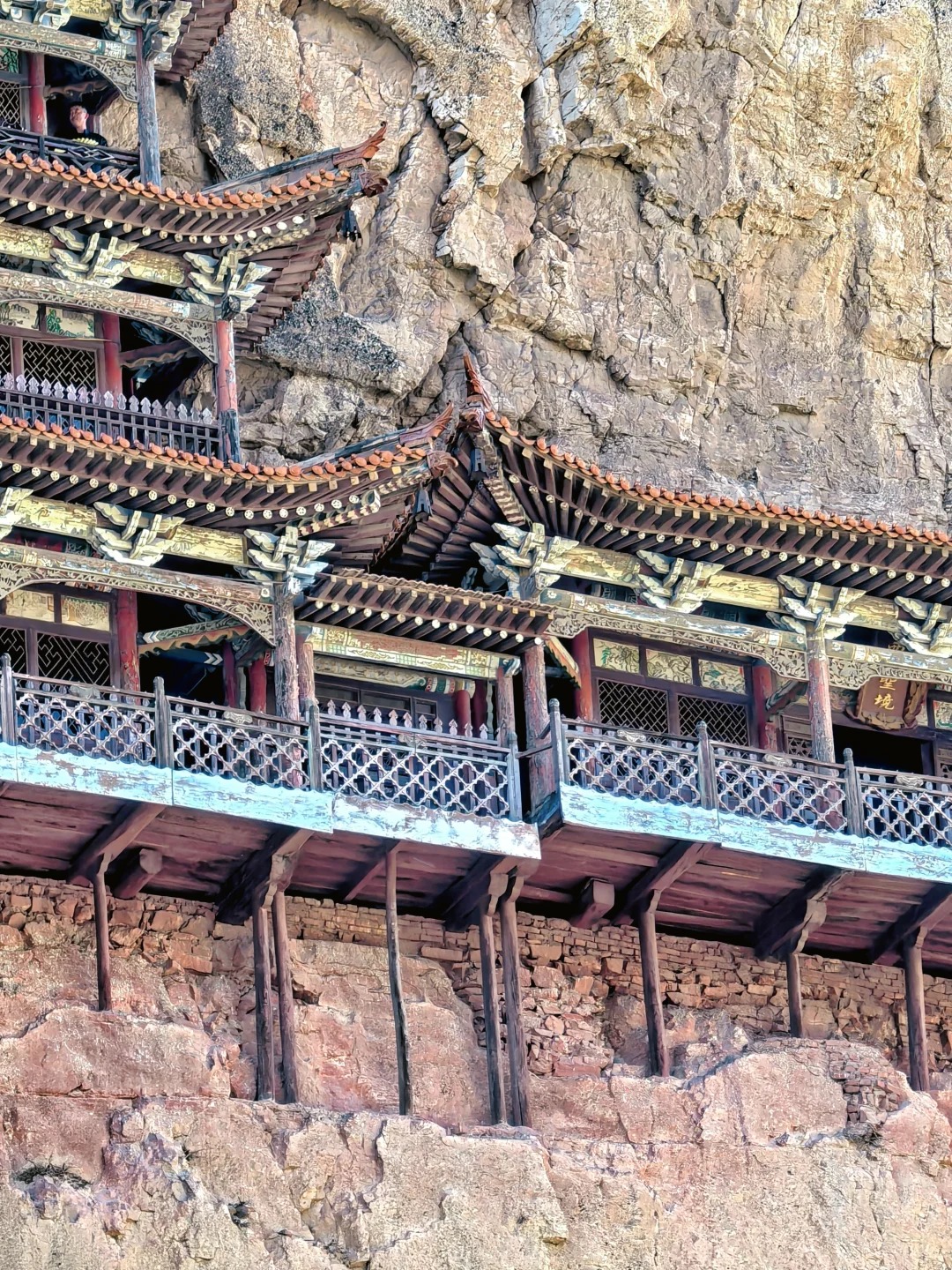
What is truly unique about the Hanging Temple is its inclusivity. It is the only existing temple dedicated to the three religions of China: Buddhism, Taoism, and Confucianism. In one hall, I saw statues of Sakyamuni Buddha; in the next, Laozi, the founder of Taoism; and next to him, Confucius. They sit together, peacefully, high above the world. I found it profoundly moving. Here, at the edge of a cliff, the ideologies that often divide people in the cities below were united.
I visited the Hall of Three Religions, the heart of the complex. The statues here are exquisite, carved with a grace that belies the rugged surroundings. I sat on a small stone bench near the window, looking out over the valley. The view was dizzying. The trees below looked like broccoli, and the river like a silver thread. I felt a strange sense of calm amidst the terror. It was as if the danger of the location forced a total focus—you couldn’t think about your taxes or your to-do list when a wrong step could be fatal. It was the ultimate form of meditation.
One of the most thrilling parts was crossing the “Stacked plank road.” It’s a narrow bridge where the floor is open in some spots, allowing you to see straight down through the cracks. A young tourist in front of me froze, unable to move. We all waited patiently, encouraging him. It was a moment of shared humanity—we were all scared, but we were all in this together.
Descending was almost harder than going up. My legs were shaky from the adrenaline. When I finally reached solid ground at the base of the cliff, I looked back up. The temple clung there, defying logic, defying gravity, defying the centuries.
Near the exit, I bought a grilled corn cob from a street vendor. It was charred and sweet, a simple, grounding meal after my flight through the clouds. The Hanging Temple is not for the faint of heart, but it is essential. It teaches you that with enough courage and ingenuity, humans can build sanctuaries anywhere—even on the edge of a precipice. It is a testament to the madness and brilliance of human ambition.