There is a specific kind of melancholy that hangs over the Western Xia Imperial Tombs , It’s not the gloomy kind, but a majestic, dusty silence that commands respect. Located at the foot of the jagged Helan Mountains, about 30 kilometers west of Yinchuan, this place feels like the end of the world—or perhaps, the end of an era that history tried its best to forget.
I took a taxi from the city center, watching the urban sprawl give way to the desolate, windswept plains of Ningxia. The driver, a chatty local, told me, "You know, the Mongols burned this place to the ground. They wanted to erase the Western Xia from the face of the earth." He was right. And as the strange, beehive-shaped mounds came into view against the backdrop of the grey-blue mountains, I felt a chill that had nothing to do with the wind.
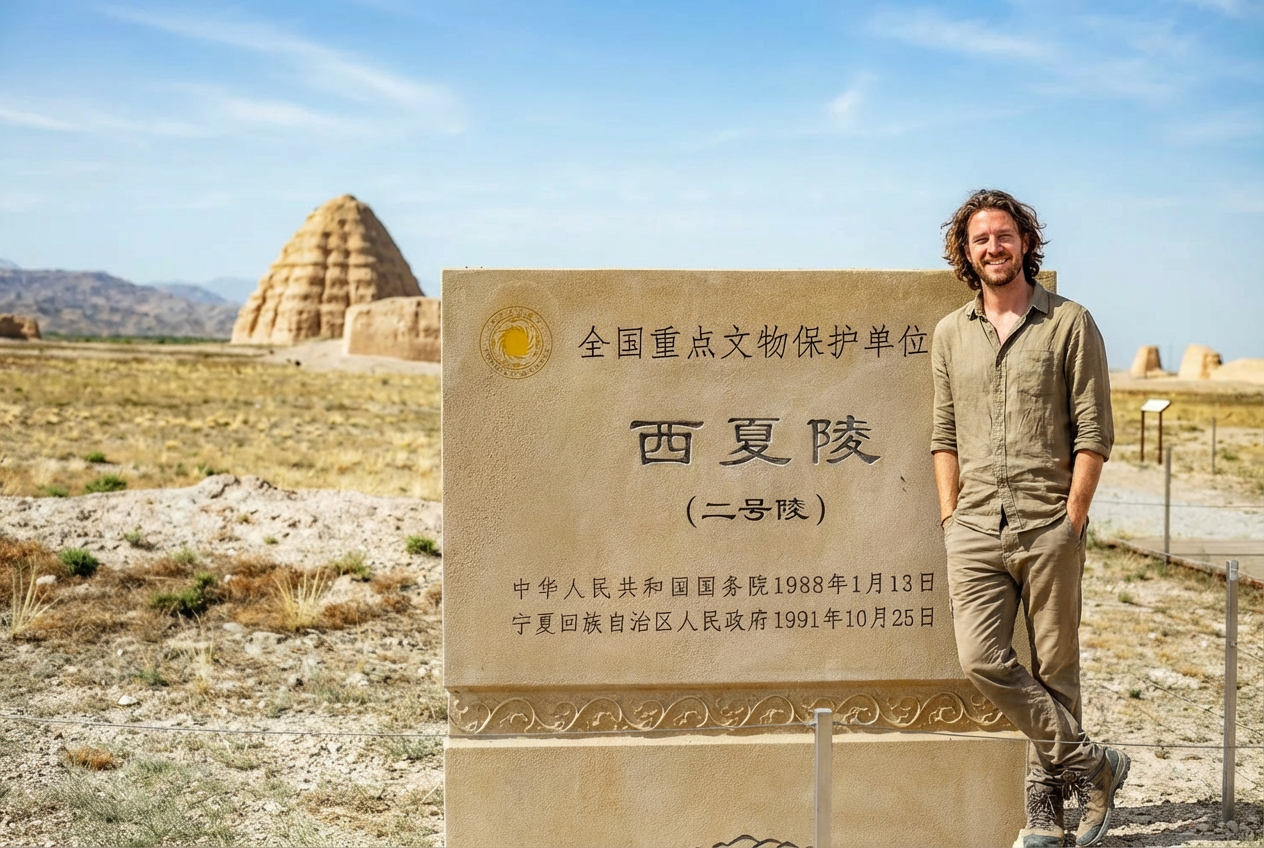
Walking Among Ghosts
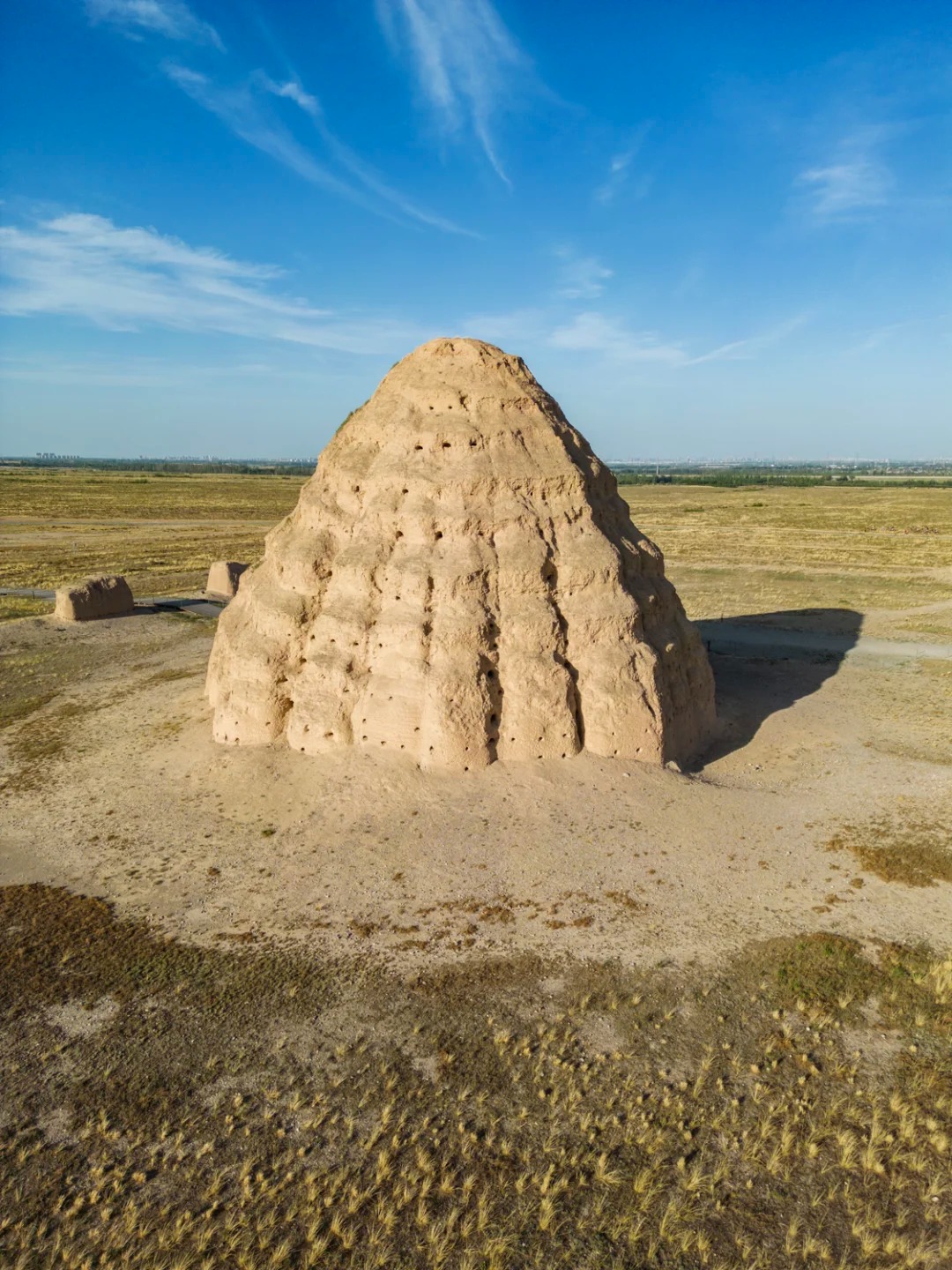
Unlike the Terracotta Warriors in Xi'an or the Forbidden City in Beijing, the Western Xia Tombs are raw. There are no intricate wooden palaces left; they were all torched centuries ago. What remains are these massive mounds of rammed earth, the "Oriental Pyramids," standing defiant against time.
I skipped the electric shuttle bus for a while and just walked. The earth here is hard, cracked, and dotted with stubborn, thorny vegetation. As I approached Tomb No. 3 (believed to be that of Li Yuanhao, the founding emperor), the scale of it hit me. It’s huge, weathered, and utterly alien. The architecture isn't the typical Chinese style I was used to. It has a rough, geometric beauty.
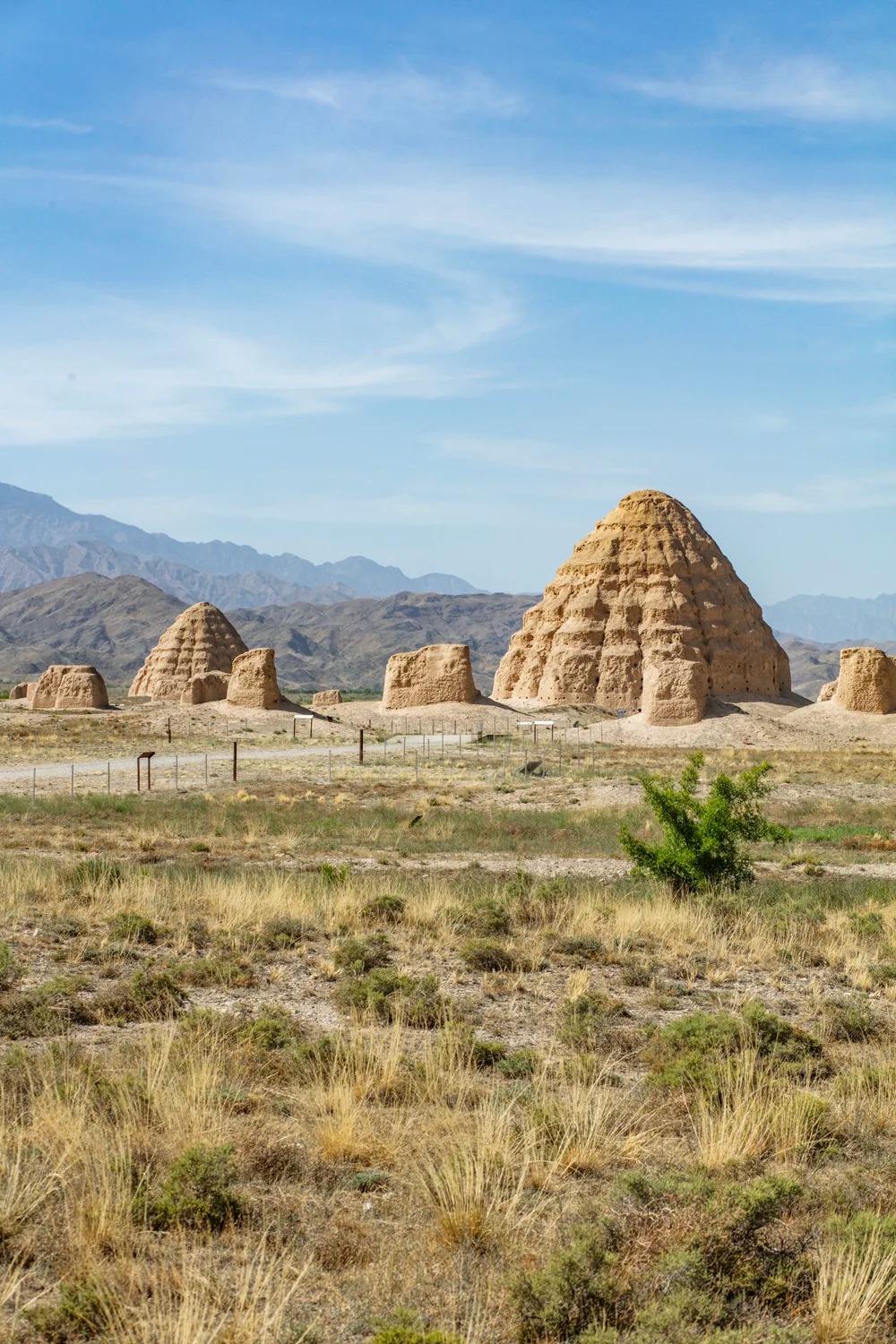
I ran my hand over a piece of broken tile half-buried in the dirt—a replica, surely, but it felt like a connection. I imagined the vibrant green and blue glazed tiles that once covered these structures, shimmering in the desert sun. Now, stripped of their skin, they look like giant termite mounds or ancient bunkers. The wind here is constant. It howls through the gaps in the ruins, a sound that feels like the whispering of the Tangut people—a civilization that created its own writing script, its own culture, only to be annihilated.
The Mystery of the Tangut Script
Inside the museum on-site, I stood mesmerized by the Western Xia characters. They look like Chinese characters that have been twisted, complicated, and rearranged by a mad genius. I tried to copy one into my notebook and failed miserably. It’s a dead language, yet it screams to be heard. Seeing these characters carved into stone tablets gave me goosebumps. It was proof that a complex, sophisticated empire thrived here, right where I was standing, loving and fighting and building, before vanishing into smoke.
A Moment of Solitude at Twilight
The best moment came just before closing time. The tour groups had boarded their buses. I found a quiet spot near a smaller, less visited tomb mound. The sun was setting behind the Helan Mountains, casting long, dramatic shadows across the plain. The mountains turned a deep, bruised purple, and the yellow earth of the tombs glowed with a fierce, dying light.
I sat on a rock and just watched. A crow flew overhead, cawing sharply. In that vast emptiness, I felt a profound connection to the transience of human endeavor. Emperor Li Yuanhao probably thought his dynasty would last forever. Genghis Khan probably thought his destruction was absolute. Yet, here I was, a traveler from a different world, centuries later, admiring the beauty of what remains.
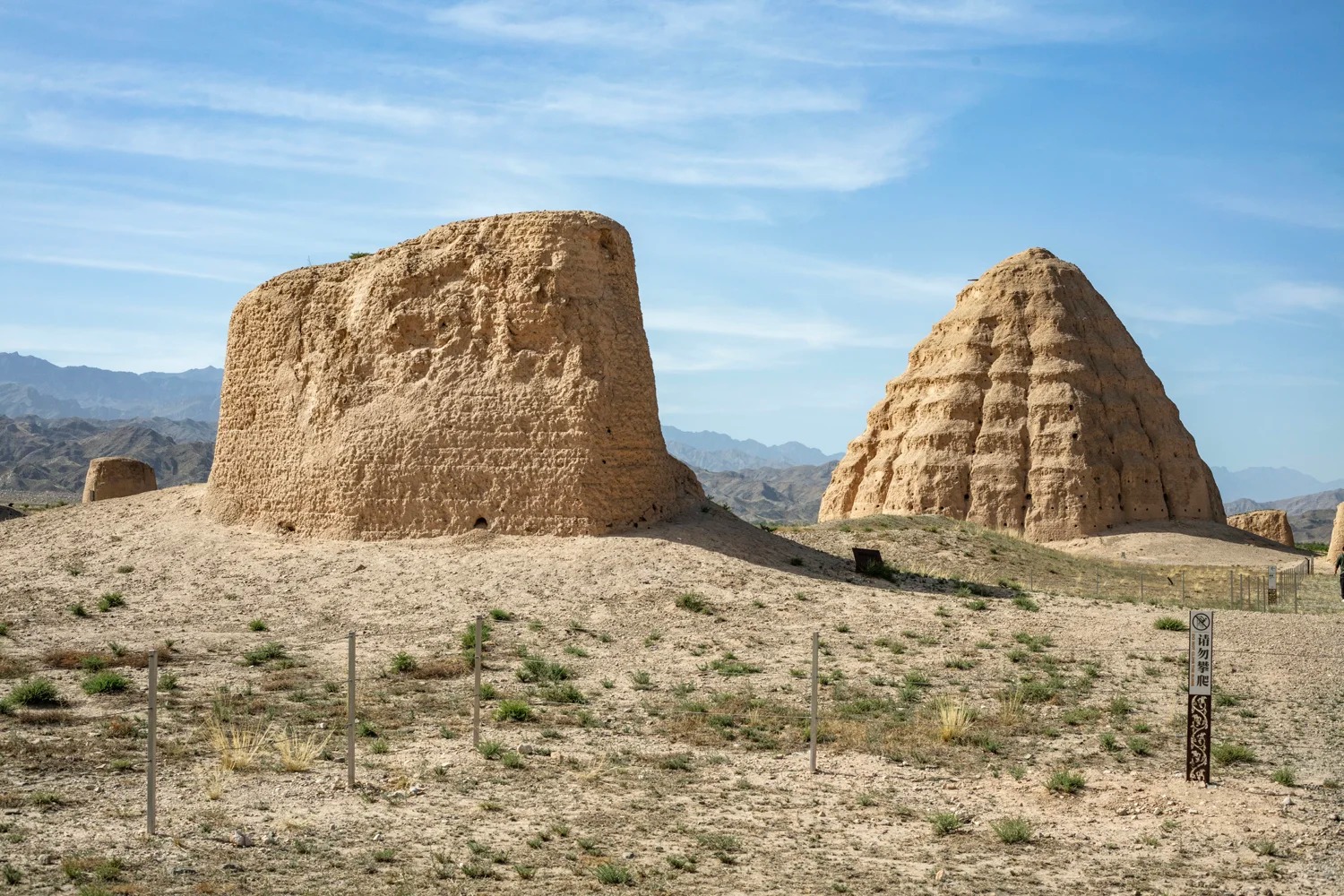
The Western Xia Tombs aren't about seeing "pretty" things.
They are about feeling the weight of time. It’s a haunting, beautiful, and deeply spiritual place that doesn't just show you history; it makes you feel the grit of it in your teeth.