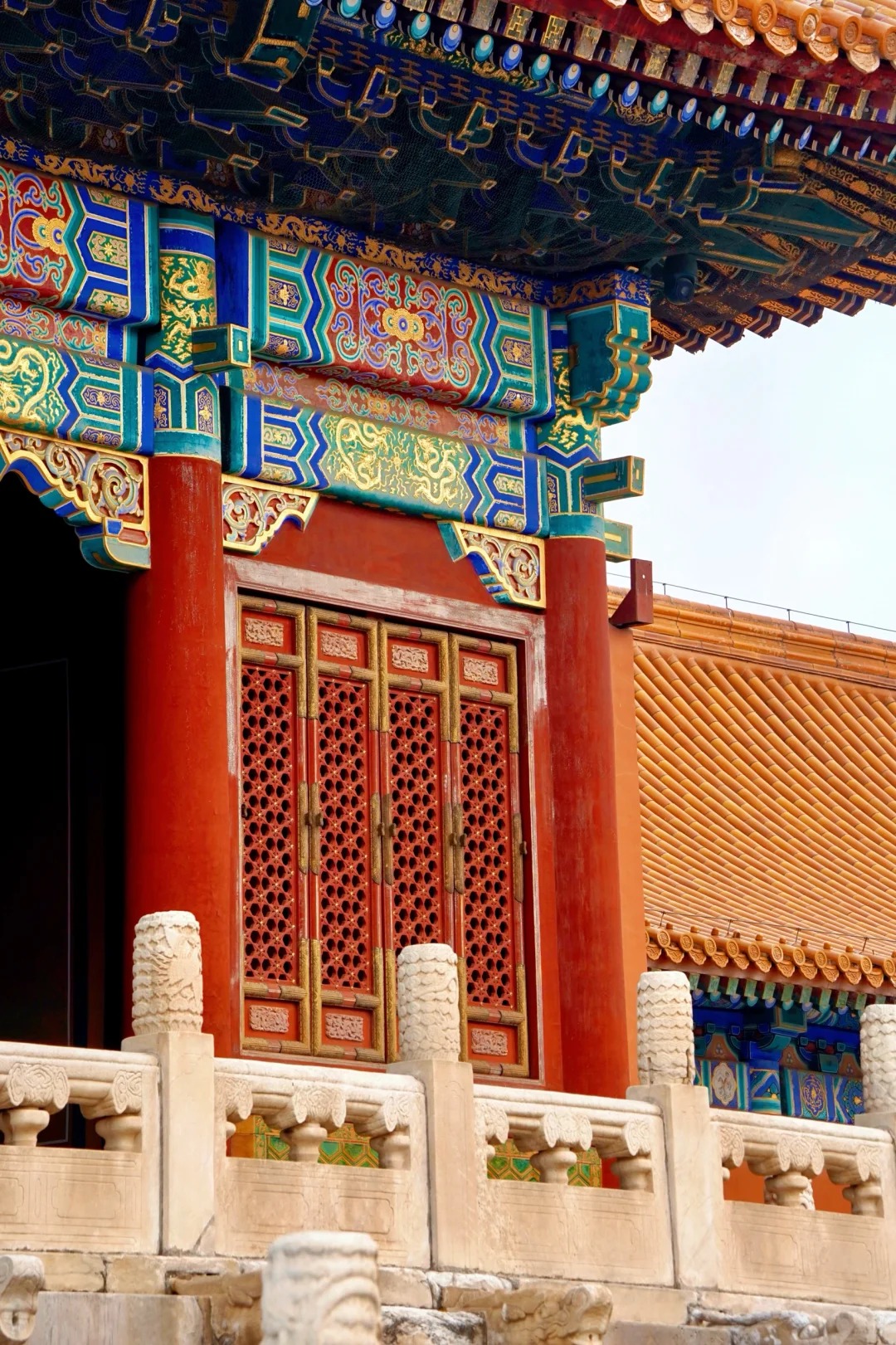
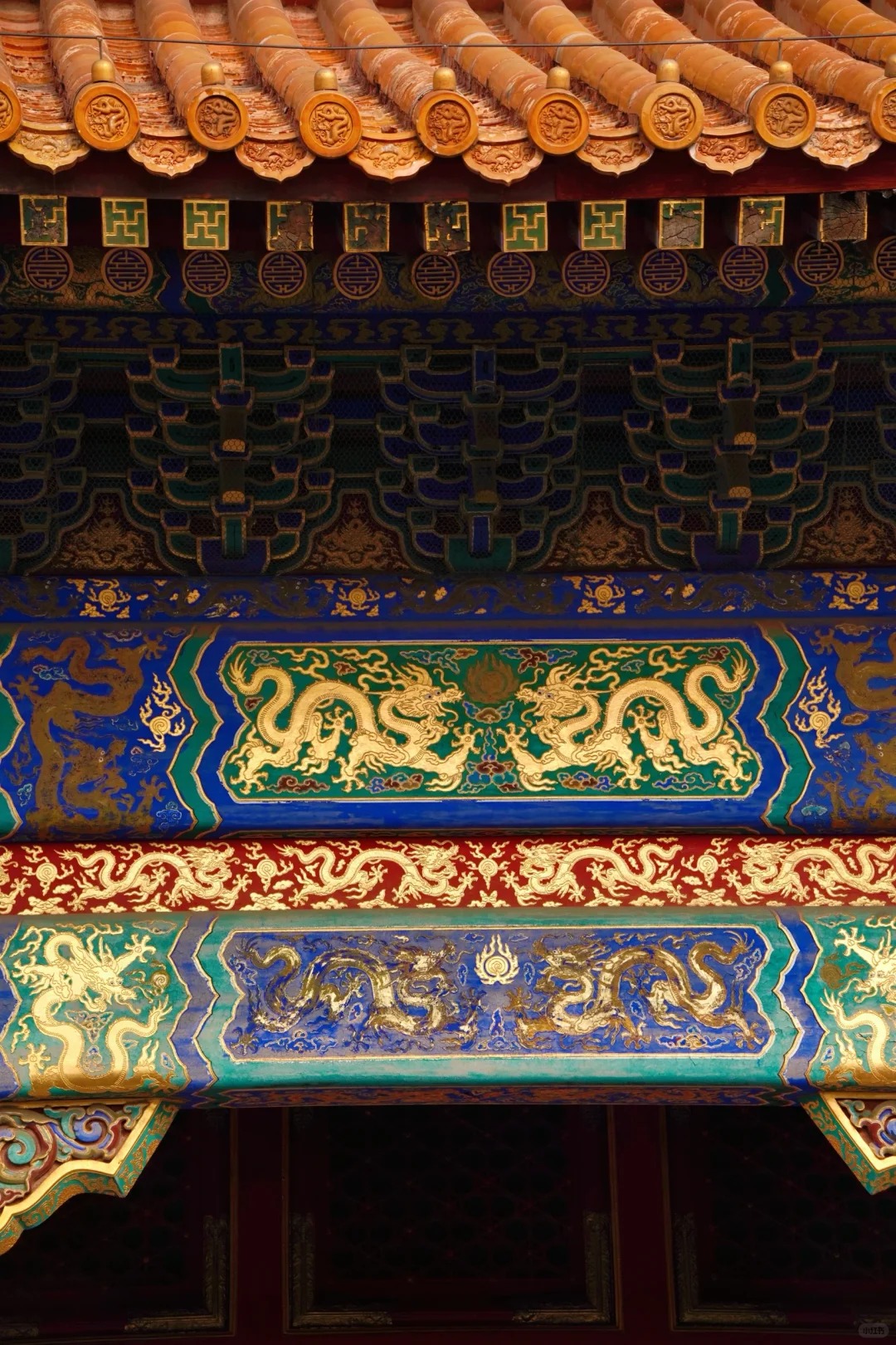
If you look up in the Forbidden City, you see a universe of geometry. The complex system of wooden brackets, known as dougong, interlock without a single nail, supporting roofs that seem to float like wings. As a lover of architecture, I find the forbidden city and the imperial palace beijing to be the ultimate textbook of Chinese philosophy made manifest in wood and stone.
I visited once during a heavy snowfall—a rare treat in Beijing. The transformation was magical. The vermilion walls popped against the stark white snow, and the golden roofs were softened under a blanket of white. I stood in the Imperial Garden, looking at the ancient cypresses weighed down by snow, their gnarled black branches creating a stark calligraphy against the white background. It was like stepping into a traditional ink wash painting.
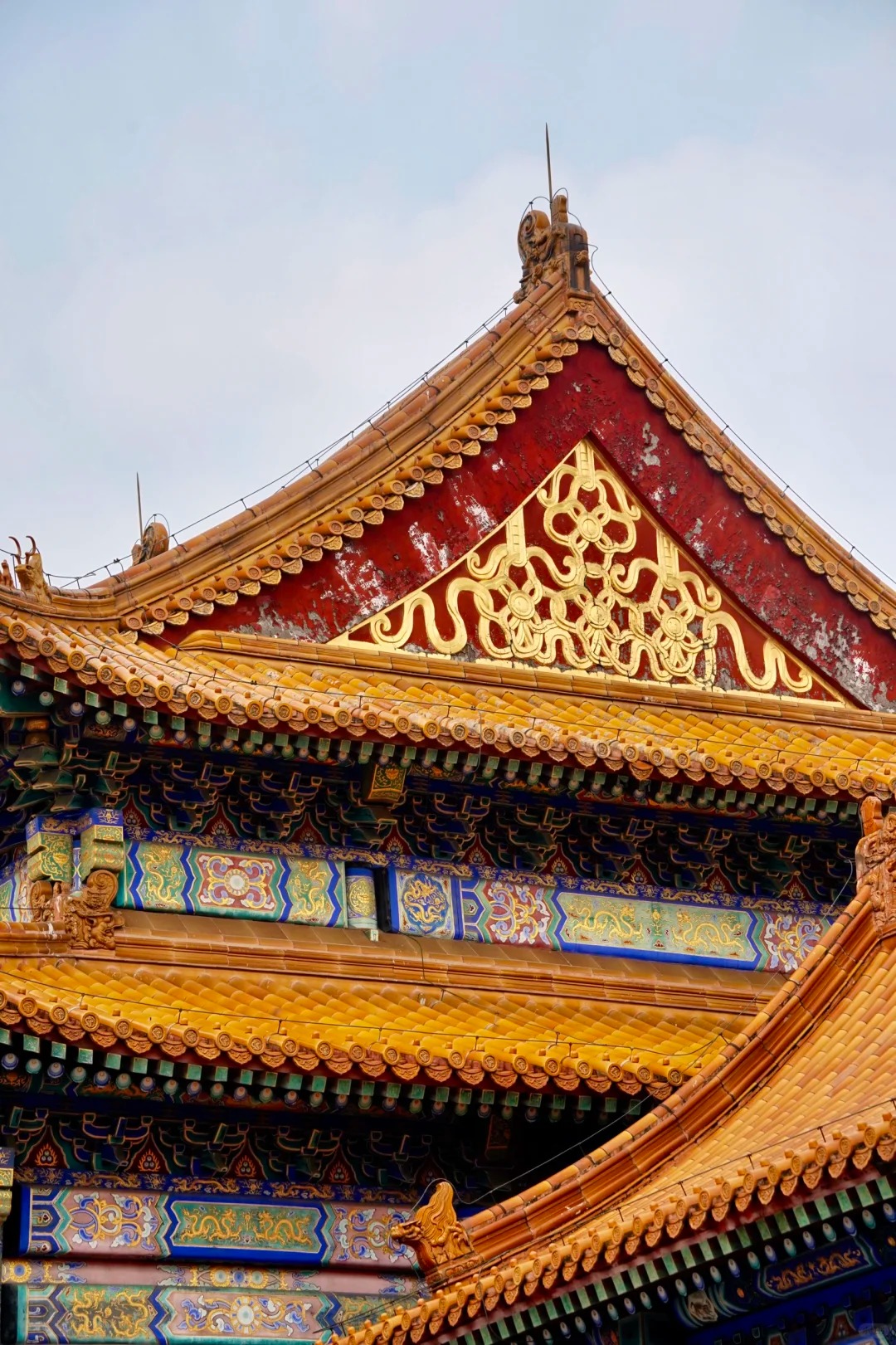
The symmetry here is not just for beauty; it is for cosmic order. I walked along the central axis, feeling the pull of that invisible line that divides the city, the palace, and the empire. Every door, every step, every mythical beast on the roof ridge has a specific meaning. I counted the beasts on the Hall of Supreme Harmony—ten, the only building in the country allowed to have that many. It’s a hierarchy written in ceramic animals.
I remember crouching down to look at the floor tiles in the interior halls—"gold bricks," they call them. Not made of gold, but of a specially fired clay that rings like metal when struck and feels cool and smooth like jade. The craftsmanship required to make a single tile took months. Touching one (or the replica outside), I felt the immense dedication of the artisans.
The forbidden city and the imperial palace beijing is a testament to the Chinese belief in the harmony between heaven and humanity. It is designed to align with the stars, to capture the energy of the earth. Standing there, amidst the perfect symmetry, I felt a sense of calm, a structured peace that contrasts sharply with the chaotic modern world outside the walls.