There is a distinct scent inside the exhibition halls of the palace—a mix of old paper, sandalwood, and the metallic tang of bronze. While the architecture of the Forbidden City awes you with its size, the treasures within draw you in with their whispers. To me, this place is more than a palace; it is Forbidden City The Palace Museum Beijing, a treasure chest that was locked away from the world for five hundred years.
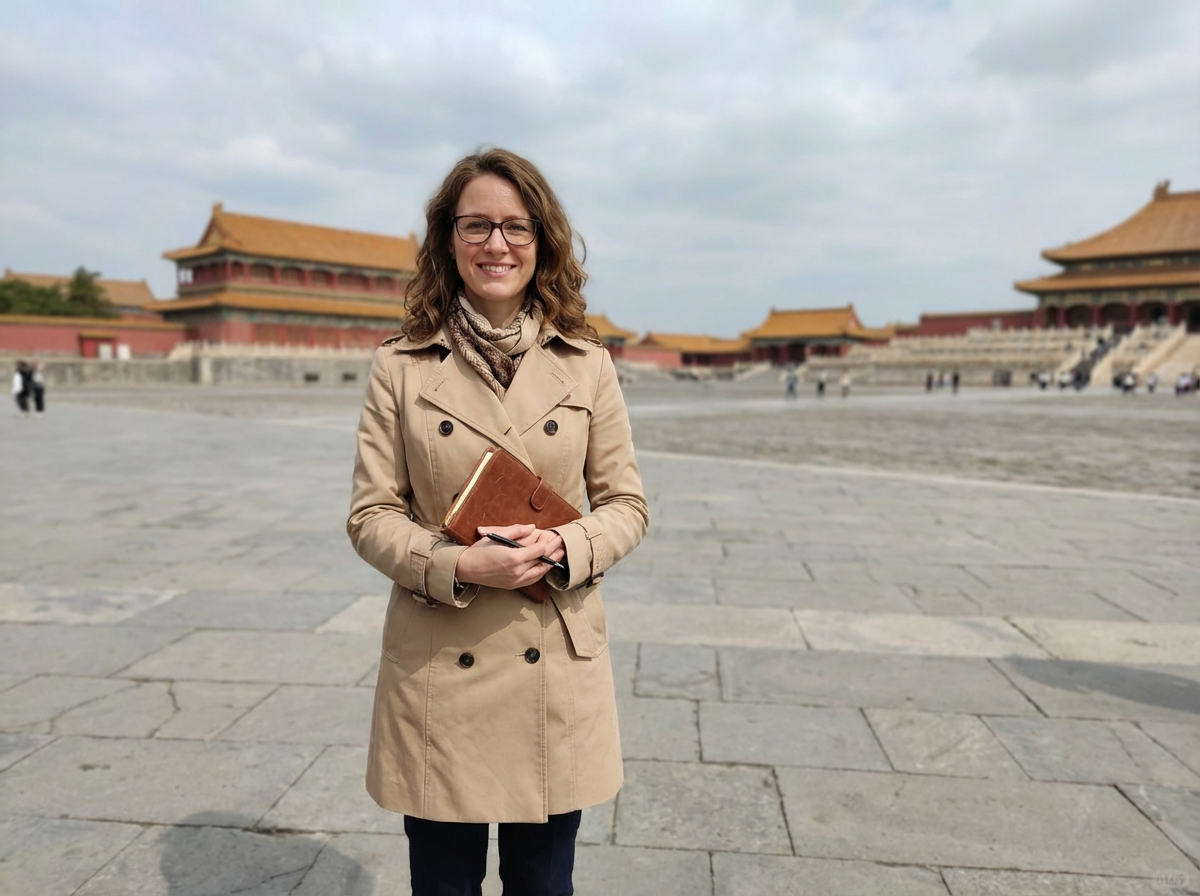
On my last visit, I bypassed the main axis to head straight for the Treasure Gallery and the Clock Gallery. This is where the human side of the emperors reveals itself. I remember standing in front of an intricate 18th-century British clock, a gift to the Qianlong Emperor. When the hour struck (in my imagination, at least), mechanical birds would sing and waterfalls would flow. It was a toy, yes, but a toy that represented the collision of East and West. I marveled at the obsession with time—how the rulers of the Middle Kingdom, who believed their reign was eternal, were fascinated by the ticking of seconds.
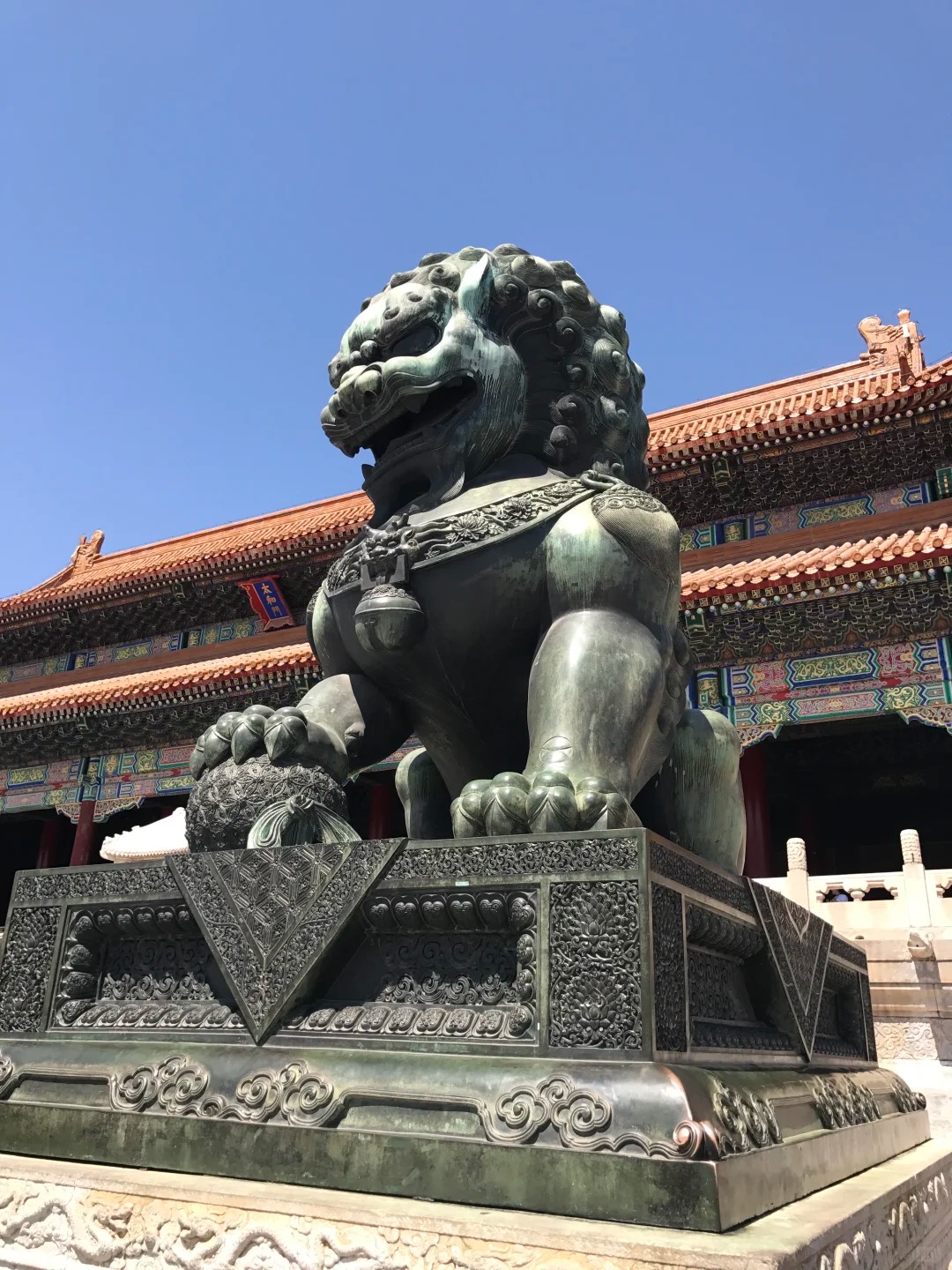
I wandered into the ceramics hall, where the "ru ware" porcelain sat behind glass. The color is indescribable—like the sky after rain. It’s a humble, matte blue-green, yet it is priceless. I stared at the tiny crackles in the glaze, flaws that were intentionally created by the kiln fire, realizing that perfection in Chinese aesthetics often lies in imperfection. It was a moment of pure aesthetic dialogue across centuries.
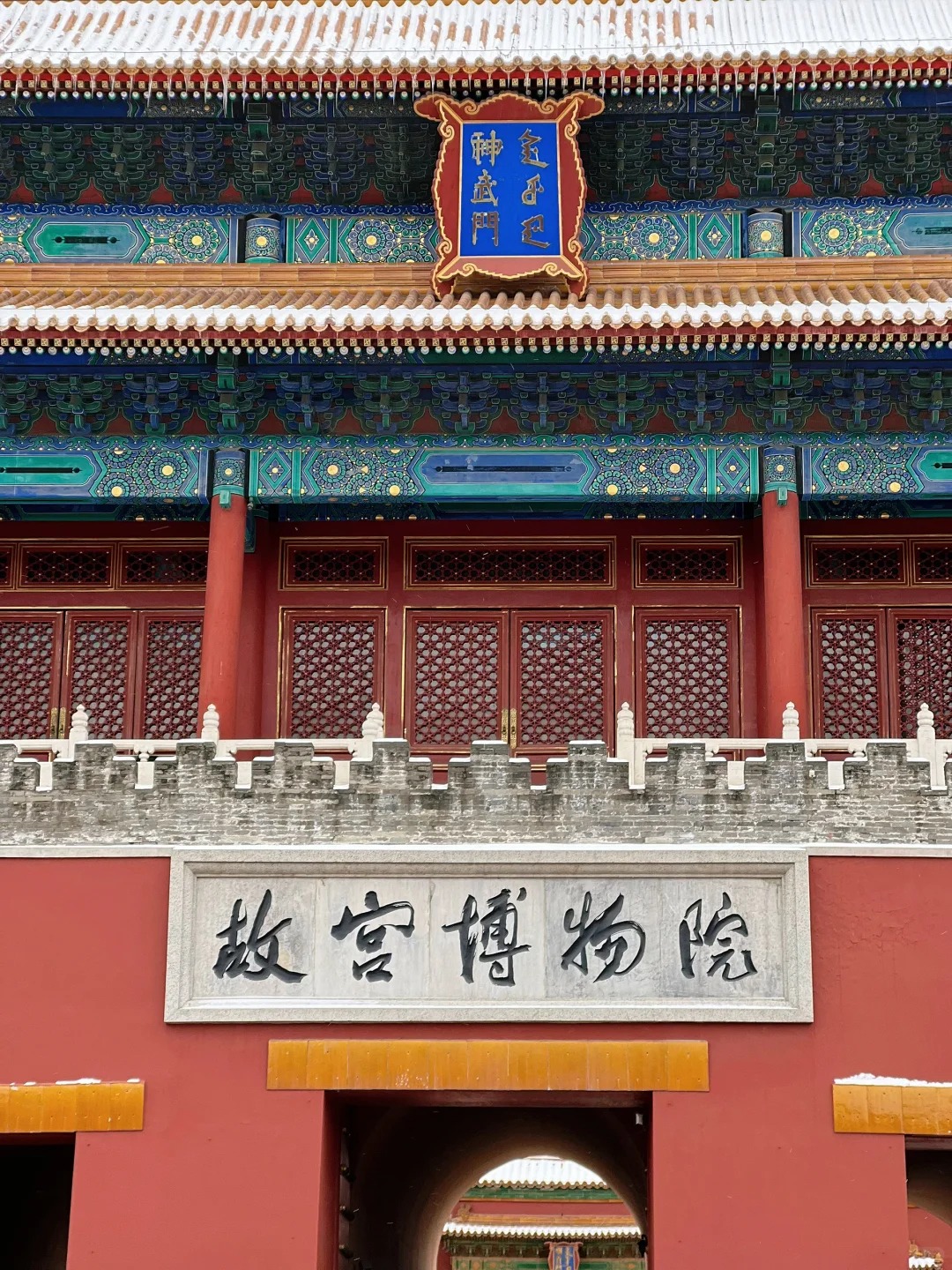
But the most poignant moment came when I saw a simple robe worn by the last emperor, Puyi. It looked small, almost fragile. Standing there in Forbidden City The Palace Museum Beijing, I felt the weight of the transition from empire to republic. These objects—the jade seals, the golden chalices, the silk paintings—were once touched by living, breathing people who laughed, cried, and feared for their lives within these high walls.
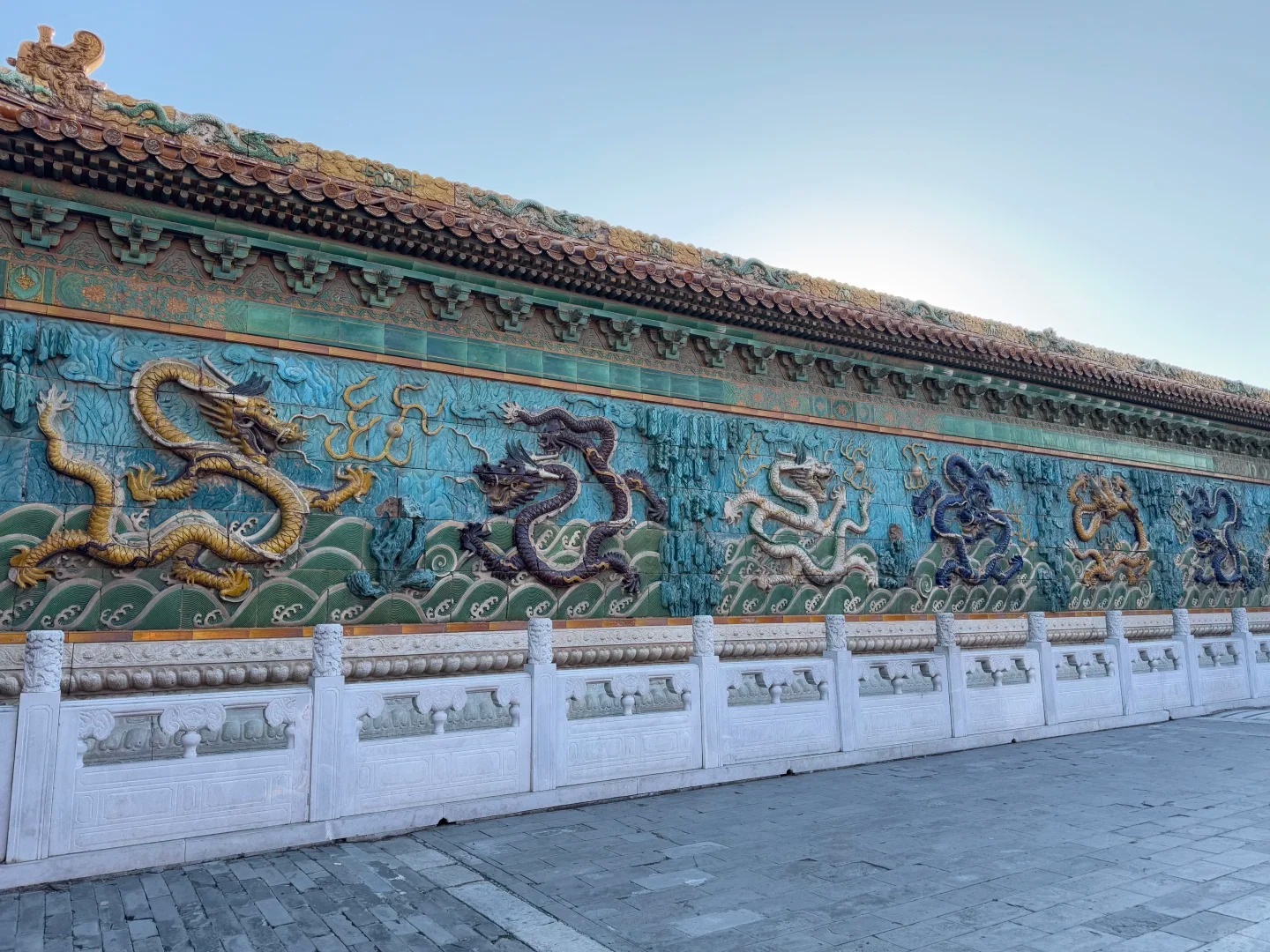
I took a break in a small courtyard where a 300-year-old cypress tree twisted towards the sky. I drank a bottle of jasmine tea, the floral scent mingling with the museum air. It struck me that while the emperors are gone, the craftsmanship of their artisans survives. Every jade carving, every brushstroke on a scroll, is a testament to the nameless masters who dedicated their lives to beauty. This museum is their memorial.