They say history is written by the victors, but at Yanmen Pass (Wild Goose Pass), history feels like it was written by the wind. Situated on the Yanmen Mountain, this strategic point has been the gateway between the Central Plains and the northern steppes for millennia. It has seen Han generals, Mongol hordes, and Silk Road traders. I came here not just to see a fortress, but to stand at the crossroads of civilizations.
The drive to Yanmen Pass, about 20 kilometers north of Dai County in Shanxi, is scenic in a desolate way. The landscape is vast and open, with rolling brown hills stretching as far as the eye can see. I arrived in late autumn, when the grass had turned yellow and the wind carried a bite of winter.
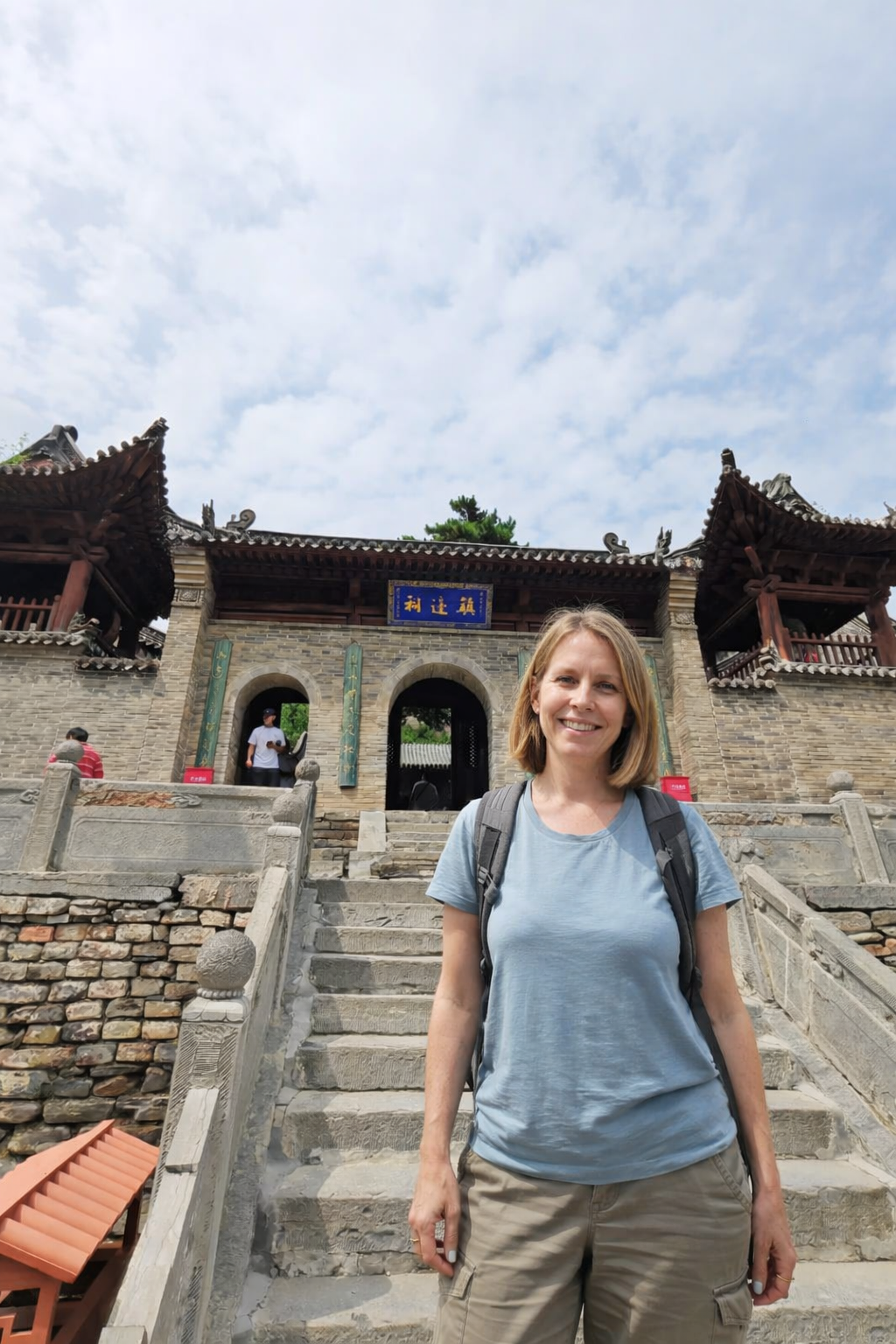
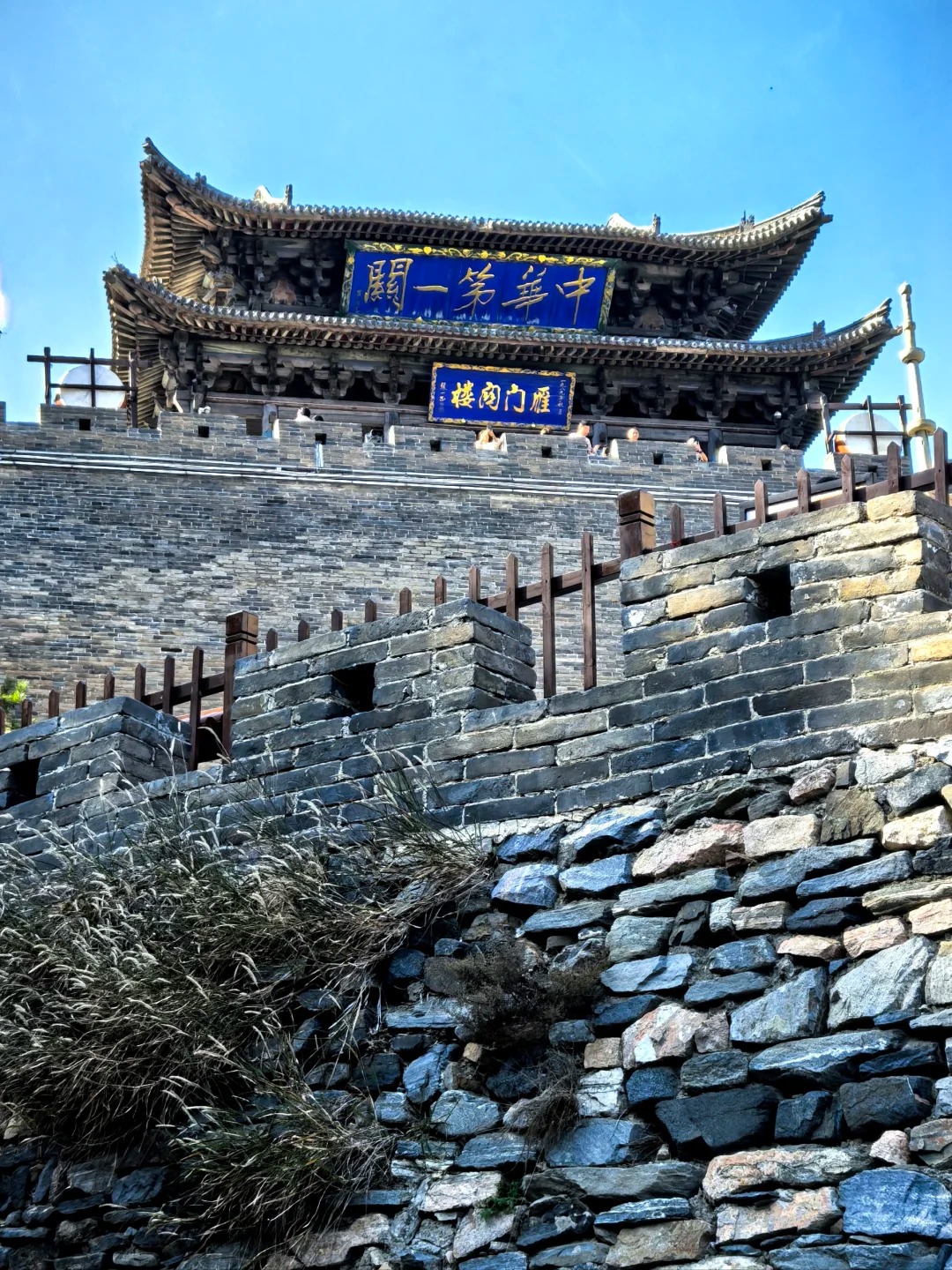
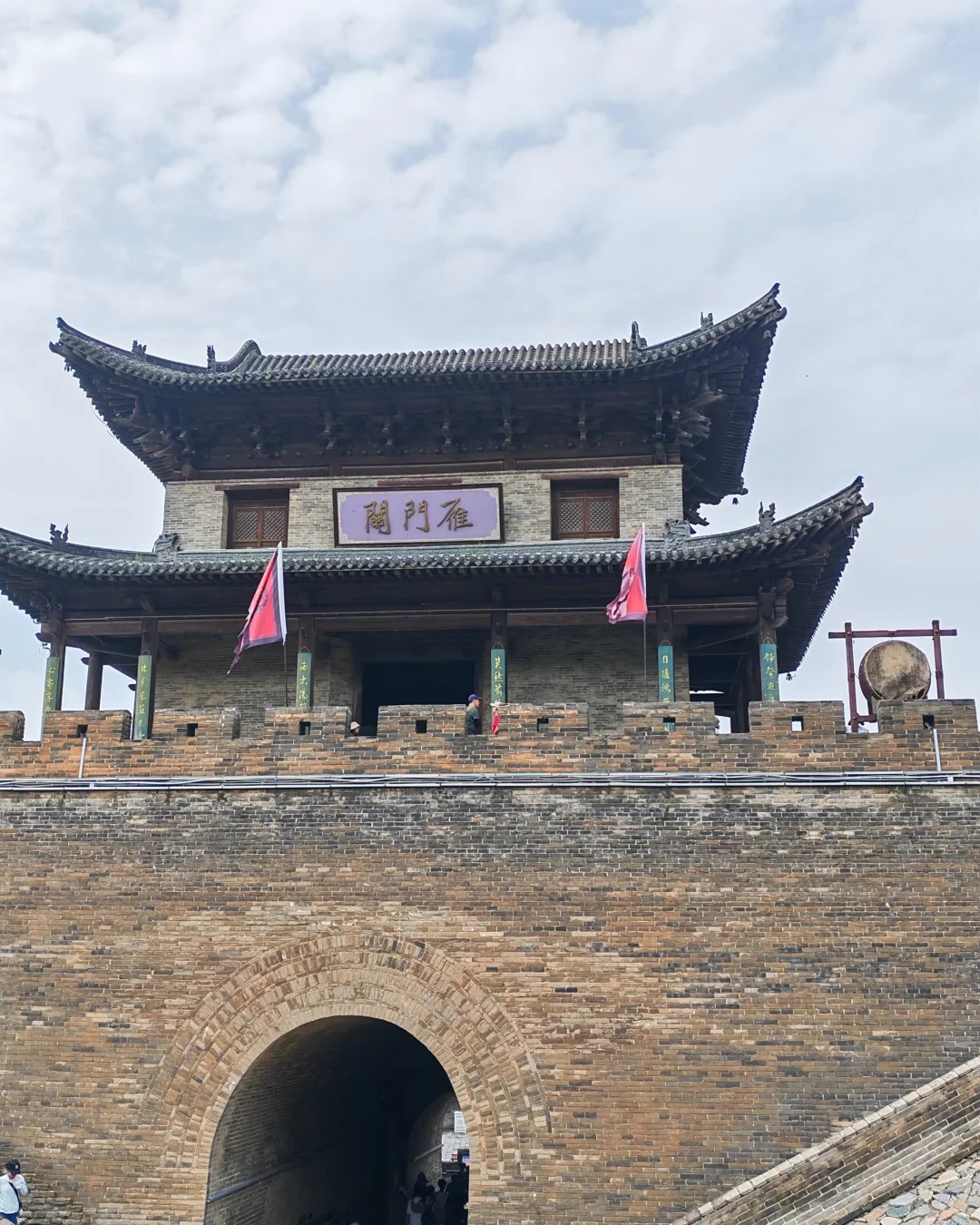
The first thing that strikes you about Yanmen Pass is its imposing location. It sits perched on a high mountain pass, a natural choke point. I started my exploration at the new Yanmen Pass, the fortress that looks familiar to movie buffs—it has served as the backdrop for countless historical dramas. The gray stone walls, crenellations and watchtowers rise dramatically against the sky. Climbing the watchtower, I was nearly knocked over by the wind. It howls through the pass, a constant, mournful sound.
From the top, the view is strategic genius. You can see for miles in both directions. It became immediately clear why this was called the “First Pass of the Great Wall” (though there are several claiming that title). Any army trying to invade from the north would have to funnel through this narrow gap, making them easy prey for the defenders. I closed my eyes and imagined the scene centuries ago: thousands of cavalry charging, the clash of steel, the shouting of orders. The wind felt like the ghosts of those soldiers.
I walked down from the main fortress to the ancient pass road, which is known as the “Stone Avenue.” This is an old cobblestone path worn smooth by cart wheels over thousands of years. Deep ruts, some nearly a foot deep, are still visible in the stone. I ran my hand over those grooves, feeling a physical connection to the merchants of the Tang and Song dynasties. It was humbling to think that silk, spices, and ideas once flowed right here beneath my feet.
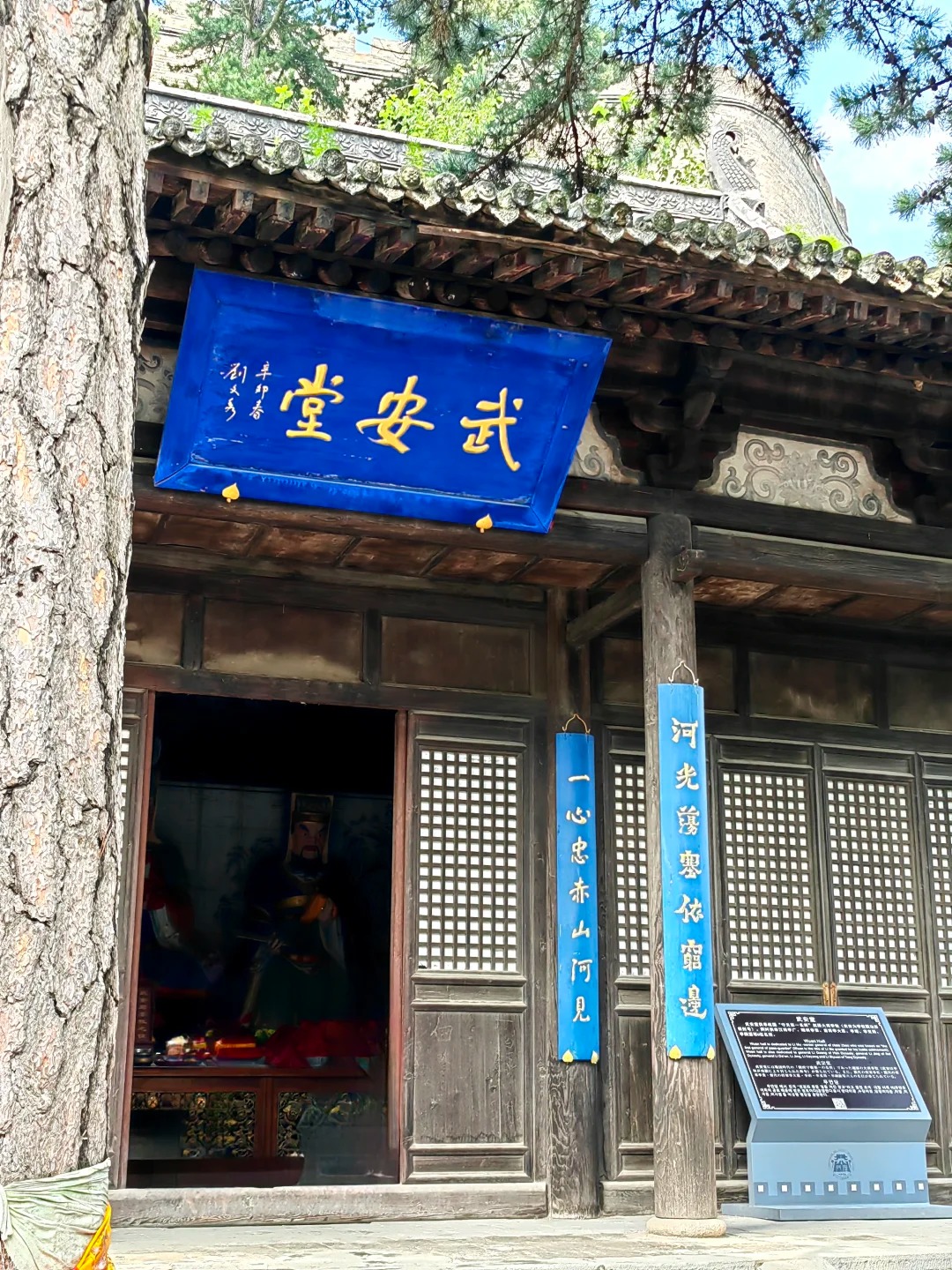
Nearby, I visited the ancestral temple of the Yang family. The Yangs are legendary in Chinese folklore, known for their fierce loyalty and martial prowess in defending the Song Dynasty borders. The temple is somber, filled with statues of the generals. Walking through the courtyards, I could sense the weight of sacrifice. This wasn’t just about strategy; it was about families giving their sons to defend their land. The atmosphere was heavy with respect.
For lunch, I ate in a small farmhouse restaurant at the foot of the mountain. The specialty here is “Yanmen Mutton,” a spicy stew made with local goat meat. The meat was tender and gamey, perfect for the cold weather. The host, a tough-looking woman with rosy cheeks from the mountain wind, told me that life up here is hard, but they are proud of their history. “We are the gatekeepers,” she said with a smile.
In the afternoon, I hiked up to the雁塔. It was a steep climb, but the isolation was worth it. I sat there for an hour, completely alone, watching the clouds cast shadows on the vast plains below. There is a profound silence here, interrupted only by the flapping of prayer flags strung up by locals.
Yanmen Pass is not as polished or accessible as sections of the Great Wall near Beijing. It is rough, authentic, and often overlooked. But that is exactly its charm. It feels real. It is a place where you can touch the ruts of history and feel the wind of the past against your face. If you want to understand the struggles and triumphs that shaped ancient China, come to Yanmen Pass. Just bring a warm coat and a sturdy pair of boots.