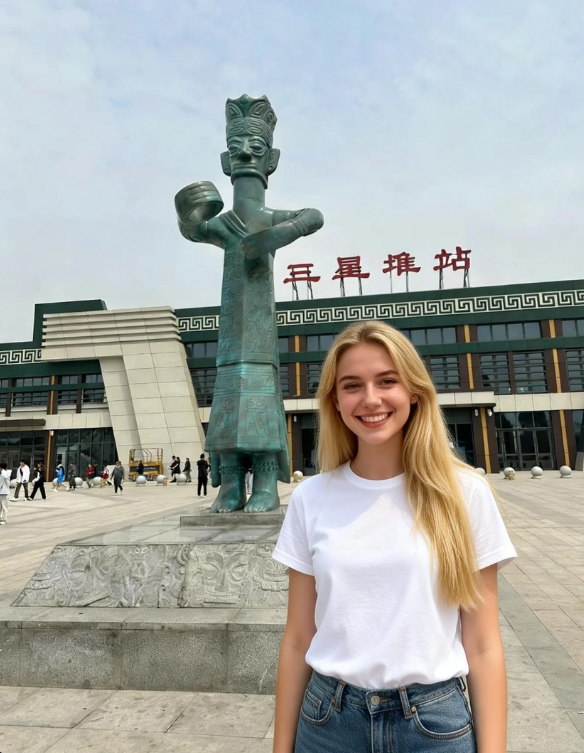
I have walked through the Forbidden City and marveled at the Terracotta Warriors, but nothing prepared me for the visceral jolt of the Sanxingdui Museum. Located just an hour’s drive from Chengdu, this place holds the remains of a civilization that seems to have come from nowhere and vanished without a trace. As I approached the massive, futuristic new museum building, which looks like a stack of eyes peering out of the earth, I felt a buzz of anticipation. I wasn’t just going to look at old pots and jade; I was going to meet a mystery.
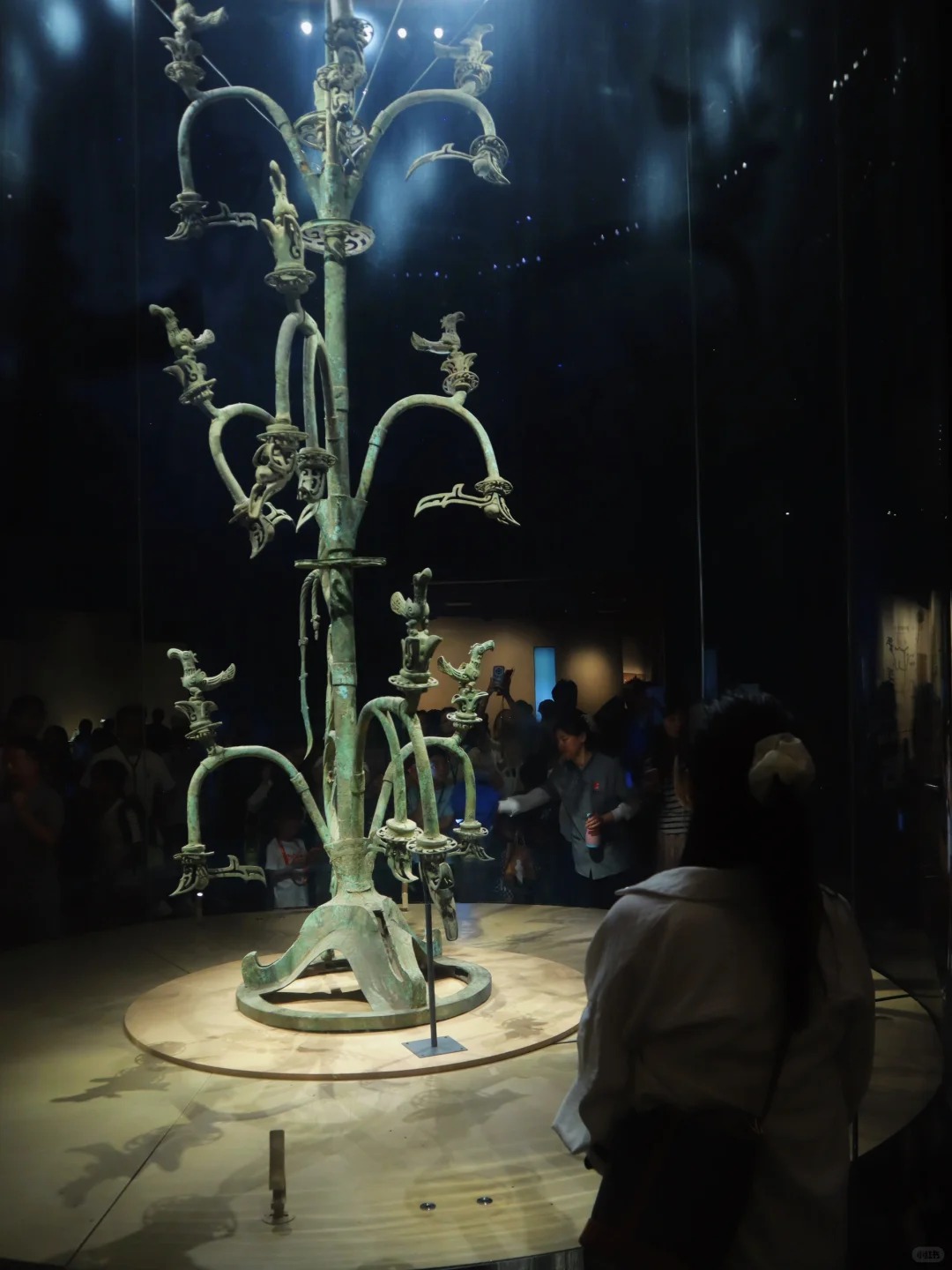
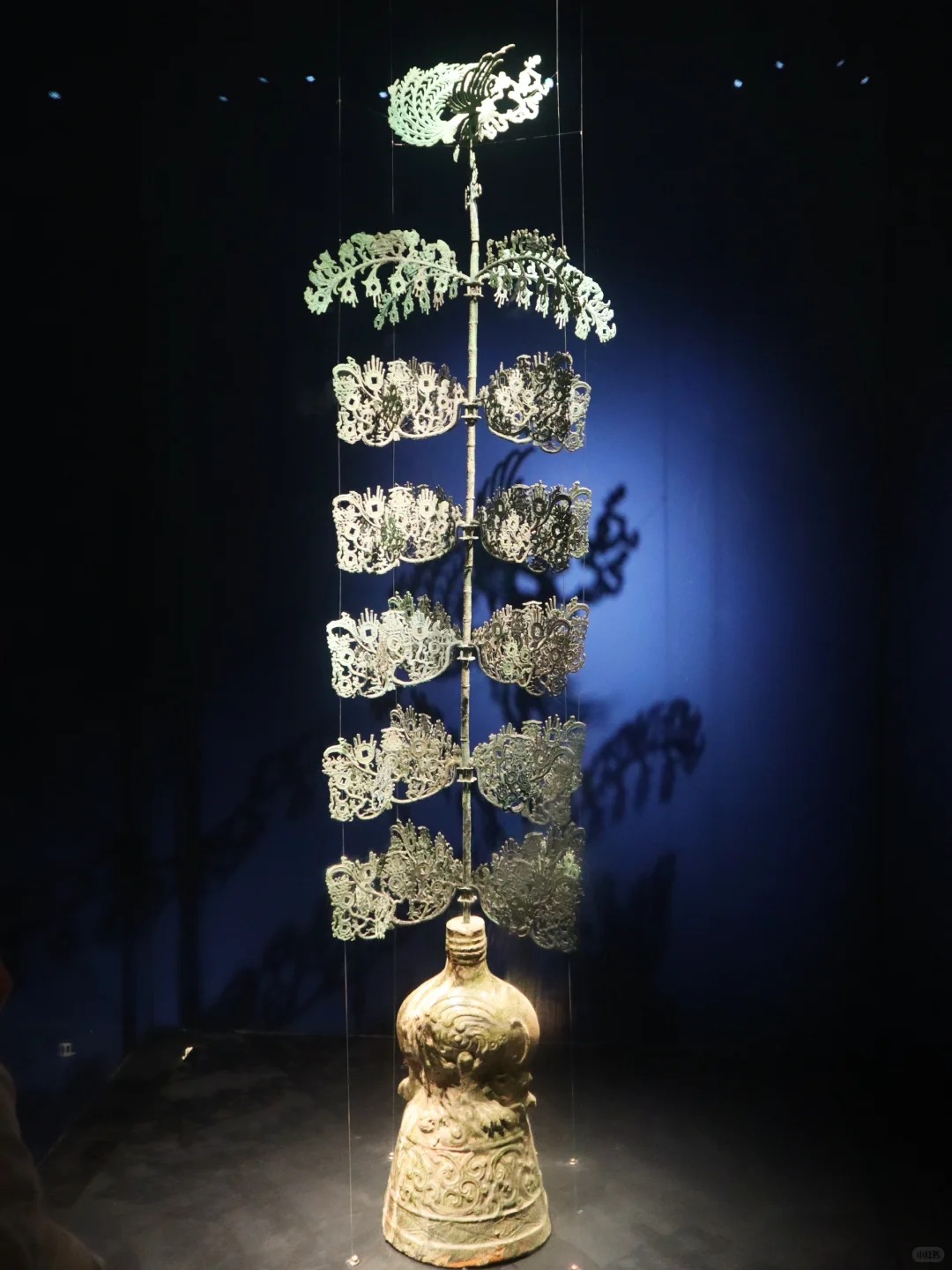
The moment I stepped into the main exhibition hall, the atmosphere changed. The lighting is dim, dramatic, focusing all attention on the bronze objects standing in silence. I walked toward the first gallery, and there it was—the Bronze Divine Tree. It is nearly four meters tall, held up by a complex support structure because it is too heavy to stand on its own trunk. My eyes traveled up the nine branches, where birds perch, gazing in different directions. In ancient Chinese mythology, birds carried the sun. Seeing this tree, cast in bronze over 3,000 years ago, I felt the weight of their cosmology. It wasn’t just art; it was a machine for communicating with the heavens.
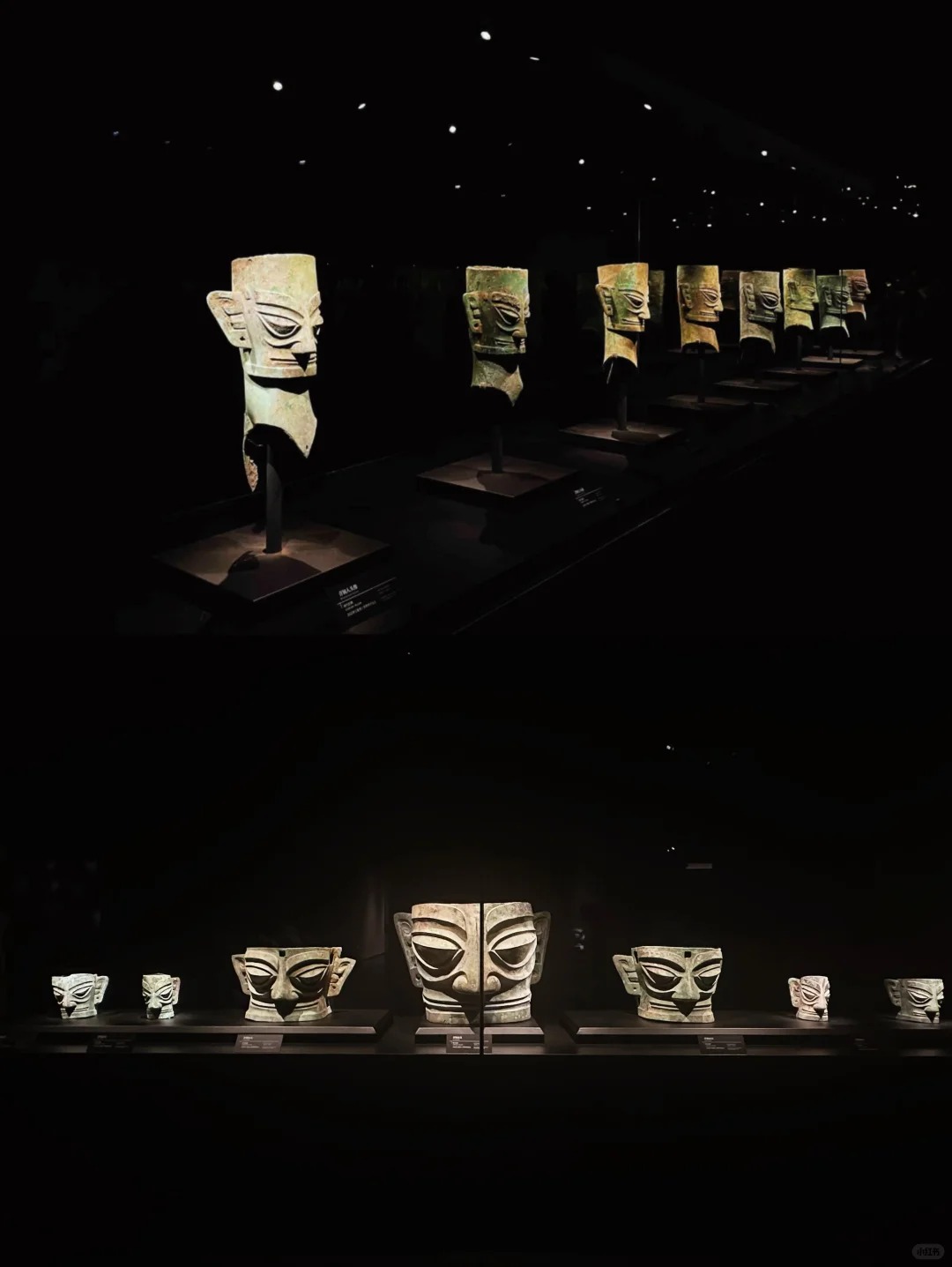
But the true stars of Sanxingdui are the masks. I turned a corner and found myself face-to-face with the Bronze Head with Protruding Eyes. It is haunting. The eyes bulge out like telescope lenses, and the ears are enormous, flaring out like wings. My first instinct was to smile because it looked almost comical, like a character from a cartoon. But then I really looked at it. The expression is serious, intense. Why did they carve eyes like this? Some scholars say they represent a god, perhaps Cancong, the legendary founder of the Shu people, who was said to have protruding eyes. Others say they represent shamans looking into other dimensions. Standing there, staring into those ancient bronze eyes, I felt a chill run down my spine. It felt like they were looking back at me, across three millennia of silence.
I moved on to the gallery containing the Golden Mask. It is displayed in a solitary glass case, spotlighted so that it glows with a warm, fierce light. Unlike the bronze, gold is soft. It is human. The mask is thin, beaten from pure gold, and it covers what was once a human face (likely attached to a wooden head that rotted away centuries ago). Seeing the gold remnants of the lips and the eyes made the civilization feel real again. It wasn’t just monsters and gods; it was people—people who loved gold, who had the power to command immense wealth, and who wanted to be remembered forever.
One of the most overwhelming moments was seeing the Bronze Standing Figure. He is huge—2.62 meters tall—and stands on a pedestal supported by elephant trunks. He wears a long robe covered in dragon and bird motifs. His hands are enormous, clasped together as if he was once holding an ivory tusk or a ritual vessel. He stands with such authority. He looks like a king, or perhaps a high priest, directing the cosmos. I stood at his feet, feeling tiny. The craftsmanship is mind-boggling. How did they cast this? How did they handle the molds? The technical sophistication of the Sanxingdui artists rivals anything we see in the Bronze Age in Egypt or Mesopotamia, yet it developed in isolation in the Sichuan basin.
What struck me most profoundly was the silence of the museum. Hundreds of people were walking through, but you could hear a pin drop. Everyone was whispering. It was a collective “Wow.” We were all grappling with the same questions: Who were these people? Where did they go? Why did they smash their precious treasures and bury them in pits? There are no written records. It is a civilization defined only by what they left behind.
I spent hours in the museum. I examined the sun bird ornaments, the jade daggers, and the hundreds of smaller bronze heads. I felt a strange mixture of awe and sadness. Awe at their creativity and skill; sadness that their voices were lost to time. It reminded me how fragile human memory is. We think our digital world is permanent, but Sanxingdui proves that even great civilizations can vanish, leaving behind only mysterious statues for the future to puzzle over.
Leaving the museum, I walked out into the bright Sichuan sunlight. The world outside felt mundane by comparison—cars, traffic, modern clothes. But in my mind, I still saw the protruding eyes and the golden mask. Visiting the Sanxingdui Museum is not just a history lesson; it is a humbling reality check. It shows us that history is not a straight line. It is a tangled web full of dead ends and forgotten branches. If you are in Sichuan, you must come here. Not just for the photos, but to feel the thrill of the unknown. It is the closest thing to touching an alien civilization right here on Earth. It is a reminder that we still have so much to learn about our past.