If you have ever studied Chinese literature, you have heard of Yueyang Tower. It is one of the Three Great Towers of Southern China, but standing before it on the shores of Dongting Lake, I realized it is more than a building; it is a monument to the Chinese literati spirit.
I arrived in Yueyang city on a humid afternoon and made my way to the ancient city wall. The tower itself is a magnificent three-story structure, built of pure wood without a single nail, with distinctive yellow-tiled eaves that curve upward like helmets. It stands proudly overlooking the vast expanse of Dongting Lake.
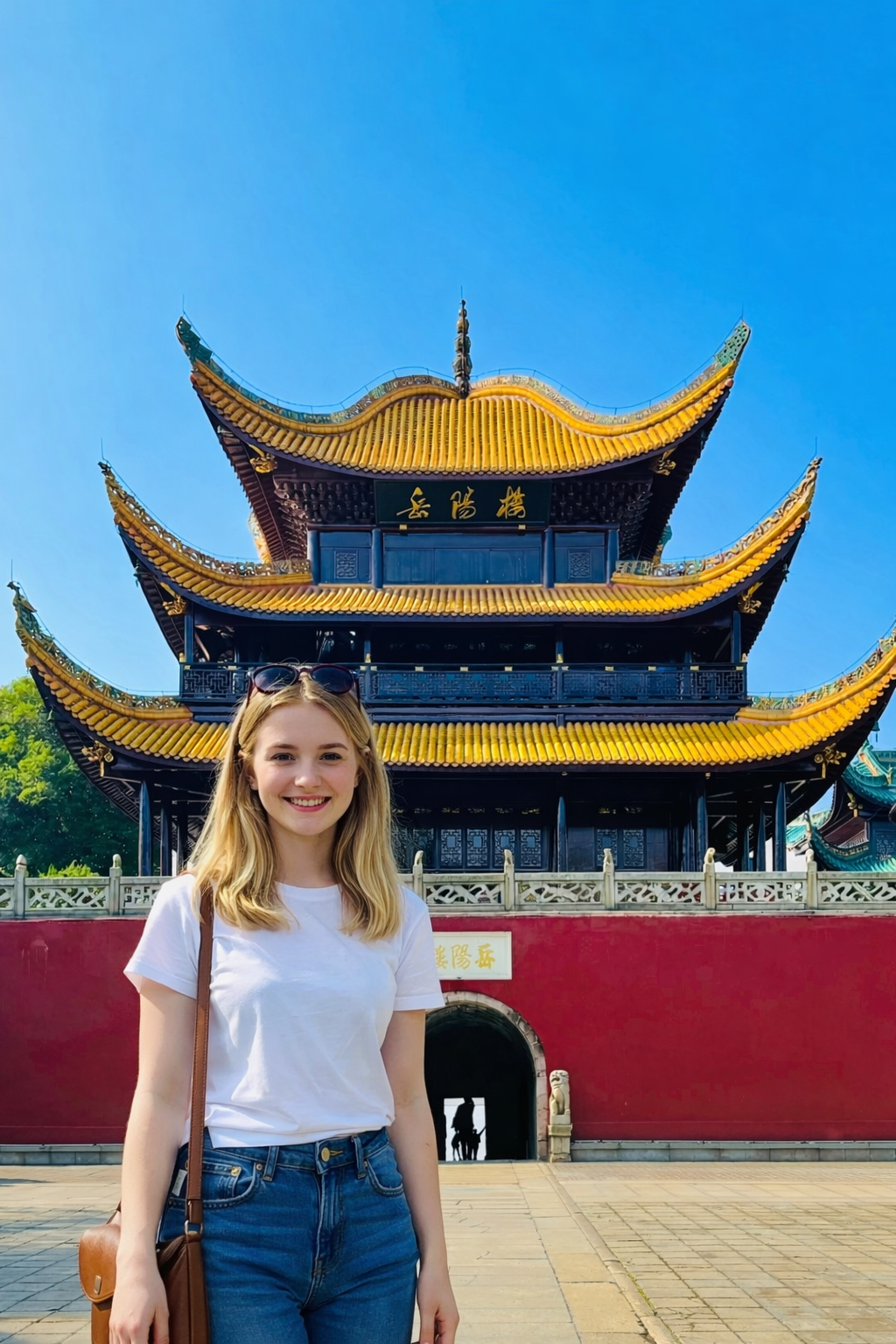
As I climbed the stairs of the tower, the history felt palpable. This tower has been destroyed and rebuilt many times over the centuries, but the spirit remains. I reached the main hall and found the famous couplet by the Qing Dynasty scholar He Shaoji. But it was the words of Fan Zhongyan, the Song Dynasty statesman, that hung heavy in the air. His essay, *Memorial to Yueyang Tower*, is memorized by every schoolchild in China. “Be the first to worry about the nation’s fate, and the last to enjoy its pleasures,” he wrote.
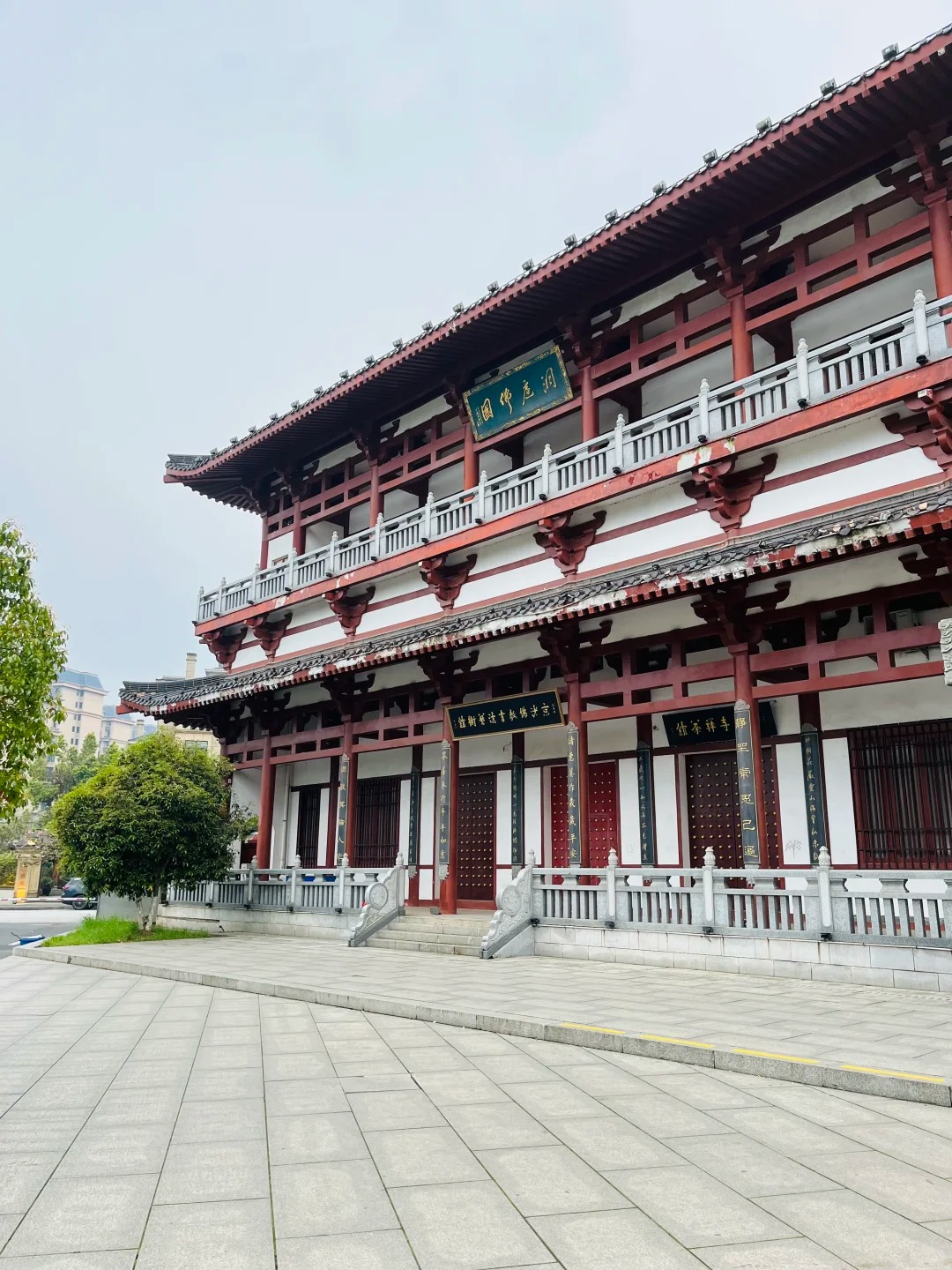
Standing on the balcony of the second floor, looking out at the misty waters of Dongting Lake, I understood why this place inspired such poetry. The lake is immense—an inland sea. On a clear day, you can see the water meet the sky. The wind blowing off the lake carries a sense of boundless freedom. I watched boats dotting the horizon, tiny specks against the grey water. It felt vast and lonely, a place where a poet could truly think.
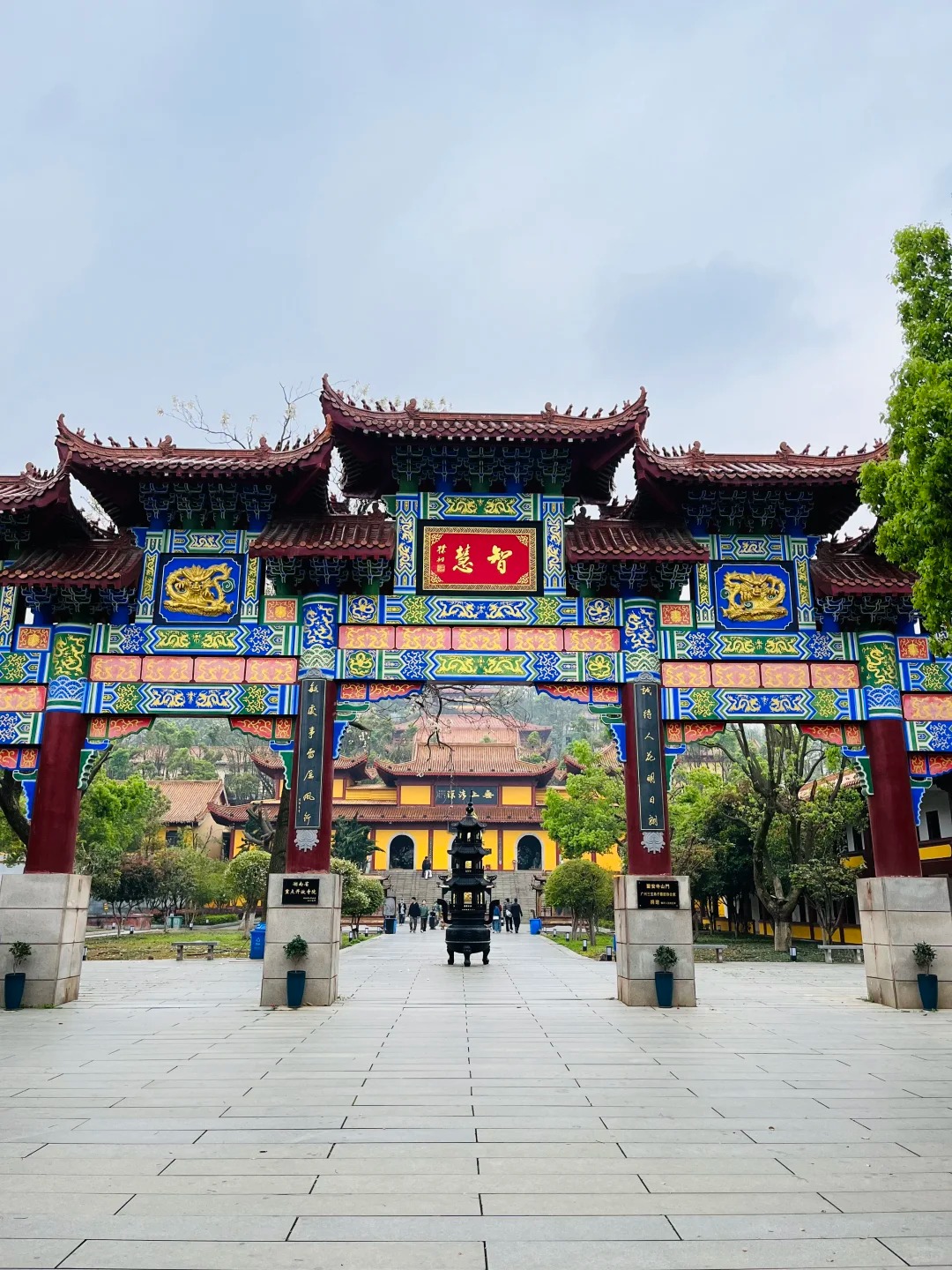
Inside the tower, there are exhibitions of calligraphy and ancient scrolls. I spent a long time looking at the different renditions of Fan Zhongyan’s essay, written by famous calligraphers over the centuries. The strokes of the brushes were full of emotion.
I walked down to the city wall and sat by the water as the sun began to set. The silhouette of the tower against the orange sky was dramatic. The “Little Heaven on Earth” (a nickname for the gardens below the tower) was bustling with locals practicing sword dancing and opera singing. It was a beautiful scene of life continuing against a backdrop of history.
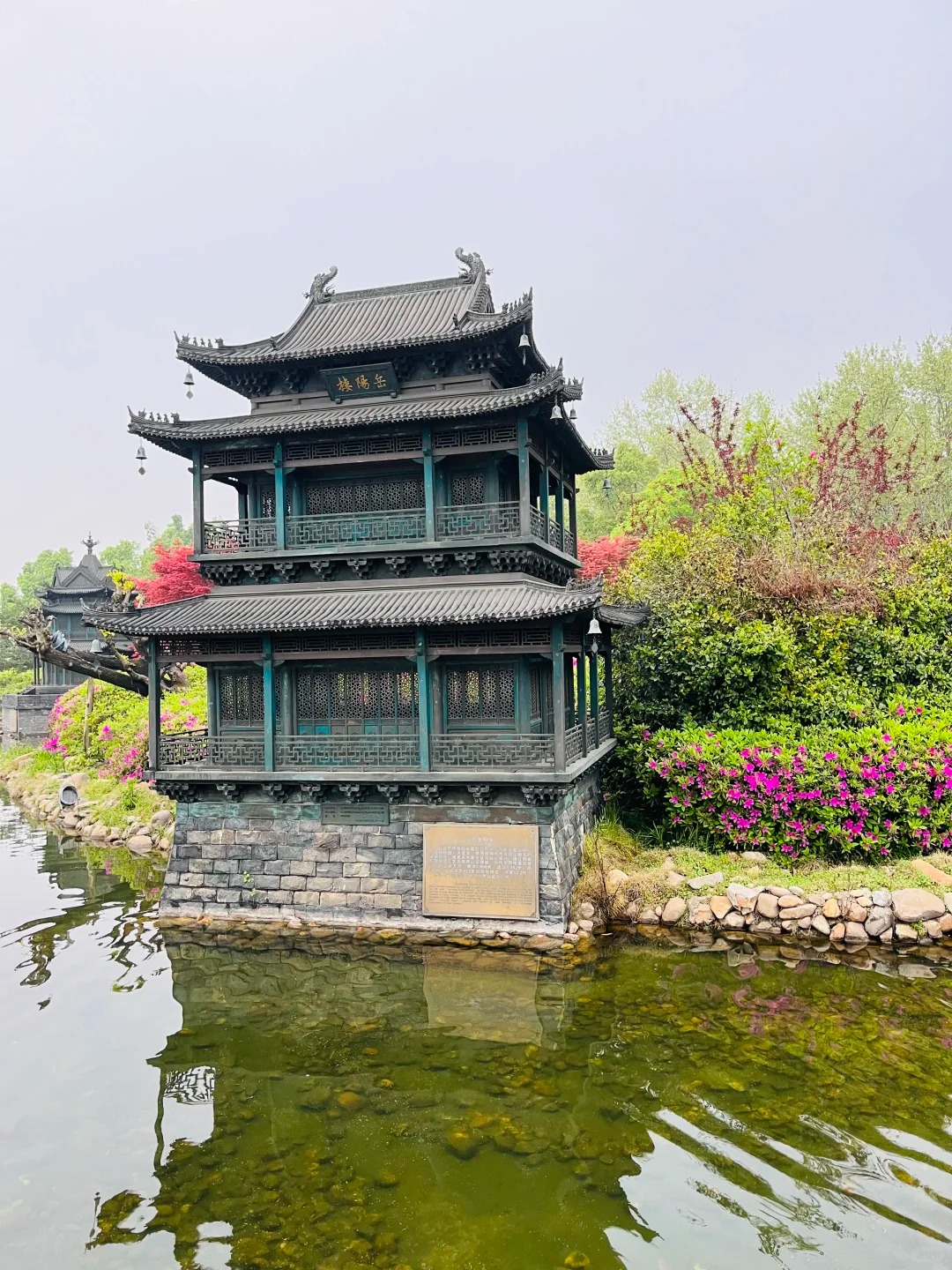
Visiting Yueyang Tower is not just about sightseeing; it’s about connecting with the intellectual soul of China. It’s a place that reminds you of the power of words and the enduring nature of ideals. As I left, I felt a renewed sense of respect for the scholars of the past who found wisdom in this view.