We all chase mirages—dreams of paradise, immortality, a place where the world's edges soften into myth. My journey to the Penglai Pavilion on the northern coast of Shandong was a pursuit of the most famous mirage of all. For two millennia, this coastal fortress has been the legendary home of the Eight Immortals and the elusive paradise where Emperor Qin Shi Huang sought the elixir of life. I came not expecting to find immortality, but to stand where the human imagination first dreamed it.
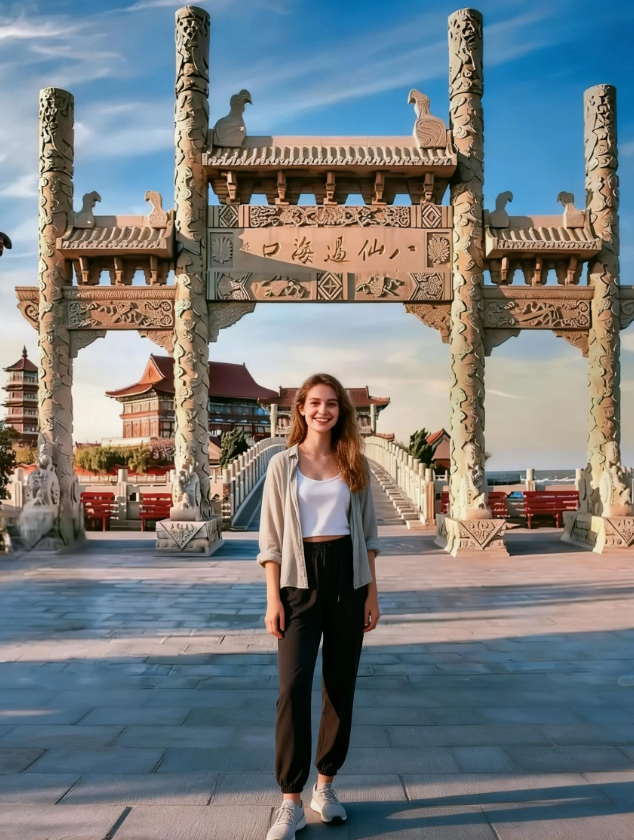
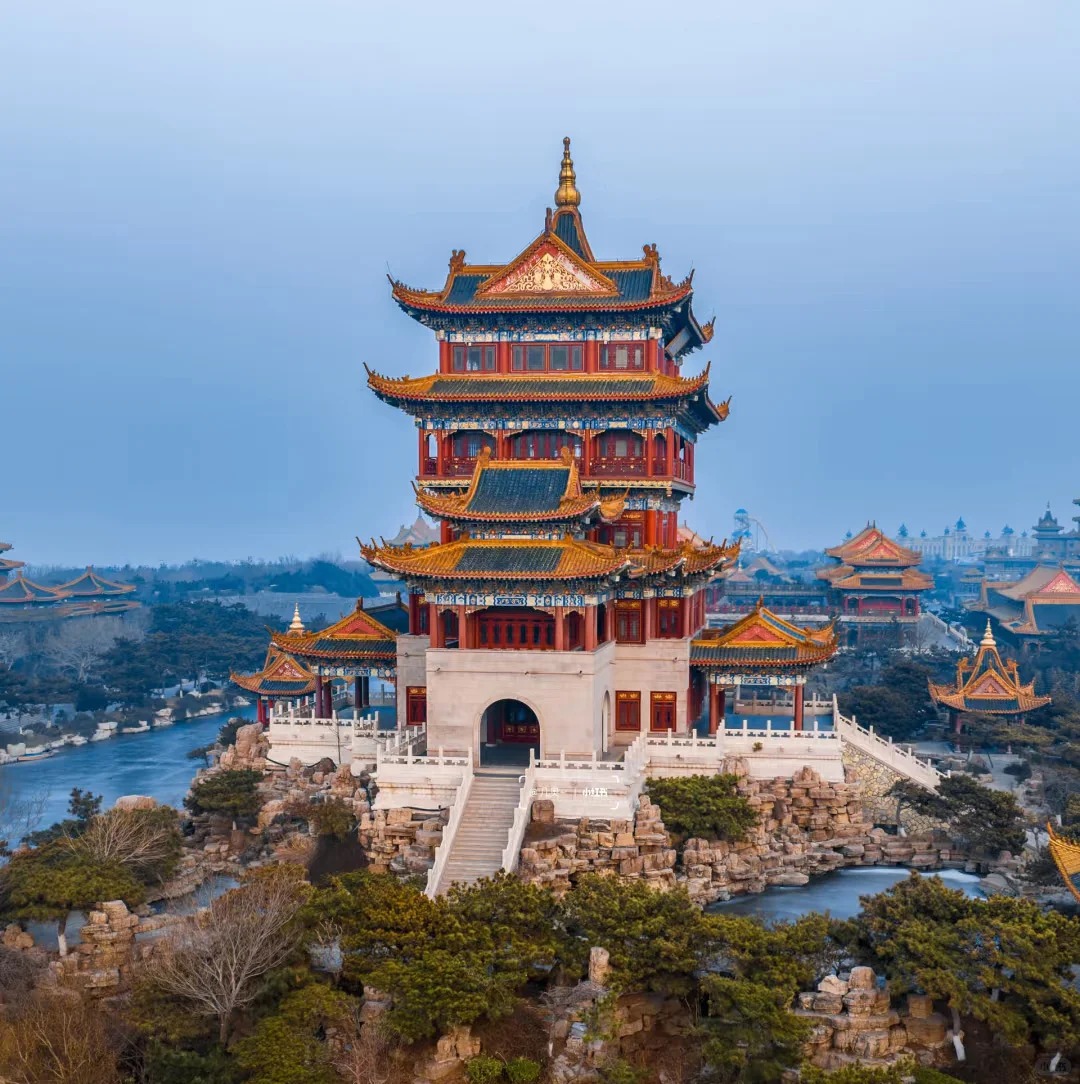
Perched on a cliff overlooking the Bohai and Yellow Seas, the pavilion complex feels defiantly theatrical. Its upturned eaves, painted in vermilion and cobalt, claw at a vast, moody sky. The day I arrived was shrouded in a thick, maritime haze. The sea was a sheet of hammered lead, silent and merging with the grey horizon. Standing on the Danzia Pavilion, I understood the genesis of the myth. In this liminal space where water and sky become one, it's easy to believe a mystical island could appear, floating between worlds. I watched fishermen's boats fade into the nothingness and imagined ancient scribes seeing the same, weaving tales of distant, blessed isles.
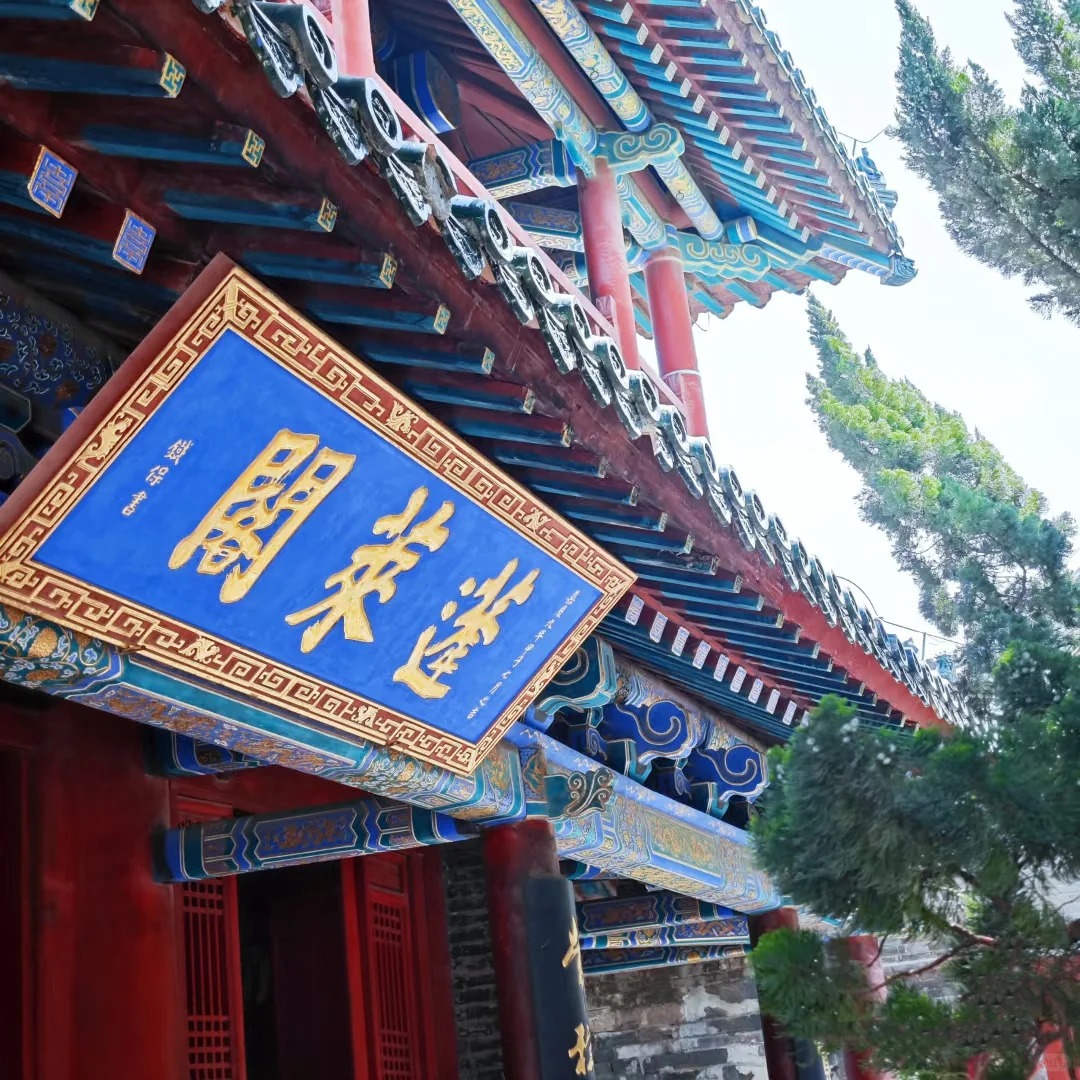
The real magic, however, happened in the Penglai Ancient Water City below the pavilion. This remarkably preserved Ming Dynasty naval fortress, with its stone walls lapped by the tide, felt more tangible than the pavilion above. Walking its ramparts, I could almost hear the clang of armor and the shouts of sailors defending against Mongol pirates. Here, myth met gritty reality. The dream of paradise was protected by solid stone and human vigilance.
My pursuit of the mirage culminated not in a visual spectacle, but in a local legend. A shopkeeper selling sea-shell crafts saw me gazing wistfully at the fog. "You came for the shenshan (mystical mountain) mirage?" he asked with a chuckle. "It only appears on certain afternoons after rain, when the light and air conspire. But you know," he leaned in, "the real Penglai isn't the mirage you see. It's the hope you carry while waiting for it." He pointed to the elderly men flying magnificent, elaborate kites shaped as centipedes and dragons over the cliffs. "We fly our dreams here. That's our elixir."
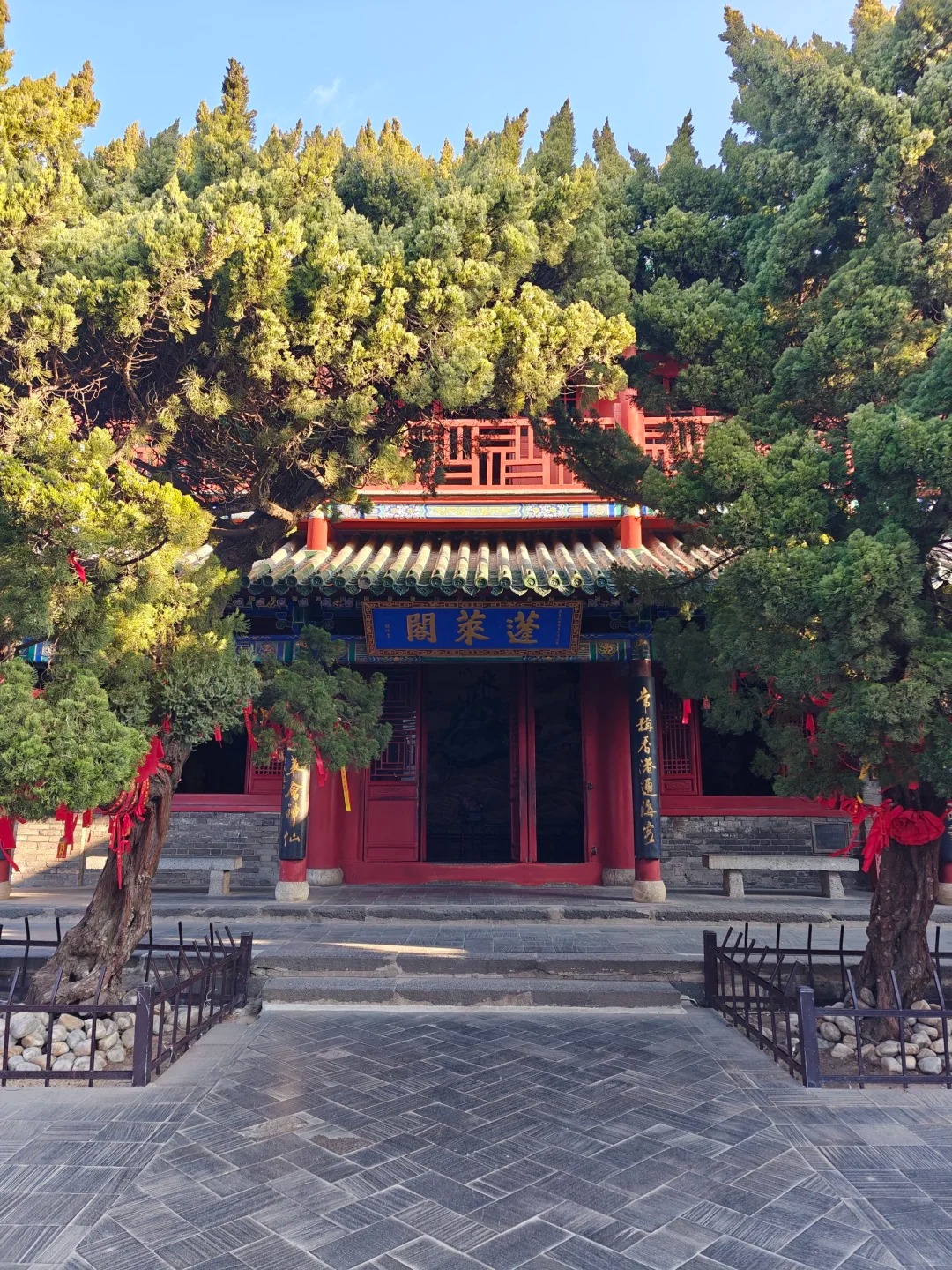
I never saw the celestial city shimmer on the waves. But as I left, the sun broke through, turning the sea from lead to a thousand shades of silver. The pavilion glowed, a brilliant paper cut-out against the light. I carried with me the scent of salt and ancient timber, the sound of kite strings humming in the wind, and the quiet understanding that Penglai's true power lies not in fulfilling the fantasy, but in being the eternal stage for it. It is where China’s pragmatic heart dares to dream, endlessly, of something just beyond the horizon.