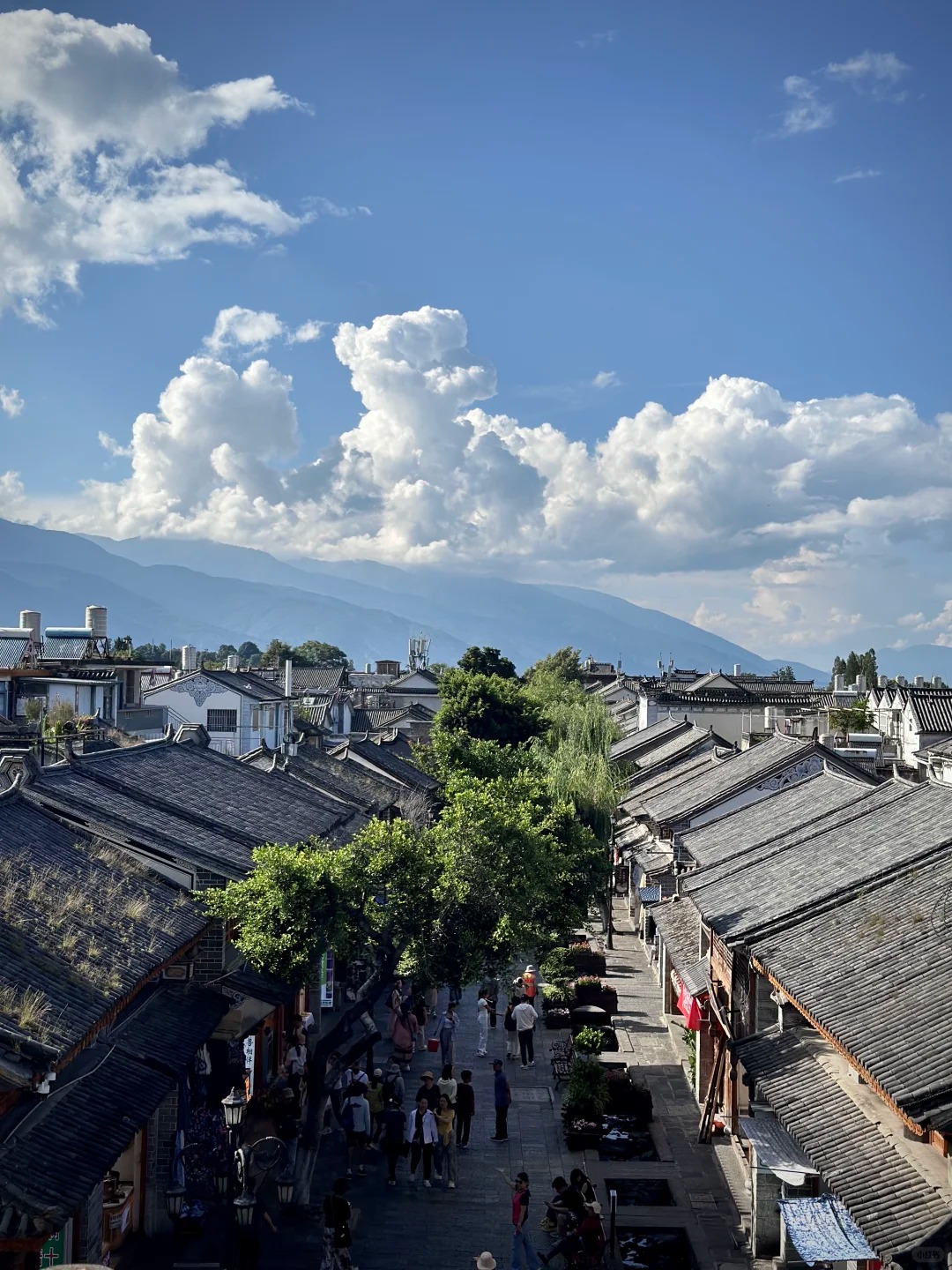
I came to Dali seeking refuge, and the wind offered it first. The "下关风" (Xiaguan Wind) isn't a gentle breeze; it's a constant, rushing force that pours off the Cangshan range, funnels through the Erhai Basin, and announces the city's untamed spirit. It scours the sky to a painful cerulean, whips the surface of Erhai Lake into a million glittering scales, and sets the brass bells on the ancient city gates ringing in a wild, joyful cacophony. My first afternoon, I climbed the worn stones of the south wall, leaned into this elemental torrent, and felt every urban worry stripped away. Dali doesn't let you be complacent; it wakes you up.
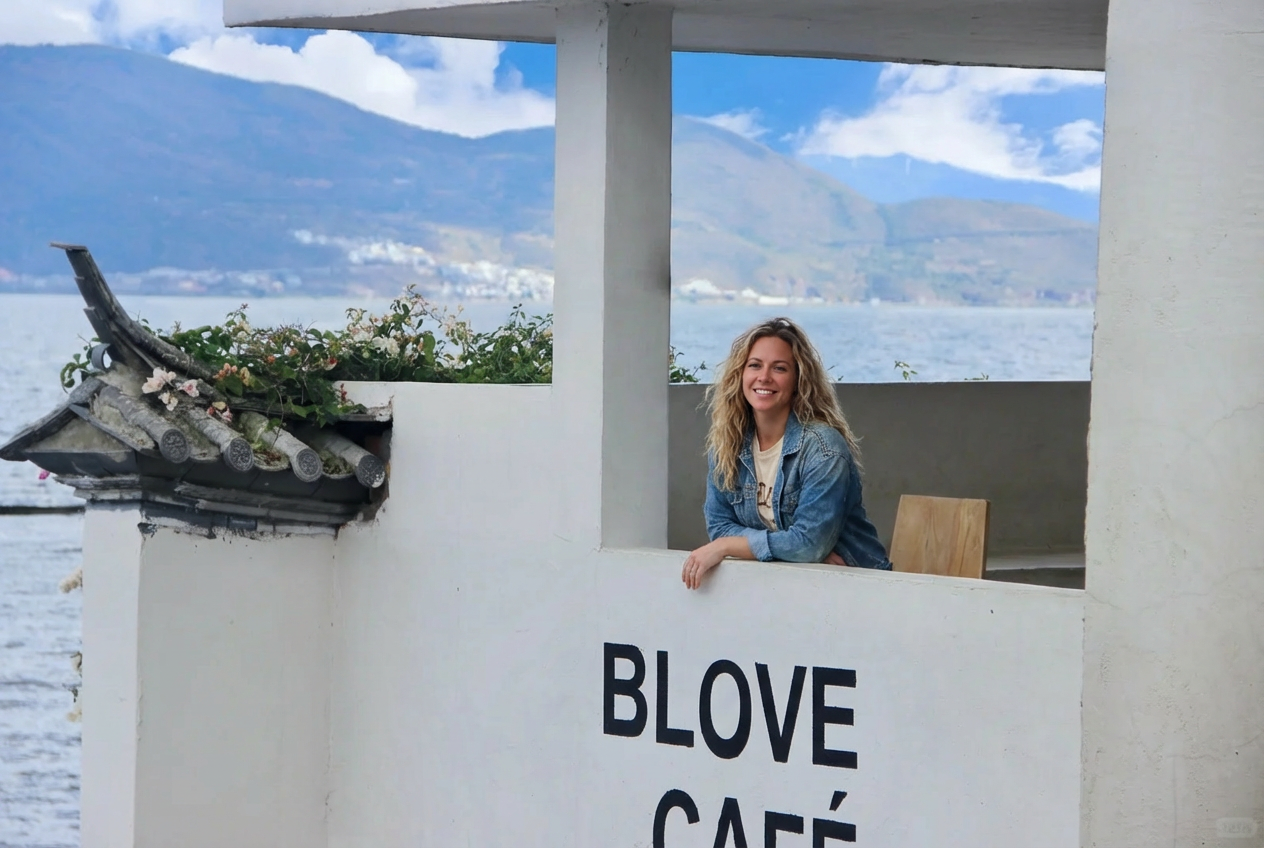
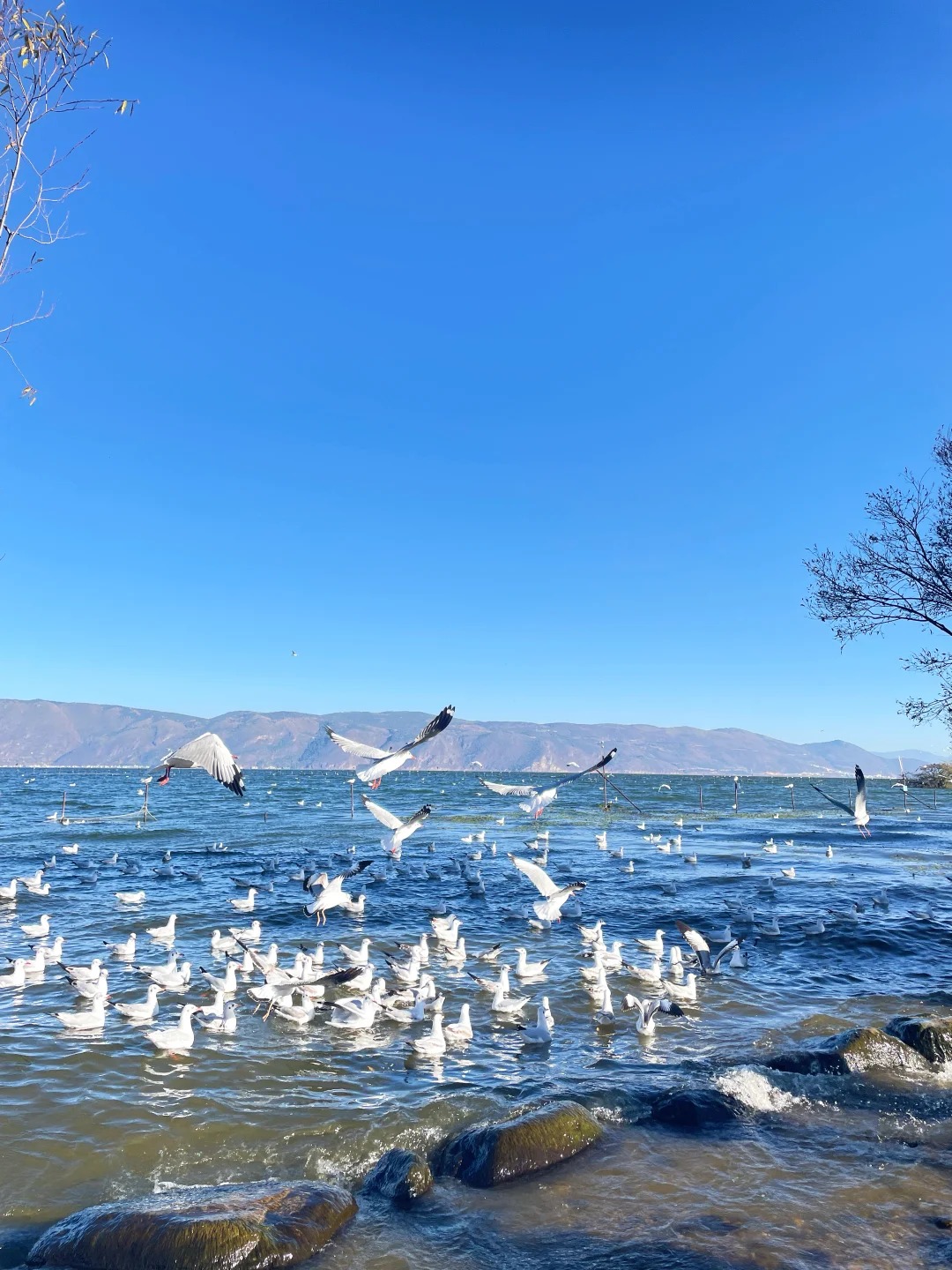
To know Dali, you must leave its walls. I rented a clunky bicycle and joined the slow procession on the Erhai Lake loop. This is where the postcard becomes reality, then surpasses it. For hours, it was just me, the rhythmic whir of the chain, and a panorama that felt like a classical Chinese painting come to life. To my left, the vast, shimmering plate of Erhai, its far shore a hazy line. Fishing skiffs with cormorants dotted the surface, moving with a timeless grace. To my right, the sheer, forested cliffs of Cangshan rose like a green fortress, their peaks often hidden in misty crowns. And between them, an impossibly fertile plain: emerald rice paddies, vibrant yellow rapeseed fields, and rows of garlic being tended by farmers in wide-brimmed hats. The air smelled of damp earth, green growth, and distant woodsmoke.
I detoured into a Bai village. The Bai people's architecture is a poem in white and ink. Every home was a clean, white-walled courtyard, its eaves and gateways adorned with exquisite gray-black murals—phoenixes, flowers, landscapes painted with a delicate, scholarly hand. I watched an elderly woman in an indigo dress and embroidered apron painstakingly stitching a complex pattern onto a baby's cap. Her hands, wrinkled and strong, moved with unconscious precision. She offered a shy smile but no words, a silent exchange that felt deeper than any transaction. At a roadside stall, I tasted "乳扇," a delicate cheese-like sheet made from goat's milk, grilled over charcoal and rolled with rose-petal jam. It was sweet, smoky, and utterly unique—the taste of this land.

The philosophical heart of Dali was revealed to me over tea. Invited into a Xizhou courtyard home by my homestay host, Mr. Yang, I was seated under a grape trellis. His wife prepared the sacred Three-Course Tea. "The first," Mr. Yang intoned, presenting a small ceramic cup, "is bitter. It represents the struggles and hardships of life." I sipped. It was intensely, bracingly bitter. "The second," he continued after a pause, "is sweet. For the joy and rewards that follow effort." This cup was laden with walnuts, brown sugar, and a creamy richness. "The third," he said with a final smile, "is huiwei) Complex. For reflecting on the journey of life." This final brew was a surprising mix of honey, ginger, and a hint of pepper—spicy, sweet, and deeply aromatic, lingering on the palate long after the cup was empty.
As I savored this third tea, the wind rustled through the courtyard's pomegranate tree. I understood. Dali is this three-course tea. The bitter wind and historical struggles. The sweet reward of its breathtaking landscapes and abundant harvests. And the complex, lingering aftertaste of its deep, scholarly, and resilient culture. It’s a place that teaches you to appreciate each phase, to sit with the wind, and to find profound wisdom in the slow sip of a tea.