The first rule of visiting Laoshan is to let go of your plans. The mountain, rising sheer from the Yellow Sea coast near Qingdao, is ruled by a mercurial spirit—part granite, part mist, wholly Taoist. I learned this immediately. I had come for the classic view: jagged peaks against the ocean. Instead, a dense, milky fog swallowed everything beyond ten paces. Disappointed, I sat on a damp rock near the Taiqing Palace, one of China’s oldest Taoist temples.
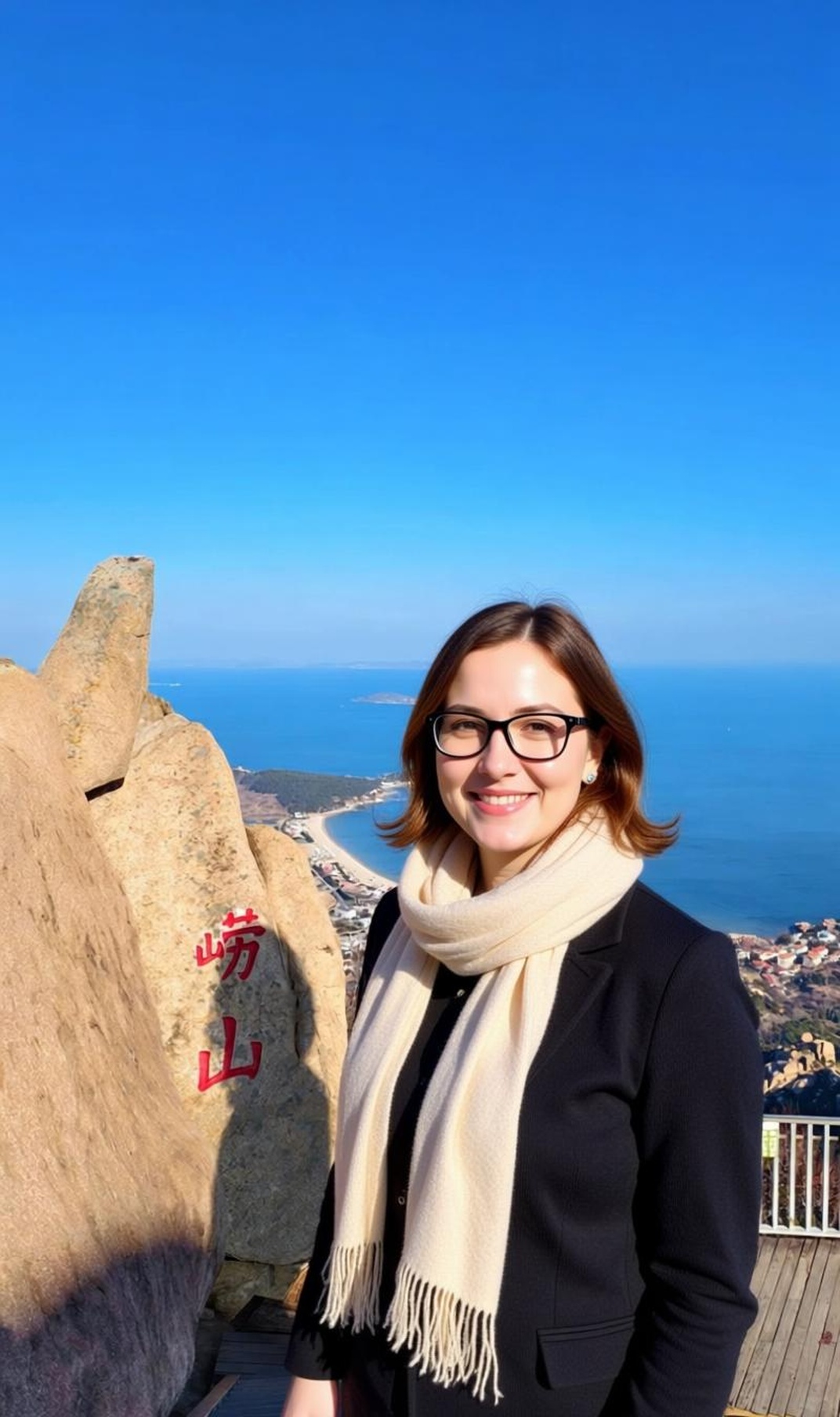
As I sat, the fog began to perform. It flowed through the ancient cypress trees like silent rivers, parted to reveal a moss-covered statue of Lao Tzu for a fleeting second, then closed again. The air was cool and salty, smelling of wet stone, pine, and the distant, unseen sea. This wasn’t poor visibility; it was the mountain teaching its first lesson in wu wei—effortless action, or “going with the flow.” I stopped resisting and started listening.
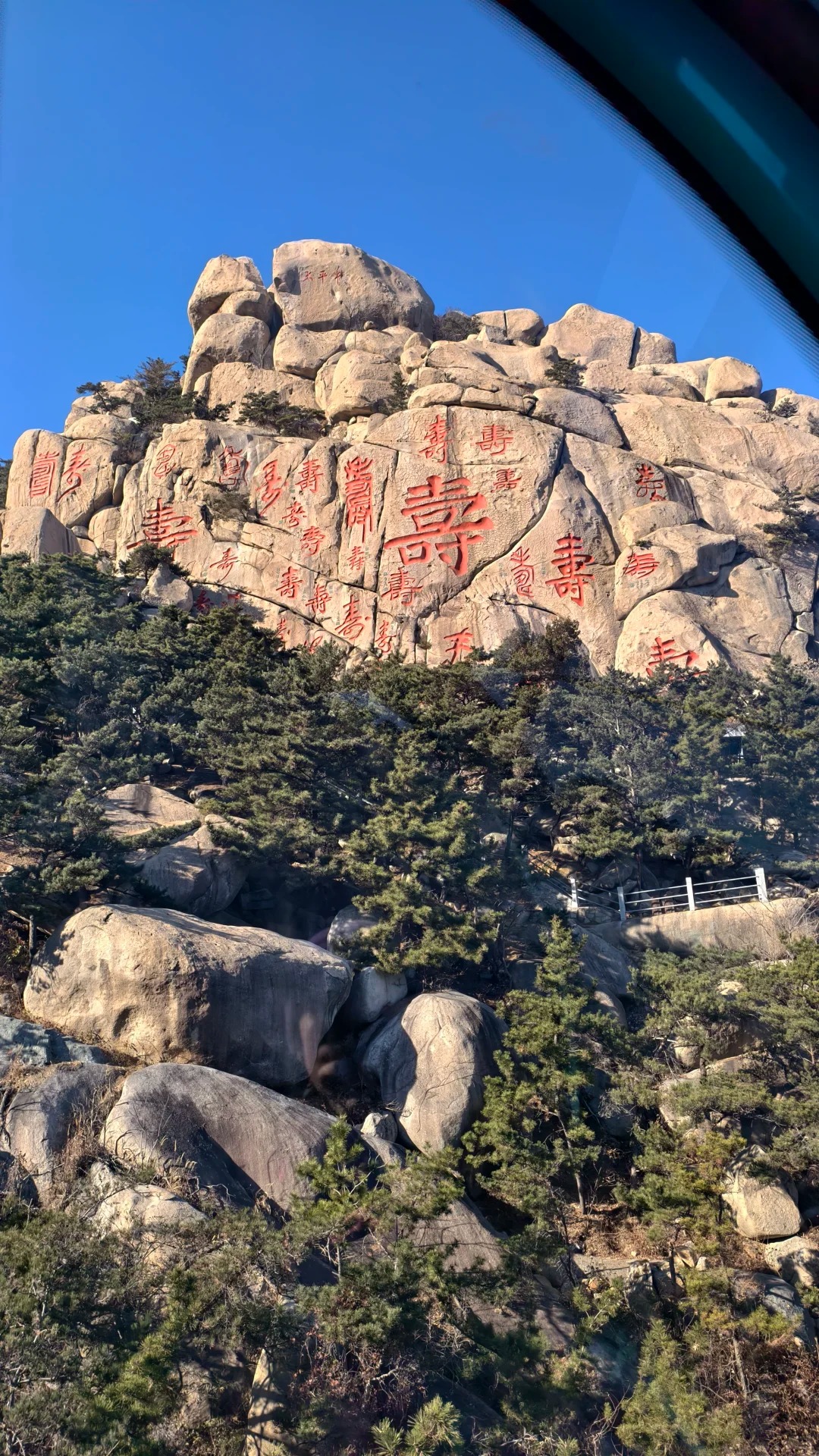
Laoshan is famously the birthplace of Taoist hermits and the legendary home of immortals. Its landscape feels designed for such myths. I followed a path behind the palace to a hidden spring, the Shenshui Spring. According to legend, its sweet, mineral-rich water grants longevity. A local monk was filling a bamboo container. He smiled, handed me a ladle, and said, “The water is the same, but the thirst is different.” I drank. It was cold and clear, with a faint, stony sweetness. Was I tasting water or a story? On Laoshan, the line blurs.
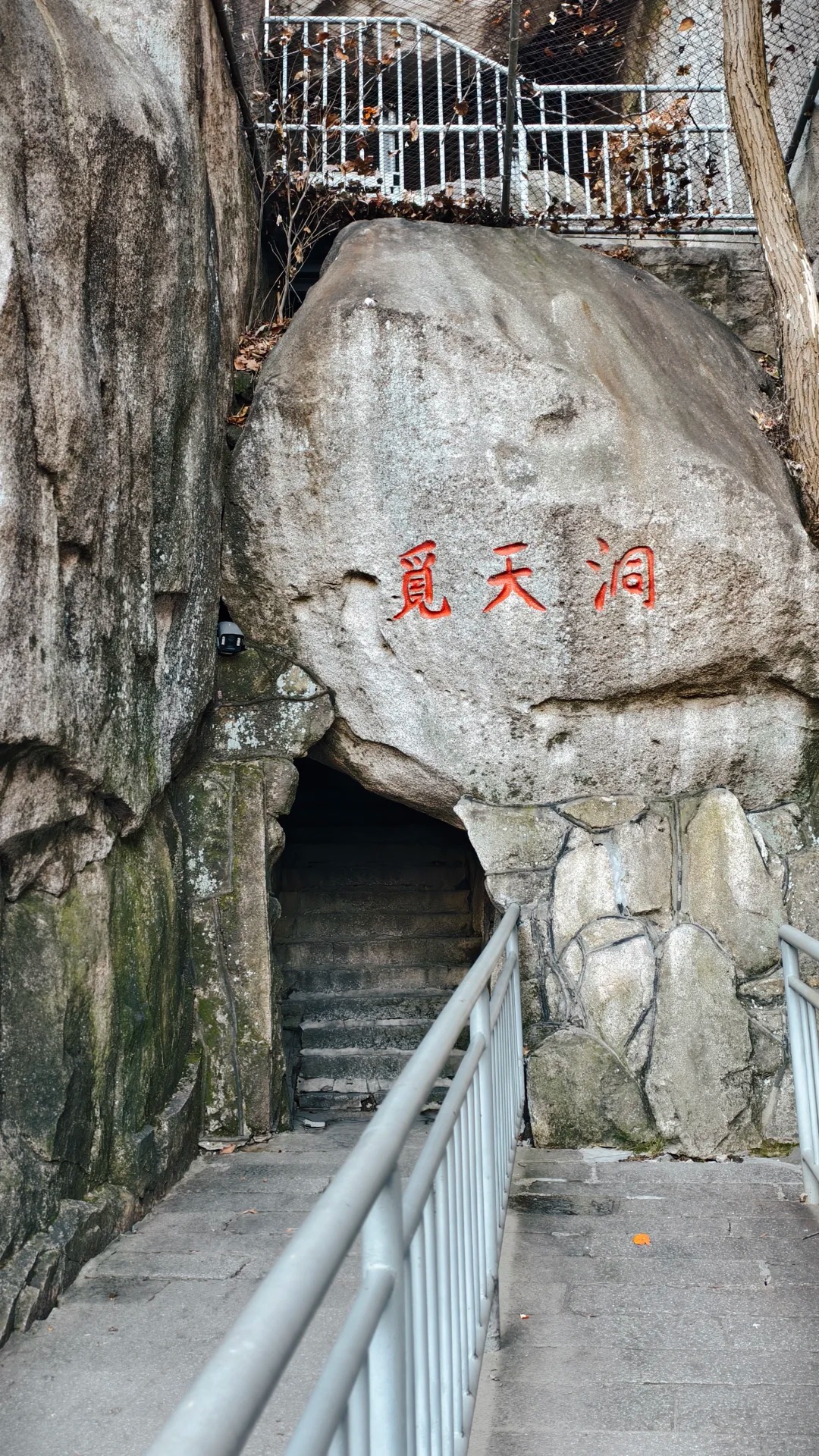
The next day, the mountain changed its mood. The fog burned off to reveal a dazzling world of sunlight, azure sea, and spectacular cliffs. I hiked to Mountainside by the Sea, where colossal grey boulders tumbled directly into the roaring surf. Here, the two essences of Laoshan—the steadfast mountain and the ever-changing sea—clashed and embraced. I watched waves explode against the rocks, their spray catching rainbows. A Taoist proverb carved on a nearby stone read: “The softest thing in the world dashes against the hardest.” Seeing the sea’s persistent, gentle erosion of the granite, I understood it not as destruction, but as an eternal, patient dialogue.
My most profound moment came at the Mingxia Cave. Sitting inside the quiet grotto, I could see both the solid mountain wall and, through the opening, the vast, shimmering expanse of the sea. It was a perfect frame of the Taoist duality: yin (the dark, receptive cave) and yang (the bright, active ocean) in one view, interdependent and whole. I didn’t have a grand revelation, just a deep, settling peace.
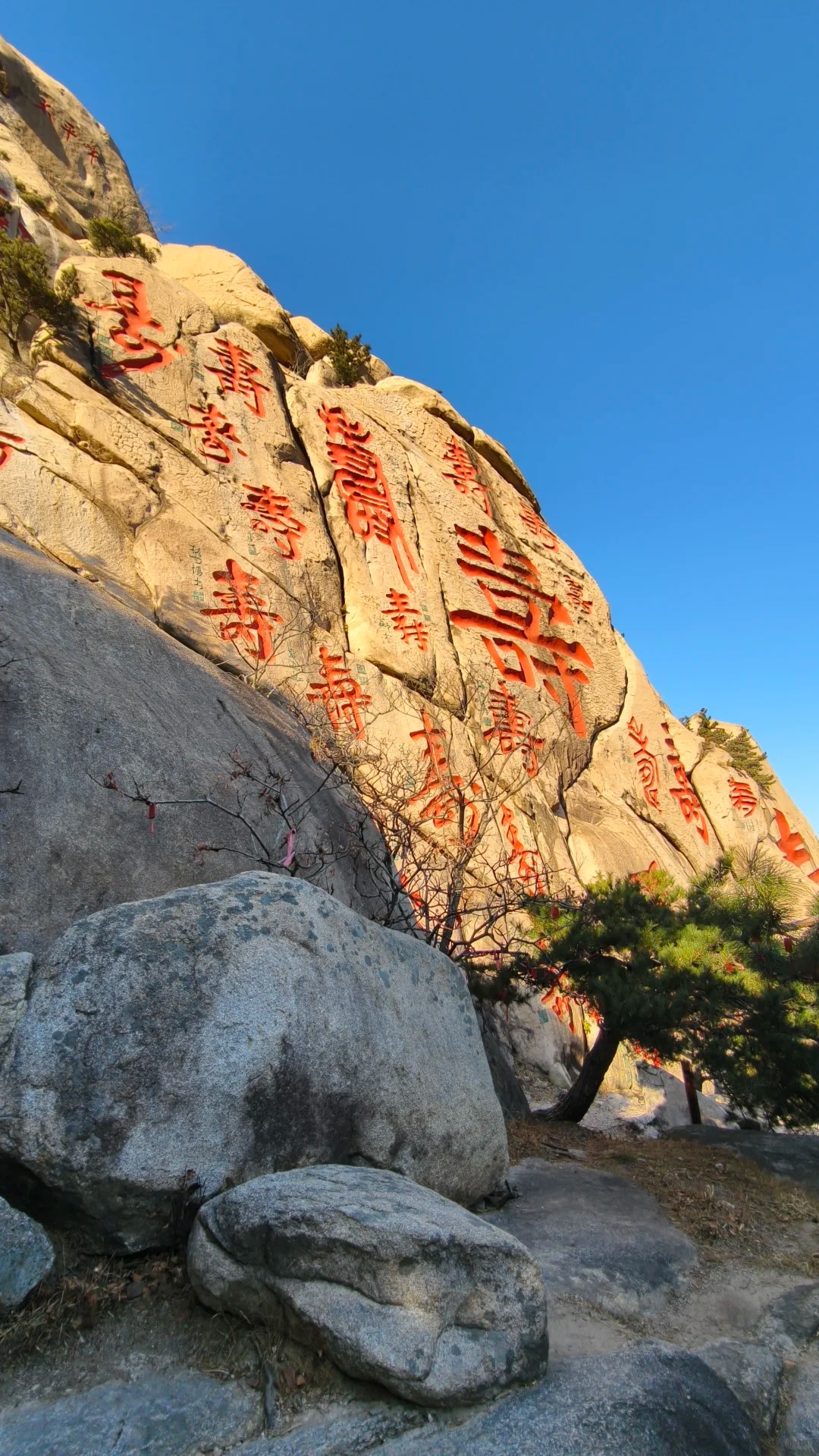
Laoshan doesn’t offer conquest; it offers conversation. You converse with its unpredictable weather, its whispering springs, its philosophical stones. You leave not with a checklist of sights seen, but with a calmer mind, a taste of immortal spring water on your tongue, and the sound of sea and stone debating eternity in your ears.