There is a raw, aggressive beauty to the landscapes of Xinjiang that I find addictive. They do not coddle you; they confront you. The Kuqa Grand Canyon is a prime example of this. Located just north of Kuqa City, it is often called the “Tianshan Mysterious Grand Canyon.” After spending a day there, walking between its towering red walls, I would add the word “violent” to that description. It is a landscape that looks like the earth has been split open by a fiery wound.
I arrived in the early afternoon, under a blazing sun. The heat radiating from the ground was intense. Kuqa is known for its high temperatures, and the canyon acts like an oven, trapping the heat. But as soon as I entered the gorge, the narrow walls provided a merciful shade.
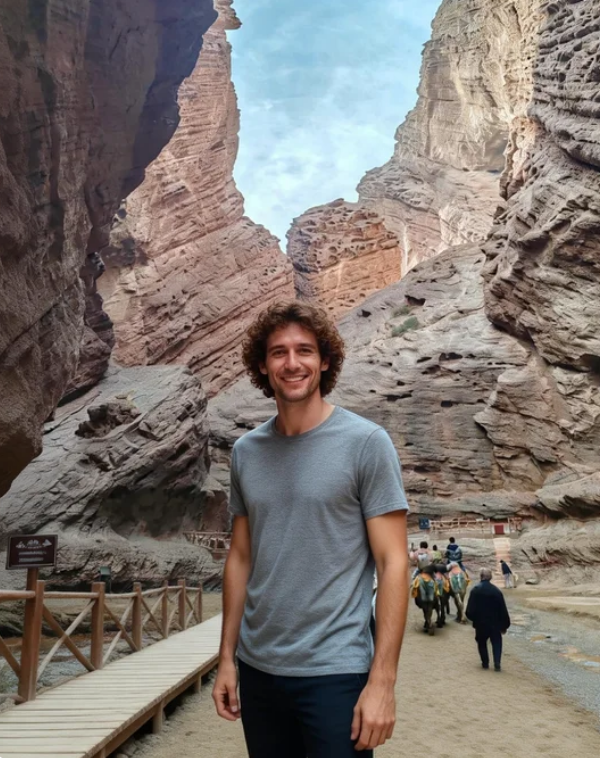
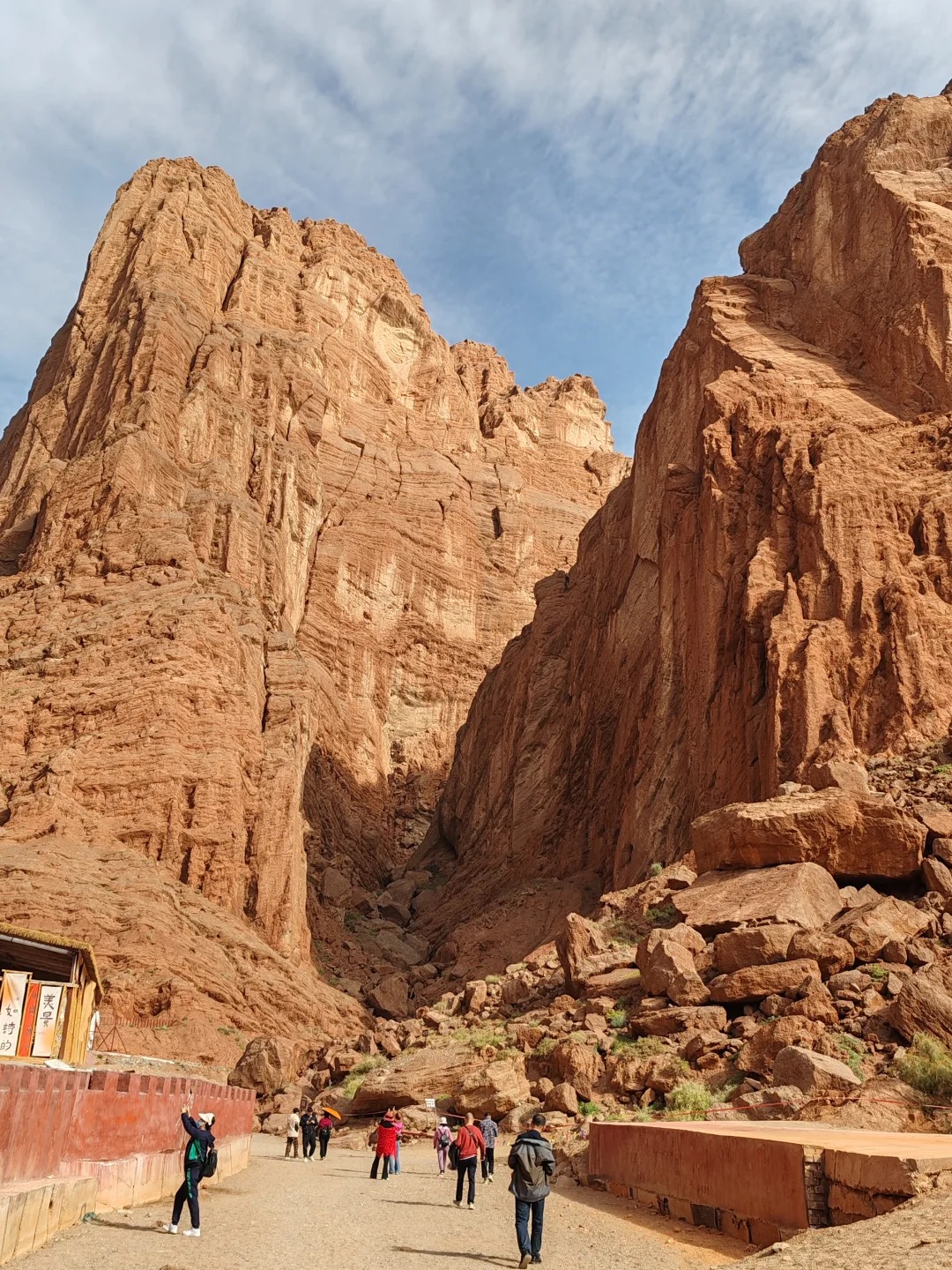
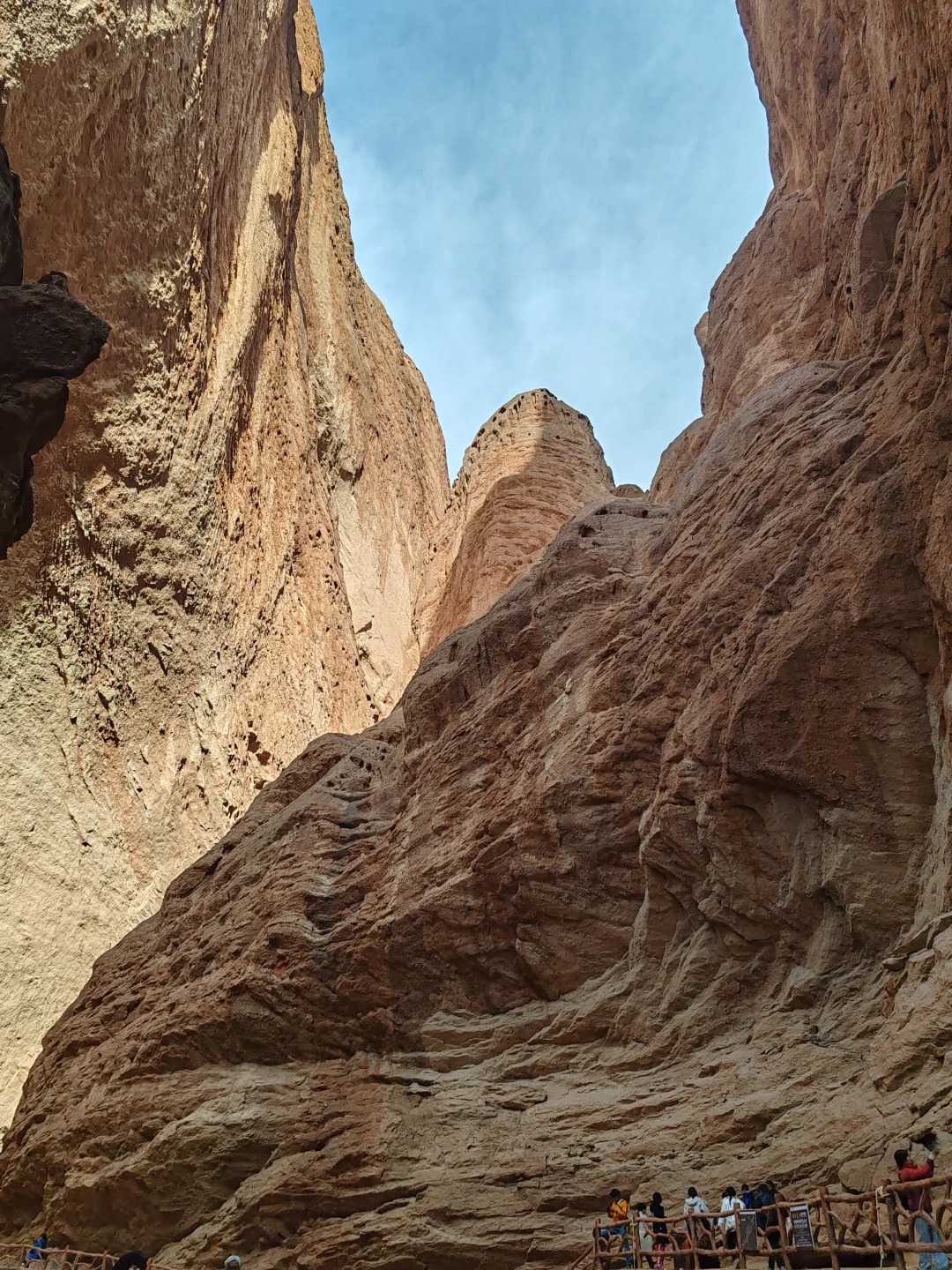
The first thing that struck me was the color. The rocks here are a deep, blood-red, streaked with grey and white. It is as if a giant painter took a brush loaded with red ochre and painted the mountains. The sandstone walls rise vertically from the canyon floor, reaching heights of up to a hundred meters. Standing at the bottom and looking up, the sky is reduced to a thin, jagged slit of blue.
I started trekking into the canyon. The path is uneven, a mix of sand and loose rocks. At times, the canyon is so narrow that I could touch both walls with outstretched arms. This forced intimacy with the rock is thrilling. You can see the texture of the strata—layers of sediment deposited over millions of years, now tilted and twisted by tectonic forces.
The power of water and wind is evident everywhere. In some places, the walls are smooth, sculpted into curves that look like abstract art. In others, they are jagged and sharp, like teeth. The wind howls through the canyon, creating a haunting melody. It is a sound that makes you feel small and vulnerable.
One of the most magical spots in the Kuqa Canyon is the “Yu Pavilion.” It is a natural formation where the light falls perfectly, illuminating a small grotto. It is said that this was a meditation spot for monks in ancient times. Sitting there, in the cool shadow, looking up at the shaft of light, it was easy to feel spiritual. The silence was heavy and sacred.
As I ventured deeper, the canyon became more labyrinthine. The path split and rejoined, leading to dead ends and hidden pools. I found a small pool of water, stagnant and dark, reflecting the red cliffs above. It was a mirror of blood.
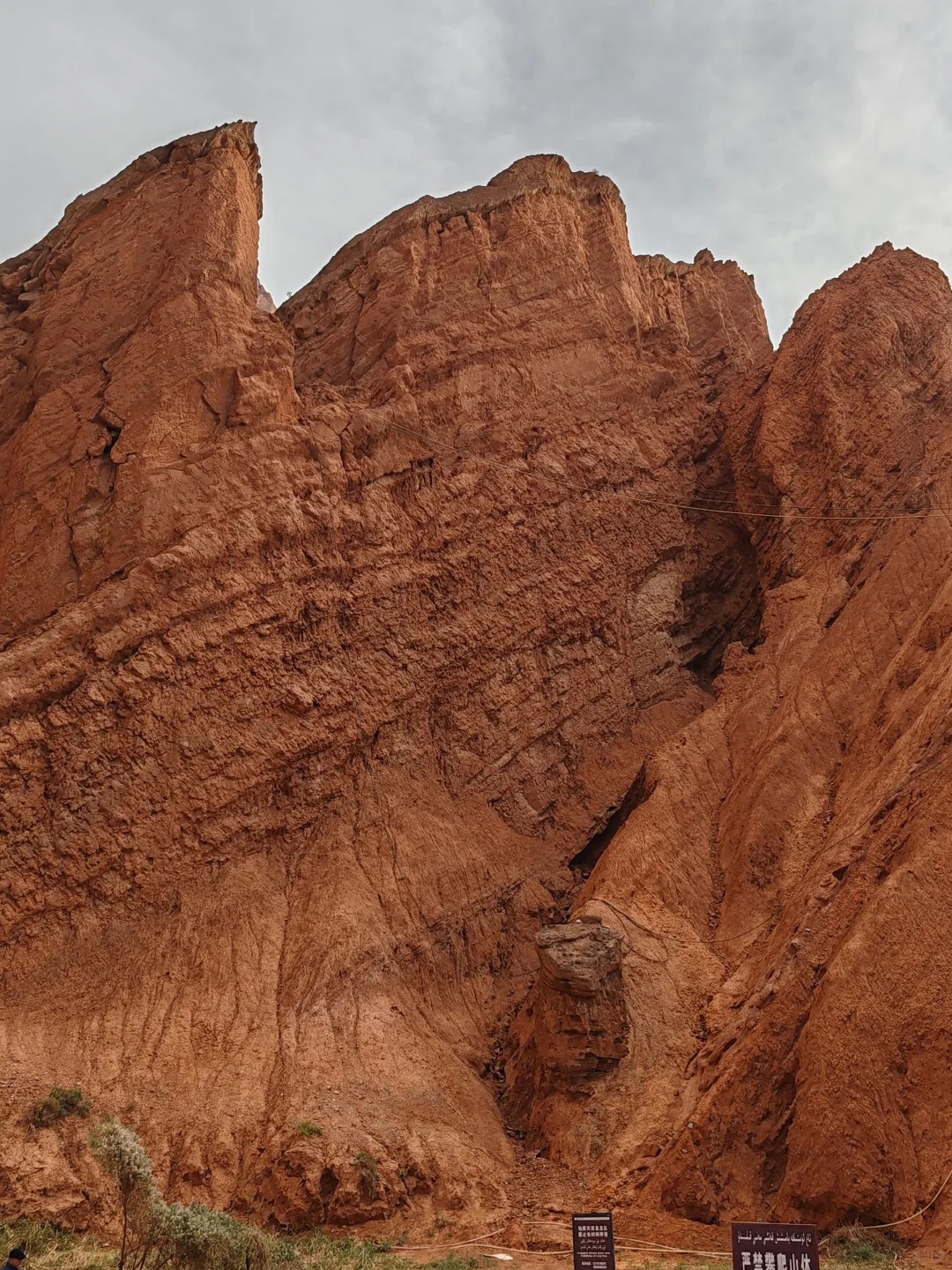
I also climbed to the “Panlong Platform” (Coiled Dragon Platform), a viewing area halfway up the cliff. The climb was steep and slippery, using metal chains bolted into the rock. From this vantage point, the full scale of the canyon is revealed. It looks like a maze of red trenches carved by a giant knife. The layers of rock are visible as distinct bands—red, yellow, green—creating a striped tapestry of geological history.
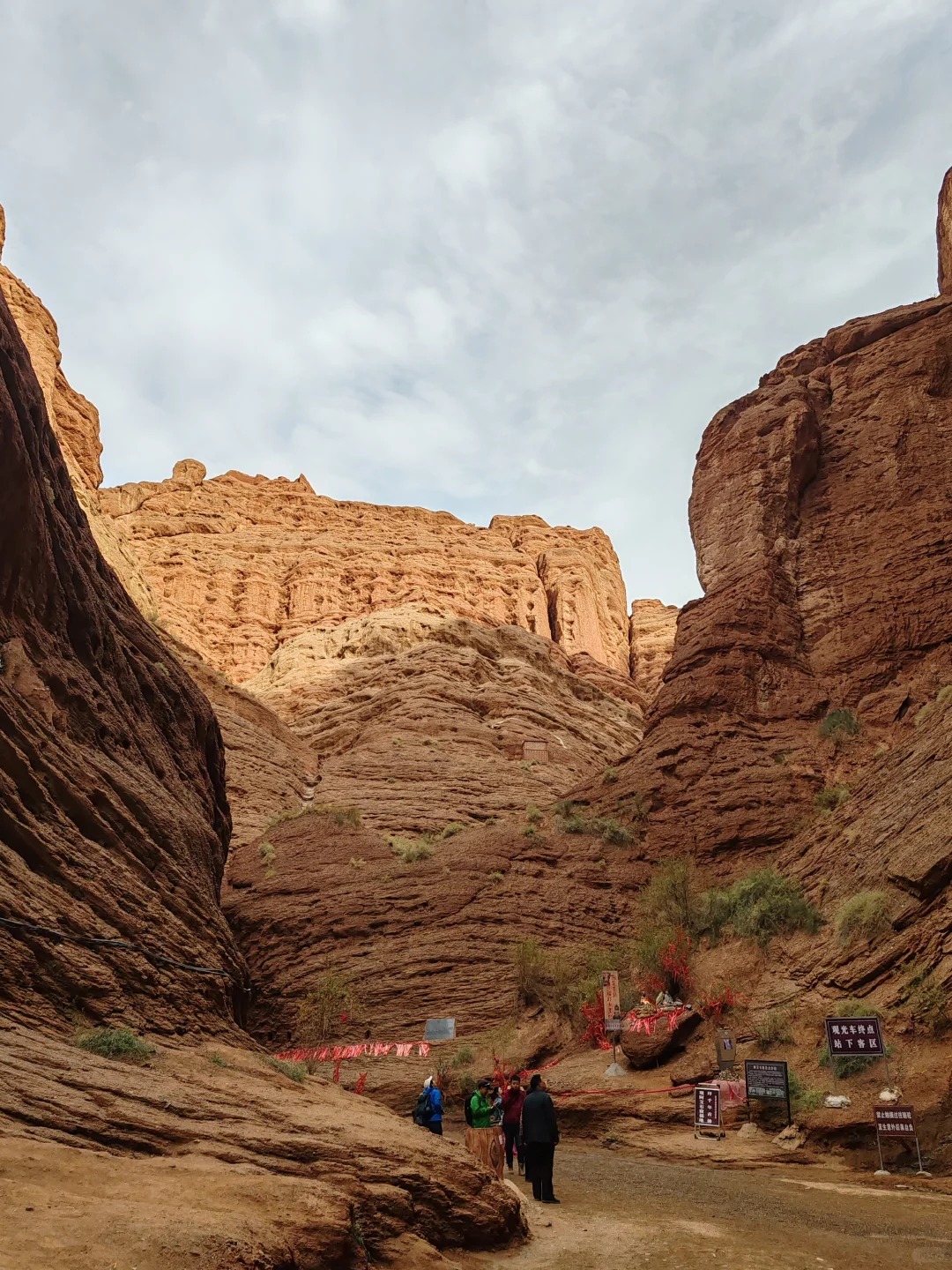
The geological history here is mind-boggling. The canyon was formed by the collapse of the mountains and the erosion of the rain and wind. It is a relatively young formation, geologically speaking, but the rocks it exposes are ancient. It feels like walking through a cross-section of time.
I met a group of geology students from Shanghai who were sketching the formations. They explained that the red color comes from iron oxide, essentially rust. The fact that we were looking at the “rust” of the mountains added a layer of poignancy to the beauty. It was the oxidization of time itself.
As the sun began to set, the canyon underwent a dramatic transformation. The red walls turned a burning crimson, glowing with an inner fire. The shadows deepened, making the canyon look even narrower and more mysterious. The contrast between the glowing rock and the darkening sky was spectacular. I scrambled to find a spot to watch the sunset, finally perching on a high rock.
Watching the sun dip behind the canyon walls, the darkness creeping up from the bottom, was a humbling experience. The wind picked up, whistling through the gorges. It felt like the canyon was coming alive at night, shaking off the day’s heat.
Leaving the Kuqa Grand Canyon, I was covered in red dust. My shoes were filled with sand. My face was wind-burned. But I felt exhilarated. It is a place that demands your physical effort. You have to climb, crouch, and squeeze. It engages your whole body.
Kuqa Grand Canyon is not a manicured park. It is raw, wild, and untamed. It is a place where you can feel the pulse of the earth. It is a reminder that nature is an artist, but one who works with a heavy hand.
If you find yourself in the Aksu region, Kuqa Grand Canyon is essential. It is different from the other canyons of Xinjiang. It is redder, narrower, and more intense. It will leave you with a sense of awe and a face full of red dust—a small price to pay for witnessing the fire and blood of the Tianshan.