Standing in the heart of Shenyang’s old town, the Shenyang Imperial Palace (Mukden Palace) feels like a time capsule, quietly preserving the stories of the early Qing Dynasty’s rise to power. Unlike the sprawling Forbidden City in Beijing, this palace exudes an intimate warmth that comes from its Manchu architectural roots and the personal touches of the emperors who once called it home. When I first stepped through its red-painted wooden gates on a crisp autumn morning, the scent of chrysanthemums (a favorite flower of the Qing royals) lingered in the air, mixing with the faint aroma of sandalwood from the nearby prayer halls. It was a far cry from the bustling crowds of Beijing, allowing me to wander at my own pace and truly absorb the history that surrounded every corner.
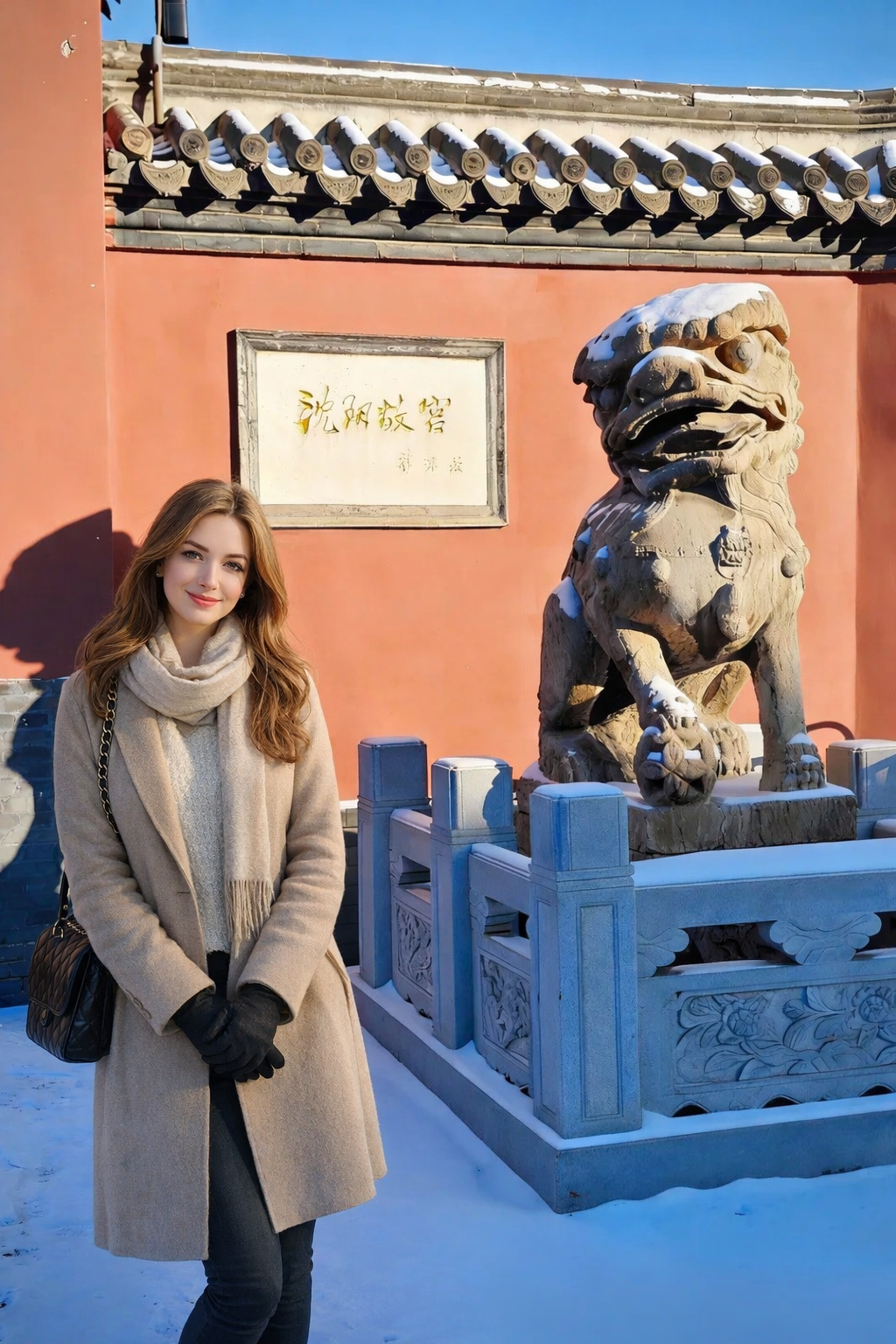
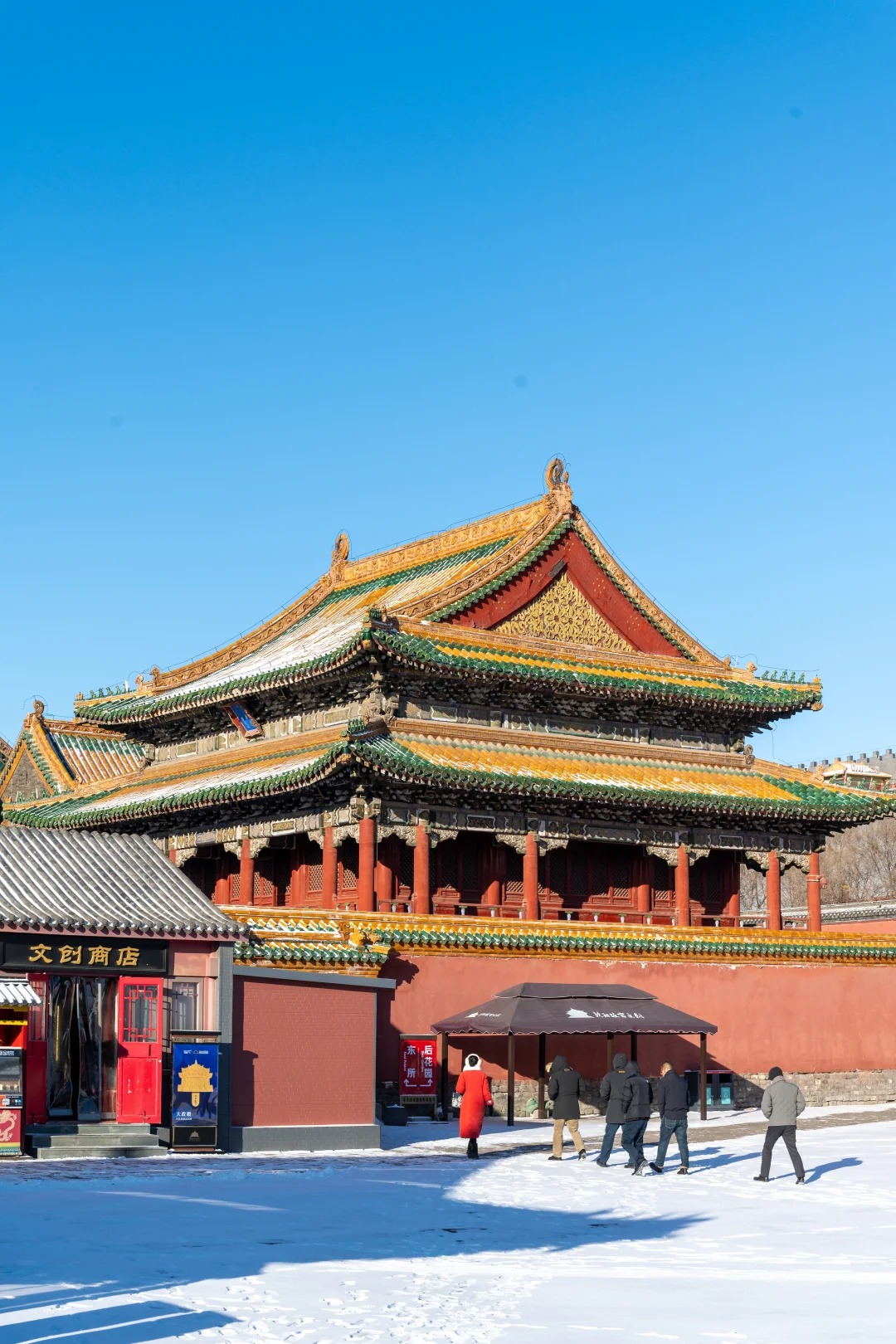
The first thing that struck me was the unique blend of architectural styles. The palace is divided into three main sections: the Eastern Route, the Central Route, and the Western Route. The Eastern Route, built by Nurhachi (the founder of the Later Jin, which later became the Qing Dynasty), is dominated by the Dazheng Hall (Hall of Great Politics) and the Ten Princes’ Pavilions. The Dazheng Hall, with its distinctive octagonal roof and golden-tipped eaves, is a masterpiece of Manchu design. Its large, open interior once hosted grand ceremonies and military reviews, and even today, you can almost hear the echoes of Nurhachi’s commands as he rallied his troops before marching south to unify China. The Ten Princes’ Pavilions, arranged in two rows of five on either side of the hall, are a rare example of grass-roots political architecture in imperial China—they were where Nurhachi’s most trusted princes held discussions and made decisions, reflecting the more collaborative nature of early Manchu governance.
Moving to the Central Route, I was greeted by the Chongzheng Hall (Hall of Martial Valor), the main throne hall of Huang Taiji (Nurhachi’s son and the first emperor of the Qing Dynasty). Unlike the ornate dragon thrones in Beijing’s Forbidden City, this throne is simpler, with intricate carvings of clouds and dragons that feel more rugged and powerful, fitting for a ruler who spent much of his life on the battlefield. The hall’s interior is decorated with red and gold silk banners, and the sunlight streaming through the lattice windows casts patterns on the cool stone floor, creating a sense of solemnity and grandeur. I spent a long time sitting on a stone bench outside the hall, watching as local elders flew kites in the square in front—their laughter mixing with the rustle of leaves, a beautiful contrast between the palace’s imperial past and the lively present.
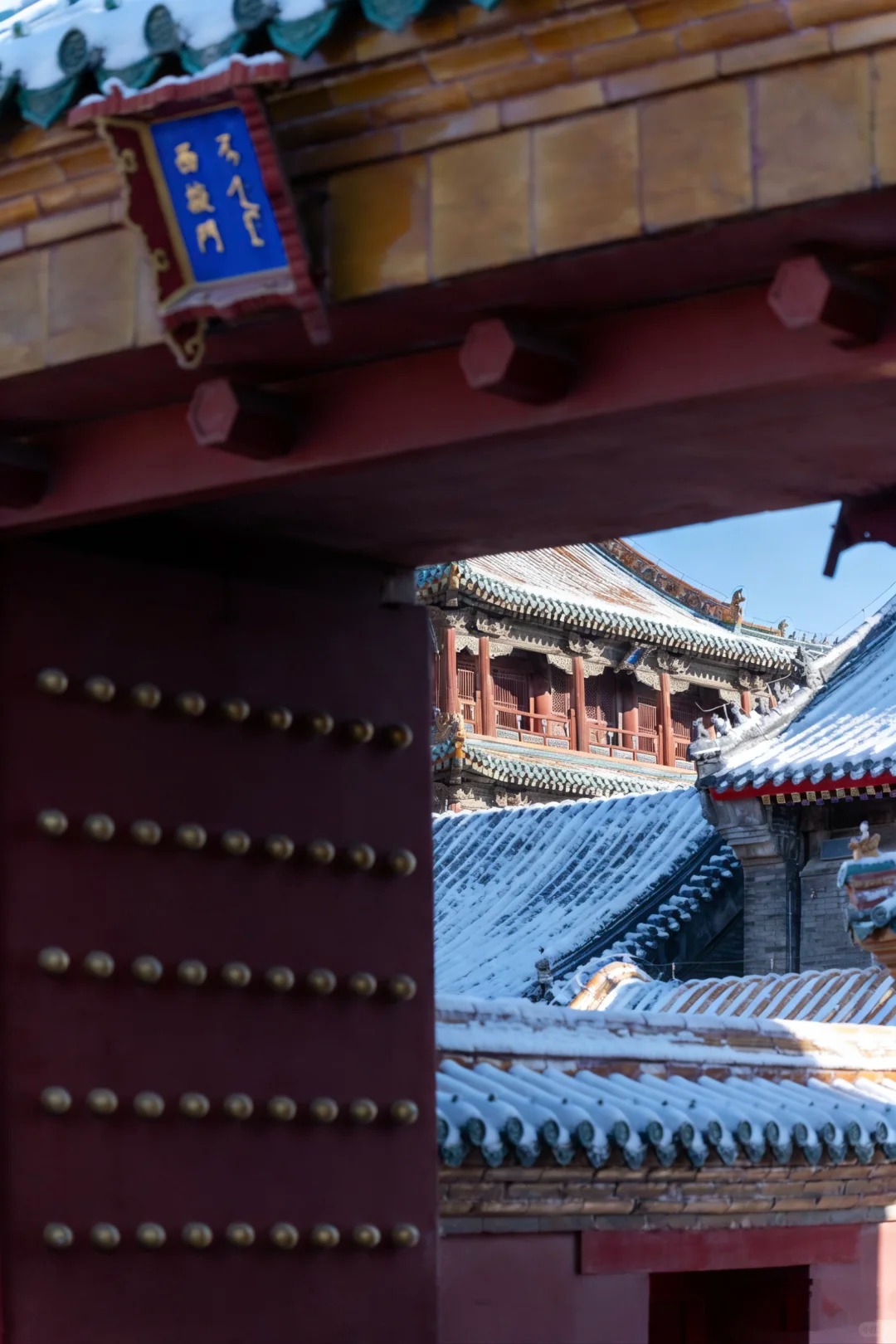
The Western Route, added later during the Qianlong Emperor’s reign, is a more elegant addition, with gardens and pavilions that reflect the influence of Han Chinese architecture. The Juanqinzhai (Studio of Restful Qin) is a highlight here, with its delicate murals and intricate wood carvings. I was particularly fascinated by the “floating” ceiling in one of the rooms, which is decorated with thousands of small glass beads that shimmer like stars when the light hits them. It’s said that Qianlong used this room to escape the pressures of imperial life, and as I stood there, I could almost imagine him sitting by the window, playing the qin (a traditional Chinese zither) and gazing out at the garden.
One of the most memorable moments of my visit was meeting an elderly guide who had worked at the palace for over 30 years. He told me stories about the daily life of the imperial family—how Huang Taiji’s wife, Empress Xiaozhuang, would tend to the garden herself, and how the princes would play traditional Manchu games in the square. He also showed me a hidden passageway behind the Chongzheng Hall that was used by the emperor to escape in case of emergency. As we walked through the narrow corridor, the walls felt cool and damp, and I could almost sense the tension and uncertainty that must have filled the air during those times.
Another highlight was the palace’s collection of cultural relics. The Shenyang Imperial Palace houses over 100,000 artifacts, including paintings, calligraphy, jade carvings, and Manchu costumes. My favorite exhibit was a set of imperial robes worn by Qianlong, which are embroidered with golden dragons and phoenixes. The detail is breathtaking—each stitch is so fine that it’s hard to believe they were made by hand over 200 years ago. There’s also a collection of ancient weapons, including swords and bows used by the Manchu warriors, which gave me a vivid sense of the military might that helped the Qing Dynasty conquer China.
As the sun began to set, I made my way to the palace’s rear garden. The golden light bathed the red walls and green tiles, creating a magical atmosphere. I sat on a stone bridge over a small pond, watching as the reflection of the palace danced on the water. A group of local musicians was playing traditional Manchu music nearby, their melodies soft and haunting. It was in that moment that I truly understood why the Shenyang Imperial Palace is such an important part of China’s cultural heritage—it’s not just a collection of buildings, but a living, breathing testament to the history, culture, and people of the early Qing Dynasty.
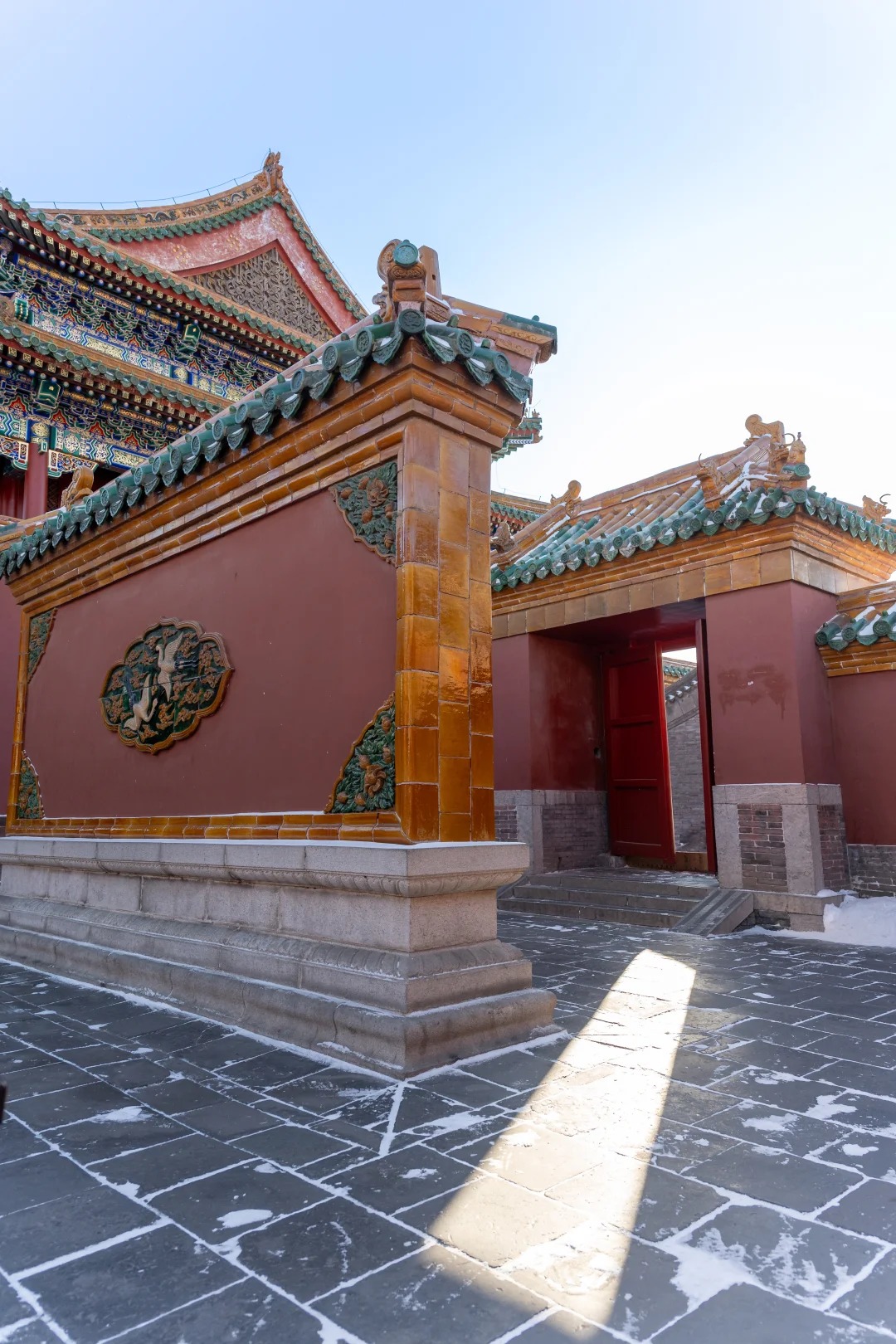
If you’re planning a trip to China, don’t miss the Shenyang Imperial Palace. It’s a place where you can step back in time, explore the roots of the Qing Dynasty, and experience a side of Chinese history that’s often overshadowed by the Forbidden City. Whether you’re a history buff, an architecture lover, or just someone looking for a quiet place to escape the hustle and bustle of the city, this palace has something for everyone. And when you leave, you’ll carry with you not just photos, but memories of a place that feels like a hidden gem, waiting to be discovered by the world.