My adventure at Shanhaiguan started in the fall of 2024, when the air was crisp and the leaves turned golden along the coast. Known as the "First Pass Under Heaven," this gateway where the Great Wall meets the sea is a symbol of China's defensive might. I arrived by bus from Qinhuangdao, the salty breeze hitting me as I stepped off. The massive stone archway loomed, inscribed with calligraphy that proclaimed its invincibility. Climbing the battlements, I ran my hands over the weathered bricks, imagining Ming Dynasty soldiers standing guard against invaders.

The pass itself is a fortified town, with walls stretching to the Bohai Sea. I walked the entire length, about 4 kilometers, my boots echoing on the cobblestones. At the Laolongtou (Old Dragon's Head), where the wall dips into the waves, I waded into the shallow water, feeling the tide pull at my ankles. Seagulls cried overhead, and fishermen cast nets nearby—it was a surreal mix of history and everyday life. I met a retired historian there, Mr. Wang, who pointed out cannon emplacements and shared stories of battles, like the 1644 Manchu invasion that ended the Ming era.
Inside the town, I explored the Shanhaiguan Museum, filled with artifacts like ancient weapons and maps. The dioramas brought sieges to life, and I spent an afternoon absorbed in the exhibits. Lunch was at a seaside stall: fresh clams steamed with garlic and ginger, their briny taste complemented by cold beer. The vendors were chatty, recounting how tourism revived the area after industrial decline.
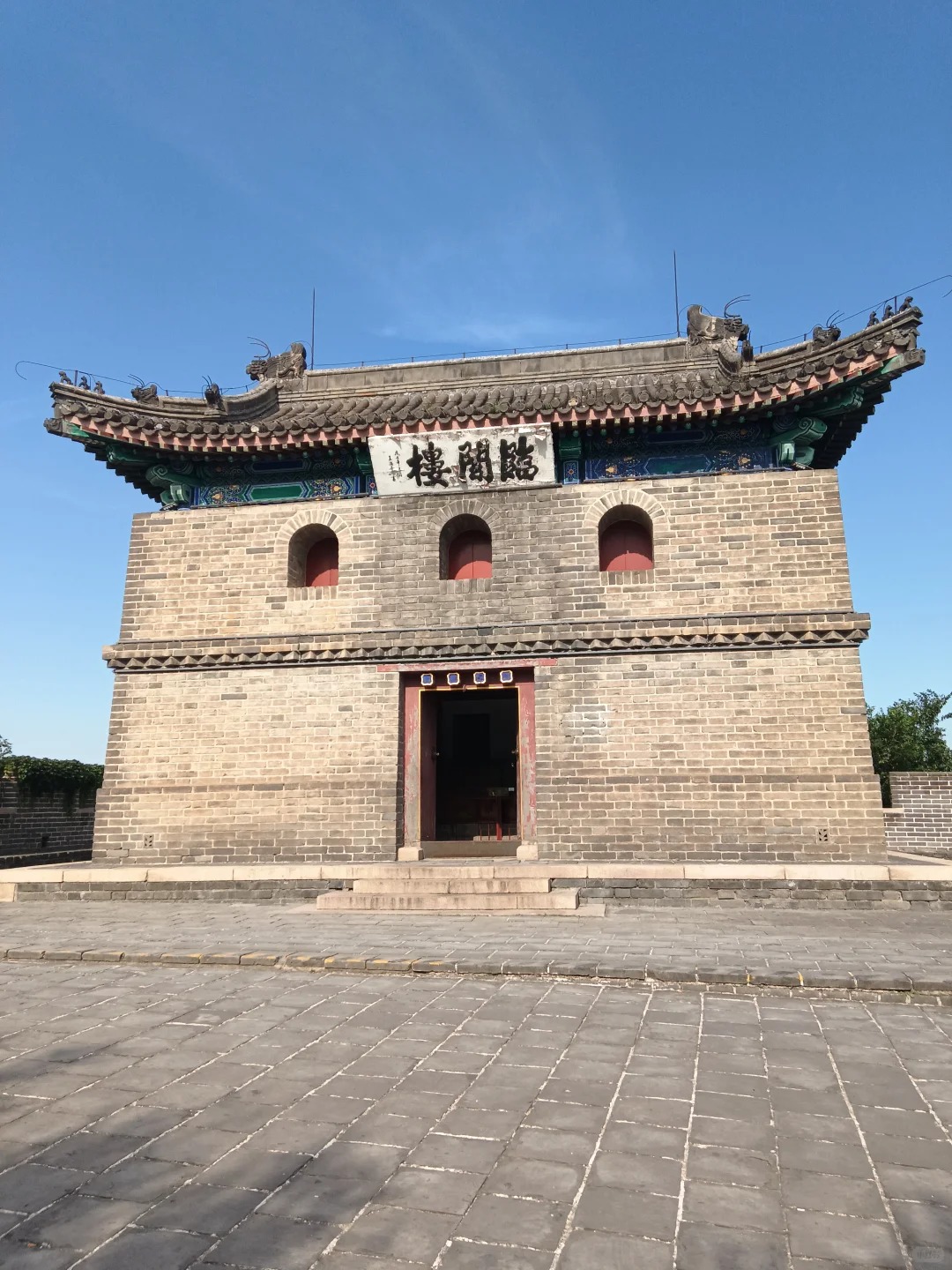
Afternoon brought a hike up Jiaoshan Mountain, where the Great Wall snakes upward. The steps were uneven, my thighs aching, but the summit view—of wall, sea, and distant mountains—was exhilarating. I picnicked with apples and nuts, watching paragliders soar. Descending, I visited the Meng Jiangnu Temple, dedicated to a legendary woman whose tears allegedly crumbled the wall. The shrine's incense and prayers moved me, a reminder of human stories behind grand structures.
Evenings in Shanhaiguan were lively. I joined a kite-flying festival on the beach, my dragon kite dancing in the wind amid hundreds others. Dinner featured seafood hotpot, with shrimp and squid bubbling in spicy broth. Staying in a courtyard hotel, I heard waves crashing all night, lulling me to sleep.
One day, I cycled to nearby Yansai Lake, a wetland teeming with birds. Binoculars in hand, I spotted herons and egrets, the tranquility a contrast to the pass's militaristic vibe. Back at the pass, I attended a reenactment show: actors in armor clashing swords, fireworks simulating cannon fire. It was thrilling, though touristy.
Shanhaiguan taught me about resilience—walls built to protect, now bridging past and present. It's a place where history crashes like waves, leaving you awed.