I remember the first time I arrived in Hulunbuir. It was late July, and after a long drive from Hailar, the city suddenly fell away as if someone had pulled back a curtain. What opened before me wasn't just a landscape; it was a profound, almost disorienting sense of space. The Hulunbuir Grassland doesn't feel like a place on Earth. It feels like the Earth itself, in its most essential, expansive form.
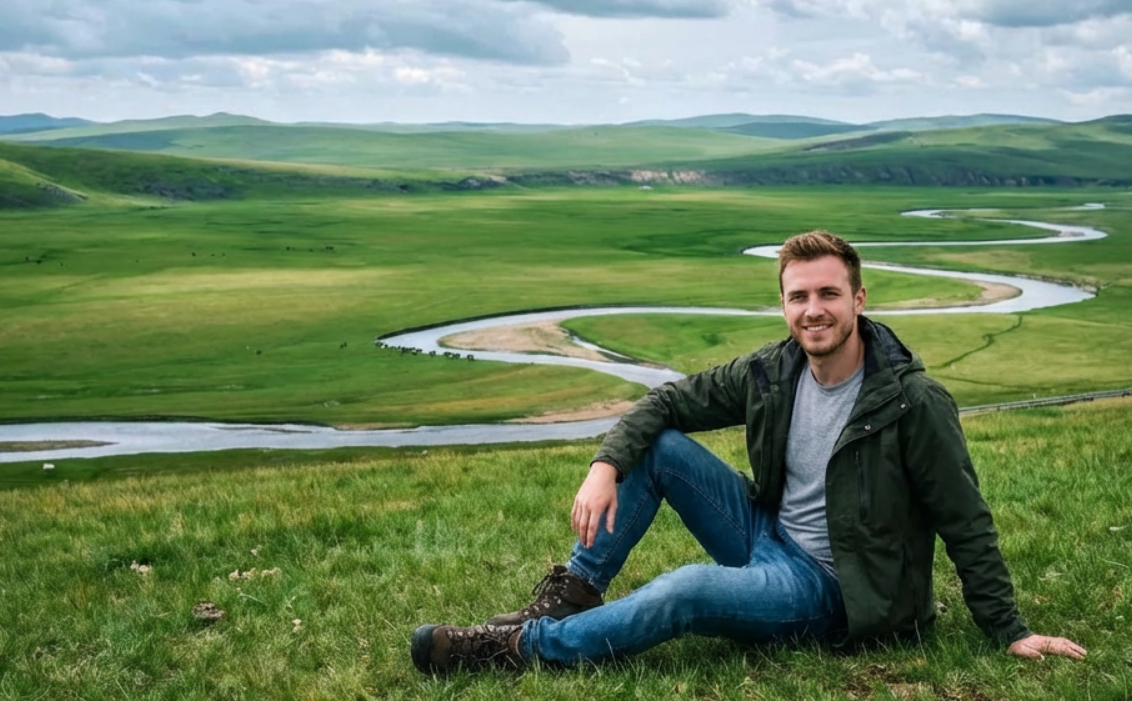
For three days, I lived in a Mongolian yurt owned by a herder family named the Borjigins. There was no schedule, no itinerary. My alarm clock was the sun filtering through the felt roof, and the distant sound of bleating sheep. Mrs. Borjigin, whom I called "Ejee" (mother), taught me how to milk a mare. It’s nothing like milking a cow. It requires a specific rhythm and respect. The first few tries, I got nothing but a annoyed stomp from the horse. But when I finally got a warm stream into the pail, the sense of accomplishment was absurdly profound. That evening, we drank the fermented mare’s milk, or airag. It’s tart, slightly fizzy, and surprisingly potent. Sitting around a low table, with Mr. Borjigin playing a haunting melody on his morin khuur (horsehead fiddle) as the sky turned violet and orange, I understood this wasn’t a performance for tourists. This was their evening, and I was simply, humbly, part of it.
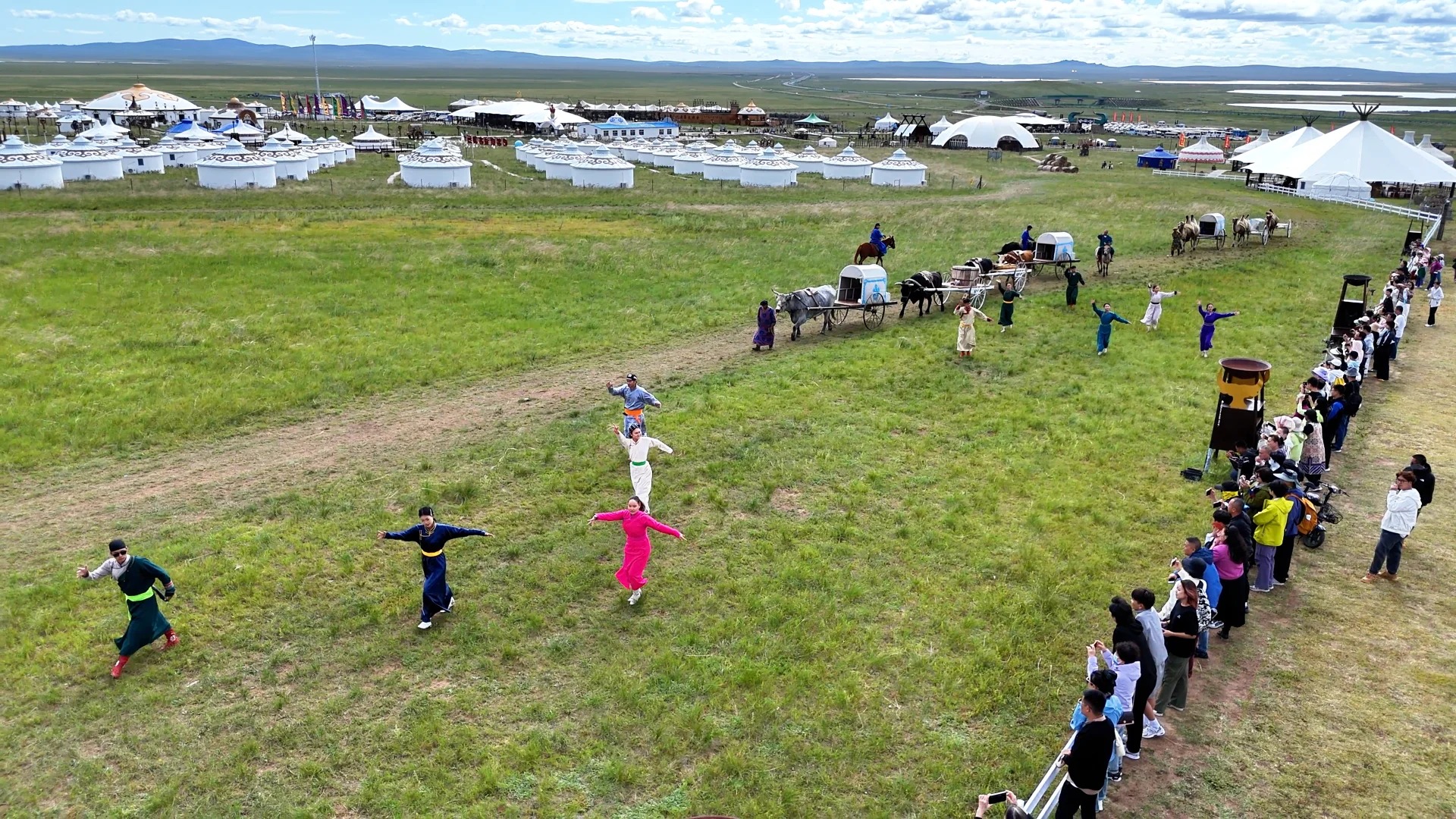
One afternoon, I asked their teenage son, Batu, to take me riding. We rode for what felt like hours, the only sounds being the wind, the horses' breathing, and the rhythmic thud of hooves on the resilient turf. There were no fences, no roads, no power lines—just rolling green in every direction, meeting a dome of blue so vast it felt curved. We stopped on a high point, and Batu simply pointed. In the distance, a silver thread meandered—the Hulun River. A herd of maybe two hundred sheep moved like a slow, white cloud, guided by a lone herder on horseback who was just a speck. The scale was incomprehensible. It shrank you and expanded you simultaneously. I felt both insignificantly small and deeply connected to something primordial.
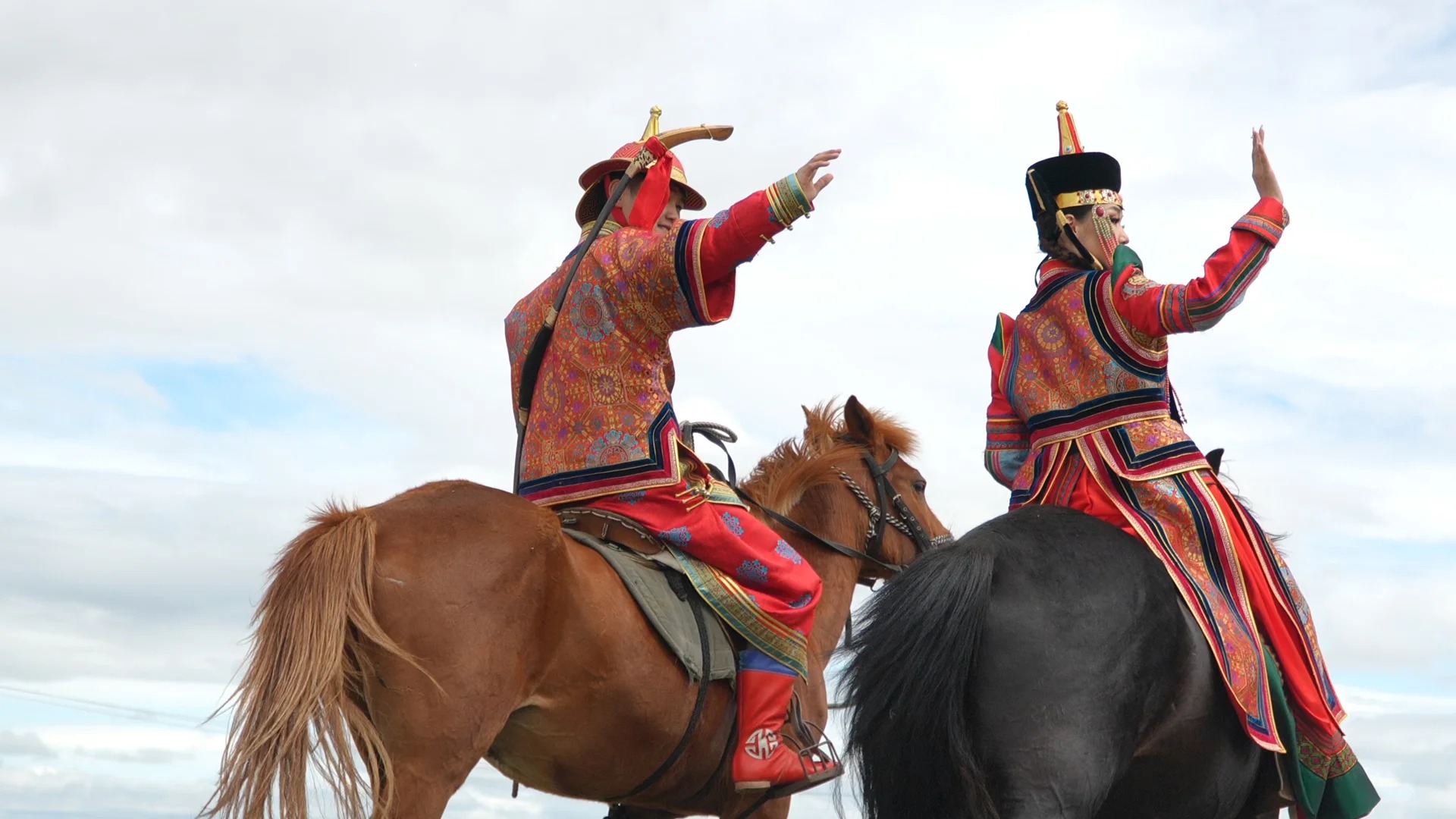
On my last morning, I woke up before dawn and walked out alone. A low mist clung to the hollows of the land. As the sun rose, it set the dewy spiderwebs ablaze with light, turning each one into a tiny, intricate constellation strung between blades of grass. In that perfect, silent moment, Hulunbuir revealed its secret: it’s not just a grassland. It’s a living, breathing entity—a sea of grass with its own tides, seasons, and timeless rhythm. Leaving felt like waking up from a deeply peaceful dream, one that has left a permanent imprint of calm on my soul.