I have traveled all over China, but few places have grabbed my senses quite like the street markets of Wuhan, and specifically, the legendary Baimajing. To the uninitiated, it might look like just another busy lane, but to those who know, it is the holy grail of Hubei cuisine. Baimajing isn’t just a place to eat; it is a theater of flavors, noise, and life. It is where the true soul of Wuhan bares its teeth.
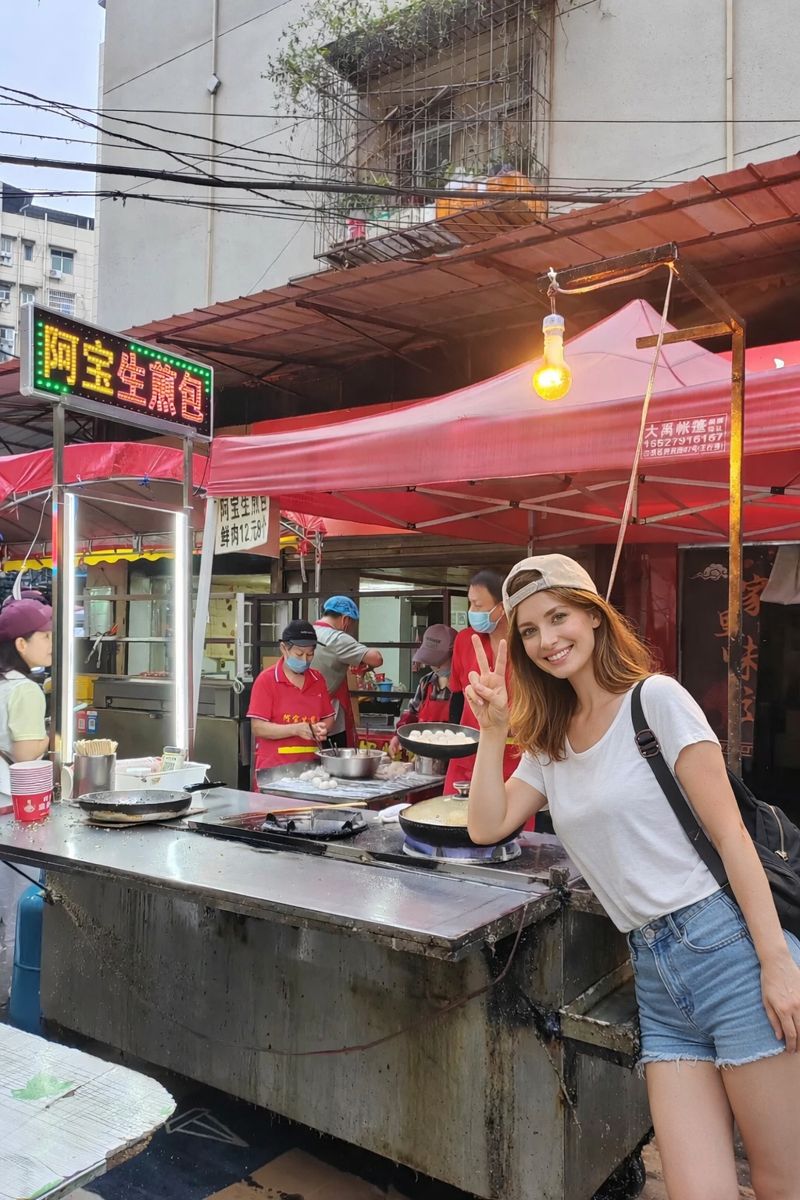
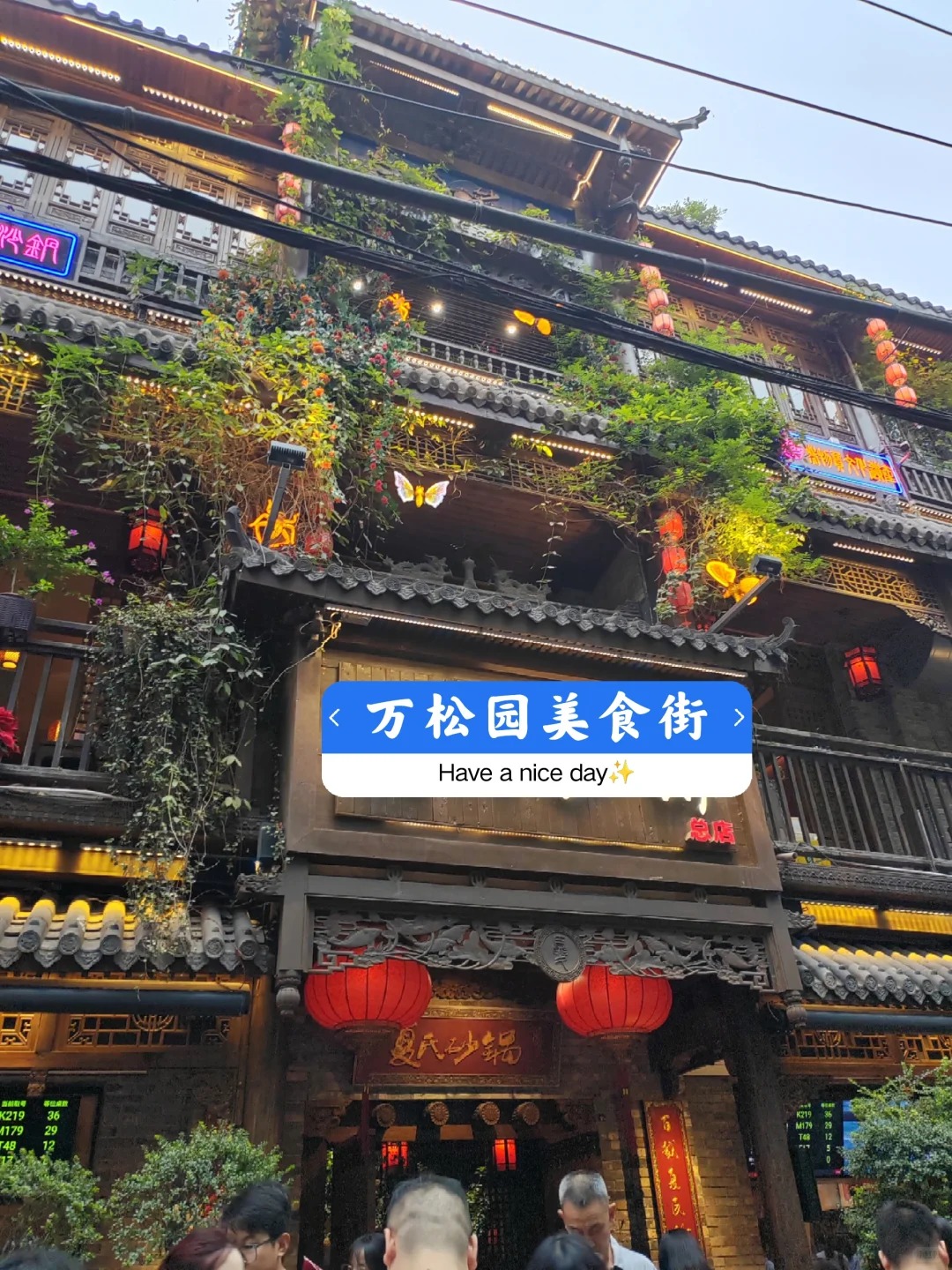
I arrived in Baimajing in the early morning, just as the city was shaking off the mist from the Yangtze River. The air was already thick with steam and the intoxicating aroma of spices. In Wuhan, breakfast is not a hurried affair; it is a solemn ritual known as “Guo Zao” (Crossing the Morning). I waded into the crowd, shoulder to shoulder with locals shouting orders, bicycle bells ringing, and vendors hawking their wares. It was chaotic, loud, and absolutely beautiful.
My first mission was the most iconic dish of Wuhan: Re Gan Mian (Hot Dry Noodles). I watched a master noodle maker at work. He moved with a rhythm that was mesmerizing. He scooped up a portion of cooked alkaline noodles, tossed them into a bamboo strainer, and plunged them into boiling water for just a few seconds—just enough to heat them through. Then, the magic happened. He flipped them into a bowl and added the condiments with the precision of a chemist: thick, sesame paste, soy sauce, chili oil, vinegar, and a sprinkle of chopped green onions.
I took the bowl to a small, wobbly table and sat down. I mixed the noodles furiously, coating every strand in the dark, rich sauce. The first bite was a revelation. It was thick, nutty, and incredibly spicy. The texture was chewy, fighting back slightly with every bite. It was heavy, in a good way, sticking to my ribs. I looked around and saw everyone—from students in uniforms to old men with newspapers—doing exactly the same thing, slurping with gusto. It wasn’t just food; it was fuel for the “River City” spirit. It was bold, unapologetic, and direct.
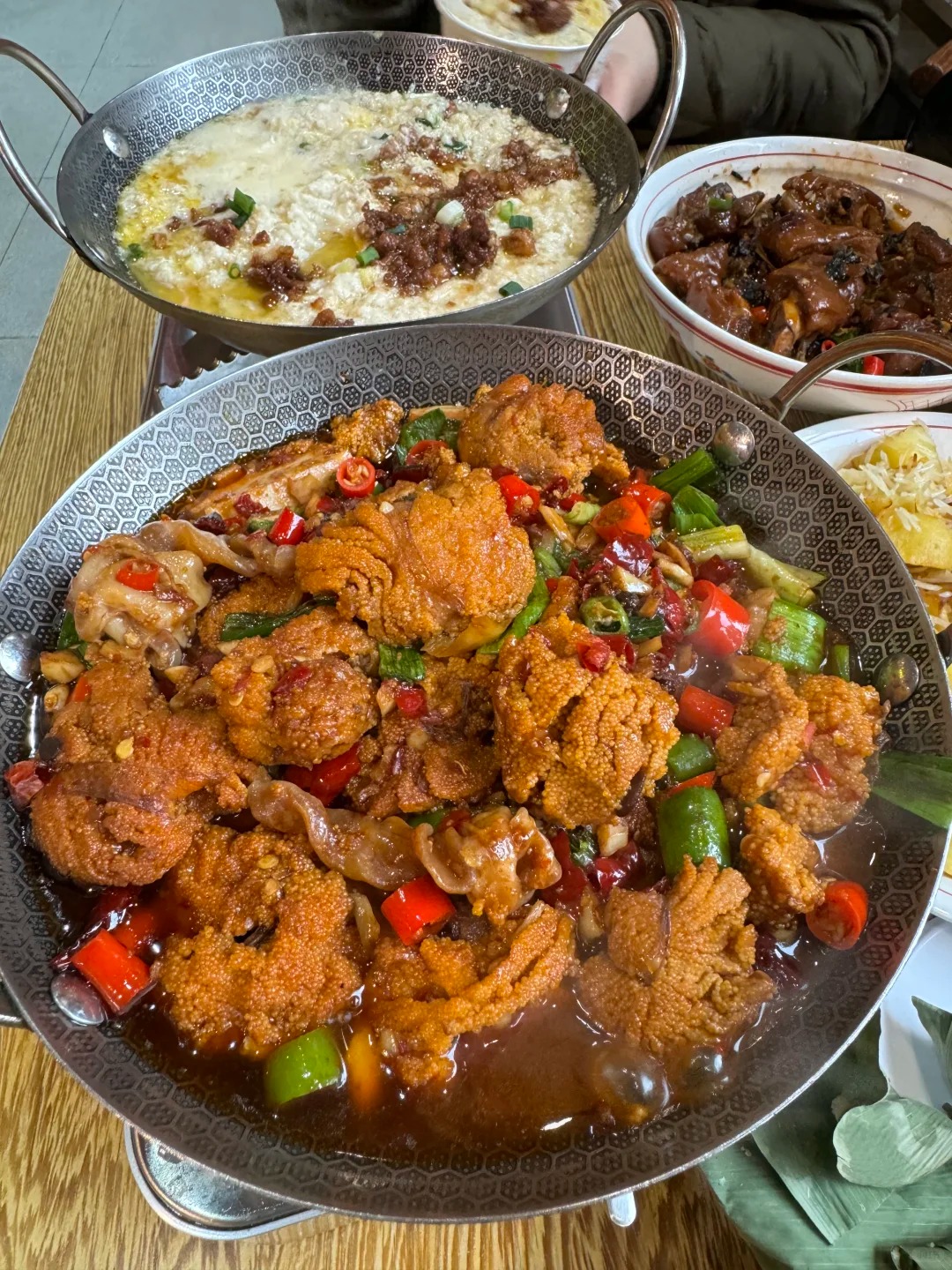
But Baimajing offers so much more than just noodles. I wandered deeper into the alley, following a scent that was sweet and savory. I found a stall selling Doupi (Bean Skin). Imagine a giant, yellow omelet made from mung bean flour, stuffed with glutinous rice, mushrooms, tofu, and meat, then pan-fried to crispy perfection. I ordered a square of it. The outside was crispy, almost flaky, while the inside was soft and sticky. The combination of textures was amazing, and the flavors were complex—earthy from the mushrooms, savory from the meat, and a slight hint of sweetness from the bean paste. Eating it was messy, with oil dripping down my chin, but I didn’t care.
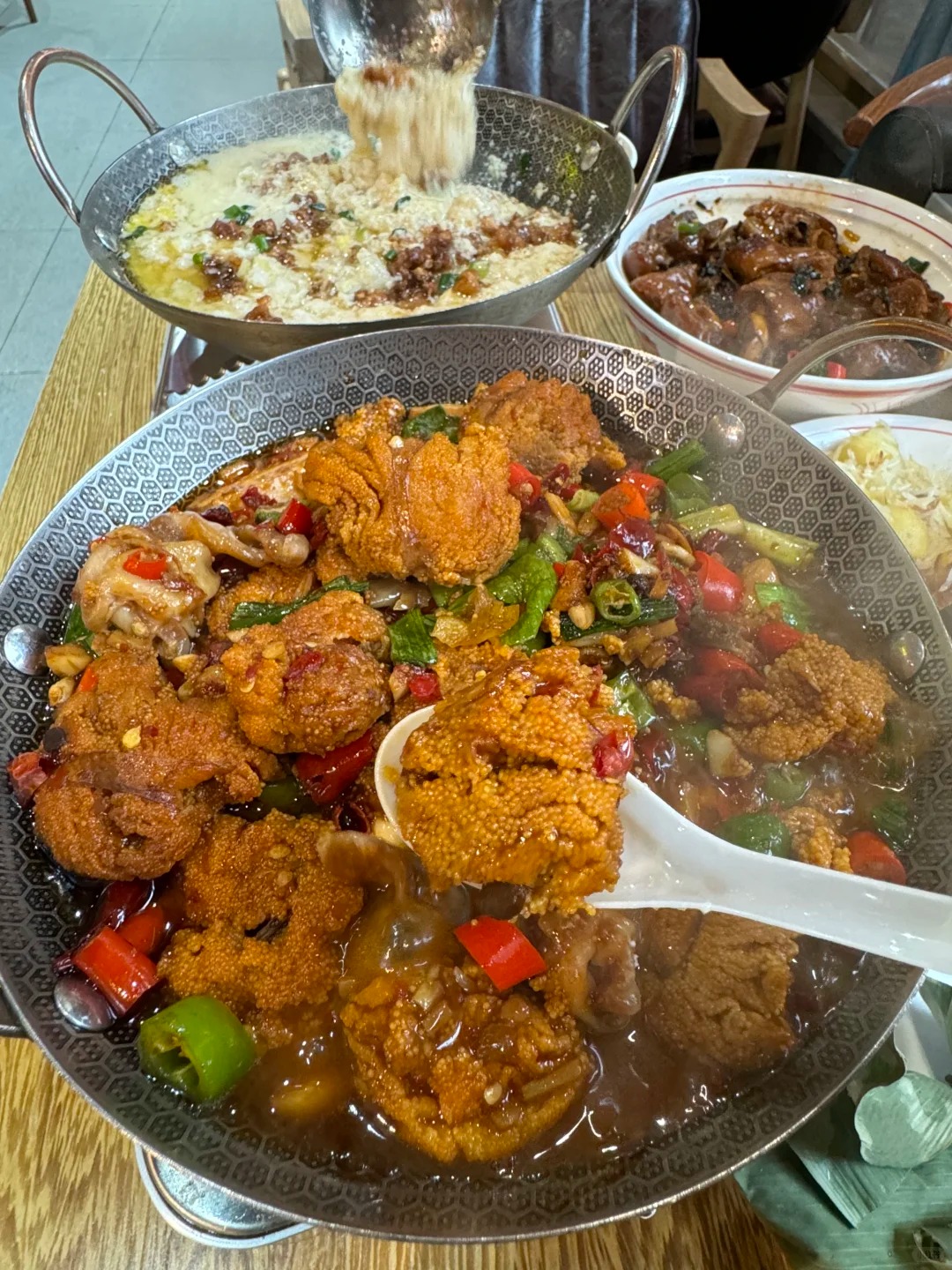
Then there was the Sanxian Doupi (Three Delicacies Bean Skin), a variation that is slightly more refined but equally delicious. And I can’t forget the Tangyuan (glutinous rice balls) I had for dessert. They were filled with black sesame paste, floating in a sweet, clear soup. After the heat of the chili oil, the warm, sweet soup was a gentle embrace, soothing my palate.
The atmosphere in Baimajing is electric. It’s not polished or gentrified; it’s raw. The tiles on the walls might be stained with grease, the tables might be scratched, but that is exactly where the charm lies. I struck up a conversation with a lady running a wonton stall. She didn’t speak much English, and my Wuhan dialect is terrible, but through gestures and smiles, she understood I loved her food. She gave me an extra portion of pickled radish on the house, nodding approvingly. That small gesture made my day. It’s the hospitality of the common people, sharing their culture one bowl at a time.
Walking out of Baimajing, I felt stuffed and energized. The noise of the city faded behind me, but the taste of the sesame paste lingered. This place isn’t just about sustenance; it’s about community. It’s where the rhythm of Wuhan is set for the day. If you visit this city and only eat in hotel restaurants, you have missed the point entirely. You have to go to the streets. You have to breathe in the chili oil air. You have to mix your own noodles. Baimajing is a reminder that the best travel experiences aren’t always in the grand monuments, but in the small, steam-filled alleyways where life happens. It is messy, loud, and utterly unforgettable.