There is a specific moment when you realize that the map on your phone is no longer adequate, that the vastness of the world has exceeded the digital boundaries we’ve drawn around it. For me, that moment arrived on the shores of Qinghai Lake. I had traveled across China extensively, from the humid, skyscraper-clad coasts to the misty, tea-scented mountains of the south. But nothing prepared me for the raw, unfiltered majesty of the Northeast Tibetan Plateau.
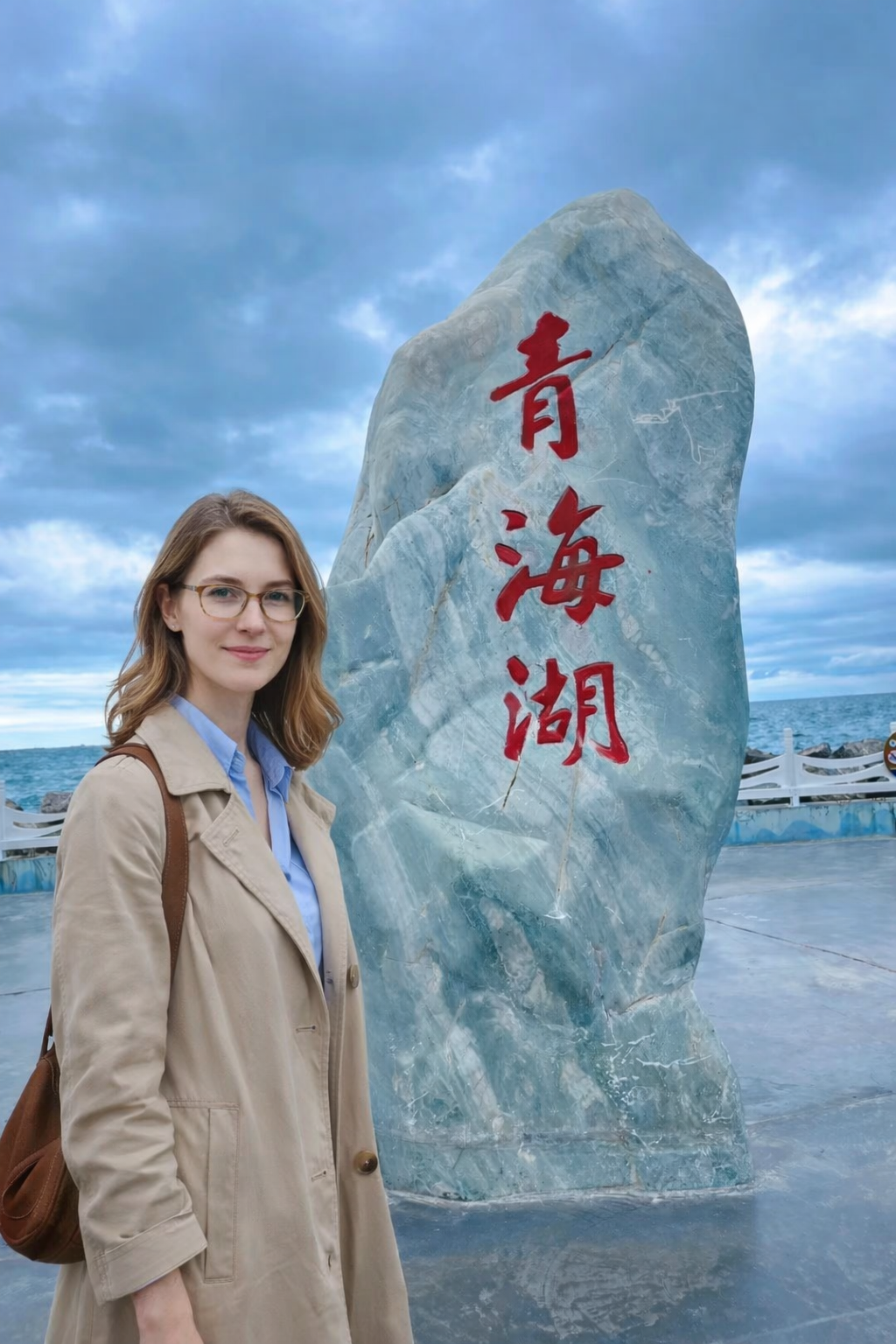
I remember driving along the G109 highway. The landscape outside my window had shifted from the arid browns of Xining to a sudden, shocking expanse of blue. It wasn’t the blue of the sky or the ocean; it was a deeper, heavier blue, the kind that seems to hold the weight of heaven. This was Qinghai Lake—Kokonor in Mongolian, or Tso Ngonpo in Tibetan—the largest saltwater lake in China. My driver, a jovial local named Tashi, pulled the car over onto a gravel patch. “Just listen,” he told me.
I stepped out, and the silence hit me first. It was a physical presence, broken only by the rhythmic lapping of water against the stony shore and the distant cry of a black-necked crane. Standing there at 3,200 meters above sea level, the air felt thin and incredibly crisp, filling my lungs with a cold, sharp sweetness. I walked toward the water, the gravel crunching under my boots. The lake stretched out to the horizon, seemingly infinite, merging with the sky in a seamless gradient of azure.
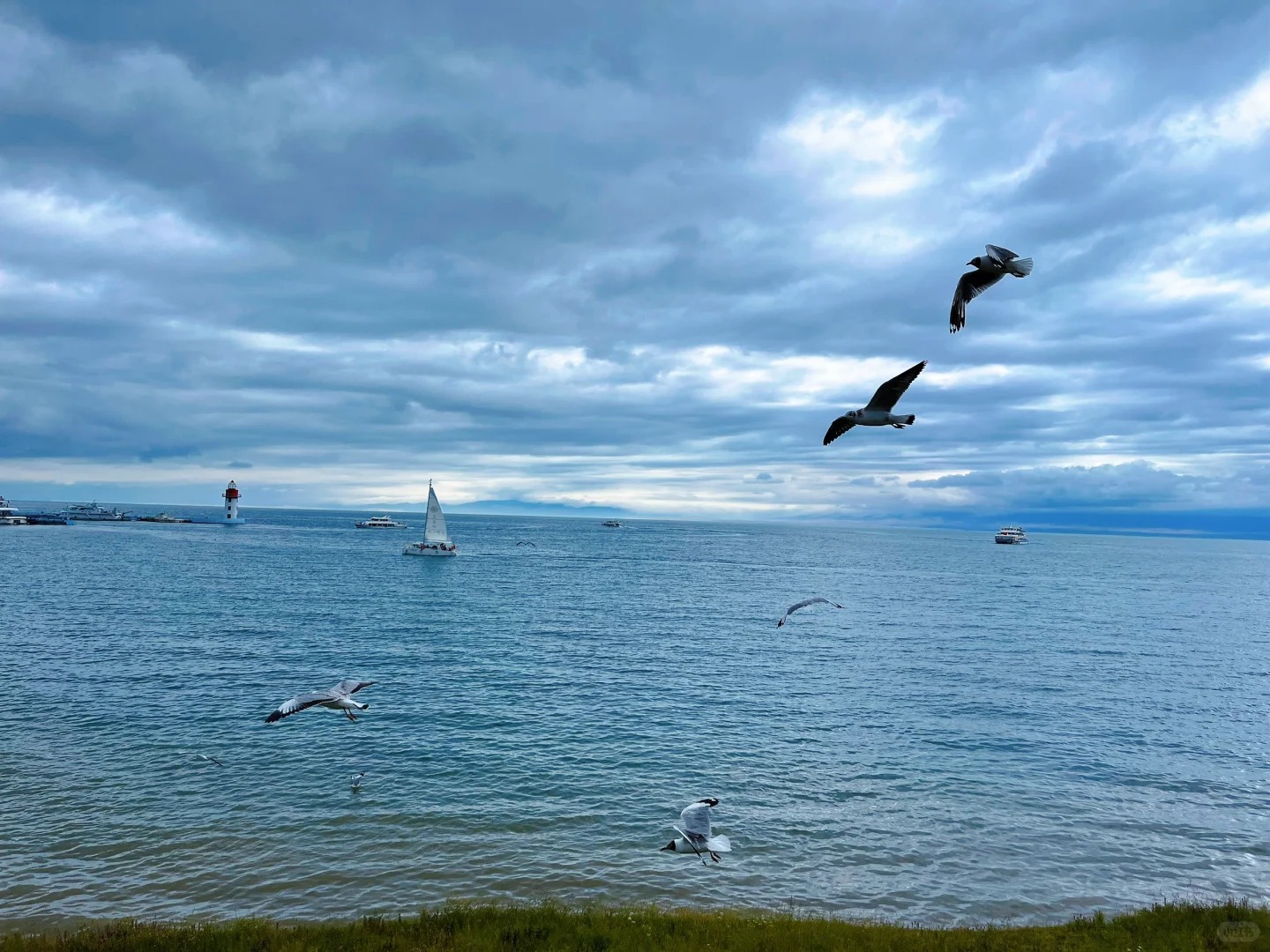
I visited in July, which is arguably the best time to come. While much of China is sweltering in oppressive heat, here on the plateau, the weather is a perfect, breezy coolness. But it’s not just the climate that draws the crowds; it’s the flowers. To my left, rolling hills were carpeted in a vibrant, dizzying yellow. These were rapeseed flowers, stretching for miles like a velvet blanket thrown over the earth. The contrast—the violent yellow of the flowers against the deep sapphire of the lake, framed by the snow-capped peaks of the distant mountains—was a palette so vivid it felt surreal, like walking through a painting that was too bright to be real.
I decided to rent a bicycle, wanting to feel the wind on my face rather than watching it through glass. Cycling along the designated lakeside paths is an experience I urge every traveler to try. It’s not a race; it’s a meditation. As I pedaled, I passed nomadic herders tending to their yaks. These massive, shaggy beasts looked prehistoric, their breath steaming in the cool air. I saw a young Tibetan girl spinning a prayer wheel, her eyes bright and curious as she waved at me. I stopped at a small tent run by a local family. They offered me milk tea—salty, rich, and warming. It’s an acquired taste for some, but sipping it while looking out at the expanse of the water, I felt a profound connection to the land and its history. This isn’t just a tourist spot; it’s a life source, a sacred entity to the people who have lived here for centuries.
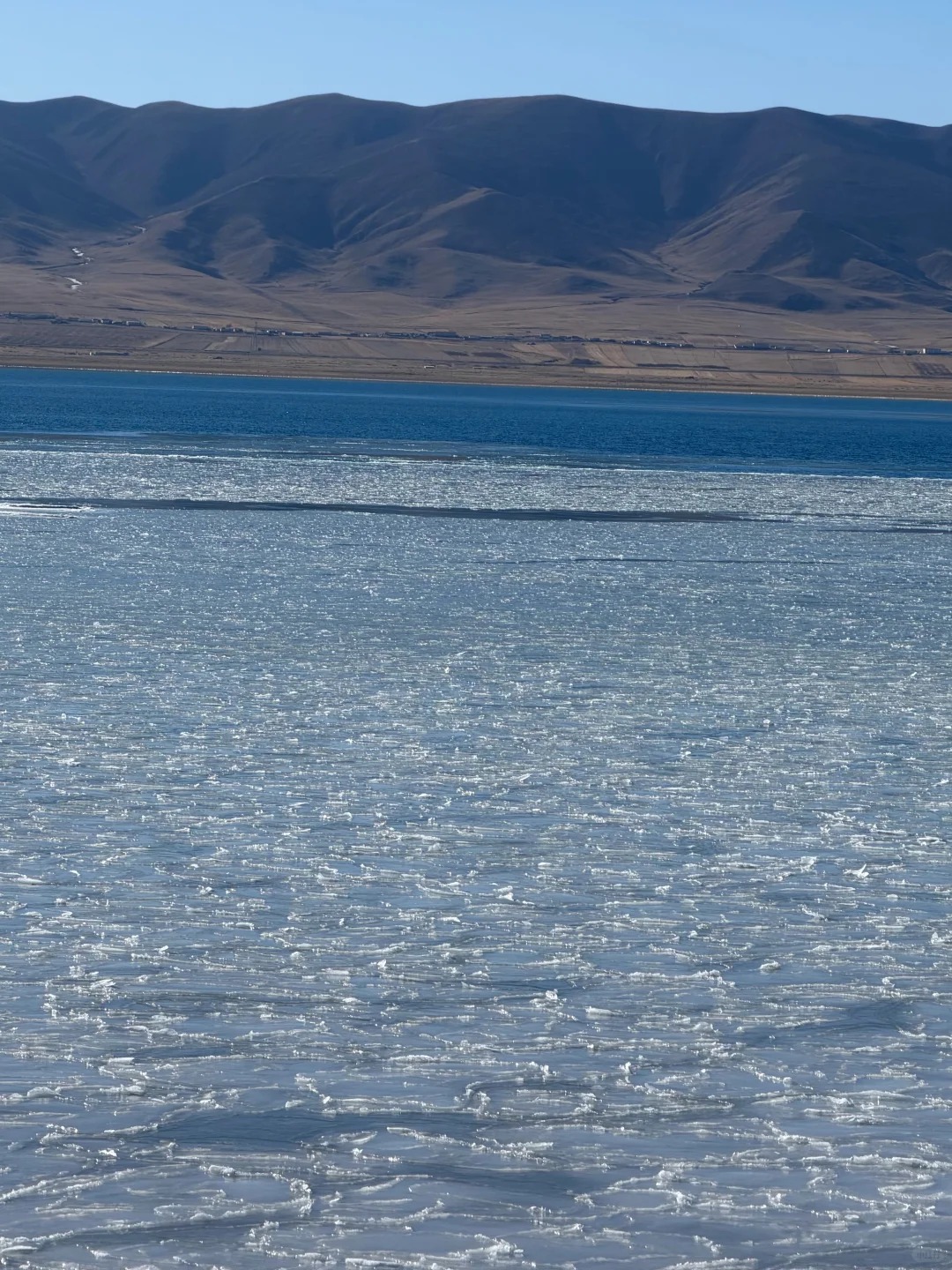
As the afternoon wore on, the lighting changed. The sun began its slow descent, casting long, golden shadows across the water. The lake transformed, turning from deep blue to liquid gold, then to a shimmering silver. I sat on a large rock, watching the ripples. In Tibetan Buddhism, water is a purifier. Washing in these waters is said to cleanse the soul of sins. I didn’t submerge myself, but I dipped my hands in. The water was biting cold, shocking my system, waking me up. It felt like a reset button.
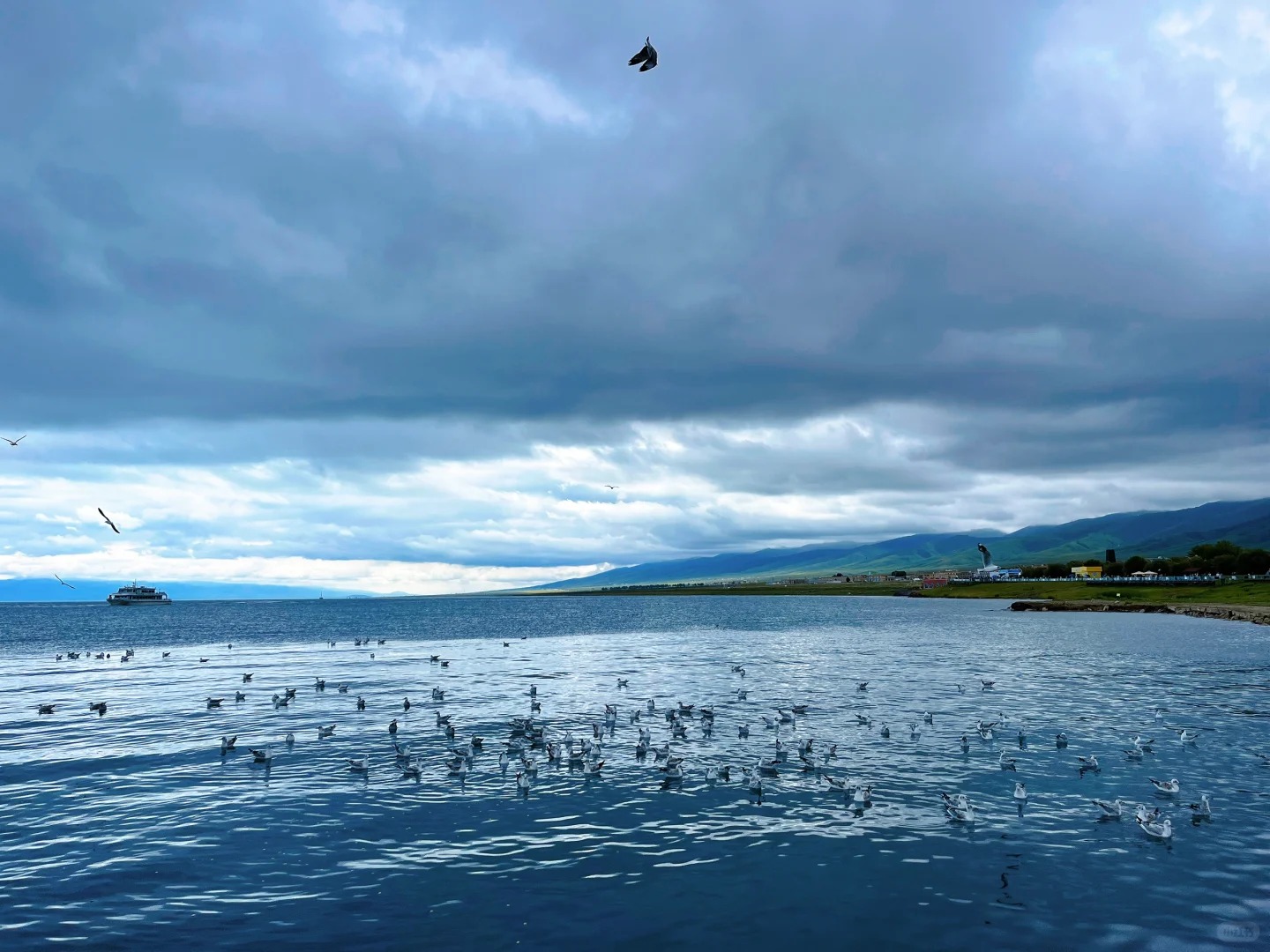
There is a spiritual gravity to Qinghai Lake that is hard to articulate. It lacks the commercial flashiness of other famous Chinese landmarks. There are no neon lights, no loud announcements, just the sheer, overwhelming power of nature. I watched a flock of bar-headed geese take flight, their wings beating against the wind, migrating over the mountains. It reminded me of the resilience required to survive in this harsh but beautiful environment.
Evening brought a chill that cut through my jacket. I headed back to my accommodation, a simple guesthouse in a nearby village. Dinner was a hearty bowl of yak meat noodles. The meat was tough but flavorful, the broth spicy enough to warm my chest. I sat with other travelers—backpackers from Germany, a couple from Beijing, a solo traveler from Australia. We didn’t speak much, exhausted by the altitude and the day’s beauty, but we shared a common understanding. We had all witnessed something ancient and enduring.
As I write this, looking back at the photos I took, they feel insufficient. A camera lens cannot capture the scale of Qinghai Lake. It cannot capture the way the wind sounds whistling through the mountain passes, or the smell of the juniper smoke burning in local shrines. To truly understand Qinghai Lake, you have to stand on its shores. You have to breathe the thin air. You have to let the vastness silence your internal monologue.
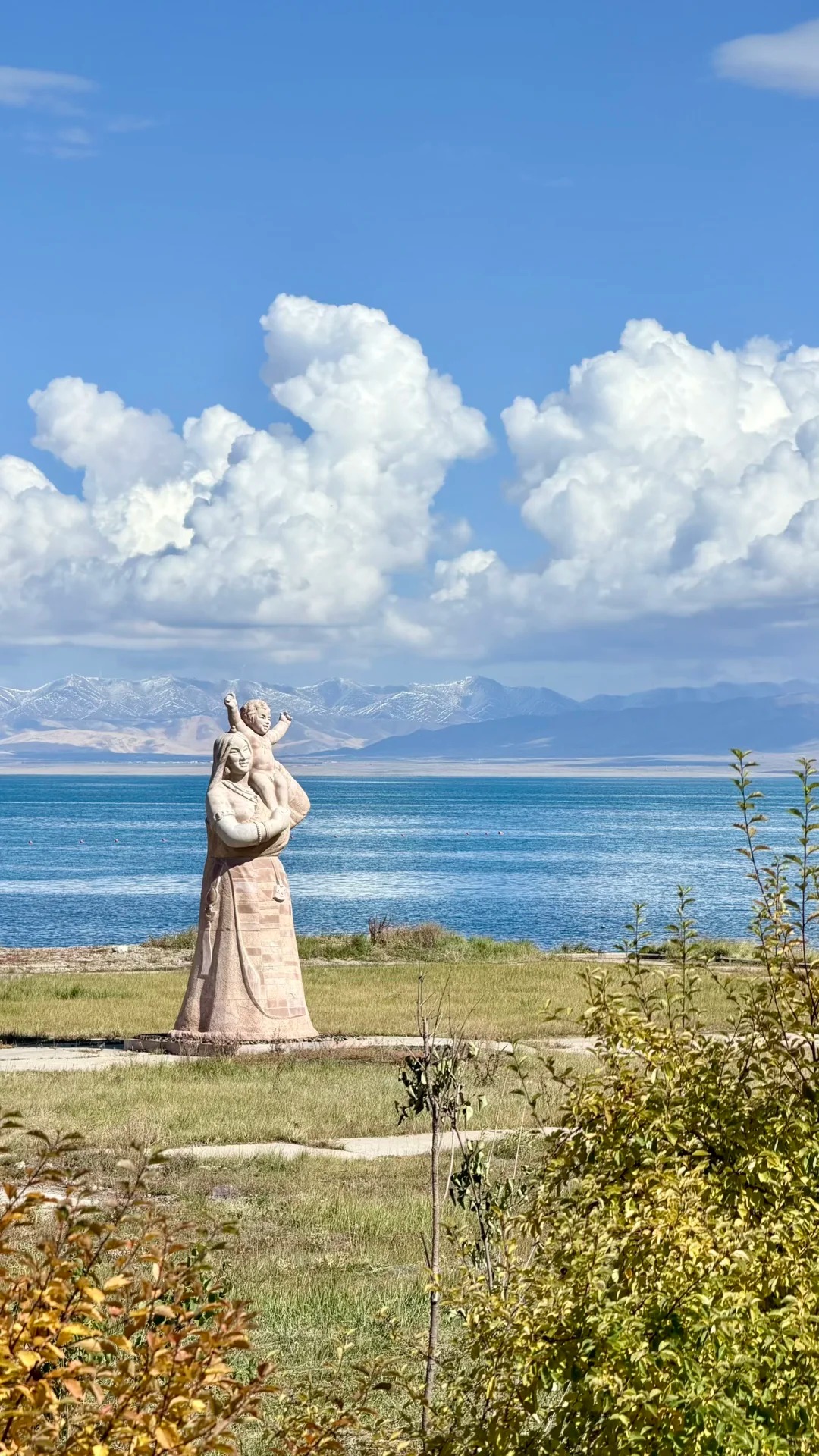
It was here that I learned to appreciate the concept of “emptiness” in the Buddhist sense—not nothingness, but a space full of potential, a vastness that contains everything. Qinghai Lake is not just a body of water. It is a mirror reflecting the sky, the earth, and, if you are still enough, your own soul. If you come to China, skip the shopping malls for a day. Come here. Stand before the water. Let the world shrink until it is just you, the wind, and the endless blue.