I remember the cold as a physical presence that day—not just an absence of warmth, but a solid, crystalline entity that wrapped around my lungs with every breath. I was standing at the gates of the Harbin Ice and Snow World, my boots sinking into the powdered snow, staring at a fortress of light carved from the Songhua River’s winter harvest. It was not a sight; it was a sensation. A city built of ice, glowing under the bruised violet of a Northeast China sky, spires and arches and bridges all cut from translucent blue and white blocks, lit from within by LEDs that pulsed like frozen fireflies.

The scale of it is the first thing that steals your words. Photos don’t prepare you for the verticality, the audacity. I walked through an ice replica of the Hall of Prayer for Good Harvests, each tier detailed with carved eaves and pillars, and felt dwarfed not just by size but by imagination. Children squealed, sliding down ice slides on pieces of cardboard. Lovers posed under arches draped with frozen vines. The air smelled of frost and sugar—vendors sold candied hawthorn berries on sticks, the scarlet globes hardening instantly in the cold, creating a sweet, crackling shell.
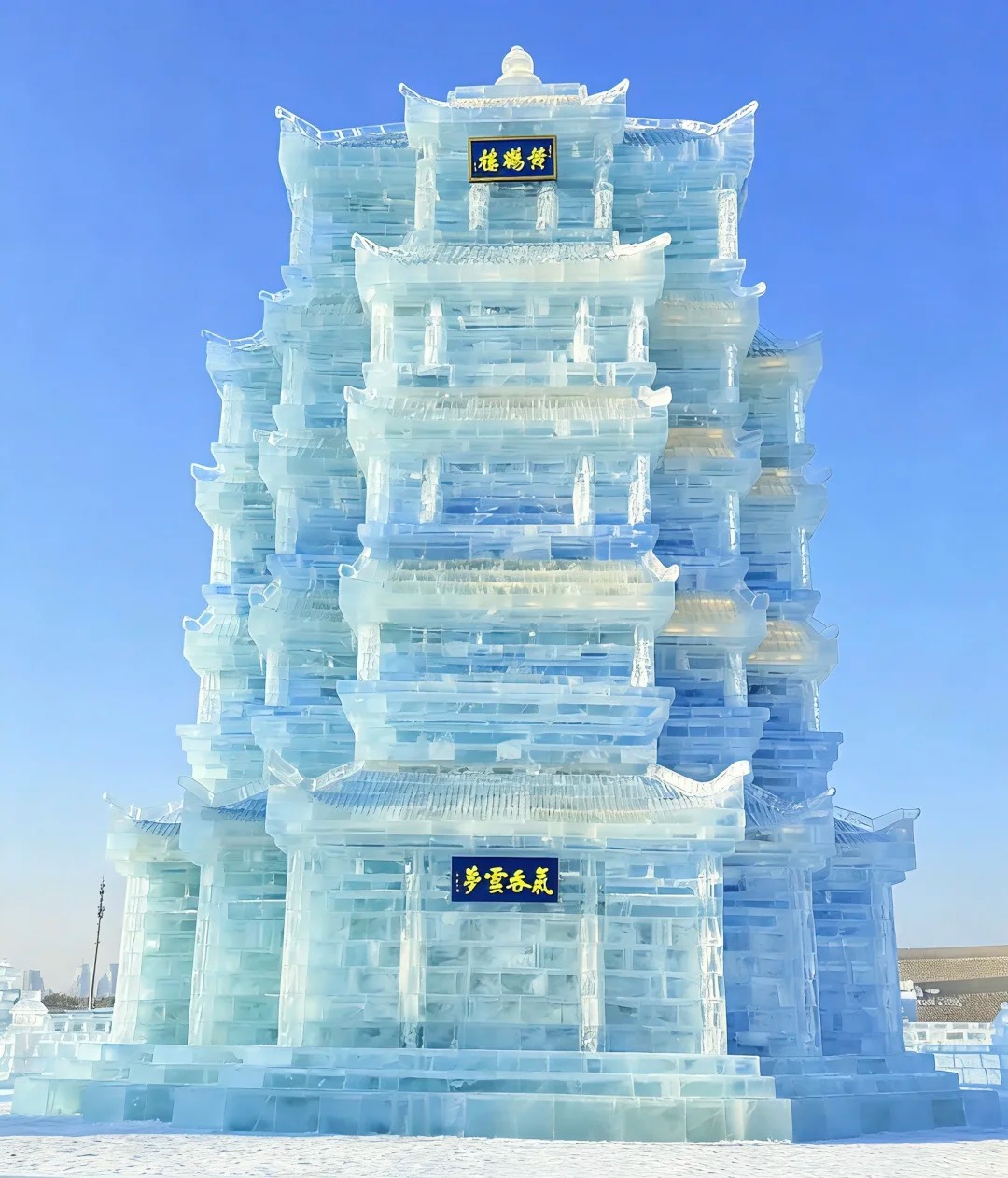
But the real magic, I found, was in the quiet corners. Away from the main thoroughfares, where the crowds thinned and the colored lights gave way to the cool blue of moonlight on ice, I found a small ice chapel. Inside, a single bench had been carved from a solid block. I sat there, my breath pluming in the stillness, and watched the stars prick through the clear ice roof. In that silence, the Ice and Snow World transformed from a spectacle into something sacred—a testament to what humans can build when they decide to celebrate winter instead of merely enduring it.
Later, I warmed up in one of the heated rest pavilions, sipping suannai—a slightly fermented milk drink that’s a Harbin staple—from a warm bottle. A local man, his face a roadmap of wrinkles earned from decades of northern winters, sat next to me. “We don’t hide from the cold here,” he said, gesturing with his chin toward the glittering panorama outside the fogged-up window. “We build a palace for it.” That, perhaps, is the essence of this place. It’s not an amusement park; it’s a cultural statement. A declaration that beauty can be transient—these towers will melt come spring—and that makes the moment of witnessing them all the more precious.
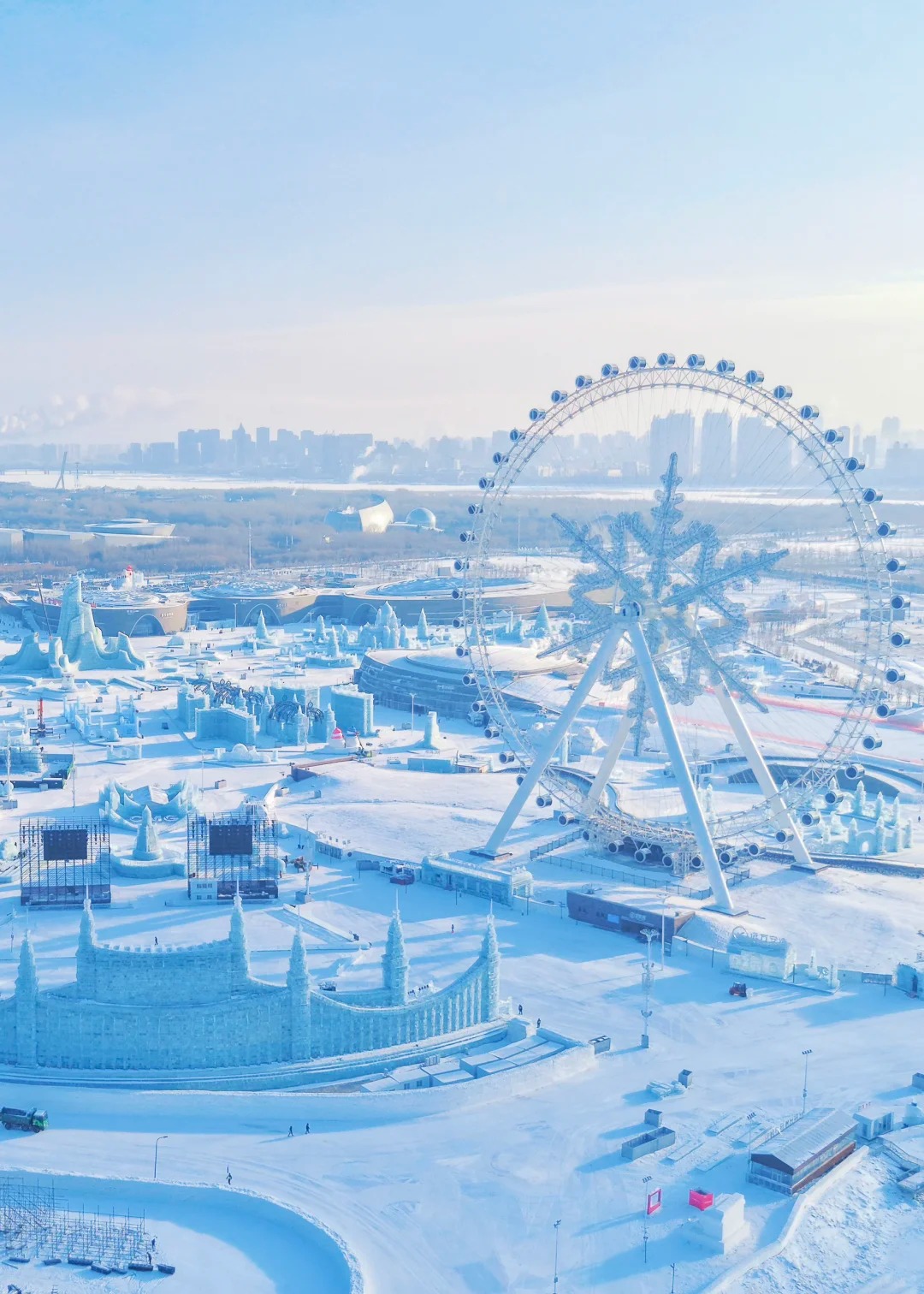
The craftsmanship is staggering. By day, you can watch the artisans at work, using chainsaws, chisels, and even hot irons to shape and polish the ice. They work with a focused calm, their hands steady in sub-zero temperatures, transforming raw, cloudy blocks into crystalline walls as clear as glass. It’s a dance between brute force and delicate precision. At night, when the lights are orchestrated to shift colors in slow, sweeping waves across the complex, the entire place feels alive, breathing in time with some glacial heartbeat.
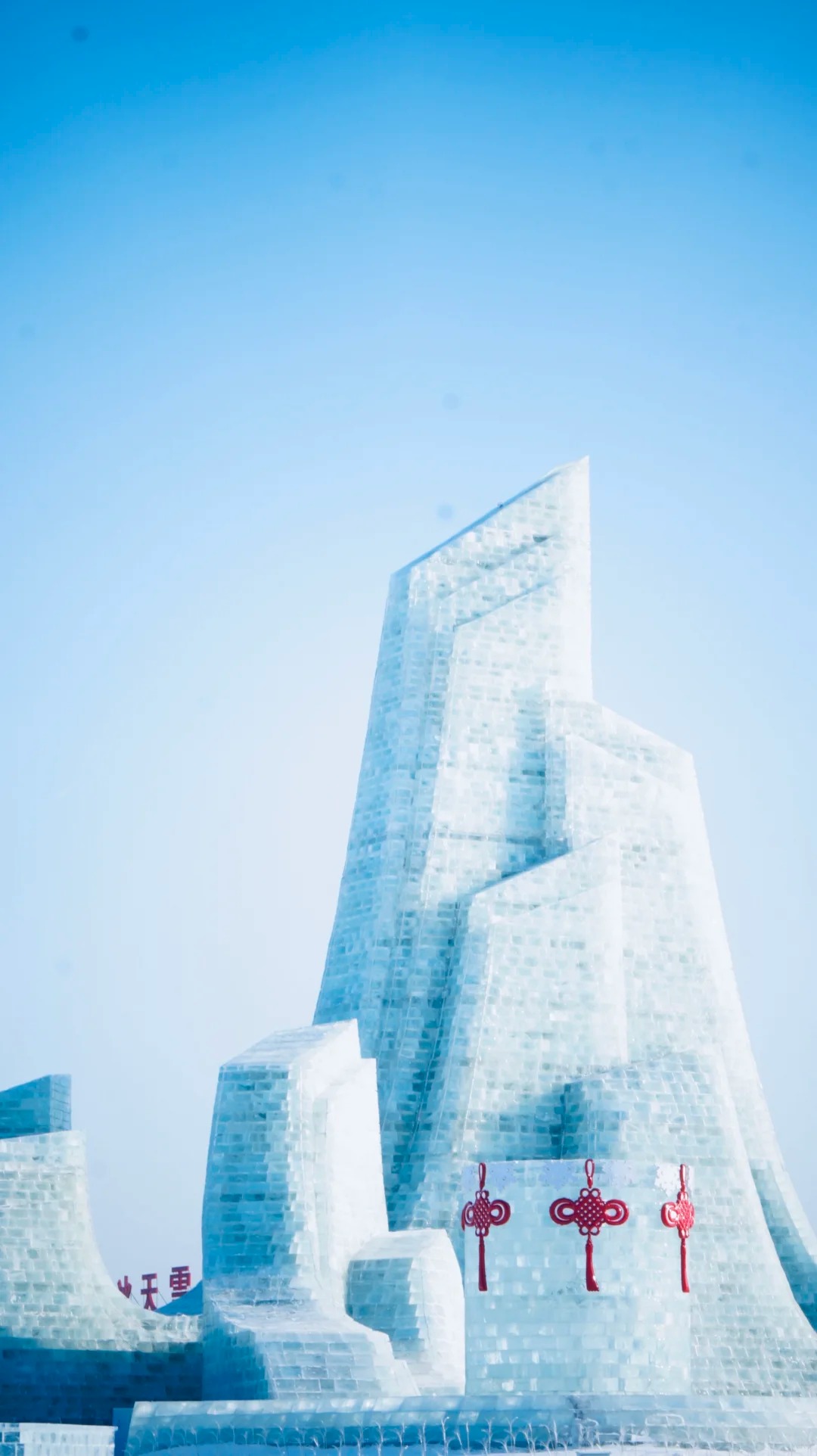
Leaving near midnight, my cheeks numb and my soul full, I took one last look back. The ice castles shimmered, a mirage of cold fire against the dark. It was a dreamscape, temporary and breathtaking, a memory already forming itself around the core of that exquisite, piercing cold. I didn’t just see the Harbin Ice and Snow World; I felt it in my bones, and it changed my understanding of winter forever.