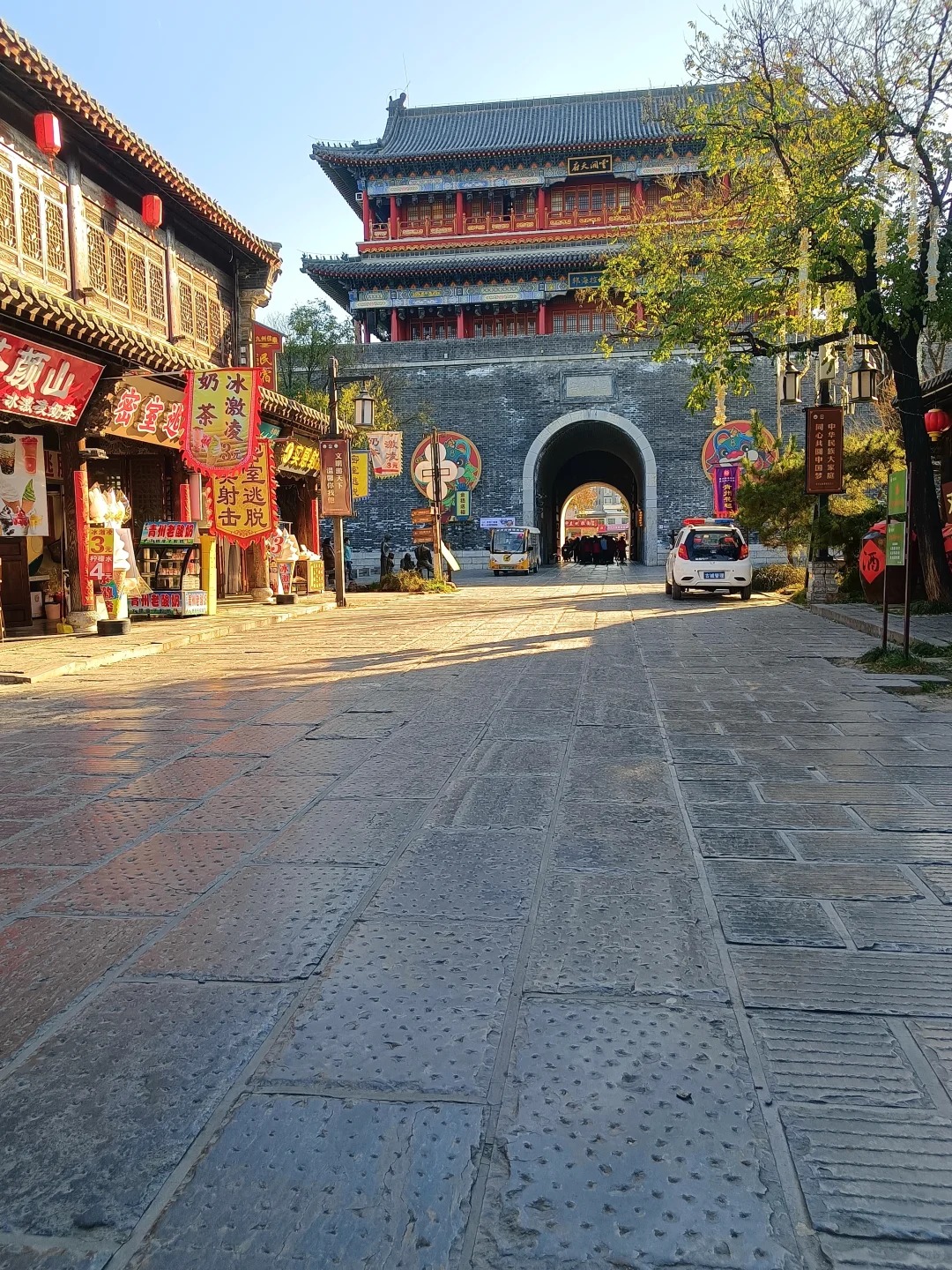
Stepping into Qingzhou's Ancient North Gate Street is like crossing a threshold where time thickens. The modern city's noise dissolves, replaced by the hollow tap of your own footsteps on worn, bluish flagstones. This is not a reconstructed "old town" for tourists; it's a living artery that has pulsed for over 1,600 years. I came not for grand monuments, but for the quiet, accumulated patina of history.

As a key node on the ancient Silk Road's eastern extension, Qingzhou was a cultural melting pot. This legacy is enshrined in its Museum, home to a stunning collection of Buddhist statues. But the city's true museum is its streets. My first encounter was olfactory: the rich, dark scent of aged vinegar wafting from a century-old shop, its barrels gleaming like obsidian. Next, the visual tapestry: traditional pharmacies with walls of tiny wooden drawers labeled in elegant script; courtyard homes with grey-tiled roofs where pomegranate trees burst through latticed windows.
I spent an afternoon in a tiny, sun-drenched antique shop owned by a man whose family had lived here for generations. He didn't just sell objects; he narrated them. A fragment of a Song Dynasty celadon bowl became a story of a merchant's feast. A rusted Liao Dynasty horse bit spoke of northern steppe tribes trading here. "Qingzhou was never the capital," he said, polishing a piece of jade, "but it was always the place where things—goods, ideas, people—met and stayed." In his shop, the Silk Road wasn't a distant concept; it was a box of tangible, dusty memories.
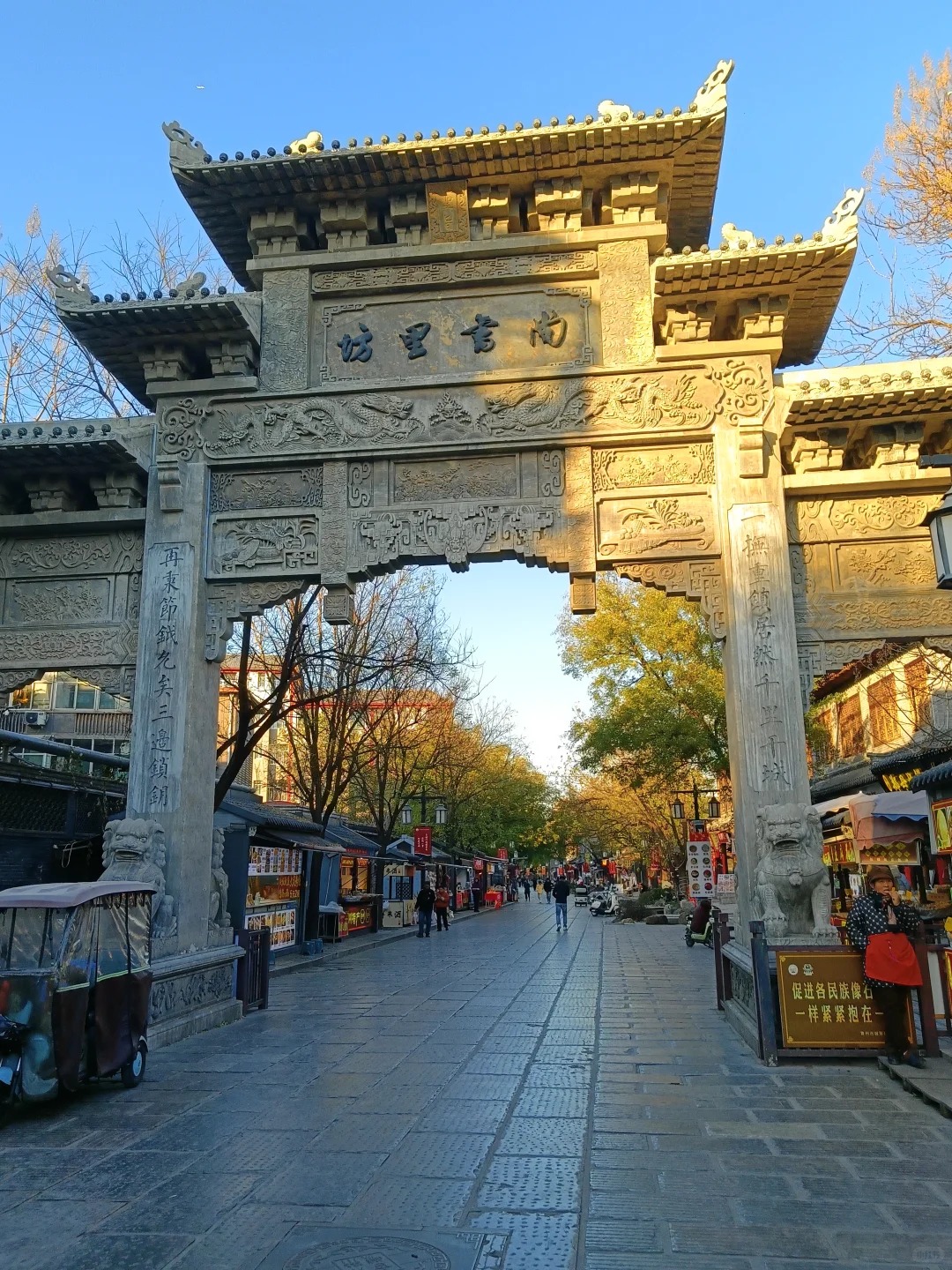
The city's soul, however, revealed itself at dusk. I climbed the remaining section of the Ming Dynasty city wall. Below, the red lanterns of North Gate Street began to glow like strings of warm jewels. In a small public square, life unfolded in a timeless rhythm: elders played chess under a ginkgo tree, vendors sold sizzling jianbing (savory crepes), and children chased each other around stone steles engraved with forgotten scholars' poetry. The past wasn't behind glass; it was in the evening breeze, the sizzle of dough on a griddle, the laughter echoing off ancient walls.

Leaving Qingzhou, I carried no souvenir trinket. Instead, I carried the memory of a city that wears its history lightly but deeply. It doesn't shout about its Silk Road glory; it whispers it in the scent of vinegar, the texture of a flagstone, and the quiet pride of a shopkeeper's story. In an age of relentless newness, Qingzhou is a masterclass in continuity, a place where every corner holds a conversation between then and now.