“Guilin’s mountains and waters are the best under heaven”—this ancient Chinese saying has been repeated to me countless times, but I never truly understood its meaning until I sailed down the Li River. The Li River, which winds through Guilin and Yangshuo in Guangxi, is famous for its stunning karst landscapes—tall, cone-shaped mountains rising from the water like giant stone pillars, their reflections shimmering in the clear, green river. Sailing down the Li River is like sailing through a traditional Chinese landscape painting, and it’s an experience that I will never forget.

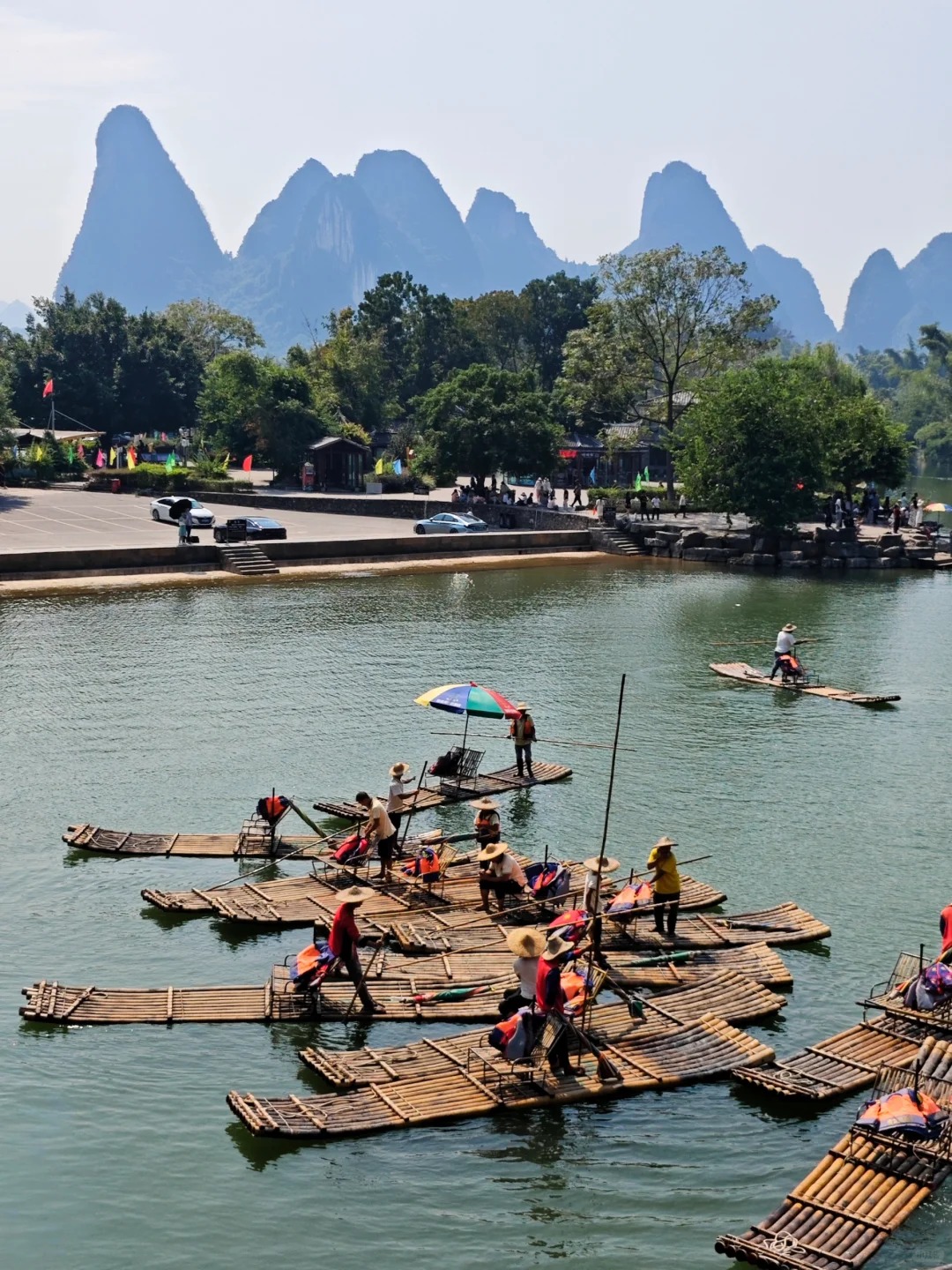
My Li River journey began in Yangdi, a small town located about 60 kilometers from Guilin. I boarded a traditional bamboo raft, which was steered by a local boatman named Uncle Liu. The raft was made of bamboo poles tied together, and it glided smoothly along the river. As we set off, Uncle Liu told me that the best time to sail the Li River is in the morning, when the mist is thick and the mountains look like they’re floating in the air. He was right—the mist hovered over the river, creating a dreamlike atmosphere. The only sounds were the gentle lapping of the water against the raft, the rustle of bamboo, and the distant call of birds.
As we sailed downstream, I was amazed by the beauty of the karst mountains. Each mountain has a unique shape, and Uncle Liu pointed out different formations, giving them names like “Nine Horses Fresco Hill” and “Yellow Cloth Shoal Reflection.” He told me the legends behind each formation—stories of gods and goddesses, heroes and villains. For example, he said that Nine Horses Fresco Hill gets its name because the patterns on the mountain look like nine horses running. “It’s said that if you can see all nine horses, you’ll have good luck,” he said with a smile. I spent a long time staring at the mountain, trying to spot all nine horses, and eventually, I did—much to Uncle Liu’s delight.
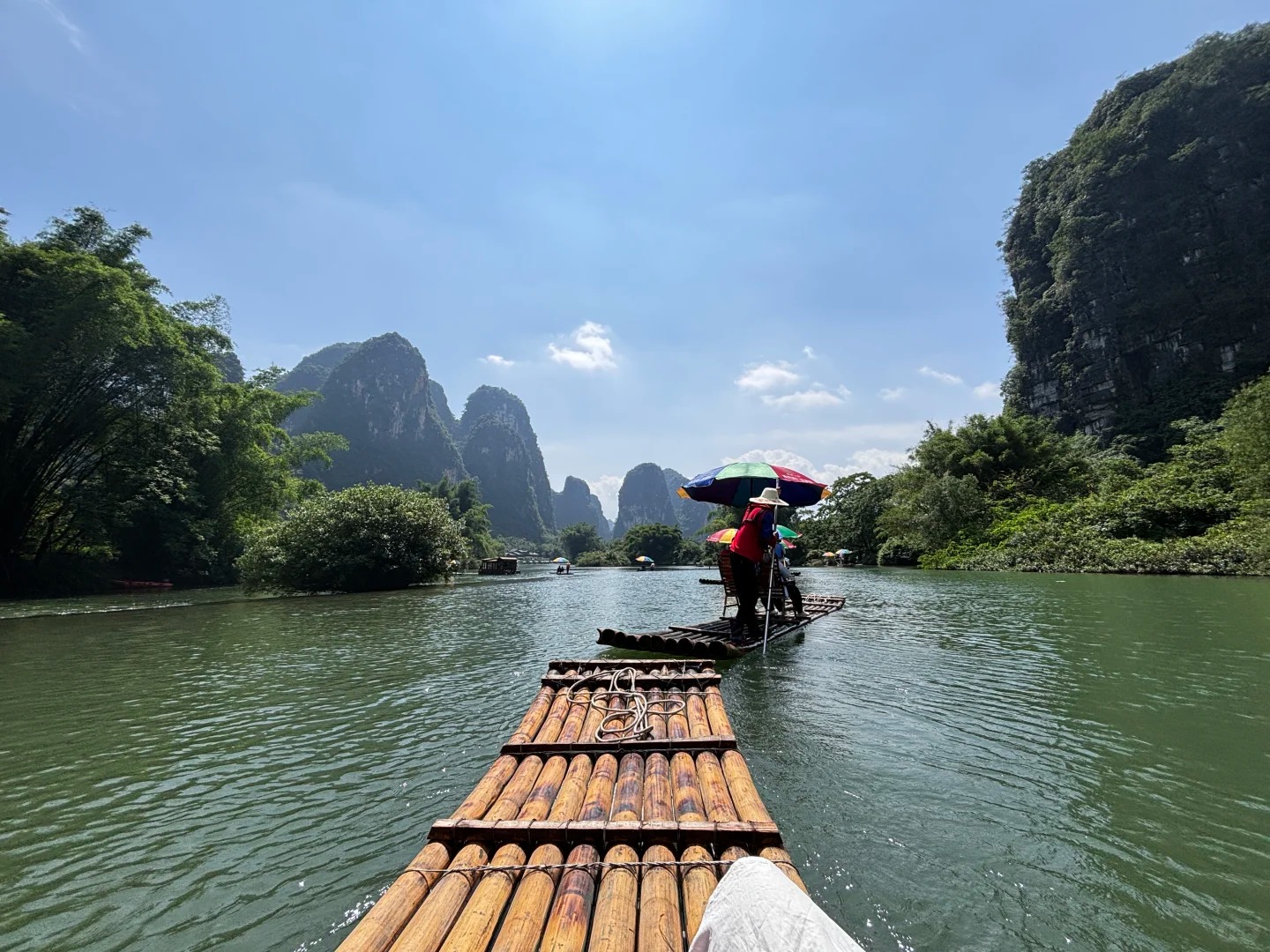
Along the way, we passed by small villages and farms. I saw locals planting rice in the fields, washing clothes in the river, and fishing from small boats. It was a glimpse into the simple, peaceful life of the people who live along the Li River. Uncle Liu told me that many of these villages have been here for hundreds of years, and that the Li River is the lifeblood of the community. “We depend on the river for food, water, and transportation,” he said. “It’s like a mother to us.”
By mid-morning, the mist had lifted, and the sun shone down on the river, making the water glow like emeralds. We stopped at a small island for a break, where Uncle Liu prepared a simple lunch of rice, pickled vegetables, and fresh fish that he had caught that morning. The fish was cooked in a bamboo tube over an open fire, and it was the most delicious fish I’ve ever tasted—tender, flavorful, and infused with the scent of bamboo. After lunch, I walked around the island, which was covered in green grass and wildflowers. I saw a group of children playing by the river, chasing each other and laughing. They waved at me, and I waved back—a small, friendly gesture that made me feel welcome.
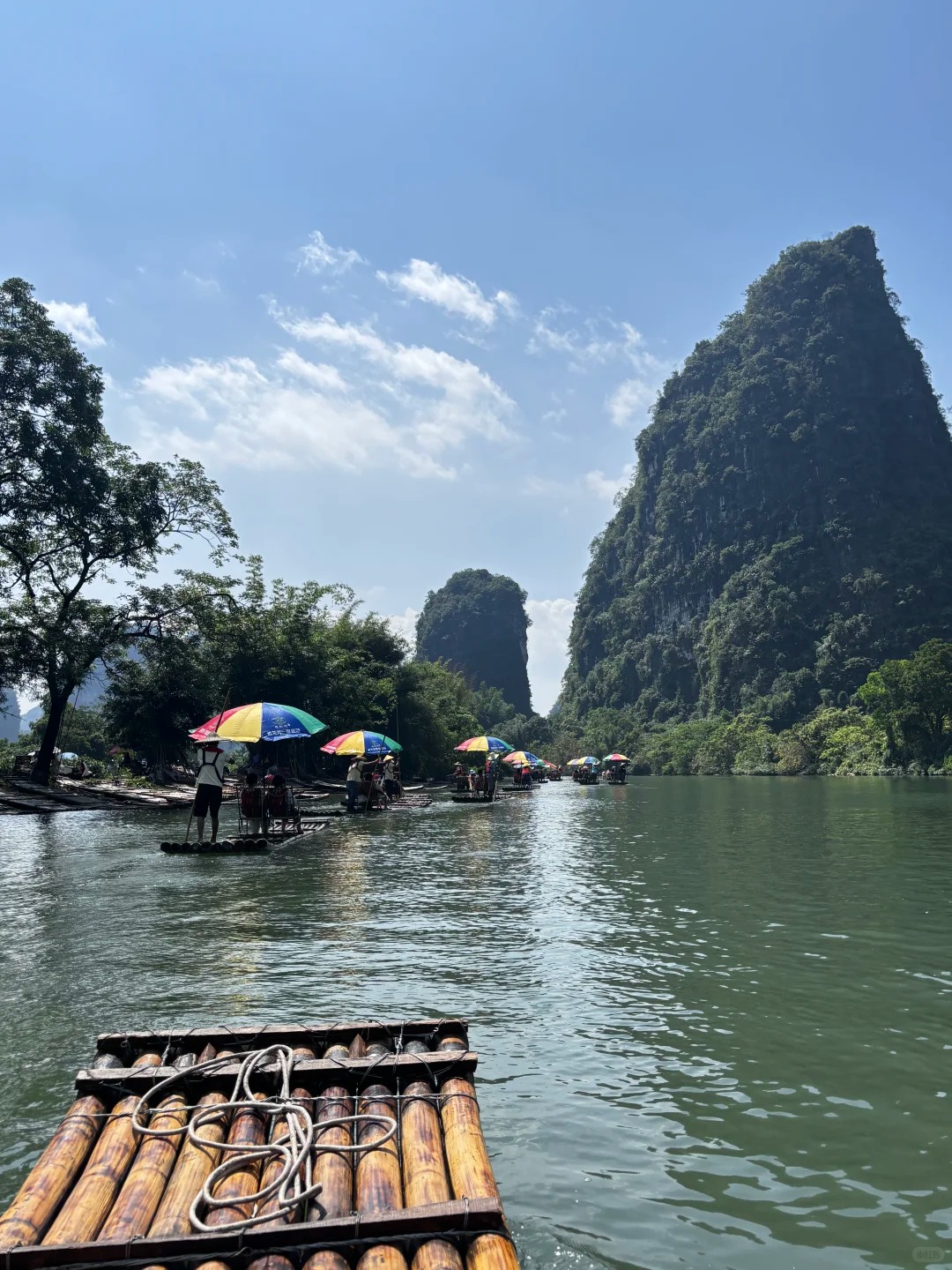
As we continued downstream, the landscape became even more stunning. We passed through the “Lijiang Gorge,” where the mountains are steeper and the river is narrower. The walls of the gorge are covered in green moss and ferns, and small waterfalls trickle down from the rocks. Uncle Liu told me that this is his favorite part of the river. “It’s quiet here, and the scenery is the most beautiful,” he said. I sat back on the raft, closing my eyes and listening to the sound of the water. I felt completely at peace, like I was one with nature.
In the afternoon, we arrived in Xingping, a historic town that is famous for its beautiful scenery and ancient architecture. I disembarked from the raft and walked around the town. Xingping has narrow, stone-paved streets lined with traditional Chinese houses, and small shops selling local crafts and food. I visited the Xingping Ancient Town Museum, which tells the story of the town’s history and culture. I also stopped at a small tea house, where I drank a cup of osmanthus tea and watched the world go by.
As the sun began to set, I walked back to the river to watch the sunset. The sky turned pink and orange, and the karst mountains were bathed in golden light. Their reflections in the river were perfect, creating a mirror image of the landscape. I stood there, watching the sunset, and finally understood why people say that Guilin’s mountains and waters are the best under heaven. The Li River is not just a river; it’s a work of art, a masterpiece of nature that has inspired poets, painters, and travelers for centuries.
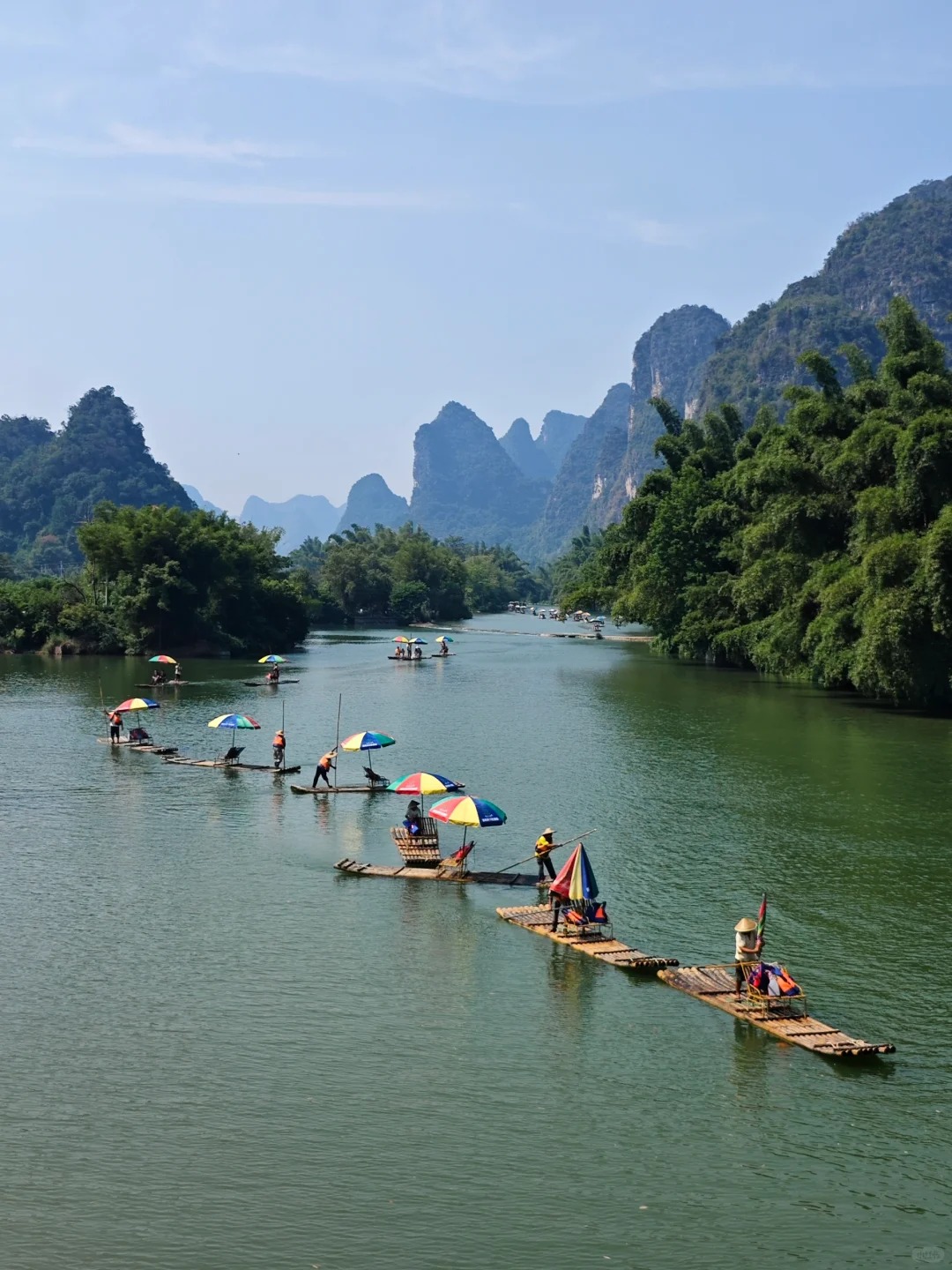
When I left Xingping, I felt a sense of sadness at leaving the Li River behind. Sailing down the Li River is more than just a tourist activity; it’s an experience that touches your soul. It’s a chance to escape the noise of the city, relax, and reconnect with nature. Whether you’re a nature lover, a culture enthusiast, or just someone who appreciates beauty, the Li River is a must-visit. It’s a true gem of China, and one that I will always cherish.