I have a confession: I was ready to hate Xijiang. I had heard the rumors. "It's too commercial." "It's a tourist trap." "It's the Disney version of Miao culture."
So, as the shuttle bus wound its way through the mountains of Leishan County, I had my guard up. I arrived at the North Gate, and indeed, there were crowds. There were souvenir shops. There were girls renting traditional silver headdresses for selfies. I sighed.
But then, twilight fell.

I had booked a guesthouse high up on the hillside, away from the main street. As I sat on the wooden balcony, nursing a cup of tea, the village began to transform. The sun dipped behind the mountains, and one by one, the lights flickered on.
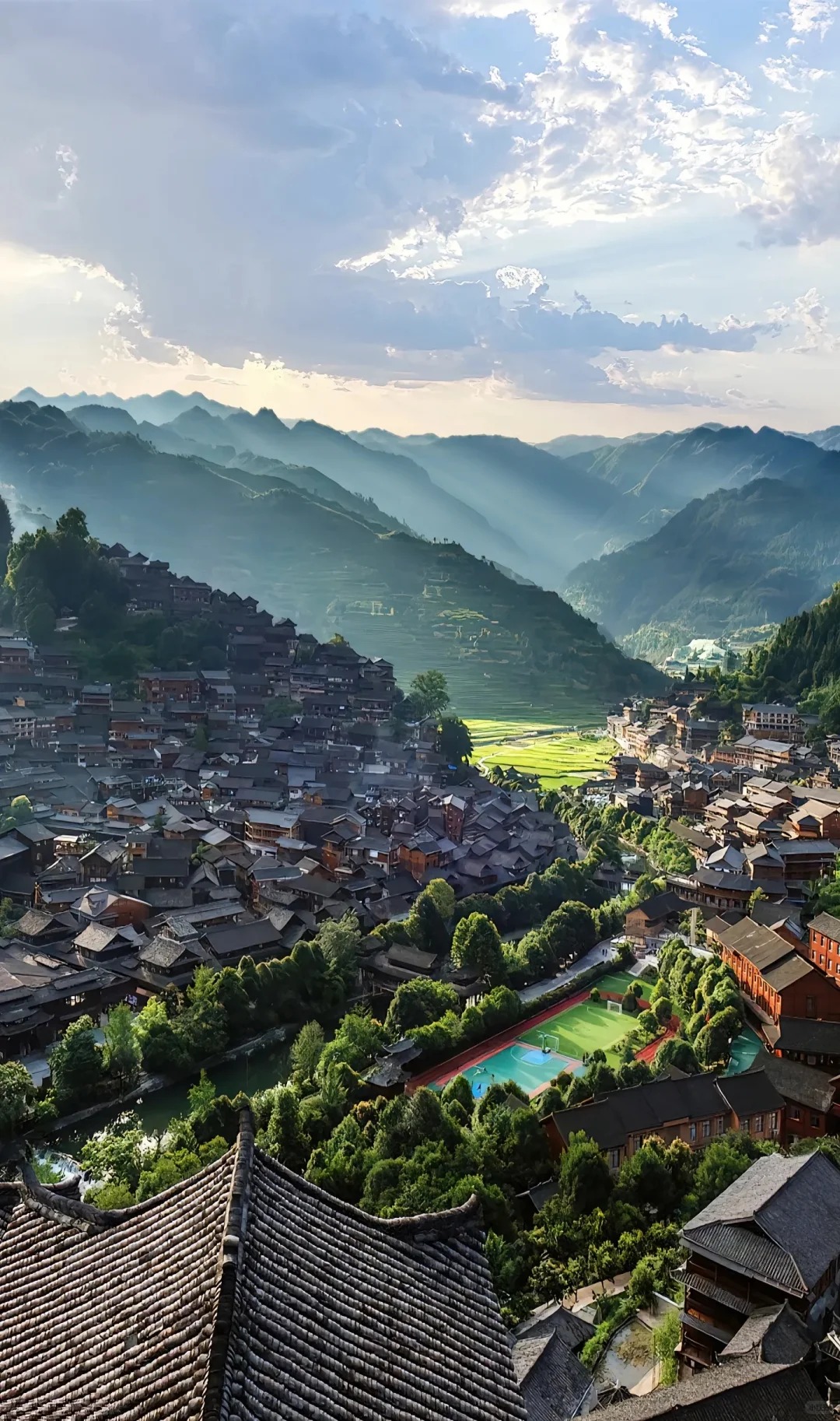
Xijiang represents the largest collection of Miao ethnic minority villages in the world—a cluster of over a thousand wooden stilted houses (Diaojiaolou) clinging to the mountain slopes. In the day, they are a chaotic jumble of brown timber. But at night? They are a galaxy.
Thousands of lights illuminated the valley floor and climbed the hillsides, creating the shape of a massive bull's head (a totem of the Miao people). It was breathtaking. The noise of the tour groups faded into a distant hum, replaced by the sound of the wind in the maple trees and the barking of a dog somewhere in the valley.
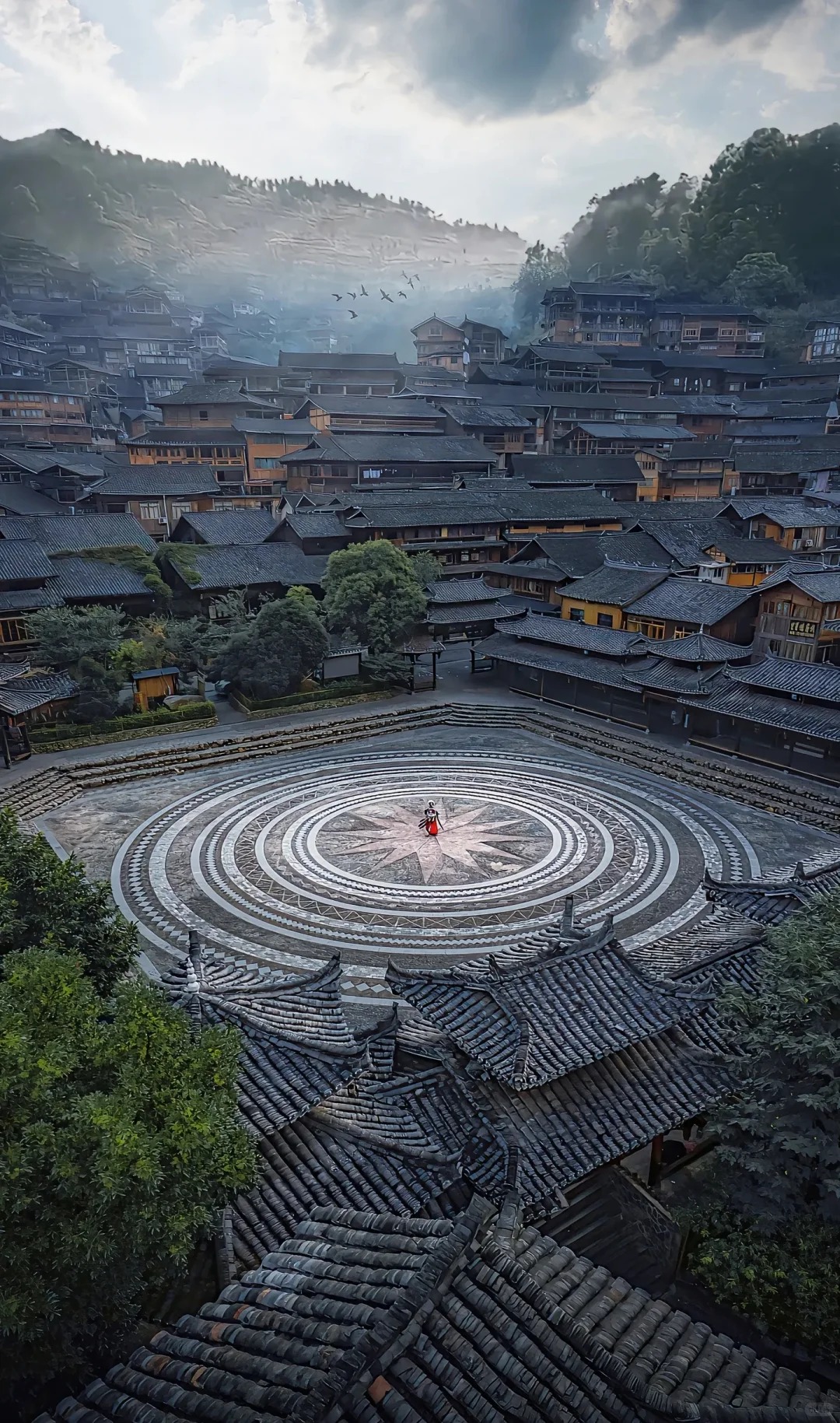
The next morning, I woke up before the tourists. This is the secret to Xijiang. You have to beat the bus schedules. At 6:00 AM, the village was reclaiming itself. I walked down the stone paths, slippery with morning dew. I saw women washing vegetables in the river, the water clear and cold. I saw an old man fixing the roof of his house, hammering away with quiet precision. I smelled the smoke of breakfast fires—sticky rice and sour soup.
I wandered into a small workshop where a silversmith was tapping away at a bracelet. He didn't look up when I entered. He just kept tapping, his hammer creating a hypnotic rhythm. Miao silver is famous—intricate, heavy, and full of symbolism. I watched him for twenty minutes, mesmerized by how he turned a dull bar of metal into a delicate filigree leaf. I bought a small ring from him. He smiled, his teeth stained from tobacco, and said, "Man zou" (Walk slowly/Take care). It felt genuine.
Later, I crossed one of the "Wind and Rain Bridges." These are covered bridges that serve as community centers. Elders were sitting on the benches, chatting in the Miao dialect, which sounds musical and tonal. I didn't understand a word, but their laughter was universal.
Yes, the main street is lined with shops selling mass-produced trinkets. Yes, the "Long Table Banquet" is a bit staged for tourists. But if you walk up the endless steps, if you get lost in the back alleys, if you wake up early, you find the pulse of the real village. You see the intricate embroidery on a grandmother's jacket that took her months to make, not for sale, but for wearing. You smell the fermenting rice wine in clay jars.
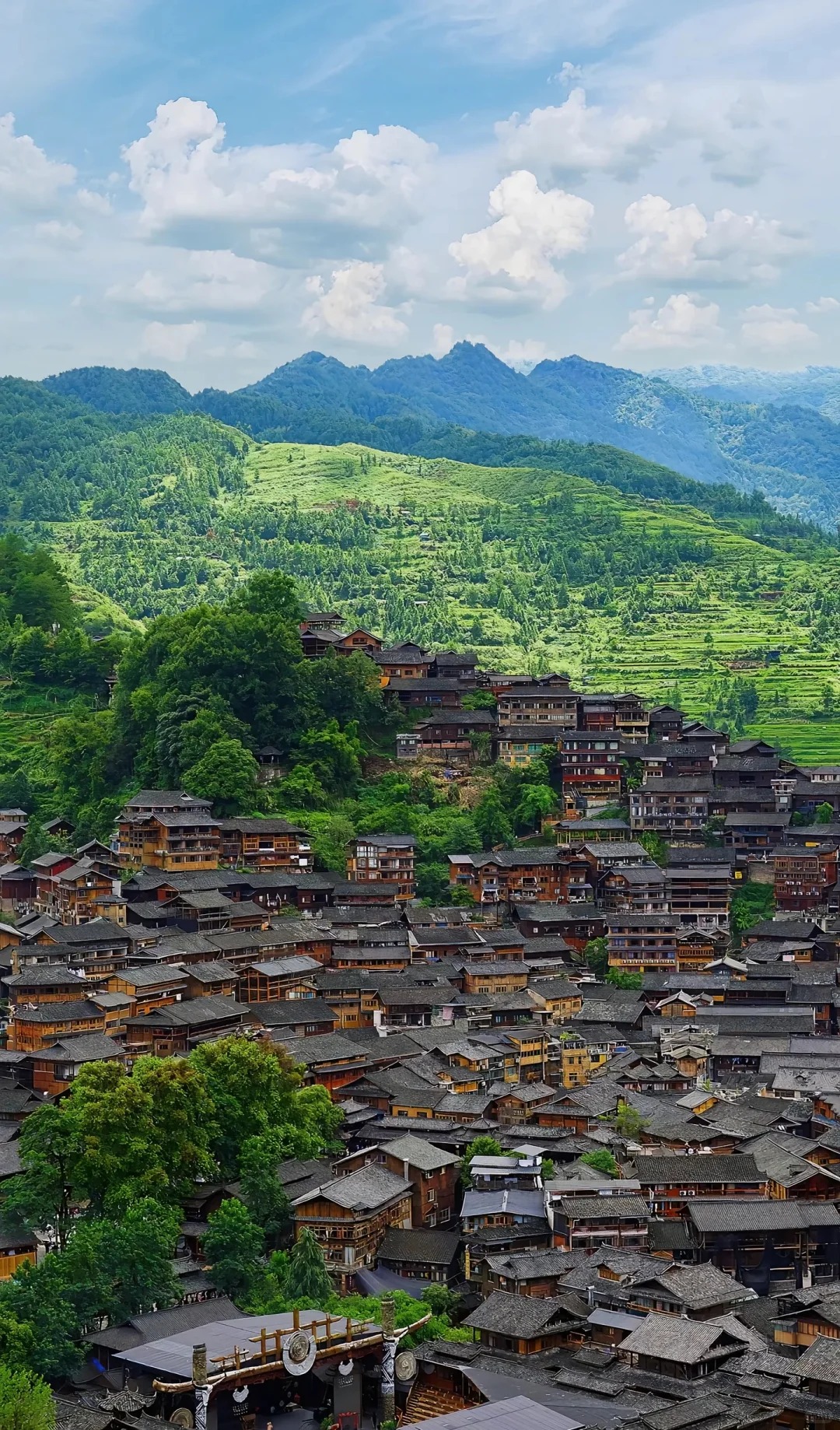
Xijiang is a paradox. It is a stage, yes, but real people live on it. It’s a place struggling to balance heritage with the influx of money. But standing on that balcony, watching the "thousand households" light up the dark valley, I didn't feel like a cynical tourist anymore. I felt like a guest at a very large, very old family gathering.