I have eaten burgers all over the world. I’ve had Wagyu sliders in Tokyo, smash burgers in New York, and late-night kebabs in London. But nothing—and I mean nothing—prepared me for the Roujiamo in Xi'an.
Calling it a "Chinese Hamburger" is almost an insult. It’s too simple. It implies it’s a copy. But history tells us this snack dates back to the Qin Dynasty (over 2,000 years ago). If anything, the Western burger is the copy.
The Hunt for the Authentic
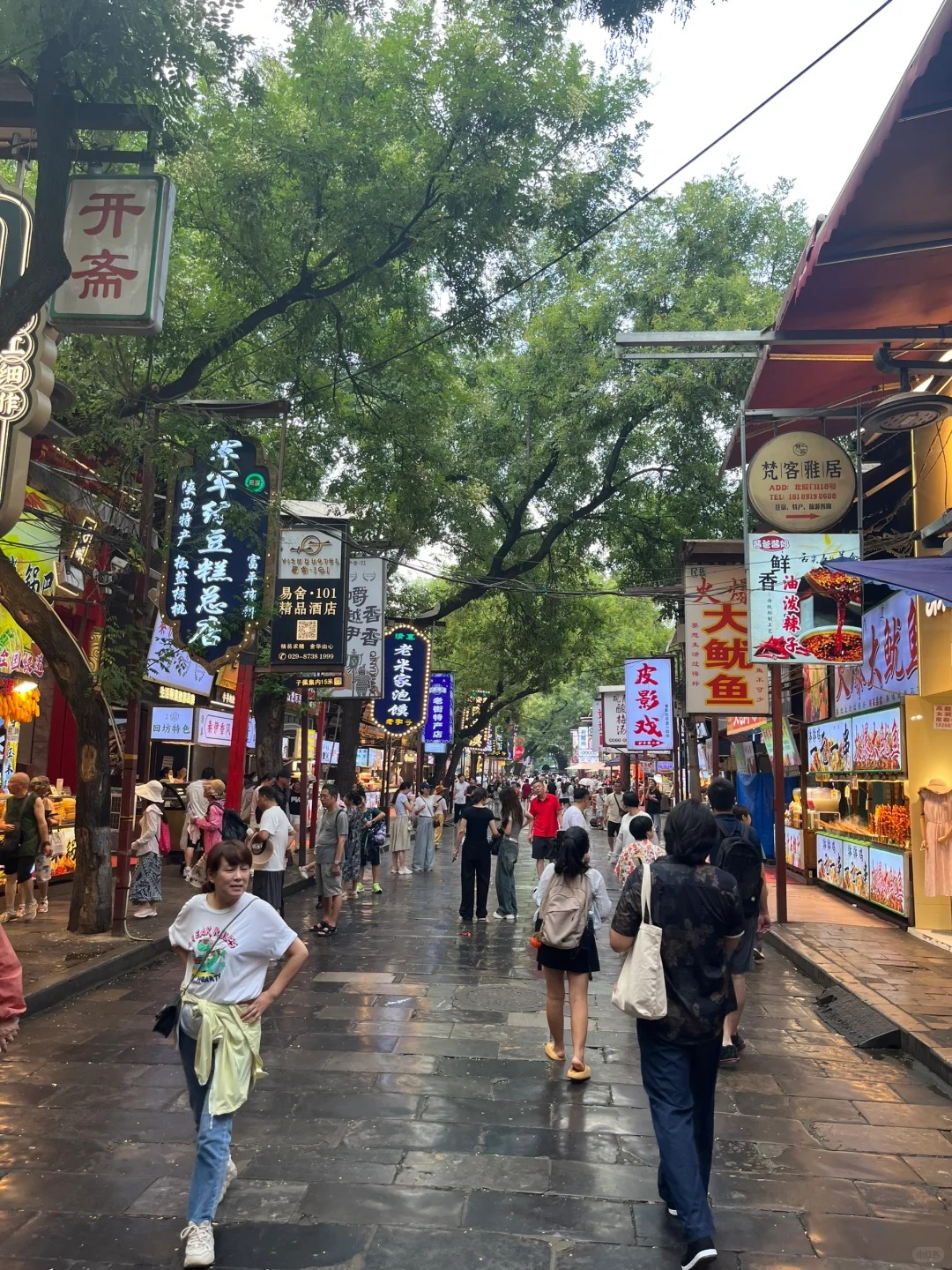
I didn't go to a fancy restaurant. I followed my nose (and a local friend’s strict instructions) to a small, hole-in-the-wall joint in a narrow alley near the Muslim Quarter. There was no English menu, just a line of locals stretching out the door. That’s always the best sign.
The kitchen was open to the street. I watched the master at work. He wasn't cooking; he was performing surgery. He pulled a piece of braised pork (La Zhi Rou) out of a giant, blackened cauldron. The pot looked like it hadn't been washed in decades—which, in the world of braising, is a good thing. It’s the "master stock," a liquid history of flavor.
The Anatomy of a Bite
He chopped the meat on a thick wooden block. Chop-chop-chop. The sound was fast and rhythmic. He didn't mince it into a paste; he left it in chunks, mixing the lean meat with the perfect amount of dissolving fat and skin. Then came the bun (Mo).
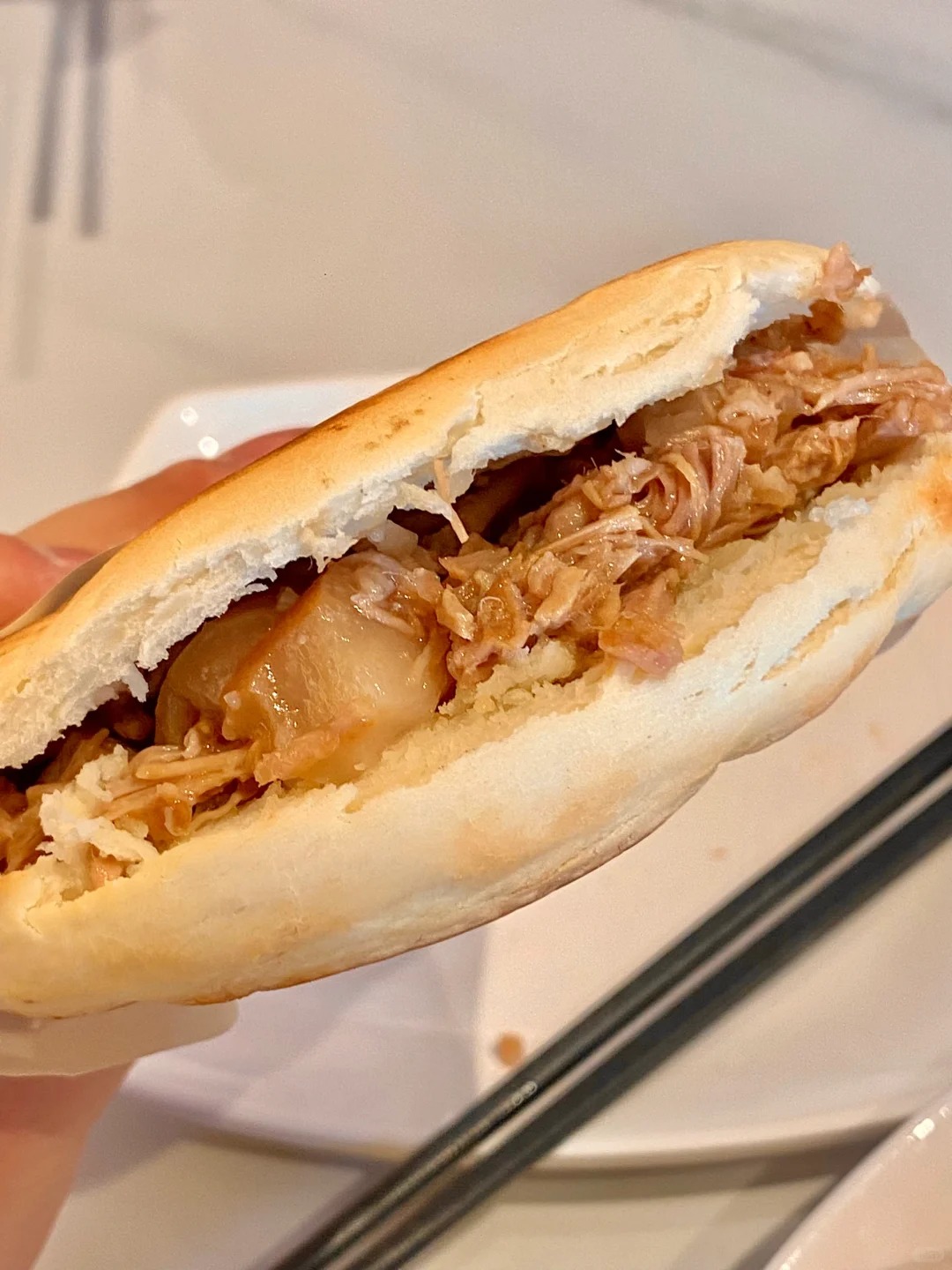
This isn't a soft, brioche bun that disappears in your mouth. This is a "Baiji Mo"—a semi-leavened bread baked in a stone oven until it has a tiger-skin pattern on the outside. It’s crispy on the crust, dense and chewy on the inside.
He sliced the hot bun open, stuffed it to the bursting point with the chopped meat, and handed it to me in a paper bag. It was heavy. Hot. Greasy in the best way possible.
The Flavor Explosion
I took the first bite standing right there on the sidewalk.
Crunch. The bread shattered slightly, then gave way to the soft, chewy interior. Then, the meat hit. It was savory, salty, and incredibly rich. The spices—star anise, cloves, cinnamon, and things I couldn't name—were deep in the meat fibers. The fat had melted into the bread, creating a gravy-soaked layer that was pure umami.
It wasn't spicy. It didn't need cheese. It didn't need lettuce or tomato. It was just meat and bread, perfected over two millennia.
I finished it in about four bites. My fingers were sticky. I immediately got back in line to buy another one.
More Than a Snack
Eating Roujiamo taught me about the character of Shaanxi people. It’s straightforward. It’s hearty. It’s not trying to be pretty; it’s trying to be satisfying. It’s the food of warriors and farmers, fuel for hard work.
Sitting on a small plastic stool, watching the steam rise from the pot, I realized that fast food doesn't have to be soulless. It can be a craft. It can be a heritage. And frankly, I don't think I can ever look at a Big Mac the same way again.