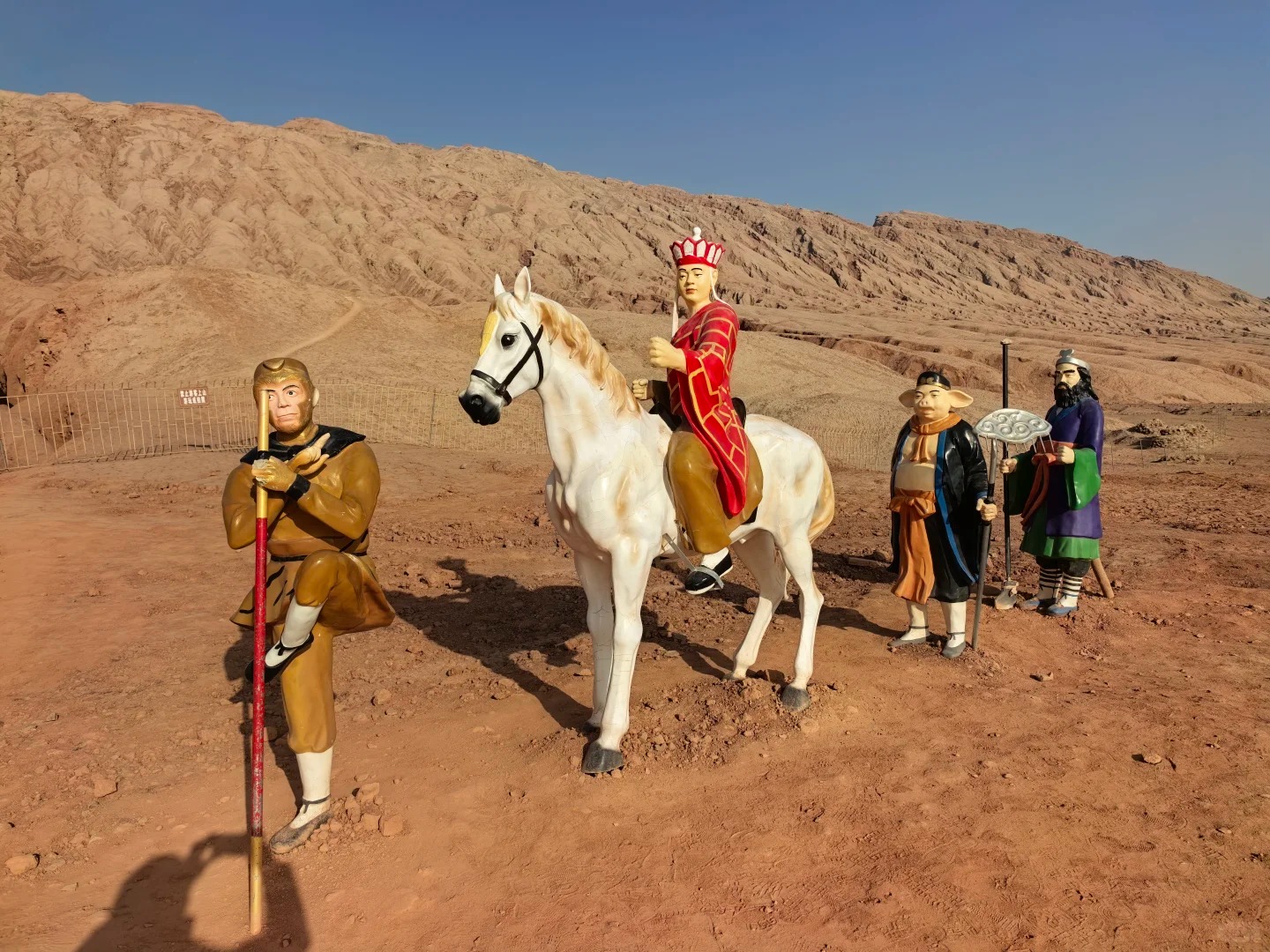
Some places are defined by their climate. Turpan is one of them. Known as the “Land of Fire,” it is the hottest place in China. And at the heart of this furnace lies the Flaming Mountain. I had heard the stories—from *Journey to the West*, where the Monkey King uses a magic fan to extinguish the flames that blocked his path. I thought it was just a myth. But standing in front of the Flaming Mountain, under the relentless, baking sun, I realized the myth was born from a very real, physical reality.
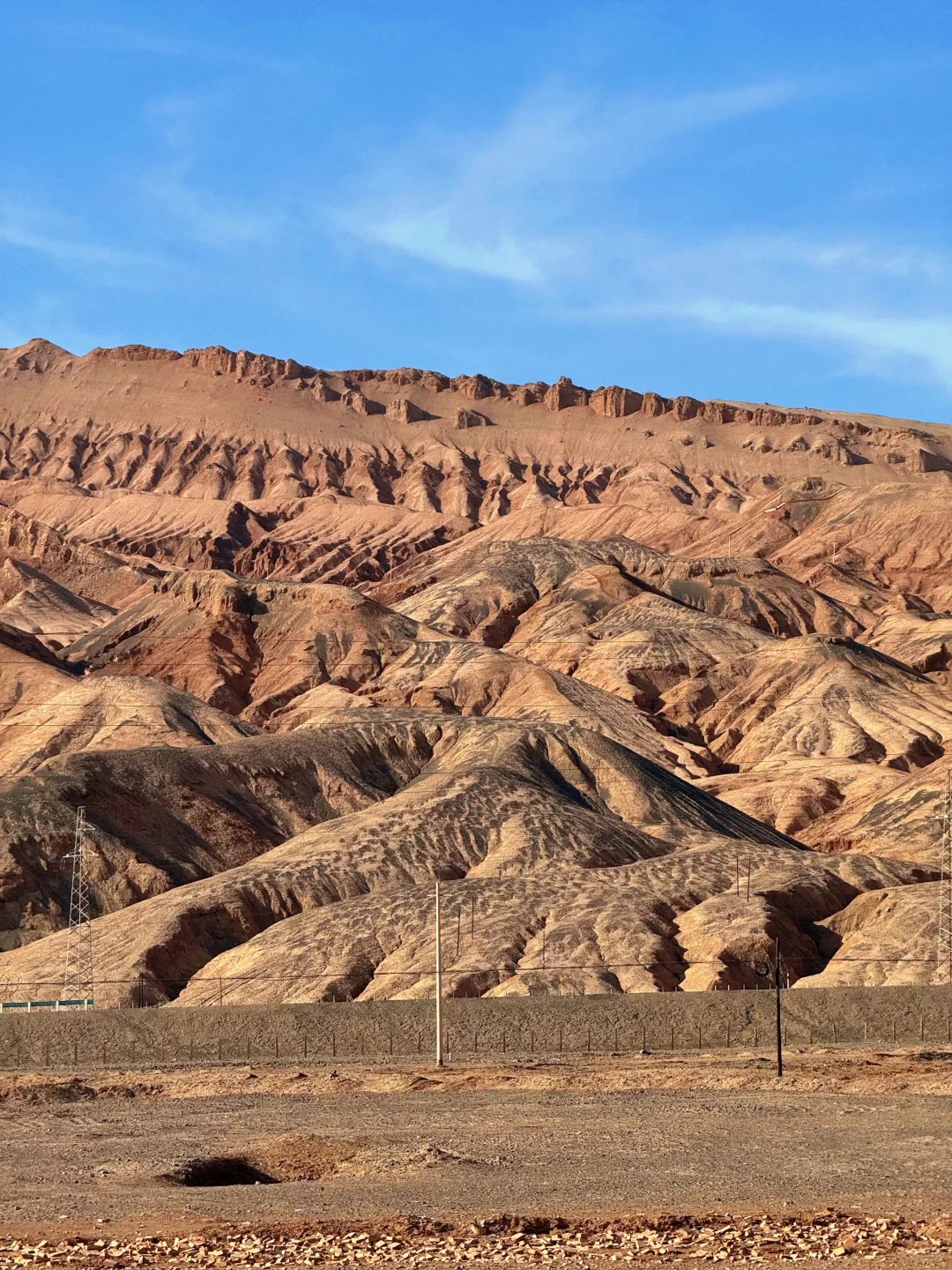
The Flaming Mountain is a range of red sandstone hills that stretches for about 100 kilometers. It is barren, devoid of any vegetation or life. The rocks are devoid of soil, just cracked, eroded stone. The color is a striking, angry red. On a hot day, the heat radiates from the mountains, creating a mirage that makes the air shimmer and dance. It looks exactly like a mountain on fire.
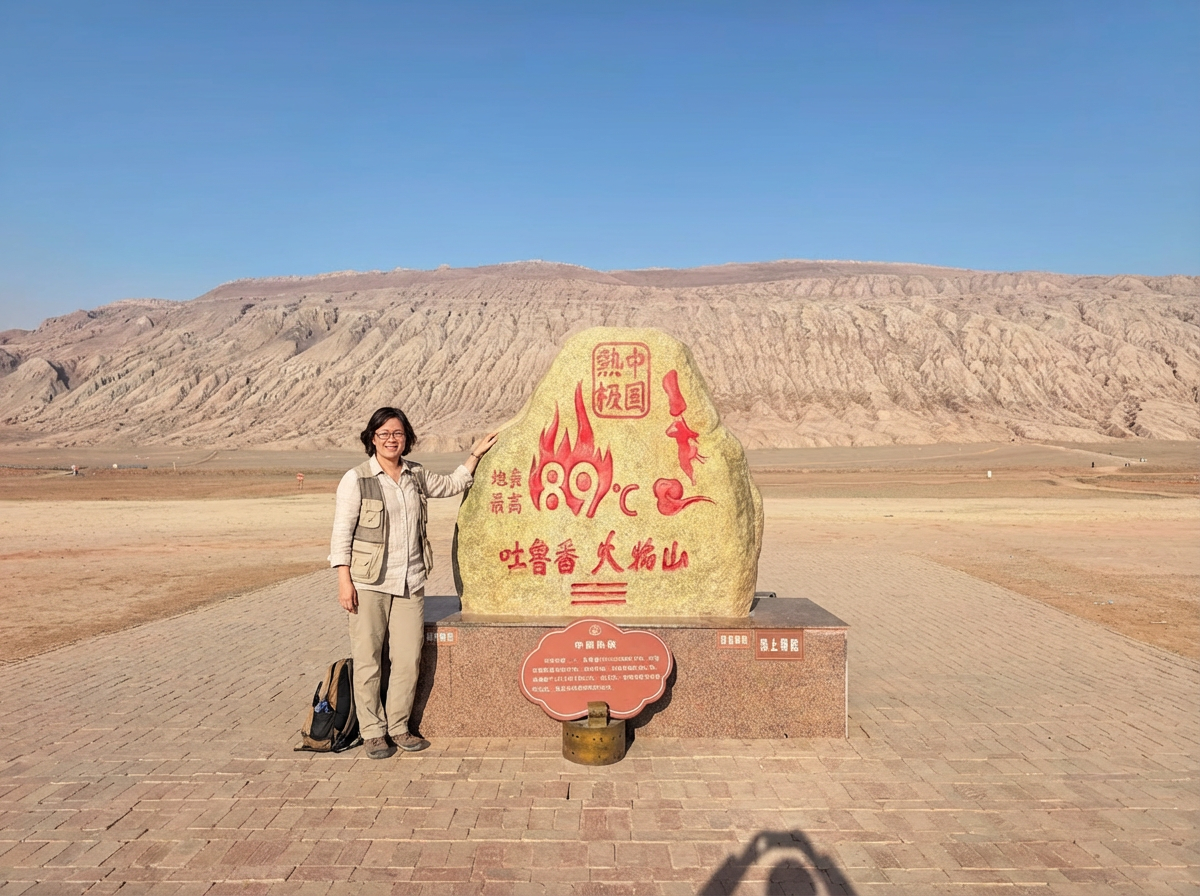
I arrived at midday. It was a mistake. The thermometer in the car read 48°C (118°F). As I opened the car door, the heat was a physical blow. It felt like opening the door of an oven. I stepped out and immediately felt the moisture leave my body. The air was dry and hot, sucking the breath from my lungs.
I walked towards the viewing platform. The ground was covered in loose gravel that crunched under my boots. There was no shade. The sun beat down from a cloudless blue sky, reflecting off the red rocks, amplifying the heat. It was an assault on the senses. The heat distorted the light, making the mountains ripple and wave.
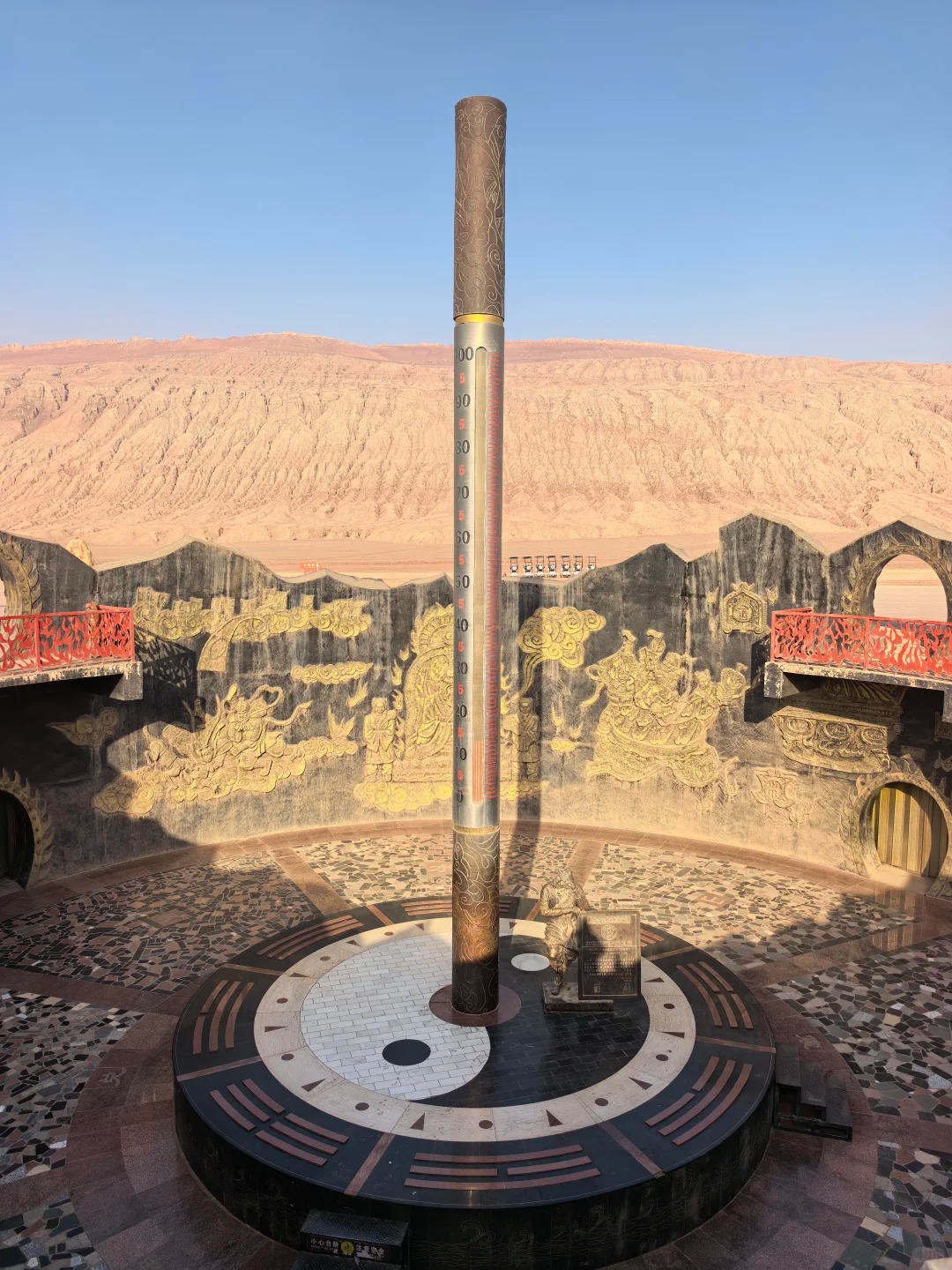
There is a giant golden thermometer at the tourist site. It is the “Ground Temperature Barometer.” It recorded a ground temperature of 76°C (168°F). I saw a tourist try to fry an egg on the ground (a common trick here). It didn’t sizzle; it just started to cook slowly in the searing heat. It was a surreal experience—standing in a landscape so hostile that life struggles to exist, surrounded by tourists taking selfies.
I decided to walk a short trail into the hills. I didn’t go far. The heat was too oppressive. But from the trail, I could see the texture of the mountains up close. The erosion has sculpted the rocks into strange shapes—some like pagodas, some like animals. The red sandstone is layered, creating a visual rhythm of horizontal bands. Despite the hostility, there was a stark beauty to it. It is nature in its most elemental form—just rock, sun, and heat.
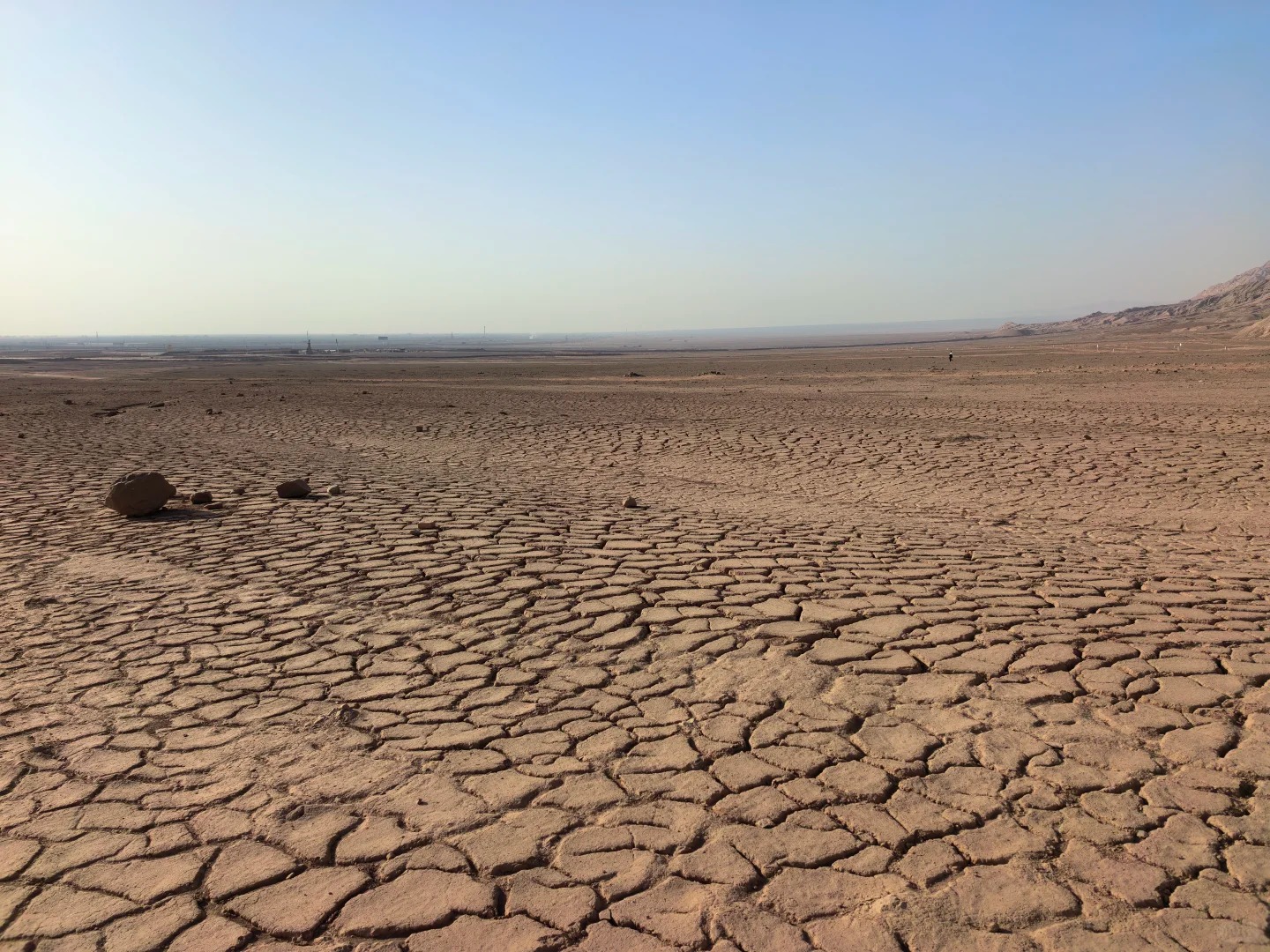
The heat creates a strange silence. There are no birds singing, no insects buzzing. It is too hot for them. The only sound is the wind whistling through the rocks and the distant hum of power lines. It feels like you are on another planet, Mars perhaps.
I retreated to the small museum near the base. It was cool and provided some relief. I learned about the geology of the area. The red color comes from the oxidation of iron in the sandstone. The mountains were thrust up by tectonic movements and then eroded by wind and rain. It is a classic example of Yadan landforms.
As the sun began to set, the temperature finally began to drop. But this is when the Flaming Mountain lives up to its name. The setting sun hits the red rocks, and they glow with an intense, fiery light. It looks as if the mountains are actually burning. It is a spectacular visual effect. The sky turns a deep orange and purple, and the red mountains stand out like a silhouette of fire against the darkening sky.
I stood on a dune, watching the “fire” burn. The heat waves were still rising from the ground, distorting the view. It was a mesmerizing, almost frightening sight. I understood why the ancients feared this place. It was a barrier that must have seemed impassable to travelers on the Silk Road.
Driving back to Turpan city, I drank bottle after bottle of water. The heat exhaustion was real. But I felt a strange exhilaration. I had survived the Flaming Mountain. I had walked into the inferno and walked out again.
The Flaming Mountain is not a place for a relaxing stroll. It is a challenge. It is a place that tests your limits. But it is also a place of incredible beauty and power. It is a reminder of the forces of nature that shape our planet.
If you go, bring plenty of water, a hat, and sunscreen. Do not stay out for too long. But you must see it. You must feel the heat and see the red glow. It is an essential part of the Turpan experience, a journey into the heart of the fire that defines this unique region.