When most people think of Xinjiang, they imagine the endless dunes of the Taklamakan or the lush, velvety grasslands of Ili. They imagine the blue of Kanas or the spiritual heights of Karakul. But few are prepared for the raw, visceral shock of the Anjihai Grand Canyon. It isn’t pretty in the traditional sense. It doesn’t offer the gentle, manicured beauty of a park. Instead, it offers something far more potent: a confrontation with the violent, creative power of the planet.
I found myself on a dusty road heading out of Shihezi, a city known more for agriculture and regimentation than for wild landscapes. My driver, a quiet local who preferred the rumble of the engine to conversation, turned off the main highway onto a gravel track. We were heading towards the mountains of the Tianshan range, but the earth in front of us didn’t look like mountains—it looked like a shattered plate.

As we crested a small rise, the world simply fell away. There was no gradual introduction, no gentle slope leading down to the riverbed. One moment, we were on flat land; the next, the tires were spinning dangerously close to an abyss that dropped hundreds of meters straight down. I slammed my hand on the dashboard. “Stop,” I whispered, though the words were hardly necessary.
I stepped out of the car, and the first thing that hit me was the wind. It wasn’t just blowing; it was screaming out of the canyon, carrying with it the smell of dry dust and ancient minerals. I walked to the edge. There was no guardrail. No fence. No safety sign. Just me, the crumbling earth, and a terrifying drop into the depths.
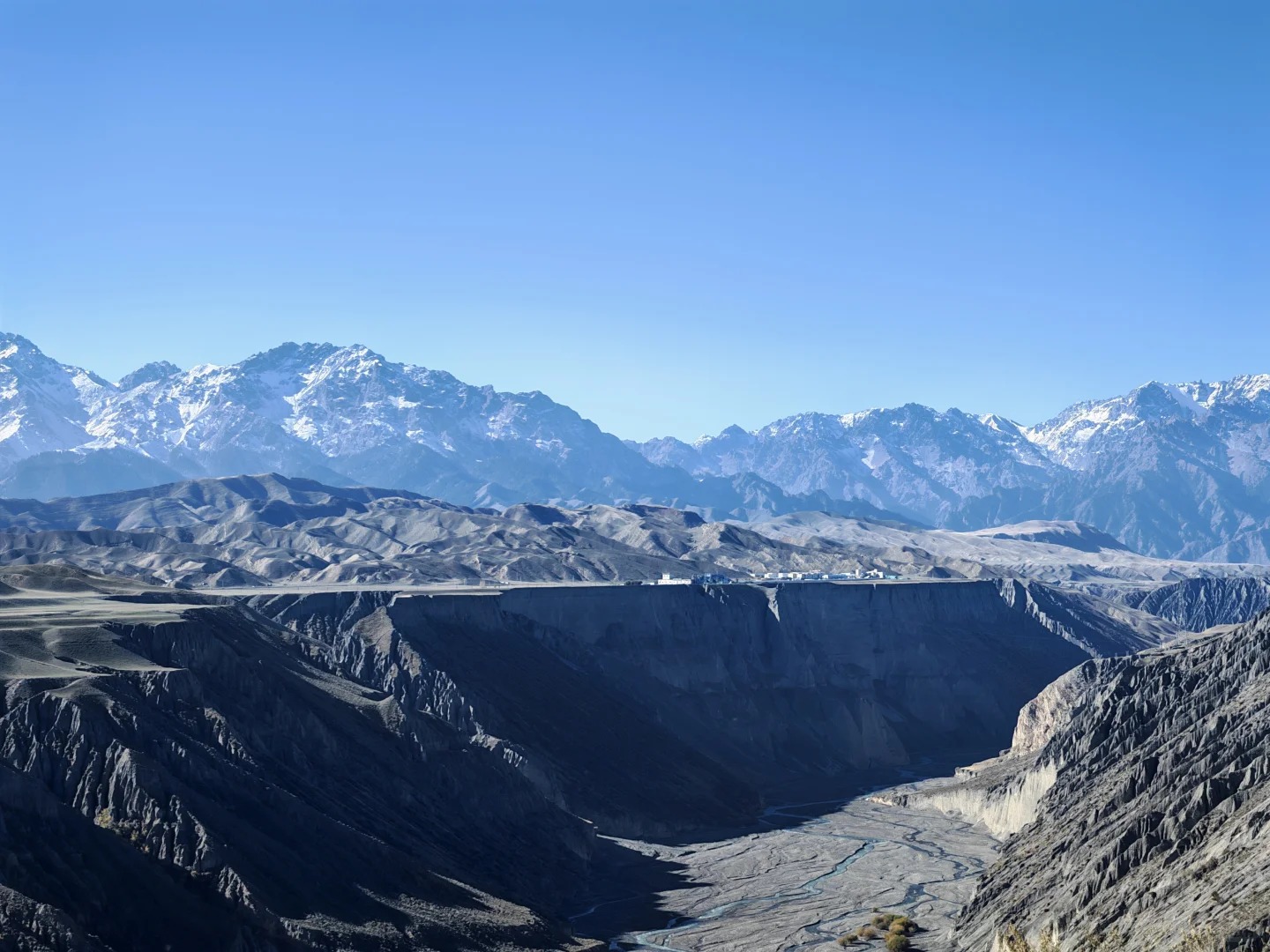
This is what sets Anjihai apart from the other famous canyons I’ve visited in China, or even the Grand Canyon in the US. Anjihai feels wild. It feels untouched and unsafe, which is exactly what makes it so intoxicating. Standing there, looking down, I felt a primal fear mixed with an overwhelming awe. The earth here is painted in colors that shouldn’t naturally coexist. It looked like a giant child had taken a palette of rust-red, coal-black, sulfur-yellow, and moss-green and splashed it violently across the canvas of the desert.
I spent hours walking along the ridge, careful not to dislodge any stones that might trigger a landslide. The geological history here is written in the strata. You can see the layers of coal, the red sandstone, and the grey mudstone stacked like pages of a book that has been torn and twisted by tectonic forces. It is estimated that the canyon was formed relatively recently in geological terms, carved by the Anjihai River as it rushed down from the Tianshan mountains, combined with the violent collapses of the loose soil structure. It is a “wound” of the earth, and that wound is still bleeding—actively eroding, changing with every rainstorm and every gust of wind.
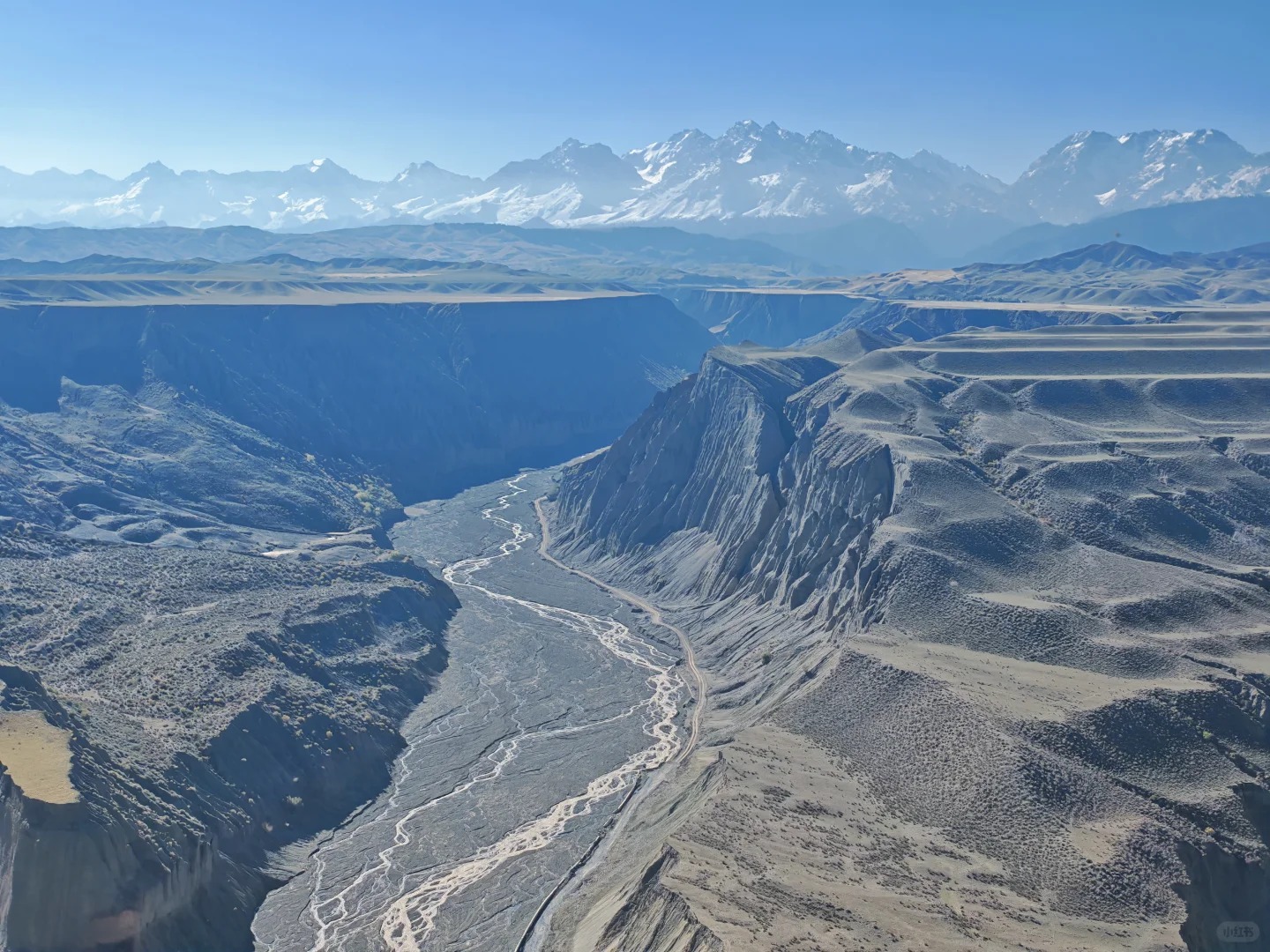
Below me, the Anjihai River flowed, a thin, turquoise ribbon that looked harmless from this height. But I could hear it. A low, distant roar that echoed off the canyon walls. It was the sound that created this masterpiece. The contrast was jarring: the peaceful, serene color of the water against the jagged, angry teeth of the cliffs.
One of the most surreal aspects of Anjihai is the bridge that spans it. Standing on the highway bridge, looking down into the gorge, gives you a perspective that is vertigo-inducing. The road feels like a tightrope suspended over a chaotic abyss. I watched a massive transport truck rumble across, the vibrations shaking the concrete beneath my feet. It seemed impossible that this infrastructure could survive in such a hostile environment, yet there it was—a testament to human engineering clinging to the edge of nature’s fury.
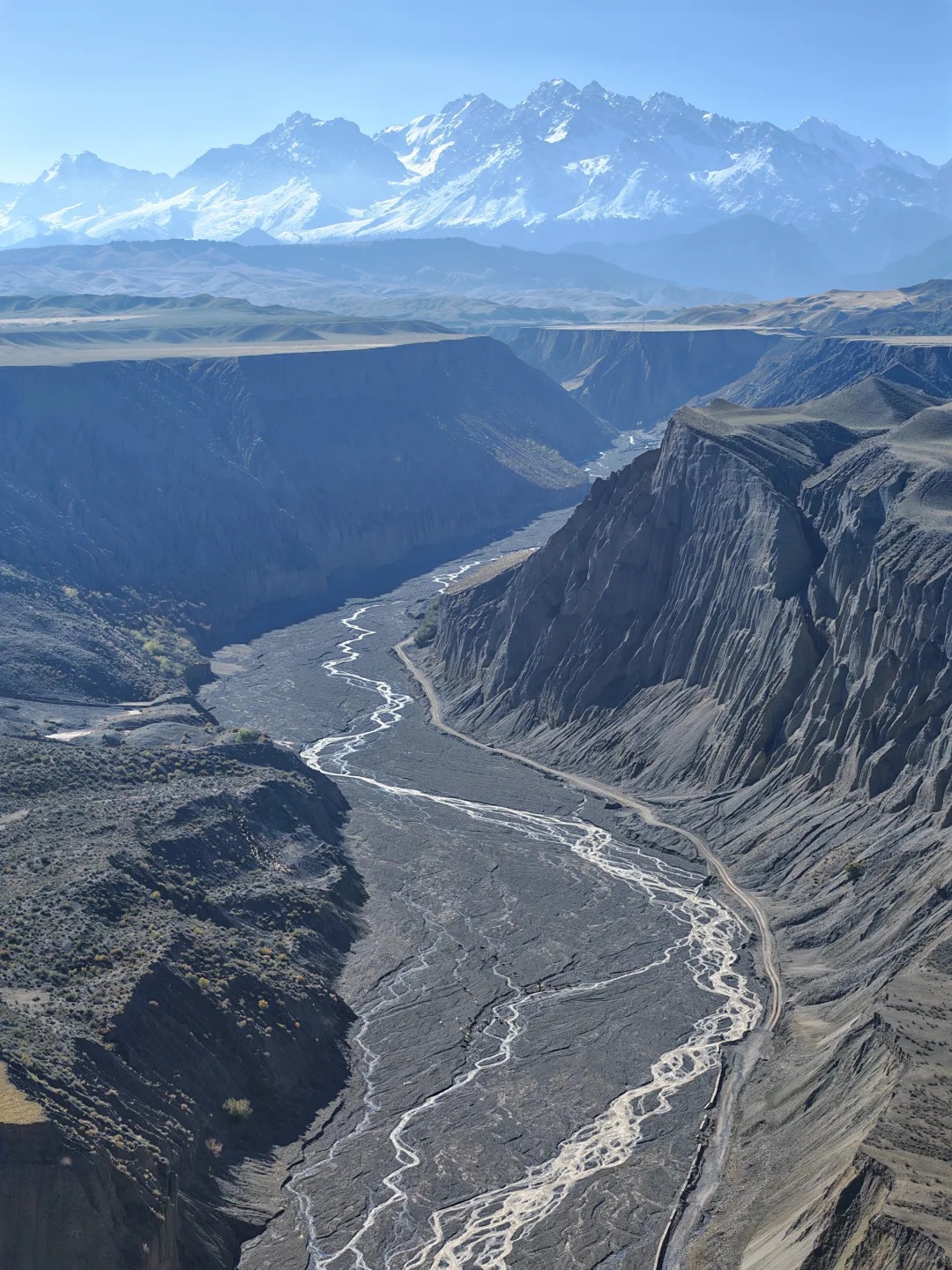
As the afternoon wore on, the light began to change. This is the magic hour for photographers, but for a traveler, it is a spiritual experience. The low sun cast long, deep shadows into the crevices of the canyon, highlighting the textures of the rock. The reds turned to burning magma, and the blacks became impenetrable voids. I sat on the edge, my legs dangling over the side (a risky move, I know, but I was drawn to the void), and just watched the shadows lengthen. It felt like watching a slow-motion movie of the end of the world.
I met a local photographer there who had been coming to this spot for years. He told me that Anjihai is often called “The Abstract Art Museum of Nature.” He pointed out specific formations that looked like animals, like trees, like human faces carved in stone. “You come here one month,” he said in broken English, “and it looks different. The rain changes it. The wind changes it. It is never the same canyon twice.”
This ephemeral quality struck a chord with me. We often think of mountains and canyons as eternal, unchanging fixtures of our planet. But Anjihai is alive. It is dynamic. It is crumbling and reforming in real-time.
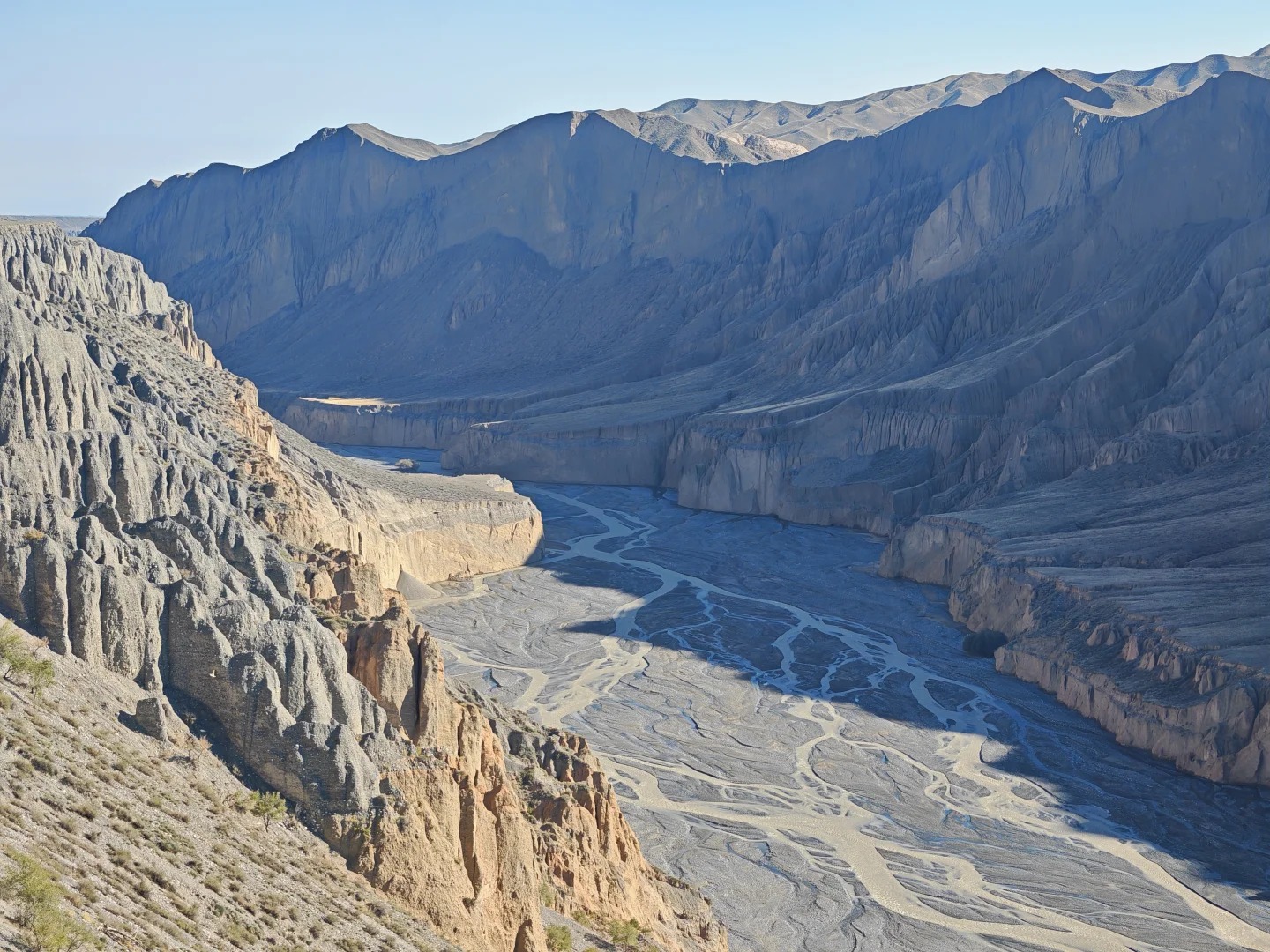
There is a specific spot where the “Grand Canyon” view opens up fully—a viewpoint where the river makes a sharp bend, and the cliffs tower on three sides. It is a natural amphitheater of stone. Standing there, I felt incredibly exposed. There were no crowds, no ticket offices, no souvenir shops. Just the vast, silent indifference of the geological world. It is a lonely place, but a beautiful kind of loneliness. It forces you to look inward, to confront your own insignificance in the face of millions of years of erosion.
As I climbed back into the car, dusting the red sand off my jacket, I took one last look. The sun was setting behind the Tianshan peaks, casting a golden glow over the rift. The Anjihai Grand Canyon looked less like a scar now, and more like a gateway—a gateway to understanding the raw, untamed beauty of Xinjiang.
Driving back to Shihezi, the lights of the city flickering in the distance, I felt a sense of detachment. My mind was still back at the edge of the cliff, listening to the wind howl through the red rocks. If you are planning a trip to Xinjiang, do not just stick to the well-trodden path of the northern loop. You must come here. You must stand on the edge of Anjihai. It will scare you. It will humble you. And it will show you a side of nature that is rarely seen—wild, colorful, and absolutely unapologetic.
It is not a place for a casual picnic. It is a place for pilgrims of the wild. It is a place where the earth speaks, not in whispers, but in roars of color and depth. And if you listen closely, you might just hear the continents grinding against each other, creating this magnificent, chaotic art for us to witness.