The narrative of Xi'an is often cast in bronze and terracotta, but its pulse is increasingly measured in silicon and light speed. My understanding of this shift came not in a historical site, but in a gleaming, minimalist café in the city's High-Tech Industries Development Zone (HTDZ). Around me, young entrepreneurs discussed algorithms over lattes, their speech peppered with tech jargon. This is the "New Xi'an," a city aggressively positioning itself as a powerhouse of China's inland innovation.
Xi'an's modern economy is a fascinating duality. It is still a major tourist destination, with the service sector thriving around its cultural treasures. However, the city's strategic focus has dramatically expanded. Leveraging its concentration of top-tier universities (like Xi'an Jiaotong and Northwestern Polytechnical University) and national research institutes, Xi'an has become a leader in aerospace, aviation, and information technology. I visited the Xi'an Aerospace Science and Technology Industrial Base, where components for China's space program are manufactured. The sense of focused ambition was palpable, a modern echo of the grand projects of the Qin and Tang emperors.
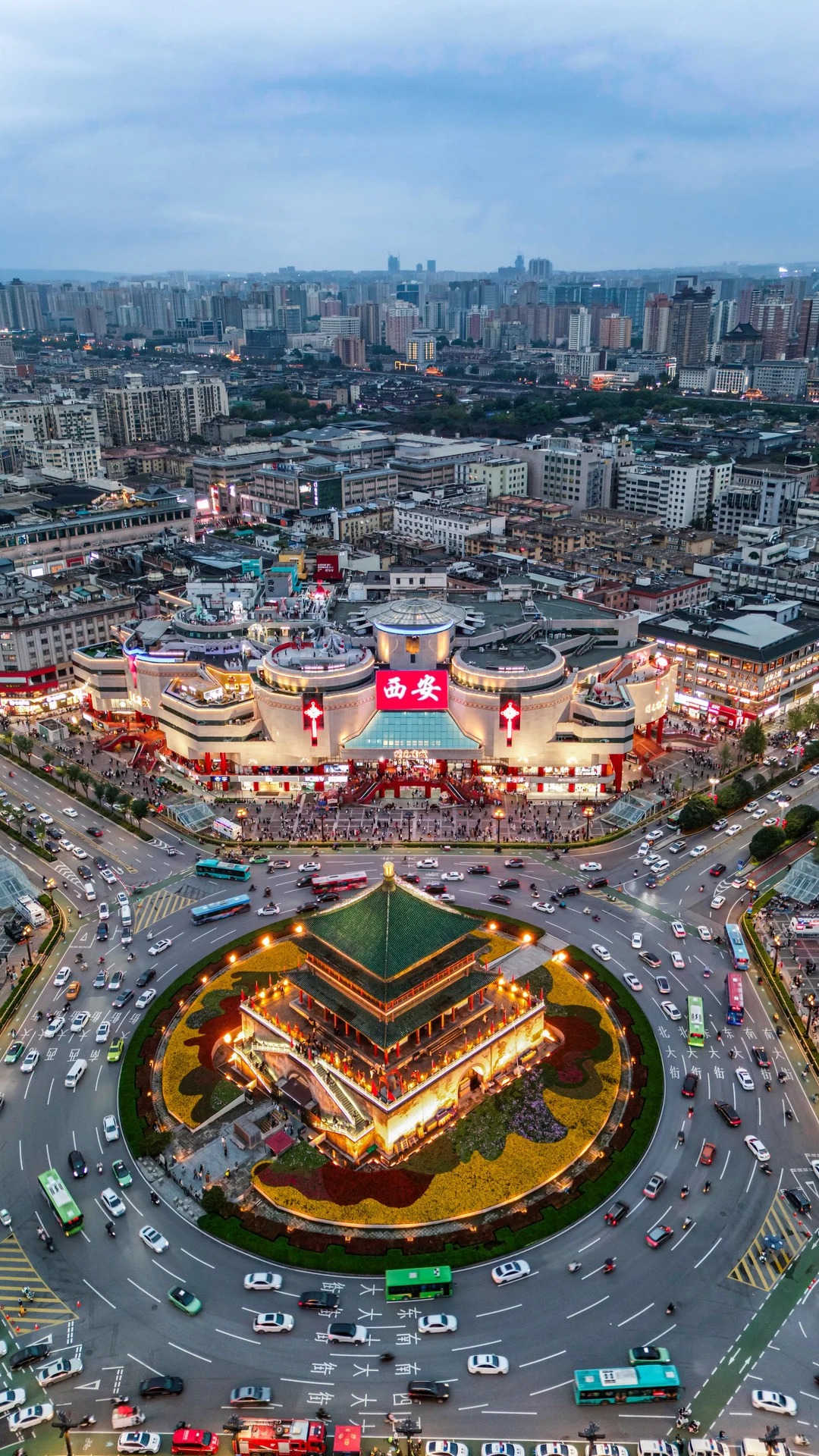
This technological drive is physically reshaping the city. The HTDZ, with its sprawling campuses of companies like Samsung and Micron, feels like a different world from the Muslim Quarter. Yet, the connection to history is subtler. A tech executive explained to me, "The same centralized planning and logistical brilliance that built the Terracotta Army or the Tang capital now fuels our chip design and software clusters. It's in our DNA to organize large, complex systems."
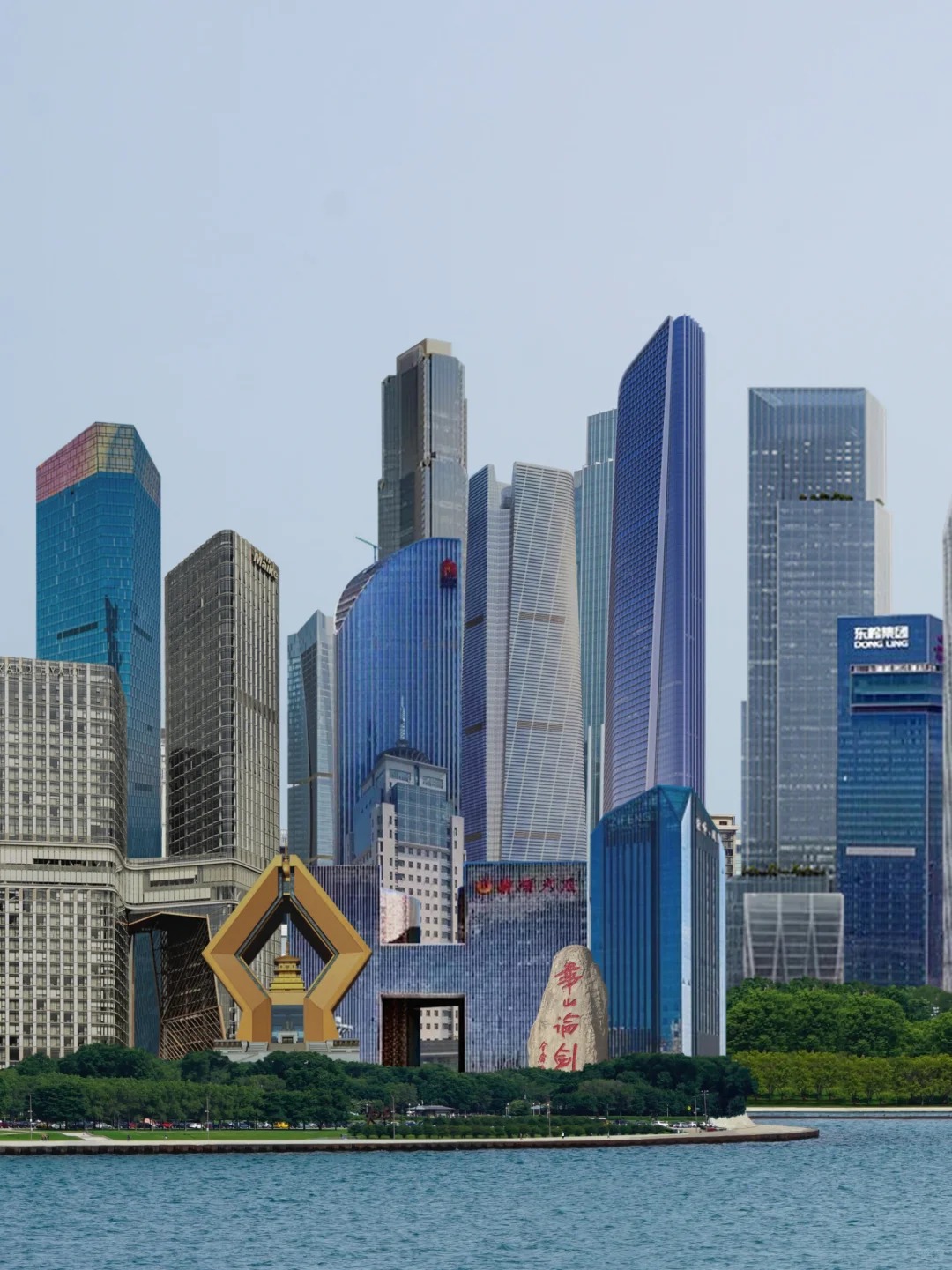
The Belt and Road Initiative has reignited Xi'an's historical role as a gateway. The "China-Europe Railway Express" freight trains now depart regularly from Xi'an, traversing the ancient Silk Road routes to Europe in days instead of months. I saw the logistics parks humming with activity, a modern caravan of global trade. This has spurred growth in logistics, cross-border e-commerce, and finance.
Perhaps the most symbolic fusion of old and new is in cultural tech. I experienced a stunning digital immersion show at the Tang Paradise park, where holograms of Tang poets seemed to walk on water.
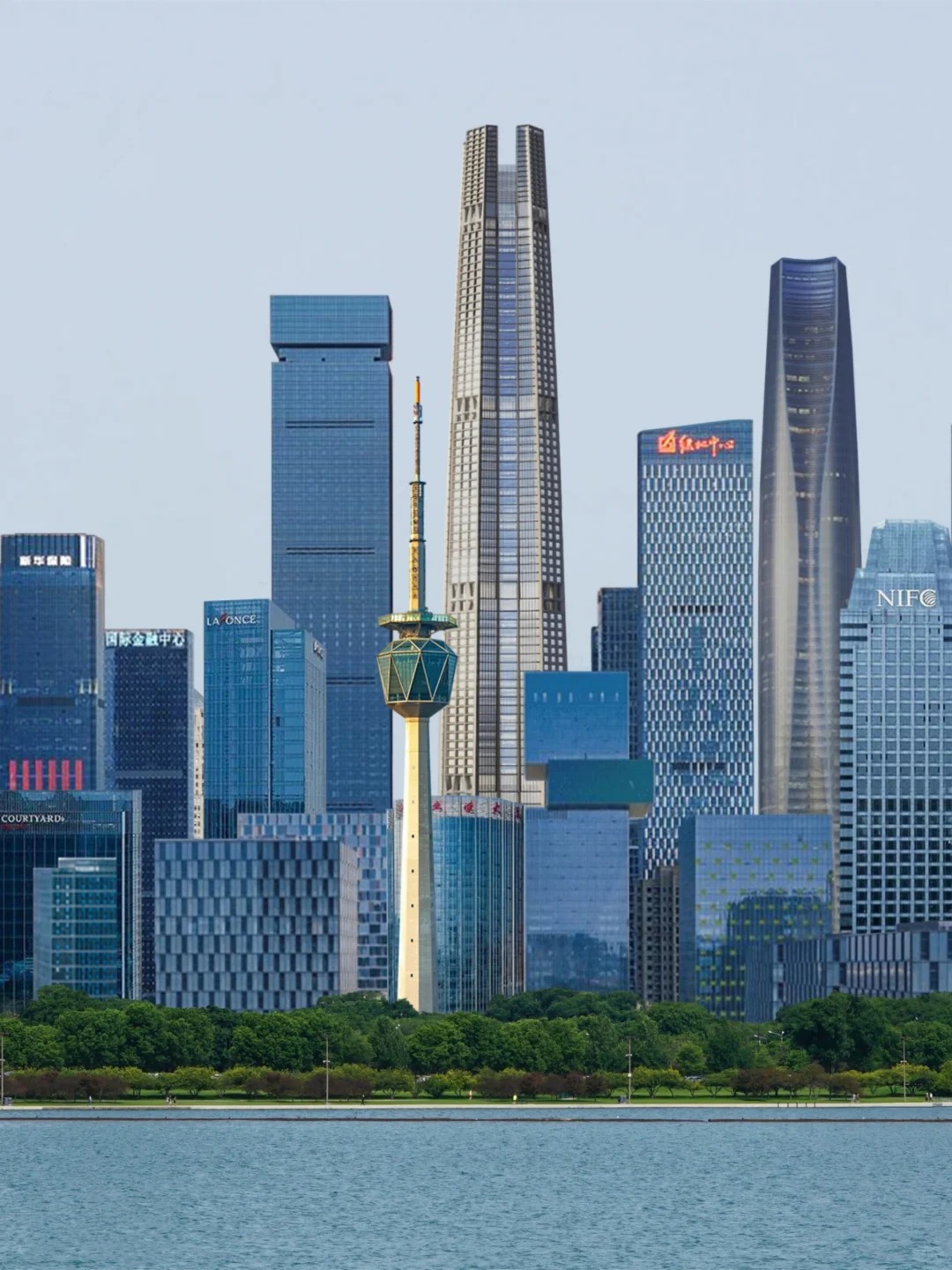
Start-ups are using VR to recreate historical sites and AI to translate ancient scripts. Xi'an is no longer just displaying its history; it's using cutting-edge technology to reinterpret and broadcast it. The city's economy is thus a unique alloy—forged from the weight of its past and the boundless possibilities of its future.