The flight from Chengdu to Lhasa takes just over two hours. I chose the train, which takes just over forty-eight. This was not a decision of necessity, but of philosophy. To fly is to simply arrive in Tibet. To take the Chengdu to Lhasa train is to earn your arrival, through a slow, magnificent, and humbling pilgrimage across the roof of the world. It is one of the greatest railway journeys on earth, and my ticket was a passport to a moving panorama of China's geographical and soulful heart.
The adventure begins not on the tracks, but with preparation. Securing a ticket, especially in peak season, requires planning or the help of an agency. The real key is managing altitude. The train climbs to over 5,000 meters at the Tanggula Pass. I spent days in Chengdu hydrating, avoiding alcohol, and obtained a prescription for acetazolamide. On board, each carriage is pressurized and enriched with oxygen, with personal outlets available if needed. I packed layers (temperatures swing wildly), snacks, a power bank, and, most importantly, a mindset of patient wonder.
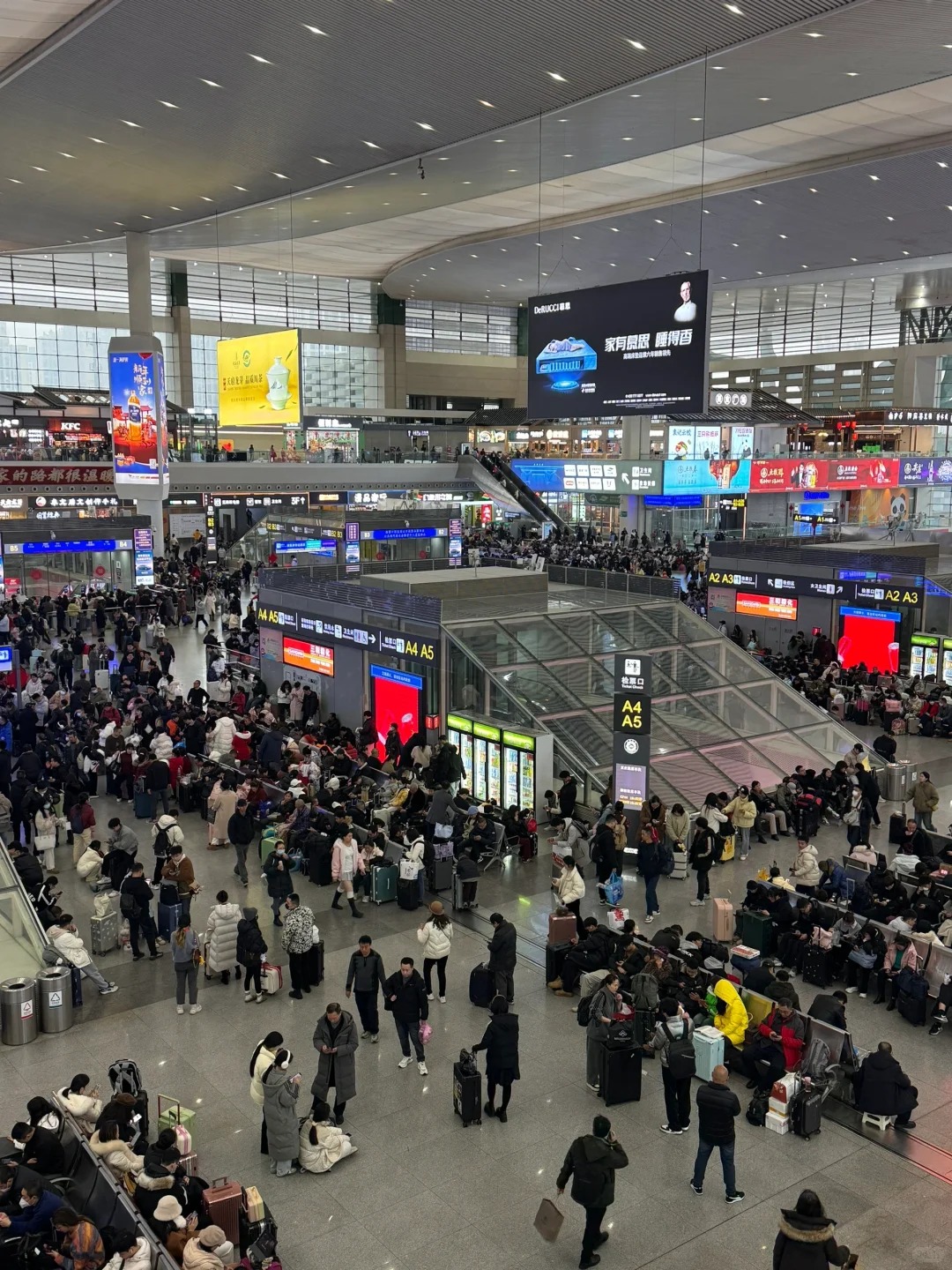
Boarding at Chengdu Station, the carriage was a microcosm of anticipation: Tibetan families with bundled belongings, backpackers with well-thumbed guides, Chinese engineers heading west for work. My "soft sleeper" compartment was clean and cozy, with four bunks. As the city's sprawl faded into the green, terraced hills of Sichuan, a camaraderie blossomed. We shared fruit, exchanged stories in broken phrases and gestures, and collectively stared out the window as the world began to change.
The first day is a gentle prelude—rolling farmlands, deep river gorges, and the first glimpses of snowy peaks in the distance. Night fell as we climbed. I woke in pitch darkness, the train clattering rhythmically. Peering out, I saw nothing. Then, dawn began to bleed into the sky, revealing a world transformed. We were on the Qinghai-Tibet Plateau. The earth was a palette of rust, ochre, and beige, stretching to infinity under a sky so vast it felt domed. Herds of shaggy yaks dotted the frozen grasslands like specks of ink. Glacial rivers, turquoise and milky white, snaked through valleys. We passed solitary nomad tents, smoke curling from chimneys, and saw the first startled gazelles darting away from the tracks.
The zenith, literally and figuratively, is crossing the Tanggula Pass. A sign on the platform marks the altitude: 5,072 meters. The air is thin and piercingly cold. Stepping out for the sanctioned few minutes of photos, the wind whipped at my clothes, and each breath felt earned. The silence was absolute, broken only by the fluttering of prayer flags strung by the railway workers—colorful mantras offered to the mighty mountains. It was a moment of profound insignificance and connection.
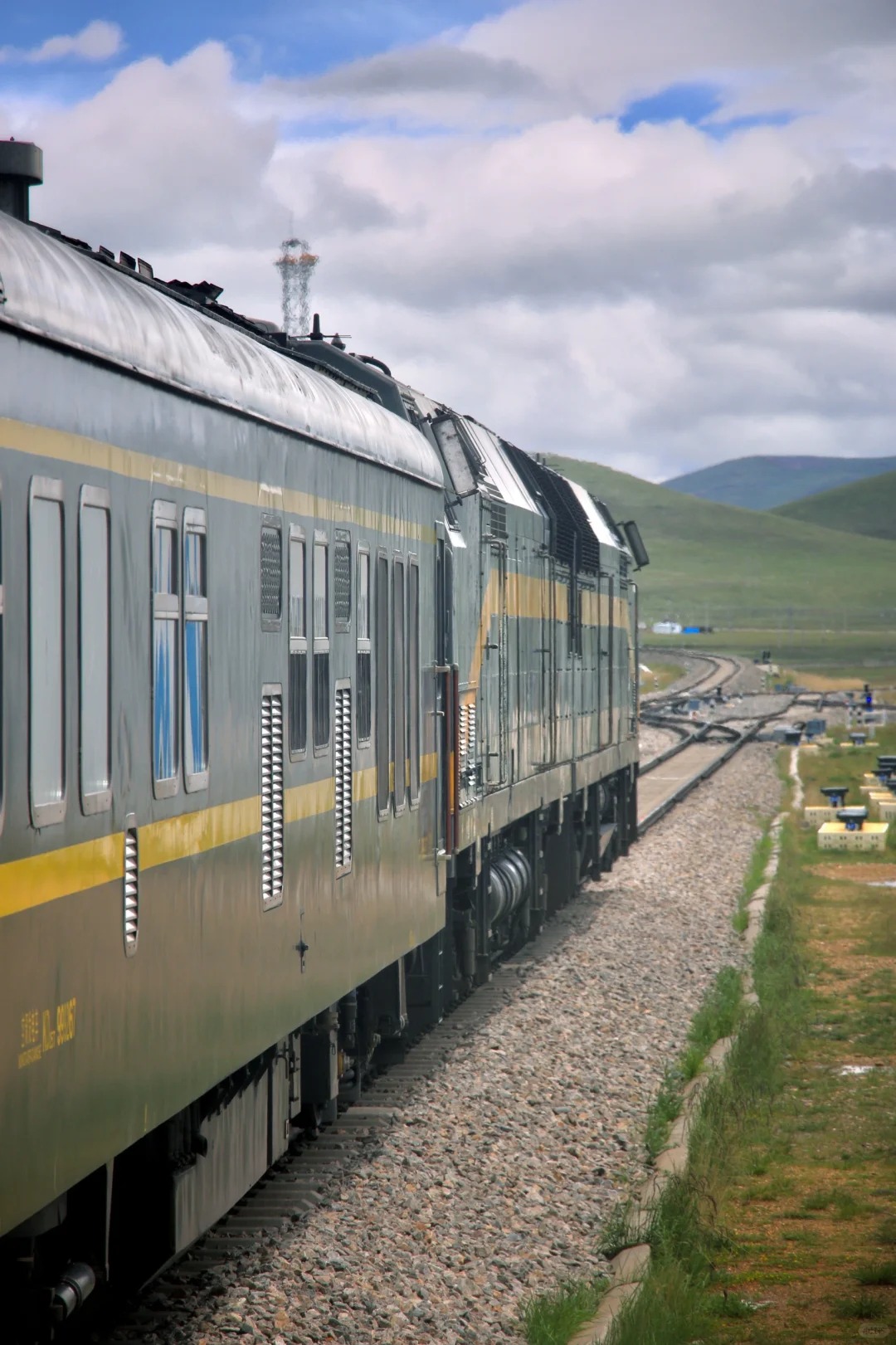
As we began our slow descent toward Lhasa, the landscape softened. The first mani stones (rocks carved with prayers) appeared, then entire hillsides covered in them. Whitewashed villages with flat roofs clung to hillsides. And finally, after two nights and a lifetime of vistas, the golden roofs of the Potala Palace gleamed in the distance, framed by brown hills. My train companions and I exchanged silent, knowing looks. We hadn't just been transported; we had been translated, slowly and gracefully, into a different realm.
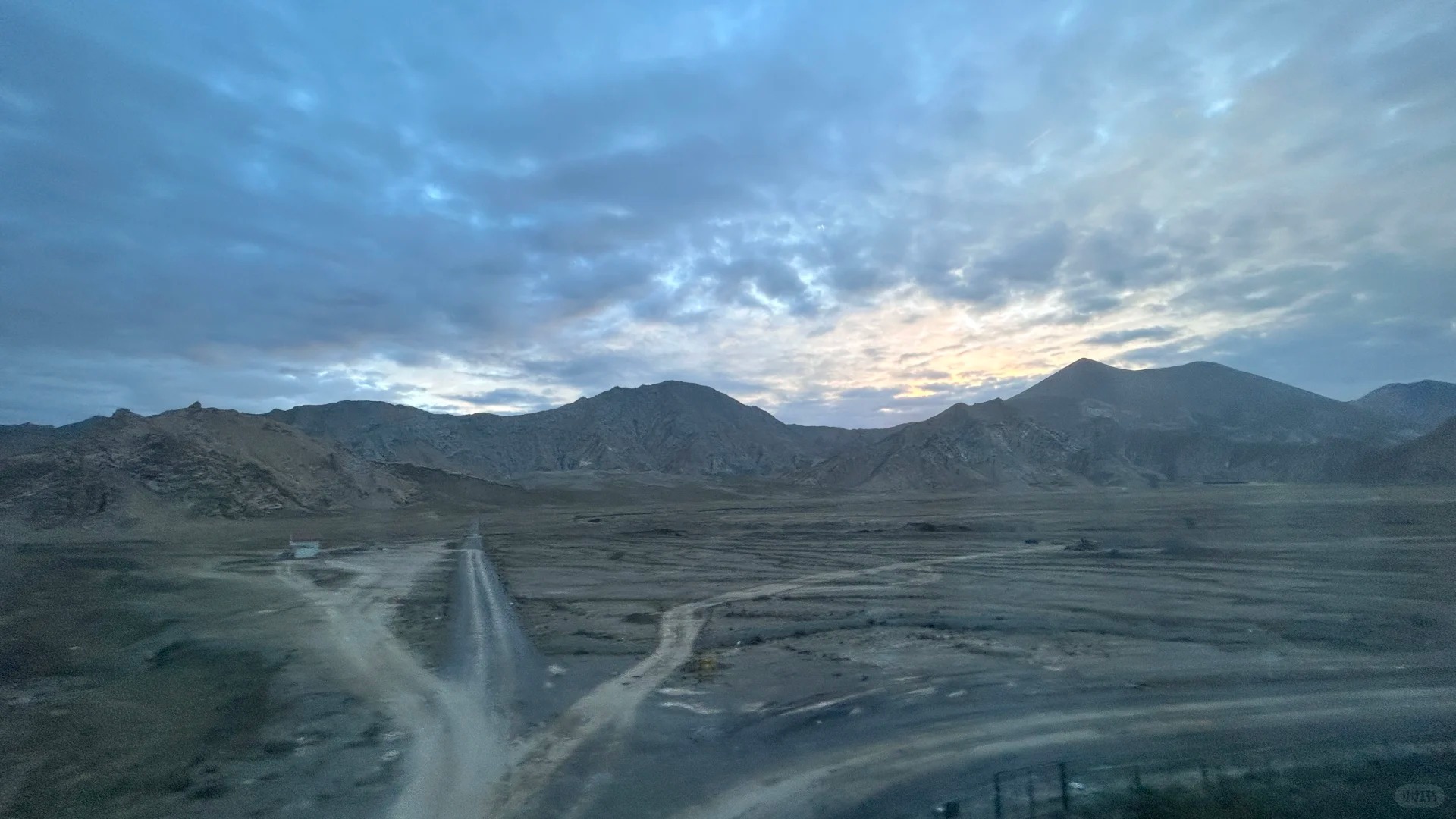
The Chengdu to Lhasa train is more than transport. It is a ritual of acclimatization, a theater of ever-changing landscapes, and a lesson in the vast, raw beauty of the Tibetan plateau. It strips away haste and replaces it with awe. When you finally step onto the platform in Lhasa, you are not just a tourist who has arrived. You are a witness who has crossed a threshold, carrying with you the quiet, mighty spirit of the journey in your bones.