There’s something special about mountains that have been revered for centuries—they carry a sense of history and spirituality that’s hard to put into words. Qiyun Mountain is one such mountain. Nestled in southern Anhui Province, it’s a place where red sandstone peaks pierce the sky, Taoist temples hide in the mist, and the air feels thick with magic. I spent two days exploring Qiyun Mountain, and every moment felt like a discovery.
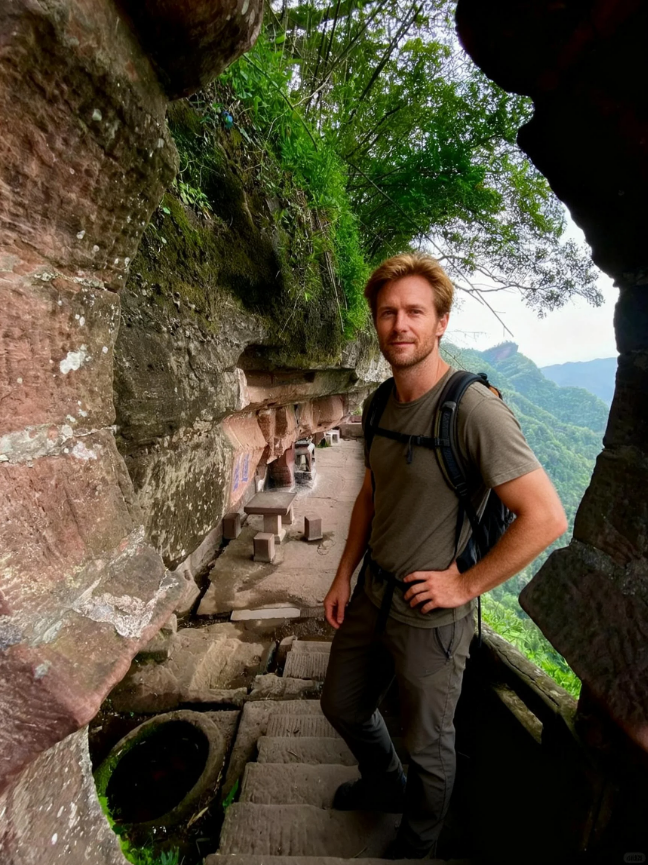
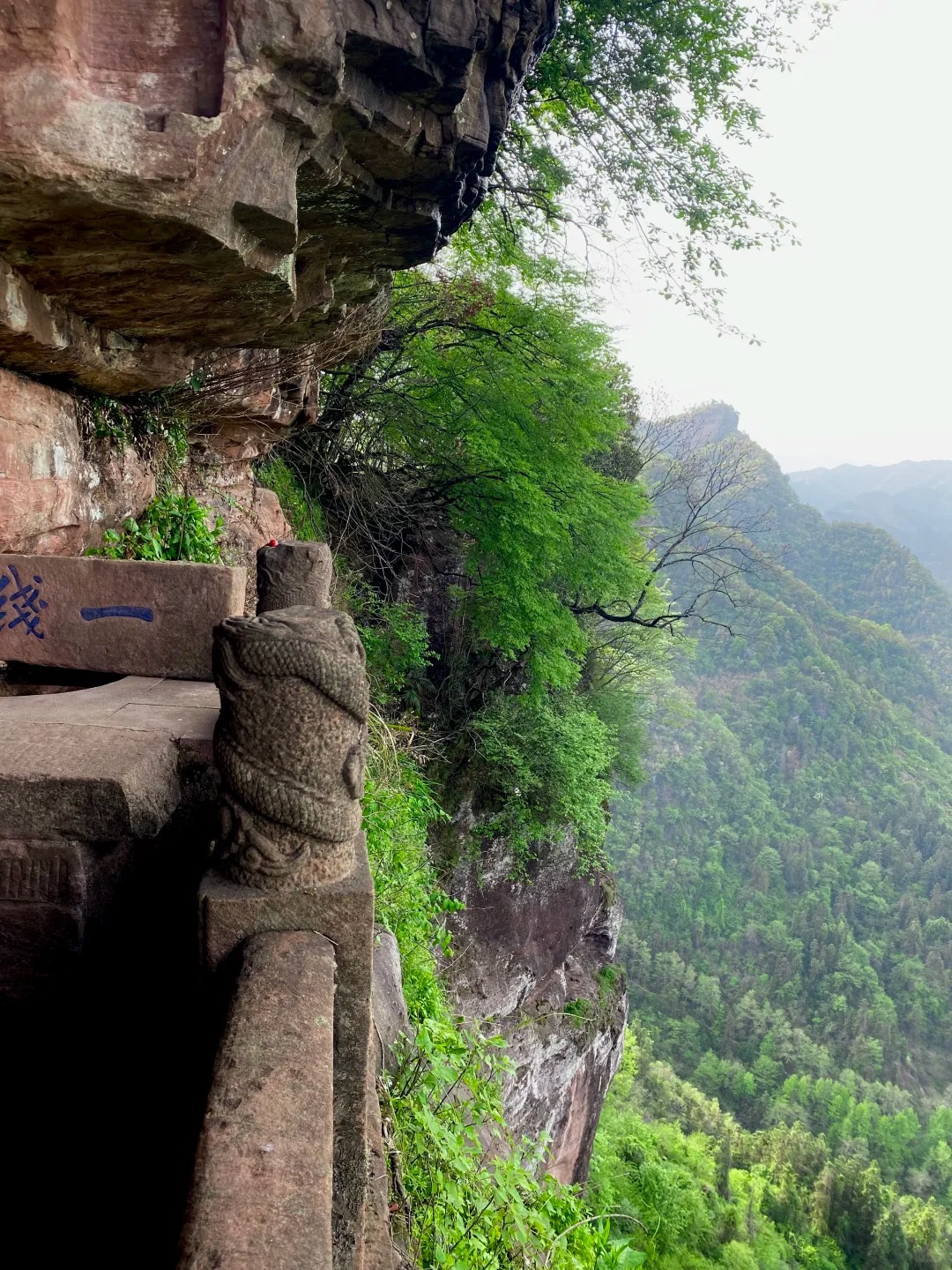
Qiyun Mountain is located in Xiuning County, Huangshan City, and it’s one of China’s most famous Taoist mountains. Unlike the grand, imposing peaks of Huangshan, Qiyun Mountain’s charm lies in its subtlety. Its red sandstone peaks are not the tallest, but they’re incredibly striking, with unique shapes that have inspired names like “Giant Turtle Peak” and “Flying Phoenix Peak.” The mountain is covered in dense forests of pine and bamboo, and small streams wind their way down the slopes, adding to the peaceful atmosphere.
I started my journey at the foot of the mountain, where I met a local guide named Lao Wang. He’s lived near Qiyun Mountain all his life, and he knows every trail, every temple, and every story. “Qiyun Mountain isn’t just a mountain,” he told me as we started walking. “It’s a book, and every rock, every tree has a story to tell.” I couldn’t wait to start reading.
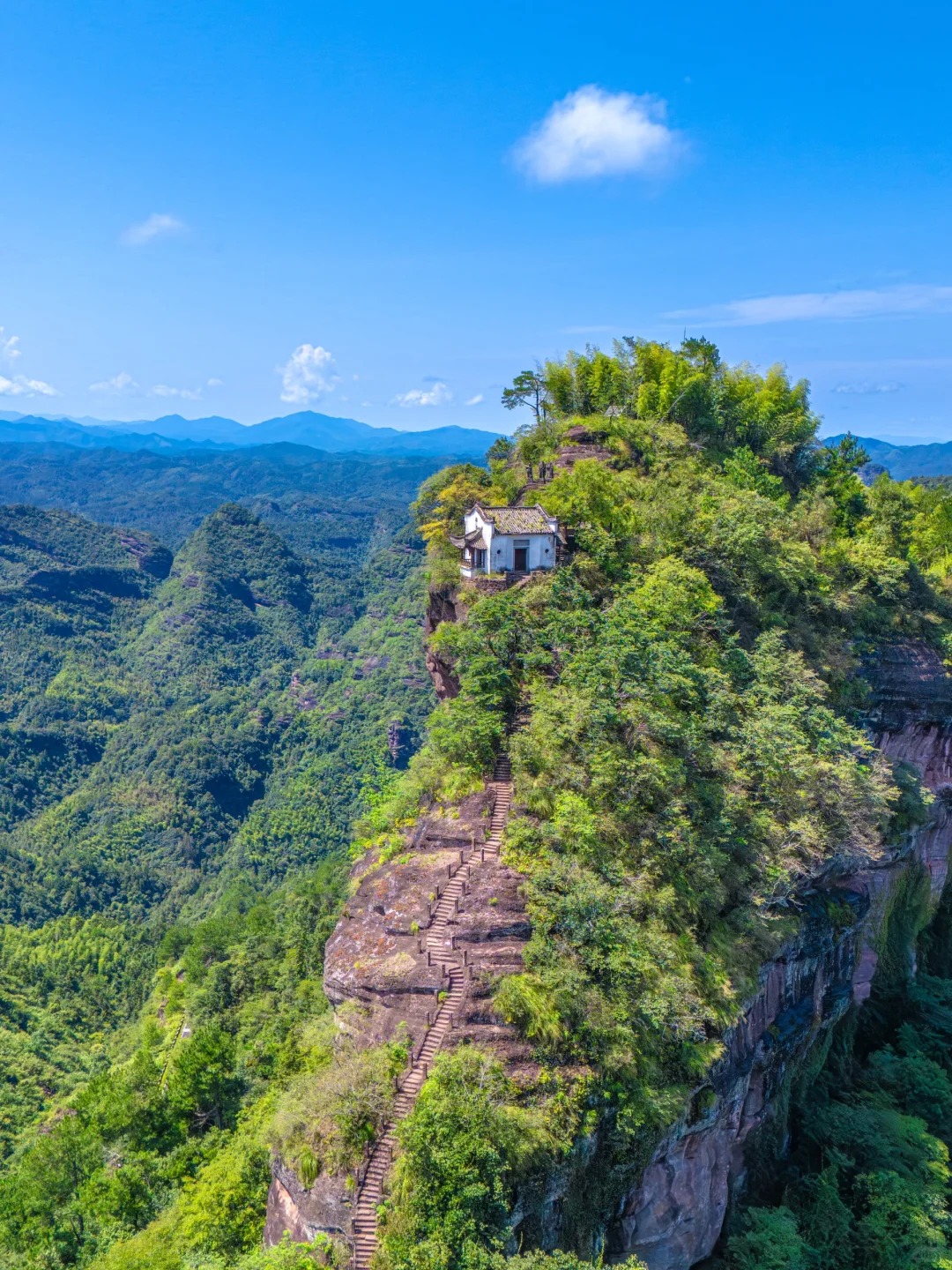
Our first stop was the Yuquan Temple, a Taoist temple dating back to the Tang Dynasty. The temple is hidden in a grove of ancient pine trees, and as we approached, we could hear the sound of a Taoist priest chanting. The temple’s entrance is marked by a stone archway, which is carved with Taoist symbols. Inside, the main hall houses a statue of Laozi, the founder of Taoism. The walls are covered with ancient calligraphy and paintings, and the air smells of incense. Lao Wang told me that the temple was once a popular place for Taoist scholars to study and meditate. “Many famous Taoists have lived here over the centuries,” he said.
From the temple, we took a narrow trail up the mountain. The trail was steep in places, but the scenery made it worth it. We passed by small waterfalls, their water cascading down the red sandstone cliffs, and pools of clear water where we could see fish swimming. Along the way, Lao Wang pointed out various medicinal herbs that grow on the mountain. “The mountain provides for us,” he said. “These herbs are used to make traditional Chinese medicine, which has been healing people for centuries.”
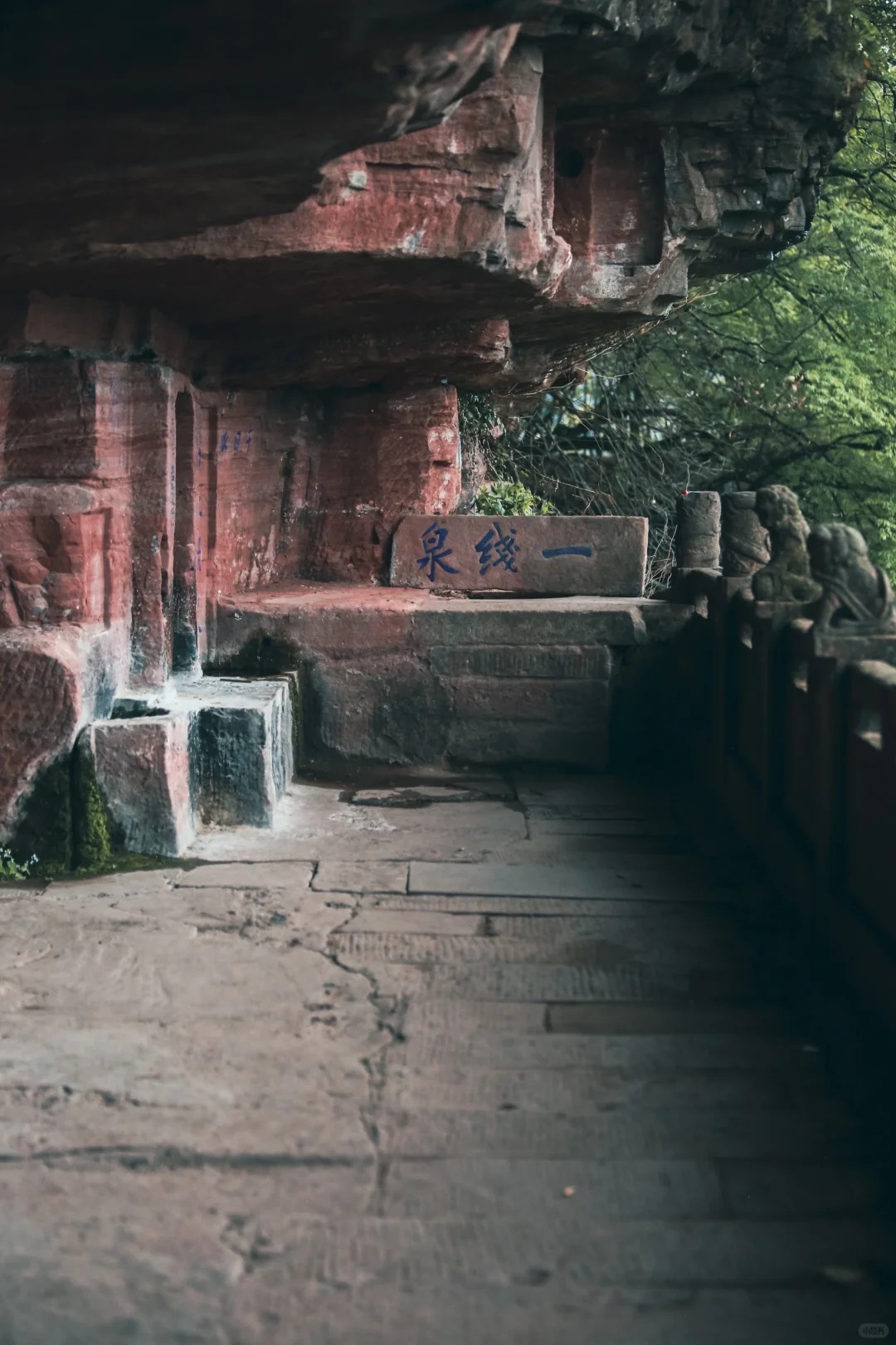
After a two-hour hike, we reached the Tianmen Cave, a natural archway in the red sandstone cliff. The cave is over 100 meters high, and it looks like a gateway to the sky. Standing under the cave, I felt small and insignificant, surrounded by the power of nature. Lao Wang told me that Taoists believe the cave is a place where heaven and earth meet. “It’s a sacred spot,” he said. “Many people come here to pray for good luck.” I closed my eyes and made a wish, feeling the cool breeze from the cave brush against my face.
From Tianmen Cave, we continued up to the top of Giant Turtle Peak. The climb was challenging, but the view from the top was breathtaking. Below us, the red sandstone peaks stretched out in every direction, their colors changing with the sunlight. The mist drifted between the peaks, making them look like islands in a sea of white. I sat down on a rock and took in the view, feeling a sense of peace wash over me. Lao Wang handed me a cup of tea, which he’d brewed with water from a mountain stream. “This is Qiyun Mountain tea,” he said. “It’s only grown here, and it has a unique flavor.” I took a sip—it was light and fragrant, with a hint of pine.

That evening, I stayed in a small guesthouse at the foot of the mountain. The guesthouse was run by a local family, and they cooked me a delicious dinner of local dishes. We had braised chicken with mushrooms from the mountain, stir-fried bamboo shoots, and a soup made with mountain herbs. The food was simple but flavorful, and it tasted like the mountain itself. After dinner, I sat outside with the family, watching the stars come out. They told me stories about Qiyun Mountain—about Taoist immortals who lived on the mountain, about hidden treasures, and about the time a storm hit the mountain but the ancient temples survived. I listened, fascinated, until the moon rose high in the sky.
The next day, I explored the lower part of the mountain, visiting several small Taoist temples and pavilions. One of my favorites was the Sanqing Pavilion, which is located on a cliff overlooking the Hengjiang River. The pavilion was built during the Ming Dynasty, and it has a beautiful wooden structure. From the pavilion, I could see the river winding through the valley, and the red sandstone peaks reflected in the water. It was a stunning view, and I stayed there for a long time, taking photos and enjoying the quiet.
I also visited the ancient village of Lucun, which is located near the foot of the mountain. The village has a history of over 1,000 years, and it’s known for its well-preserved Ming and Qing dynasty architecture. The village is built around a small lake, and the houses are arranged in a circle, which is a unique layout. I walked through the village, admiring the traditional houses and the small bridges over the lake. A local woman invited me into her home, and she showed me how to make Huizhou-style tofu. “This is a tradition in our village,” she said. “Every woman learns how to make tofu when she’s young.” I tried my hand at making tofu, and it was harder than it looked, but I had a lot of fun.
As my time on Qiyun Mountain came to an end, I felt a sense of sadness. I’d grown to love the mountain’s red sandstone peaks, its peaceful temples, and its friendly people. Lao Wang walked me to the entrance of the mountain, and he gave me a small gift—a piece of red sandstone from the mountain. “This is a piece of Qiyun Mountain,” he said. “Take it with you, and remember your time here.” I thanked him, and as I drove away, I looked back at the mountain, now shrouded in mist. I knew I’d be back one day.
Qiyun Mountain is more than just a mountain—it’s a place of magic, history, and spirituality. It’s a place where you can connect with nature, learn about Taoist culture, and meet kind, welcoming people. If you’re looking for a mountain that’s not too crowded, with beautiful scenery and a rich cultural heritage, Qiyun Mountain is the perfect choice. It will steal your heart, just like it stole mine.