I have always been fascinated by the intersection of the sea and the sacred. So, when I planned a trip to the Zhoushan Archipelago, my destination was clear: Mount Putuo (Putuoshan). One of the four sacred mountains in Chinese Buddhism, it is dedicated to Guanyin, the Bodhisattva of Compassion. I wasn’t looking for a vacation; I was looking for a reset button.
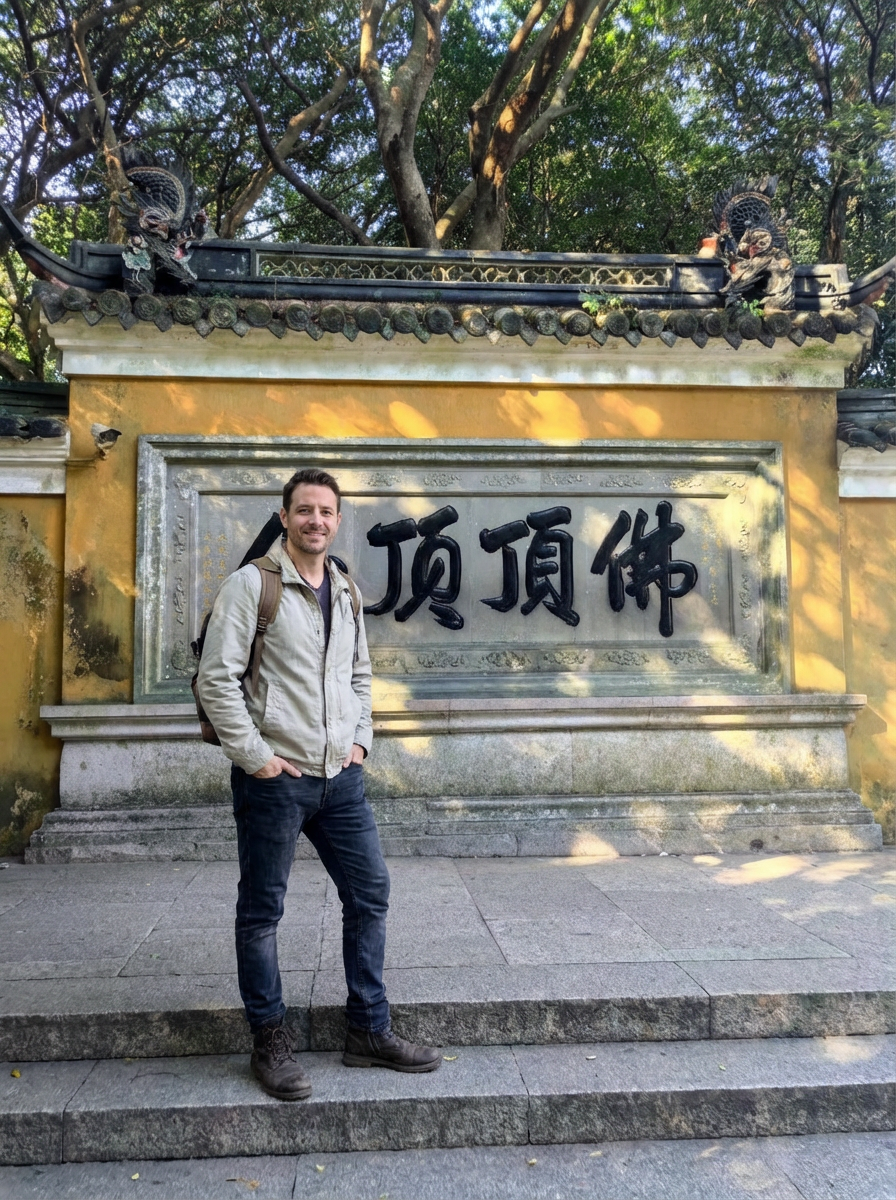
The journey began with a ferry ride from Shanghai. As the sleek skyline of the city faded into the smog behind us, the air grew saltier and heavier. Approaching the island, the first thing I saw wasn’t the trees or the buildings, but the immense, golden statue of Guanyin standing tall on a rocky outcrop, overlooking the South China Sea. It looked like a guardian of the gate, welcoming pilgrims and travelers alike.
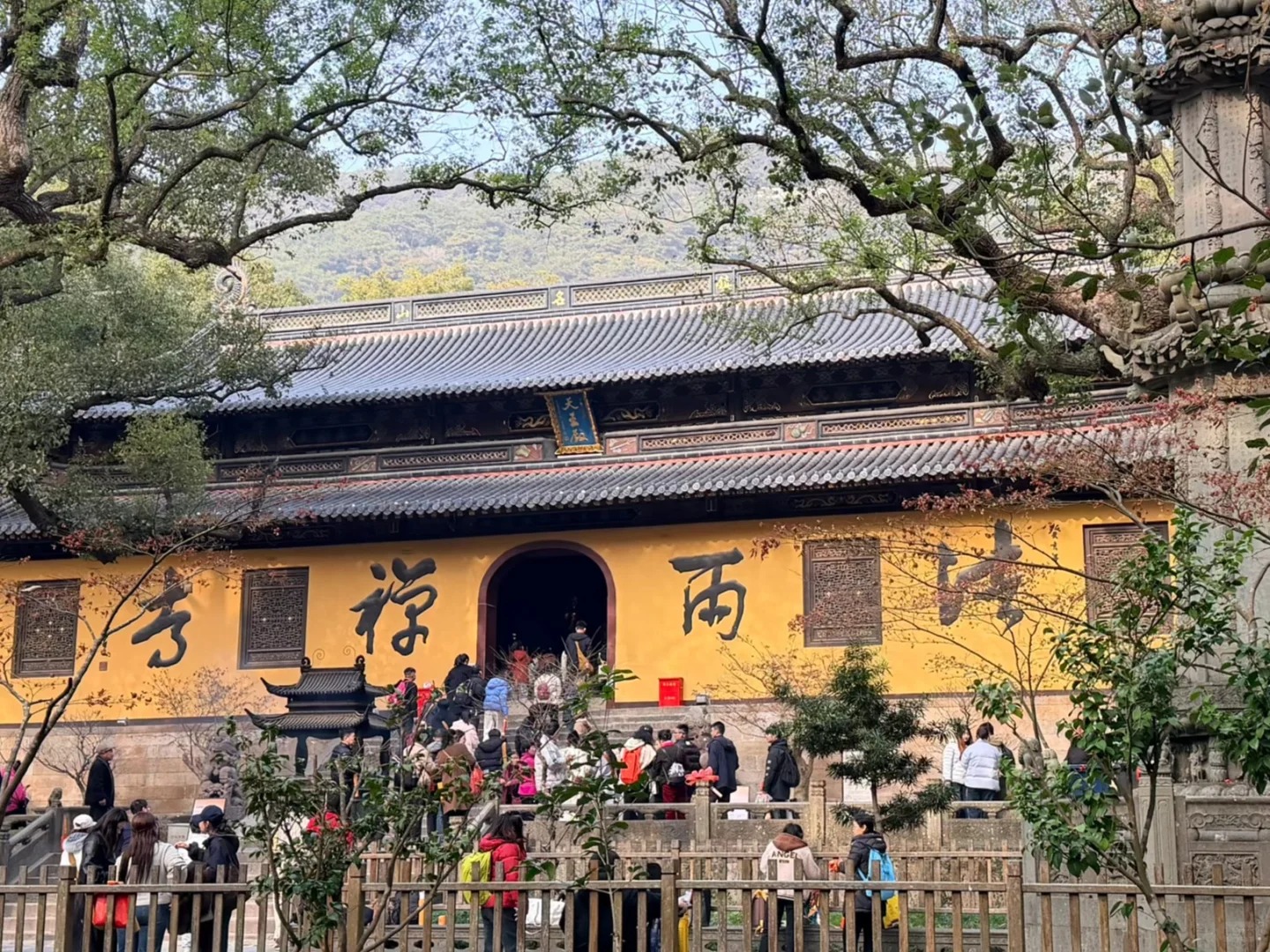
My first stop was Puji Temple, the largest and oldest on the island. It was late morning, and the scent of sandalwood incense was overwhelming in the best possible way. It hung in the air like a thick fog. I joined the queue of devotees, many of whom were older women wearing dark jackets, carrying bags of fruit and flowers as offerings. I didn’t speak the dialect, and I wasn’t a Buddhist, but the rhythm of the place pulled me in. We bowed three times, the sound of chanting monks vibrating in my chest. There is a profound humility in standing before a figure of compassion, realizing how universal the need for kindness is.
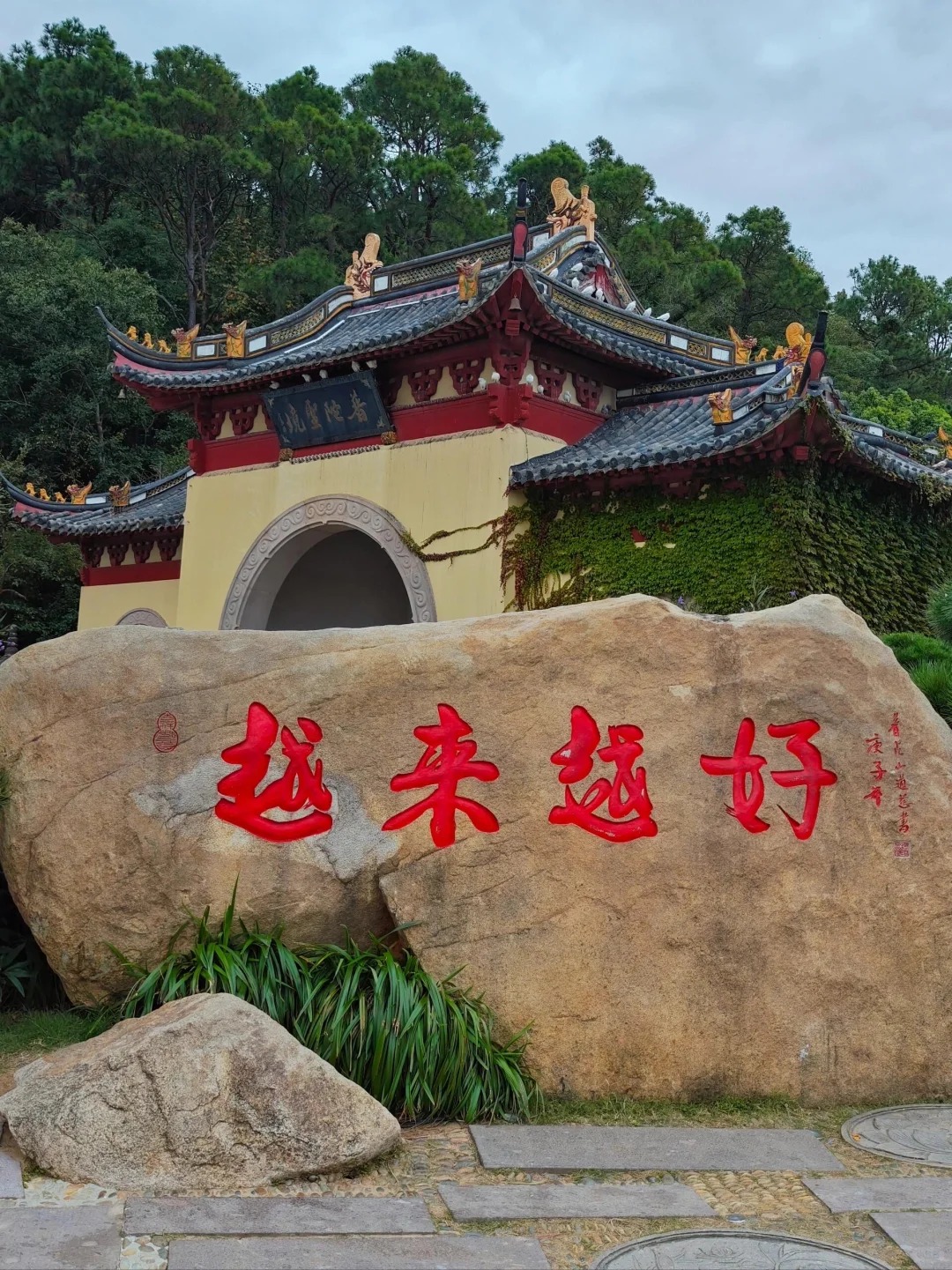
Later, I hired an electric scooter to explore the island. Putuoshan is not a mountain in the traditional sense of a single peak to conquer; it is a landscape of rolling hills and sandy beaches intertwined with temples. I drove along the winding coastal roads, the sea glittering on my right and dense green forests on my left. I stopped at Fayu Temple, a structure that doesn’t sit on the ground but seems to cling to the mountain side. The wooden architecture is darkened by centuries of sea air, giving it a dignity that new buildings lack.
The most challenging part of the trip was the ascent to the top of Fodingshan (Buddha Summit). I chose to hike rather than take the cable car, a decision my legs questioned for the first hour. The path is lined with ancient trees and stone carvings. Halfway up, I passed an elderly monk walking slowly with a cane. He smiled at me, a toothless, radiant smile that seemed to say, “Why rush?”
Reaching the summit, I was rewarded with a 360-degree view of the ocean. You can literally see the curvature of the earth from here. The wind was fierce, whipping my clothes, but the feeling of standing above the world was intoxicating. I sat near a small shrine and watched the clouds race across the sky. It is said that if you look at the sea from here and see a “Buddha’s Light” halo around your shadow, you are blessed. I didn’t see the halo, but I felt a quietness settle in my mind that I hadn’t felt in years.
In the evening, I headed to the famous “Thousand Step Beach.” Unlike most beaches that are associated with partying and noise, this was a place of gathering. Families were digging for clams, and the sound of laughter mixed with the waves. I took off my shoes and walked in the wet sand, the cold water washing over my feet. The sunset turned the sky into a bruised purple and orange, casting a glow on the giant Guanyin statue in the distance.
Dinner on the island is strictly vegetarian, a culinary tradition I was skeptical about but ended up loving. I went to a small restaurant that served “Buddhist cuisine.” I had a dish made of mushrooms and tofu that looked and tasted exactly like braised pork. The chef was an artist, using simple ingredients to create complex flavors. Eating it felt cleansing, light, and respectful of the island’s spirit.
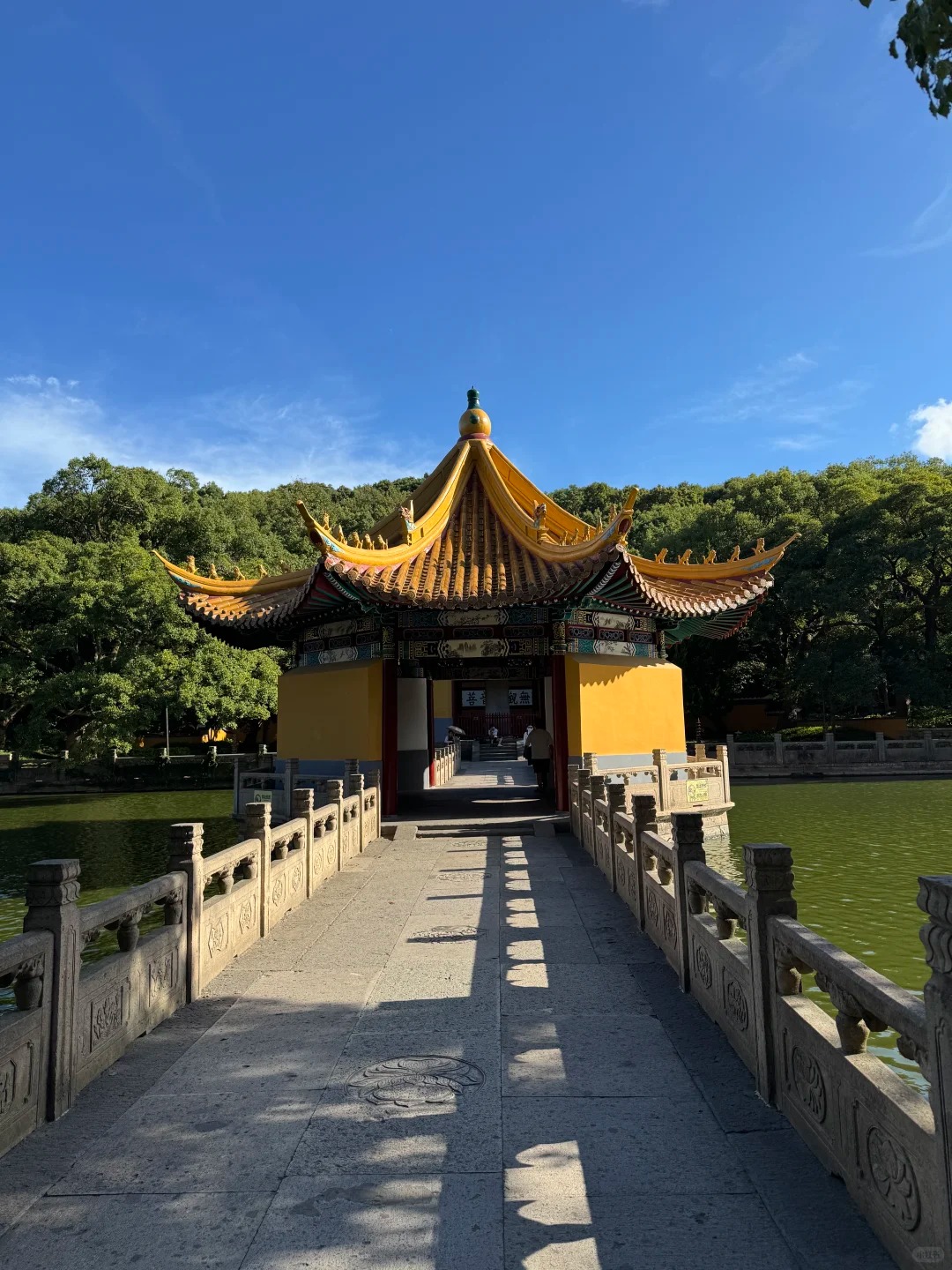
Leaving Putuoshan the next morning, I felt lighter. I hadn’t found enlightenment, but I had found perspective. In a world that is constantly rushing, Putuoshan is a place that demands you slow down, breathe in the incense, and listen to the waves. It is a reminder that compassion, like the sea, is vast and deep. It was a journey that nourished my soul as much as the sea air nourished my lungs.