I have lived in cold places before, but nothing prepared me for Harbin. When I stepped off the train at -25°C (-13°F), the cold didn’t just touch my skin; it felt like it reached into my chest and squeezed the air out of my lungs. My eyelashes froze instantly. But despite the shock to the system, I was grinning from ear to ear. I had come to see the Harbin International Ice and Snow Sculpture Festival, and I was ready to embrace the freeze.
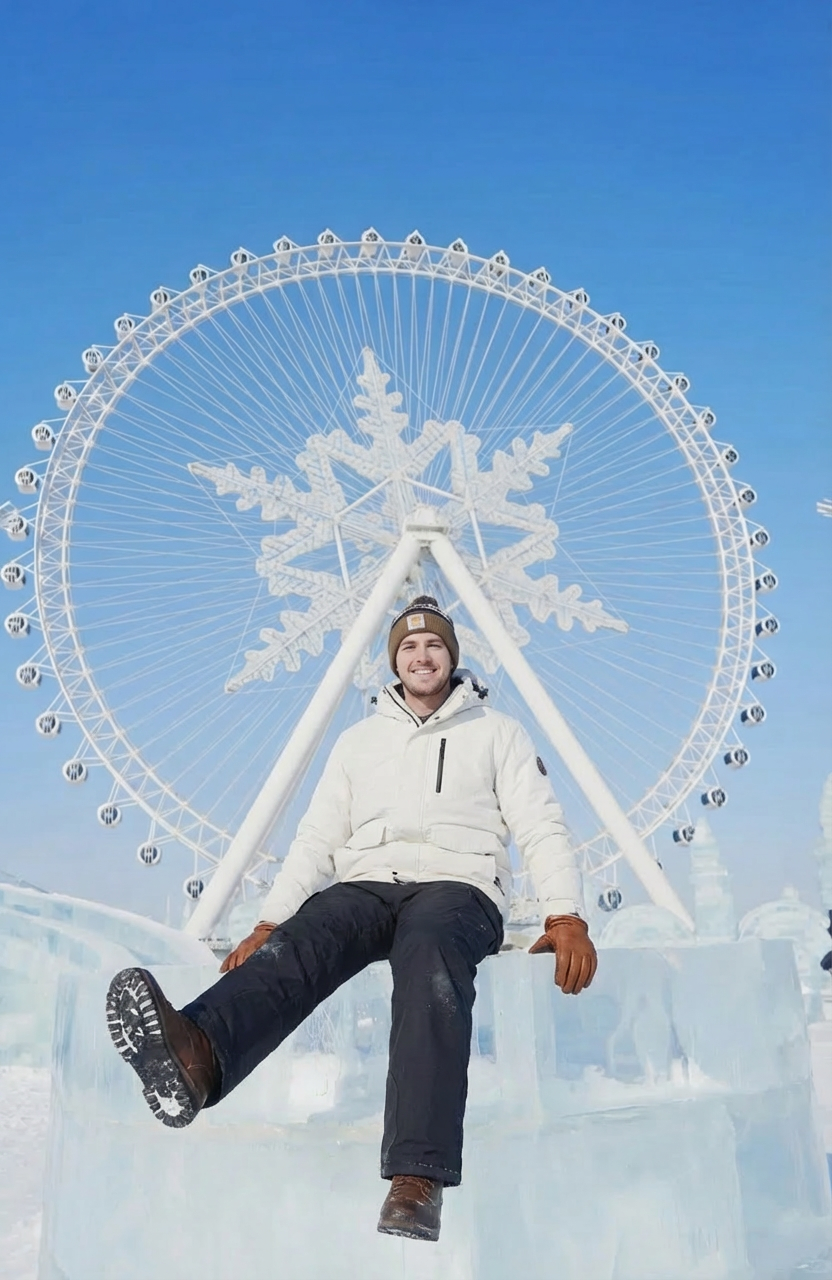
Harbin is known as the “Ice City,” and for good reason. Situated in China’s far northeast, close to the Russian border, it has a unique, rugged vibe. The architecture is a fascinating mix of Baroque, Russian, and Chinese styles. My first stop was Stalin Park (Zhong Yang Park), walking along the Songhua River. The river was frozen solid, a massive expanse of white ice that acted as the city’s playground. I saw people driving cars on the ice, flying kites, and riding bicycles with metal spikes for tires. It was a carnival of winter survival skills.
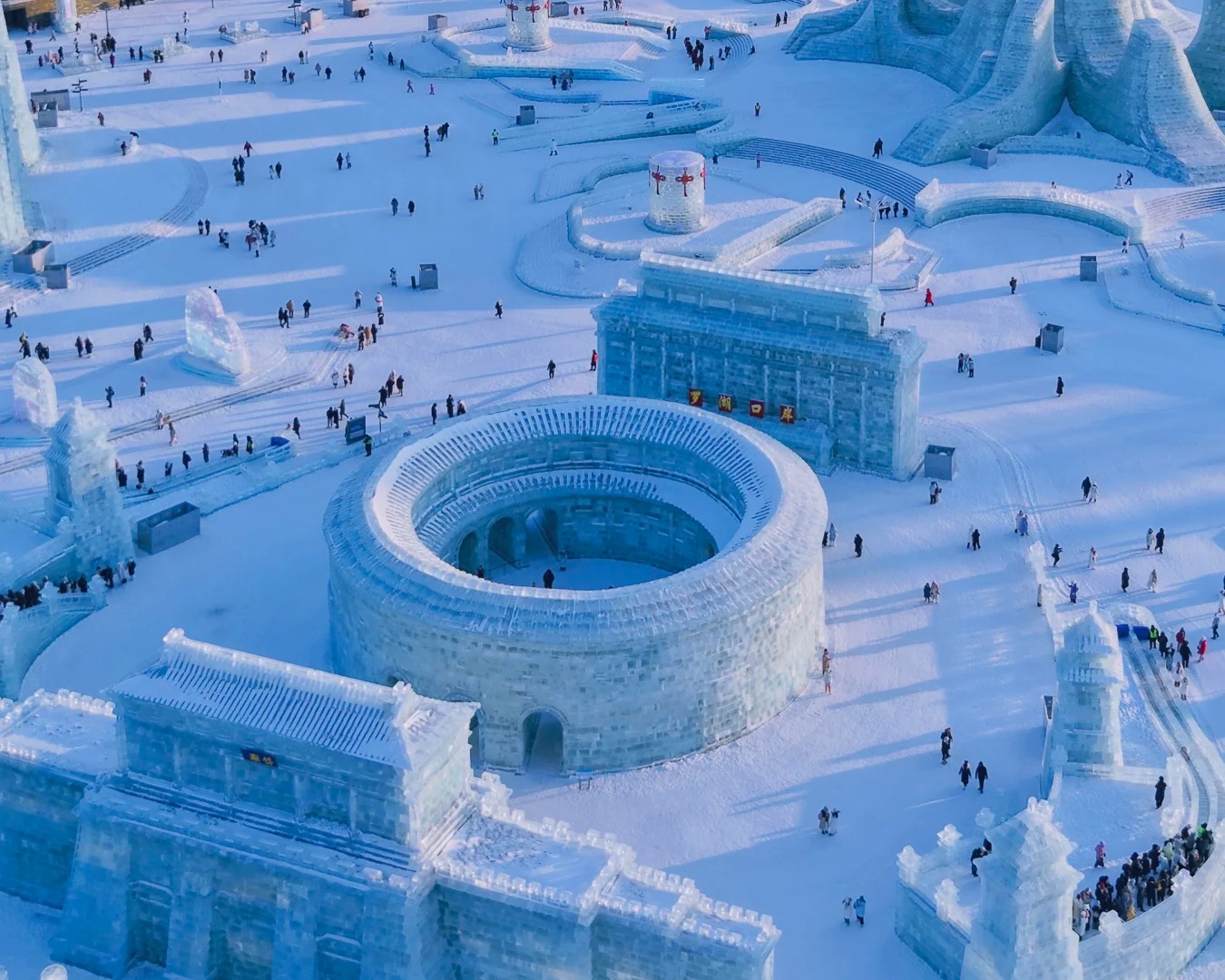
But the main event was the Ice and Snow World. I went at night, which is crucial. During the day, the ice sculptures look impressive, like crystal blocks. But at night, they are something else entirely. As I walked through the entrance, I felt like I had stumbled into a sci-fi movie or a fantasy palace.
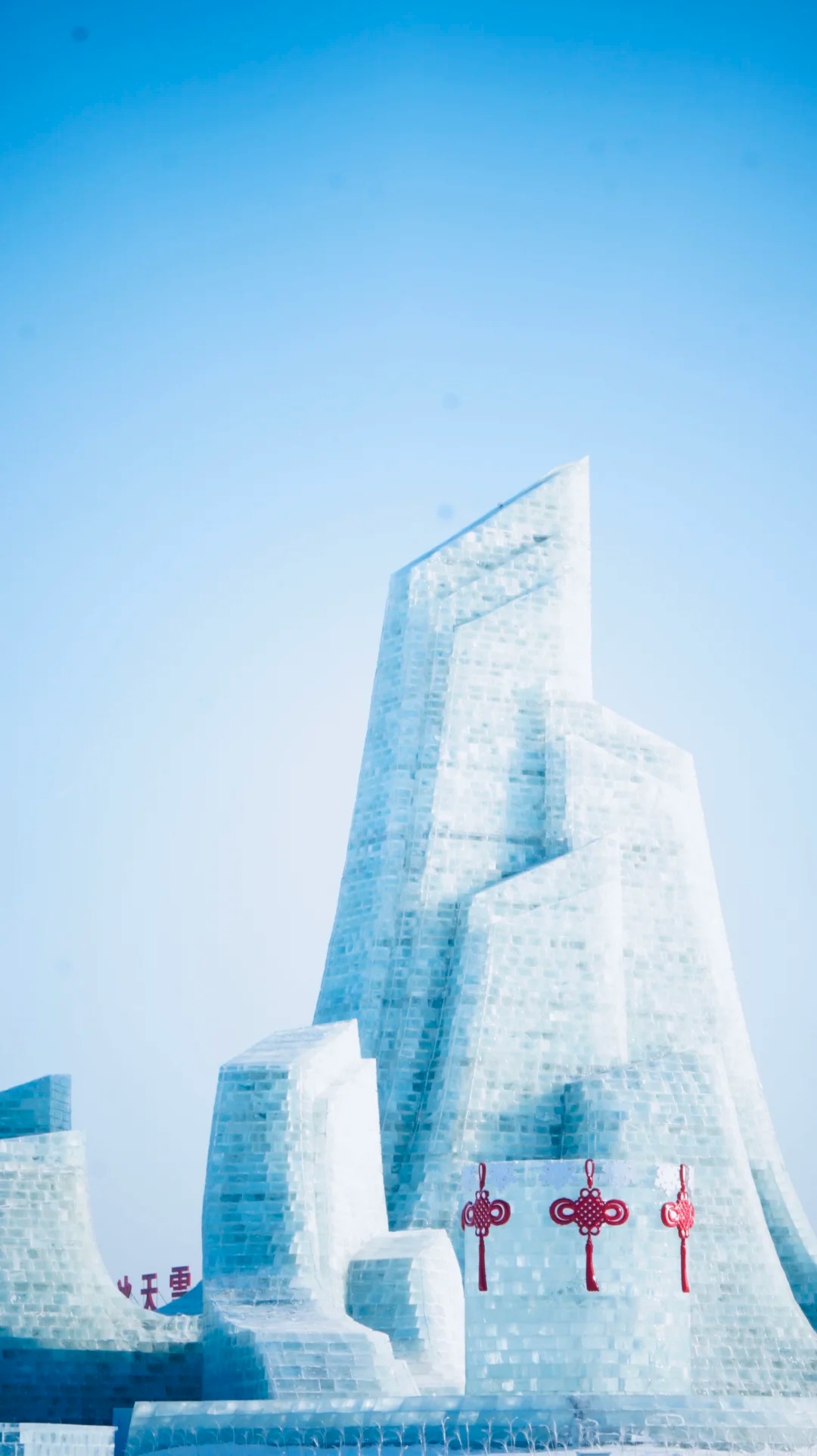
The scale is impossible to describe through photos. You have to stand at the foot of a castle made entirely of ice blocks harvested from the river, soaring three or four stories high, to understand. The ice is crystal clear, and inside the blocks, LED lights glow in neon blues, magentas, and greens. It is a city of light built for the sole purpose of beauty.
I wandered through the maze of ice towers, sliding down ice slides on a rubber mat (much faster than I expected!), and sipping hot coffee from a stall to keep my fingers from going numb. The atmosphere was electric. Families were taking photos, couples were cuddling under shared scarves, and there was a palpable sense of joy. It’s a celebration of the very element that usually forces people indoors. Instead of hiding from winter, Harbin turns it into art.

The next day, I visited Sun Island to see the snow sculptures. These are different from the ice; they are massive, opaque structures carved from compacted snow. The detail was incredible—life-sized figures, mythical beasts, and entire landscapes carved into white. My favorite was a sculpture of a dragon that seemed to be leaping out of the snowdrifts. The artists who work here are masters, and standing next to their creations, I felt a deep respect for their patience and skill in sub-zero conditions.
No trip to Harbin is complete without a visit to the Siberian Tiger Park. I took a bus enclosed in wire mesh through the park, coming face-to-face with the world’s largest cats. Seeing a massive tiger walking just feet away from my window, its breath steaming in the cold air, was a reminder of the raw power of nature. It was thrilling and terrifying all at once.

As the sun set, I made my way to the Saint Sophia Cathedral, the former Russian Orthodox church that is now a museum. Its green domes and red brick stand out against the grey sky like a postcard from the past. Inside, the history of Harbin is laid out, but I spent most of my time just looking at the architecture.
The highlight of the culinary experience, however, was the frozen persimmons. I bought a bag from a street vendor. The persimmons were hard as rocks and frozen solid. You bite into them, and the skin cracks, revealing a slushy, sweet interior. It sounds strange, but in that biting cold, it was the most refreshing thing I’ve ever tasted.
I left Harbin with a cold that I couldn’t shake for a week, but also with memories that will last a lifetime. Harbin isn’t for the faint of heart—it requires layers of long underwear, a good hat, and a willingness to be uncomfortable. But if you can brave the chill, you will be rewarded with a world of frozen dreams that feels absolutely magical. It is a testament to human creativity and the power of celebration.