In the bustling, modern city of Hohhot, the capital of Inner Mongolia, there is an oasis of tranquility that holds the key to the region's complex soul. Dazhao Temple (or "Wuliang Temple") is not the largest lamasery in China, but it is one of the most significant. Founded in 1579 during the Ming Dynasty, it was the first Tibetan Buddhist temple built in Inner Mongolia and played a pivotal role in cementing the religion's influence across the grasslands. Stepping through its gate is like stepping through a temporal portal, leaving behind the traffic noise for a world of murmured prayers, swirling incense, and the glint of ancient gold.
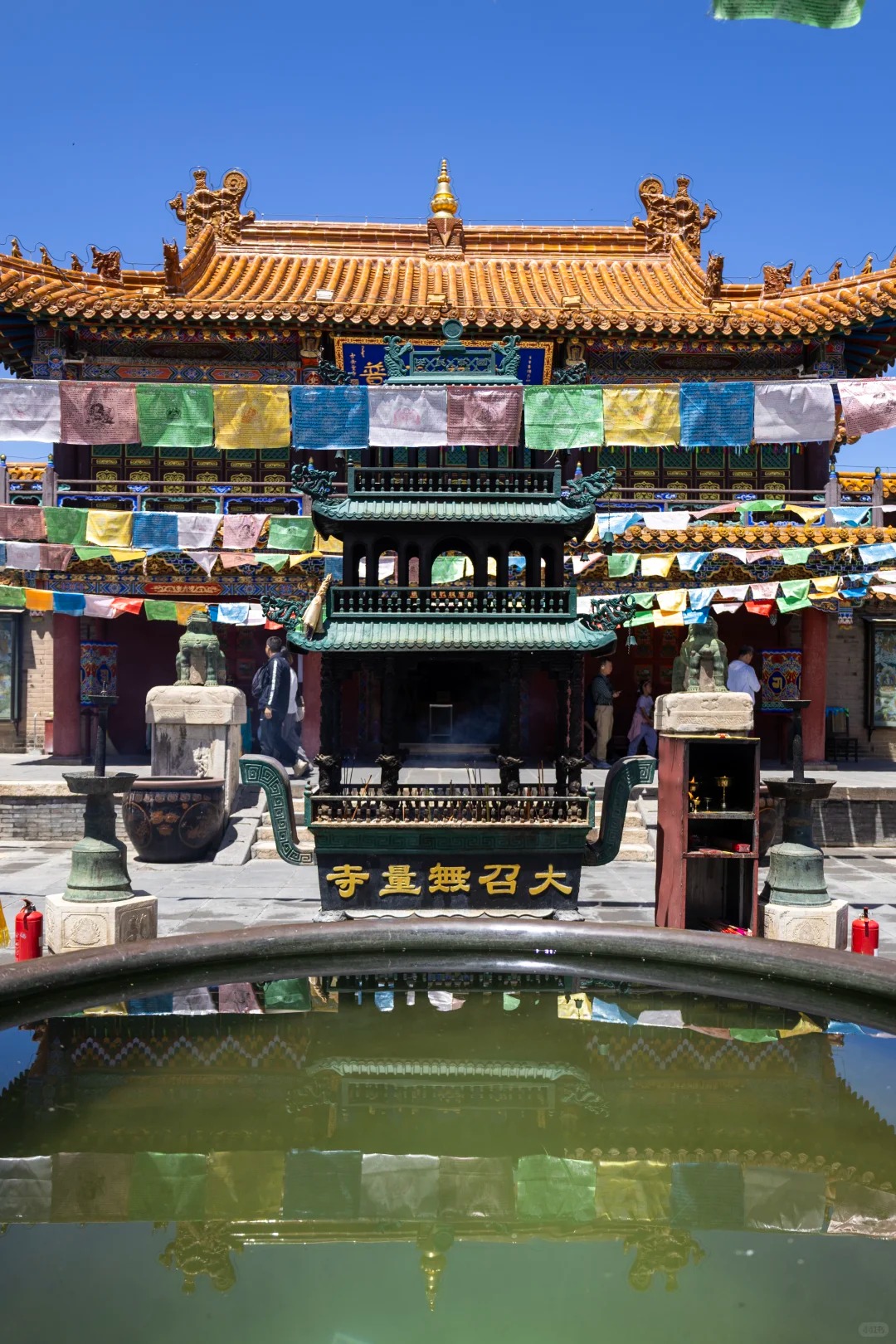
The first thing that strikes you is the architecture—a beautiful fusion of Han, Tibetan, and Mongolian styles. The main hall, the Mahavira Hall, has a distinct Tibetan flat roof with golden finials, while its eaves and painted beams showcase classic Chinese craftsmanship. But the true treasure lies inside: a magnificent, 2.5-meter-tall silver statue of Sakyamuni Buddha, presented by the Third Dalai Lama himself. However, the temple's most famous resident is the "Golden Buddha" in the eastern hall—a serene statue of Sakyamuni said to be made from pure gold, with eyes that seem to follow you with gentle, knowing compassion. The flickering light from hundreds of butter lamps dances on its face, making it appear alive. I watched pilgrims—Mongolian elders in traditional dress, Han Chinese families, Tibetan monks—approach with utter devotion, placing offerings, prostrating, or simply standing in quiet contemplation.
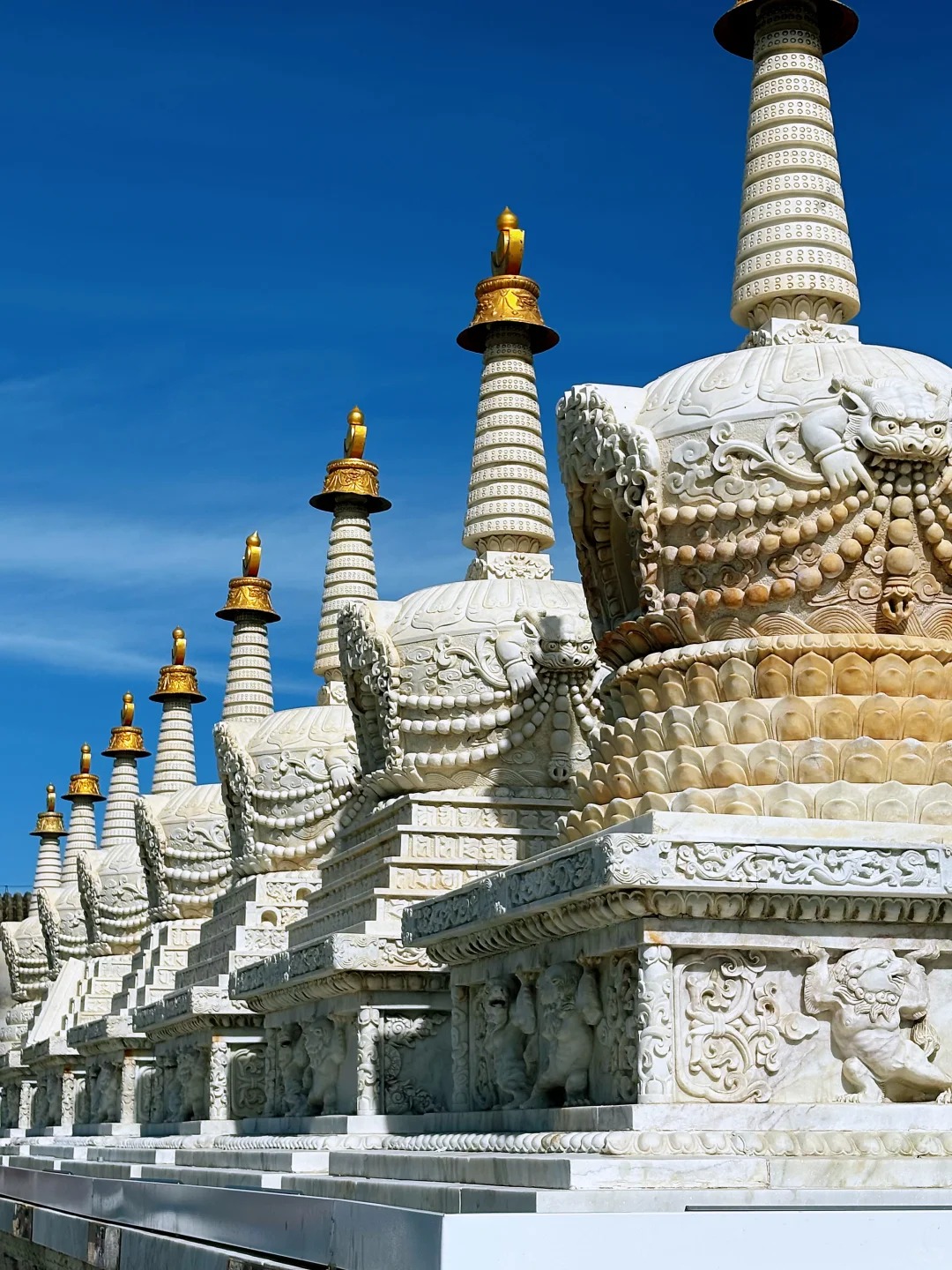
I spent a long time in the courtyard, observing the daily rhythm. Novice monks in maroon robes hurried between halls, their footsteps soft on the worn stone flags. An old lama sat in a patch of sun, patiently repairing a thangka (religious scroll painting) with minute brushes. The scent of juniper incense from a large bronze burner perfumed the air. I struck up a conversation with a shopkeeper near the temple entrance who sold prayer wheels and khadags. He was a Han Chinese who had lived next to the temple for forty years. "This temple," he said, "is the heart of old Hohhot. It has seen emperors, revolutions, and now skyscrapers. But inside those walls, time moves differently. It's a constant."
My visit coincided with no major festival, and I was grateful for that. I witnessed the unadorned, authentic life of a working monastery. In a side hall, monks were engaged in a lively debate, slapping their hands together for emphasis in the traditional pedagogical style. Their energetic voices were a counterpoint to the general serenity. As the afternoon sun slanted low, casting long shadows, the temple cats—well-fed and dignified—emerged to patrol their sacred domain.

Leaving Dazhao Temple, I walked back into the 21st-century city. The honking cars and neon signs felt momentarily jarring. But I carried with me the memory of the Golden Buddha's gaze and the steady rhythm of prayers—a reminder that beneath the modern surface of Inner Mongolia's capital, there beats an ancient, spiritual heart that has quietly endured for over four centuries.