Beijing is a city of grand statements. The Forbidden City screams power; the Olympic Stadium screams modernity. But to find the whispers of the real Beijing, you have to turn your back on the main roads and dive into the grey maze of the Hutongs.
My "Beijing travel" experience was defined not by the palaces I saw, but by the alleys I got lost in. These narrow lanes, some dating back to the Yuan Dynasty (13th century), are the capillaries of the city.
The Architecture of Gossip
I stayed in a converted courtyard hotel in the Dongcheng District. Stepping out in the morning, the Hutong was already alive.
It’s an intimate world. I squeezed past a grandpa walking his bird (yes, holding the cage out for fresh air) and dodged a delivery scooter loaded with impossible amounts of cardboard. The walls are grey brick, the doors are red, and life happens in the street.
I saw neighbors playing chess on a stone table, slamming the pieces down with theatrical force. I heard the sharp "Gerrr-ling!" of bicycle bells. It felt like a village inside a metropolis.
Rickshaws and Roofs
I decided to explore deeper on a vintage sidecar motorcycle. My guide, a local beijinger named Lao Li, strapped a helmet on me and revved the engine.
We zipped through alleys barely wider than the bike. We passed the Drum and Bell Towers, which used to tell the city when to wake and sleep. Lao Li stopped at a hidden spot near Shichahai Lake.
"Look up," he said.
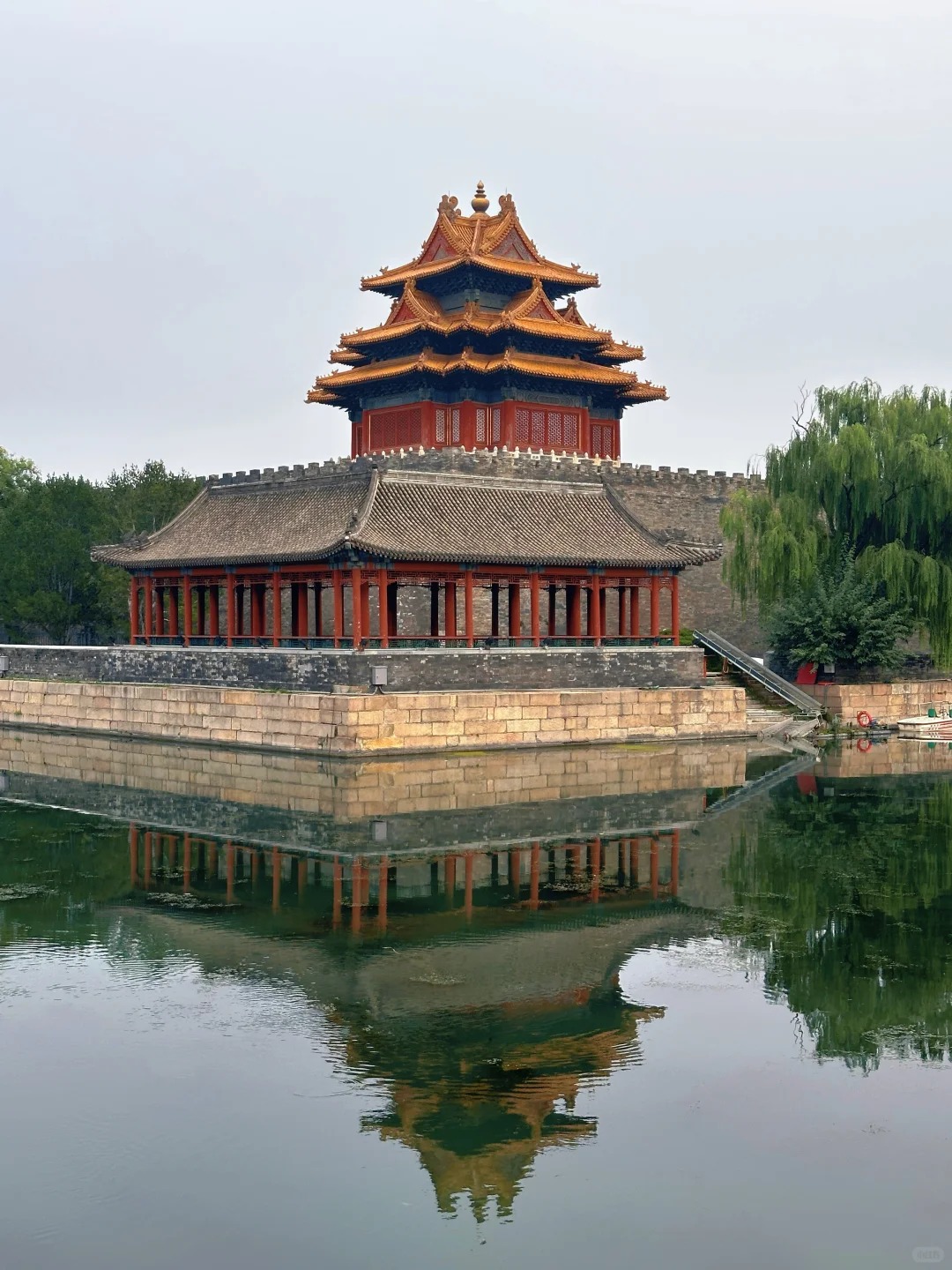
We were looking at the roof of a prince’s mansion. "See the animals on the ridge?" he pointed. "The more animals, the higher the rank. The Emperor has ten. This guy has seven. Not bad." It was a history lesson written in clay tiles.
The Art of the Dumpling
You can’t understand Beijing without understanding wheat. For lunch, I was invited into a local family’s home for a Dumpling (Jiaozi) Making Class.
The hostess, Mrs. Wang, was a whirlwind of flour and energy. "The secret is in the pinch," she told me.
She showed me how to roll the dough into perfect circles (harder than it looks) and how to stuff them with pork and fennel. My dumplings looked like sad, lumpy rocks next to her elegant gold ingots.
But when they came out of the boiling water, steaming and glossy, they tasted like heaven. We dipped them in dark vinegar and chili oil. Mrs. Wang told me stories about how her family had lived in this courtyard for four generations, surviving wars and revolutions, always making dumplings on New Year's Eve.
Forbidden City: The View from the Hill
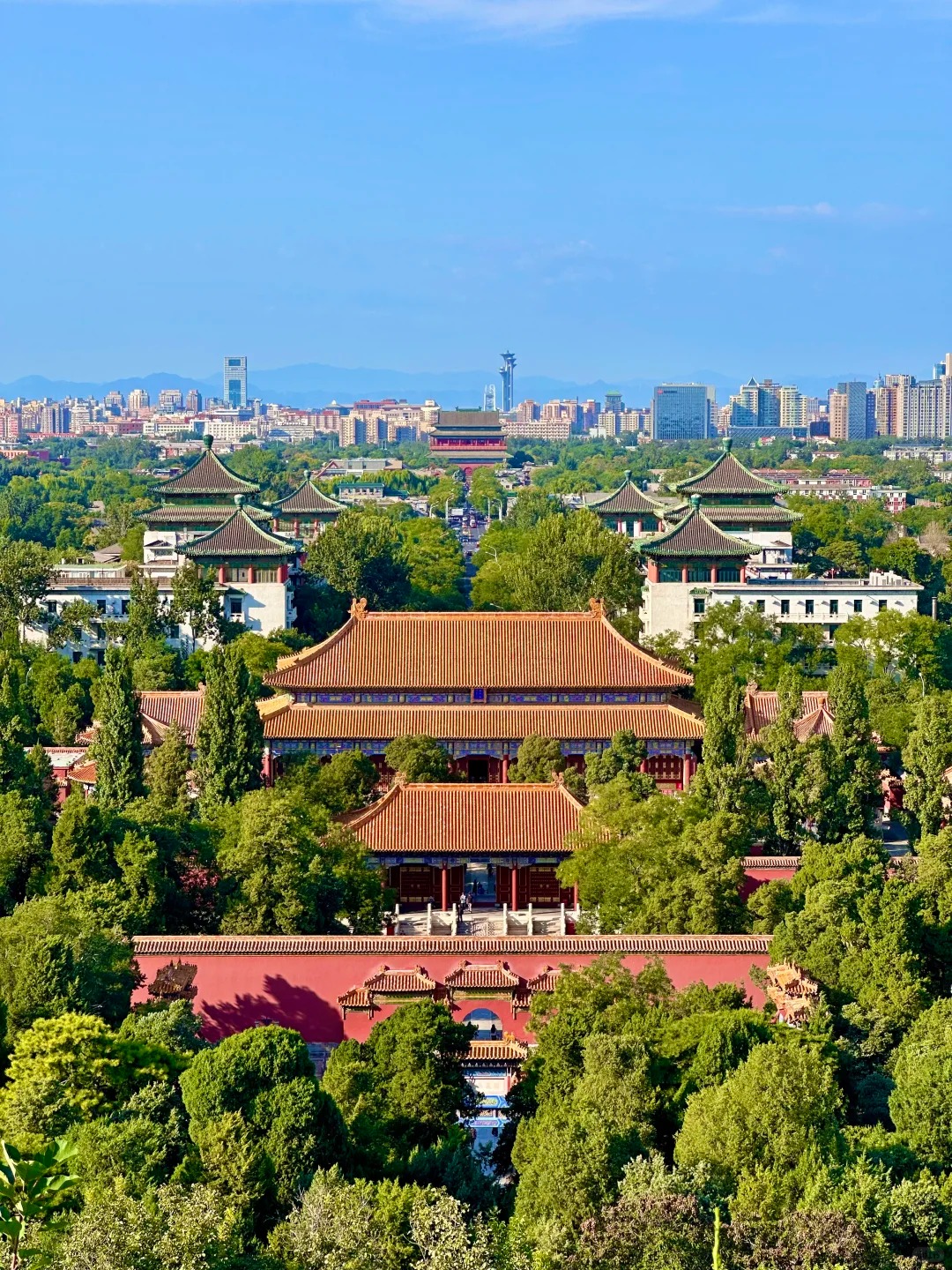
Of course, I visited the Forbidden City. But my favorite view of it wasn't from inside; it was from Jingshan Park across the street.
I climbed the hill at sunset. From the pavilion at the top, the golden roofs of the palace spread out like a sea of yellow waves. It was symmetrical, vast, and imposing. You could see the central axis of Beijing cutting straight through the city.
Standing there, with the wind in my hair, I understood the obsession with order and hierarchy that defined imperial China. But then, I looked back toward the Hutongs behind me—a chaotic, organic jumble of grey roofs.
Peking Duck: The Fiery Finale
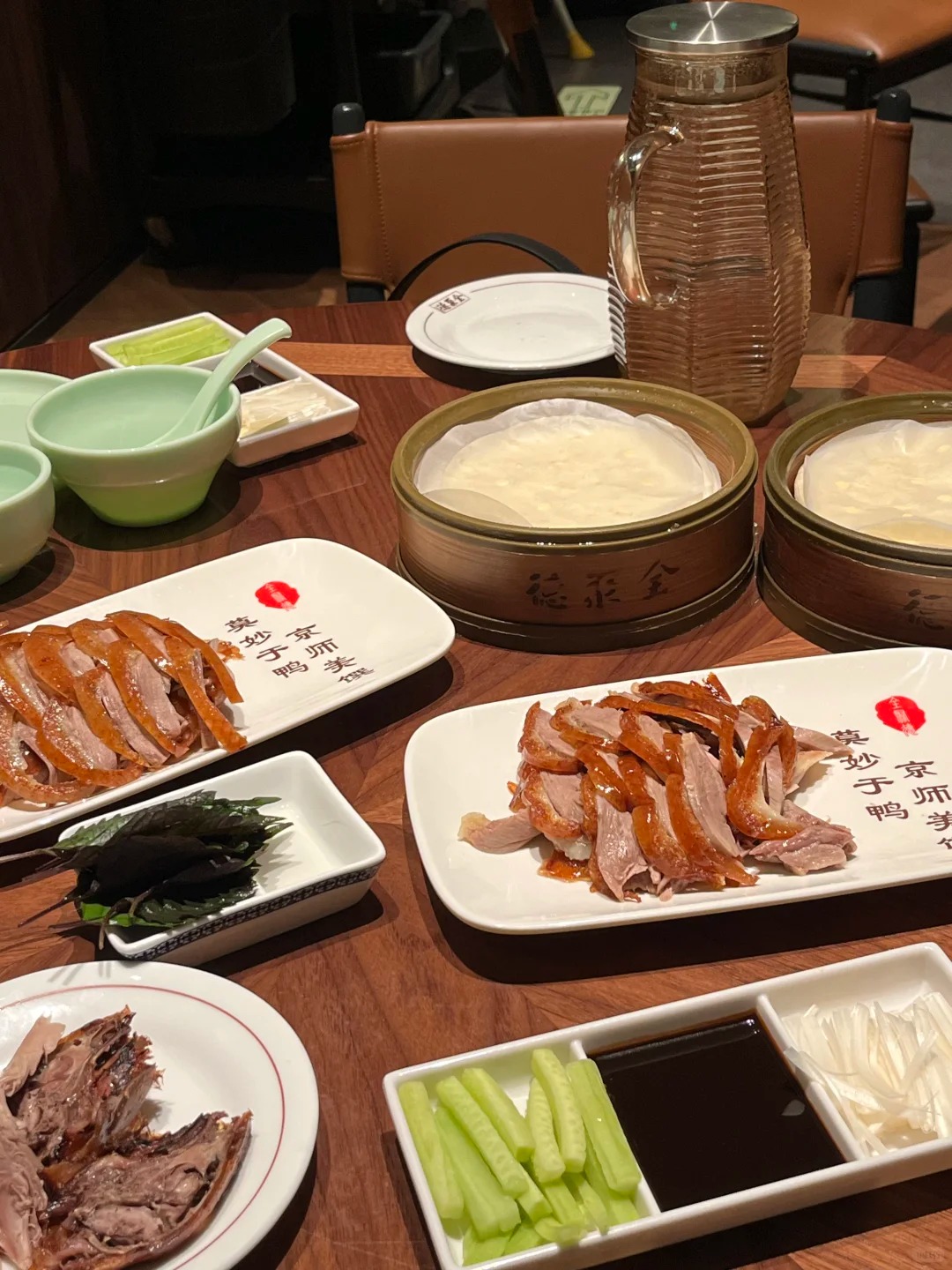
No Beijing trip is complete without the bird. I went to a roast duck restaurant that has been open since 1864.
The chef carved the duck table-side. The knife work was surgical. He sliced the skin so thin it was translucent.
"Dip the skin in sugar," he advised.
I did. The skin shattered like glass in my mouth, dissolving into a burst of savory duck fat and sweet sugar. Then came the meat, wrapped in a thin pancake with scallions and sweet bean sauce. It was rich, textured, and incredibly satisfying.
Why You Must Go
"Beijing travel" is a balancing act. It is a city that is constantly tearing itself down and rebuilding, yet frantically holding onto its past. In the Hutongs, you find the human scale of this giant capital—the humor, the flavors, and the resilience of the people who call it home.