The drive from Hefei to Tianzhushan Scenic Area was a lesson in slow beauty. We left the city’s skyscrapers behind, and soon the road was winding through green hills, with rice paddies stretching out on either side and small villages with white walls and black tiles dotting the landscape. By the time we reached the scenic area, the sun was low in the sky, casting golden light on the granite peaks. “Welcome to the First Mountain in the South of the Yangtze River,” the driver said, grinning. I stepped out of the car, and the air hit me—cool, fresh, and full of the smell of earth and pine.

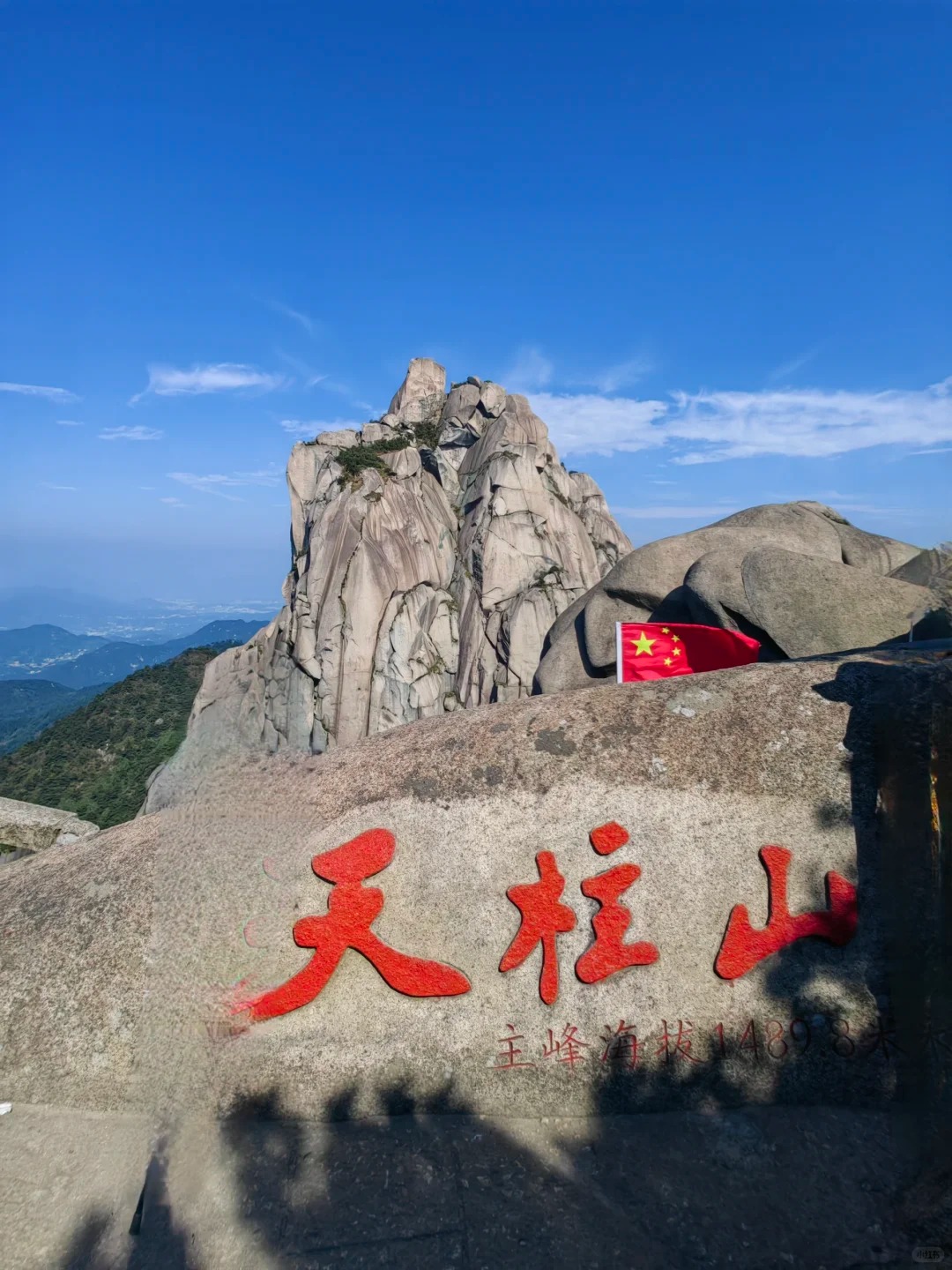
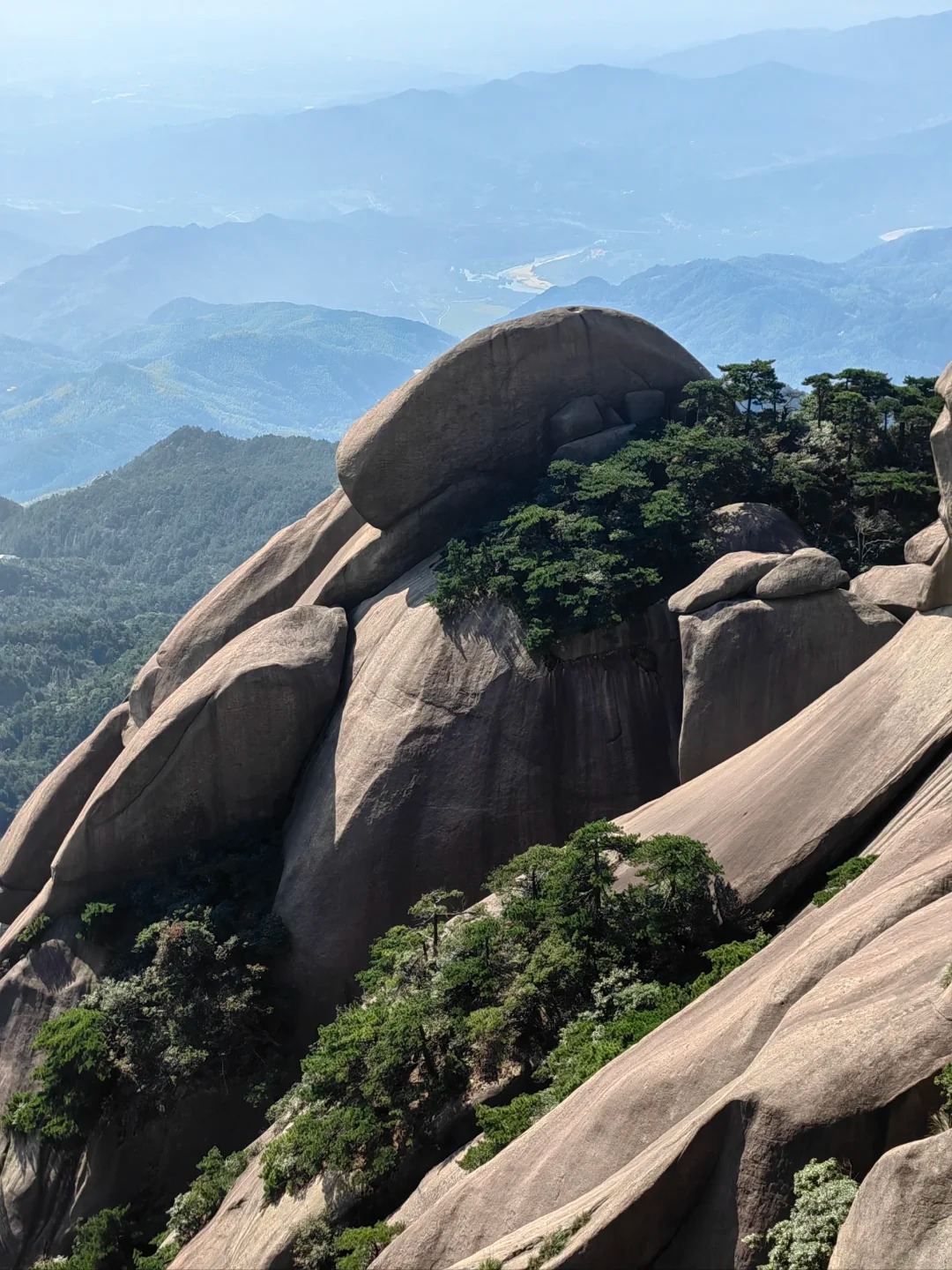
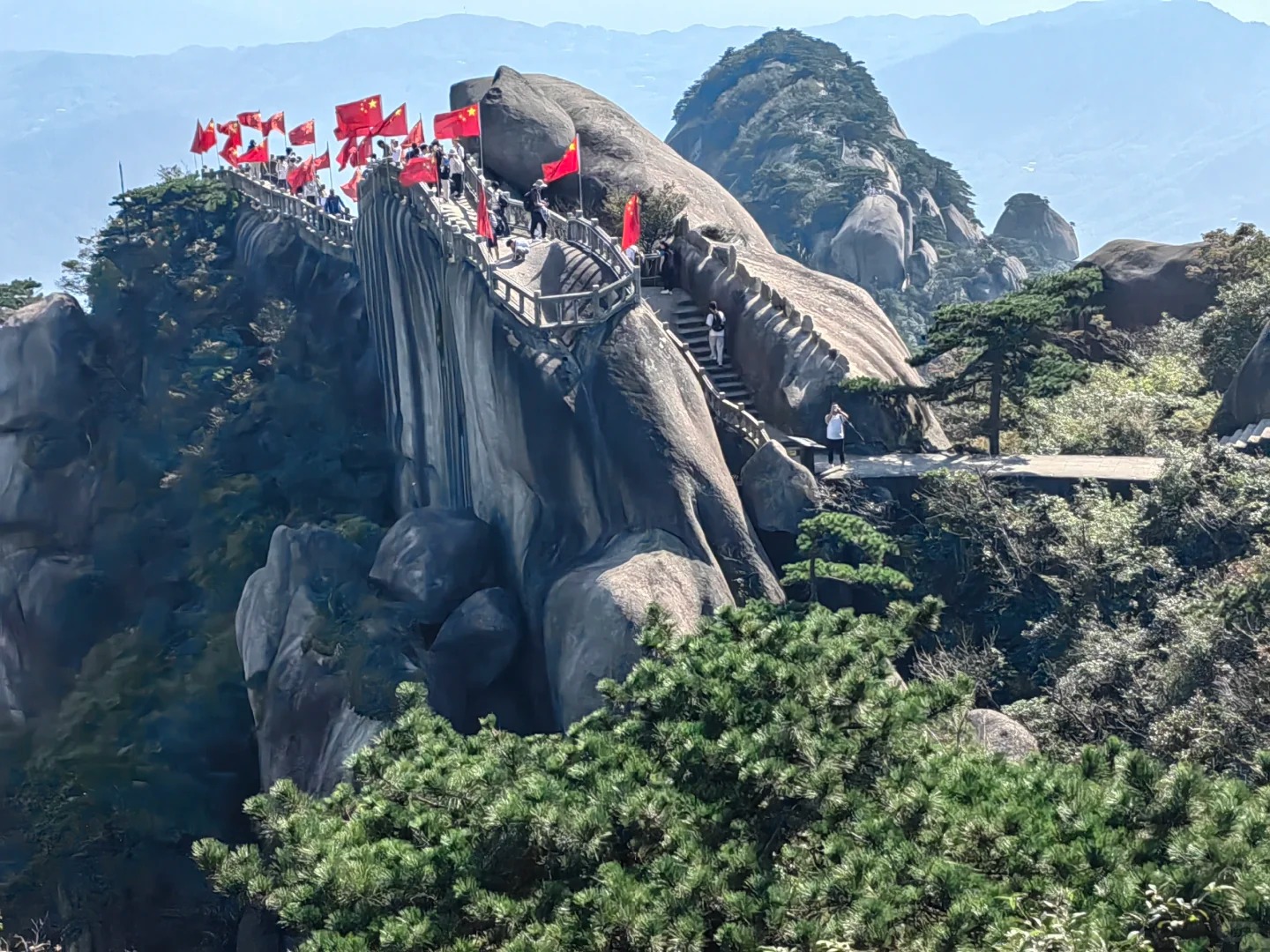
Tianzhushan Scenic Area covers over 486 square kilometers, and it’s easy to see why it’s called the “First Mountain in the South of the Yangtze River.” The granite peaks here are unlike any I’ve seen—tall, sharp, and covered in green, rising straight out of the valleys like giant pillars. My first stop was Tianzhu Peak, the symbol of the scenic area. At 1,488 meters, it’s the highest peak, and climbing it was no easy task. The stone steps are steep and narrow in places, and I had to stop every few minutes to catch my breath. But the views kept me going—every time I looked up, I saw another peak, another valley, another patch of forest.
When I finally reached the top of Tianzhu Peak, I felt like I could see the whole world. Below me, the valleys were filled with mist, and the peaks stretched out in every direction, their granite faces glowing in the sunlight. A group of local photographers were set up there, waiting for the perfect shot. One of them, an old man with a white beard, showed me his photos—sunrises, sunsets, sea of clouds. “Tianzhushan changes every hour,” he said. “You never get the same view twice.” I sat down on a rock and pulled out a sandwich I’d packed, savoring the moment. The wind was cool, and the only sounds were the wind in the pines and the distant call of a bird.
The Mysterious Valley was next, and it was like stepping into a maze made of granite. The valley is filled with huge rocks, some as big as houses, that have been shaped by wind and water over millions of years. You have to climb over them, crawl under them, and squeeze between them to get through. It was fun and a little scary—at one point, I had to crawl through a narrow gap between two rocks, and I worried I’d get stuck. But a group of kids behind me cheered me on, and I made it through, laughing. The valley is full of surprises—hidden waterfalls, small pools, and even a cave with stalactites. I spent two hours exploring, and I still don’t think I saw everything.
Longtan Waterfall, in the western part of the scenic area, was another highlight. The waterfall drops over 100 meters, and the sound of the water crashing into the pool below is deafening. I stood on the viewing platform, and the mist from the waterfall hit my face, cool and refreshing. A local guide told me that the waterfall is most beautiful after rain, when the water is fuller and the mist is thicker. “It looks like a silver dragon falling from the sky,” he said. I watched the waterfall for a long time, mesmerized by the way the water sparkled in the sunlight.
Tianzhushan isn’t just about natural beauty—it’s also full of history. Chaotian Temple, built during the Tang Dynasty, is located on a hillside, with views of the surrounding peaks. The temple’s wooden beams are carved with intricate patterns, and the main hall houses a statue of Buddha that’s over 5 meters tall. I walked around the temple, and a monk showed me a stone inscription on the wall, written by a poet from the Song Dynasty. “Many poets have come here to find inspiration,” he said. “Tianzhushan’s beauty makes people want to write.” I could see why—the views from the temple were enough to make anyone a poet.
The food in Tianzhushan is all about local ingredients, and it’s delicious. At a small restaurant near the scenic area entrance, I had braised bamboo shoots with pork—tender bamboo shoots cooked with fatty pork, the sauce rich and savory. I also had steamed freshwater fish, caught that morning from the mountain streams. The fish was light and flaky, with just a little ginger and scallion to enhance the flavor. The owner told me that all the ingredients come from within 10 kilometers of the restaurant. “We eat what the mountain gives us,” he said. I also tried Tianzhushan rice cakes, which are sweet and chewy, and sweet potato pastries, which are crispy on the outside and soft on the inside.
I spent an afternoon talking to local artists in a small village near the scenic area. They paint Tianzhushan’s peaks and valleys, using ink and brush, just like the ancient painters. One artist showed me his latest painting, a depiction of Tianzhu Peak at sunrise. “I’ve been painting Tianzhushan for 40 years,” he said. “And I still haven’t captured its true beauty.” We talked about how the mountain inspires them—its changing light, its mist, its granite peaks. “Tianzhushan is a teacher,” he said. “It teaches you to look closely, to see the beauty in small things.”
On my last day, I took a leisurely walk along the mountain trails, no destination in mind. I passed small pavilions where visitors were resting, stone inscriptions that told stories of the past, and streams where children were playing. I stopped at a small tea house and ordered a cup of local tea, watching the sun filter through the pine trees. As I walked back to the entrance, I felt a sense of peace. Tianzhushan Scenic Area isn’t just a place to visit—it’s a place to experience. It’s the kind of place that makes you slow down, look around, and appreciate the beauty of the world. And when you leave, you take a little piece of that beauty with you.