"One day, four seasons." That’s what the locals told me about Taibai Mountain (Taibaishan). I nodded politely, thinking it was just a catchy slogan. Six hours later, shivering in a hailstorm after sweating in a t-shirt just that morning, I realized they weren't joking.
Taibai Mountain is the main peak of the Qinling Mountains, the natural boundary between North and South China. It soars over 3,700 meters (12,000 feet) into the sky. This isn't a leisurely park stroll; it’s a beast. I decided to take the cable car part of the way up to save time, but the real challenge began where the cable car ended.

The Sea of Rocks
Stepping out of the cable car station, the world changed. The lush green forests of the base were gone, replaced by a stark, alien landscape of grey rocks. This is the "Fourth Period Glacial Remnant." Huge boulders are piled up like they were tossed by angry giants. There is no dirt path here; you are hopping from rock to rock.
The altitude hit me fast. My chest felt tight, and every step required a conscious breath. But the view... oh, the view. Clouds were not above me; they were rushing around my ankles. I watched a sea of white mist crash against the jagged peaks like slow-motion waves. It was silent, except for the wind whistling through the stones. I felt like I was walking on the spine of a sleeping dragon.
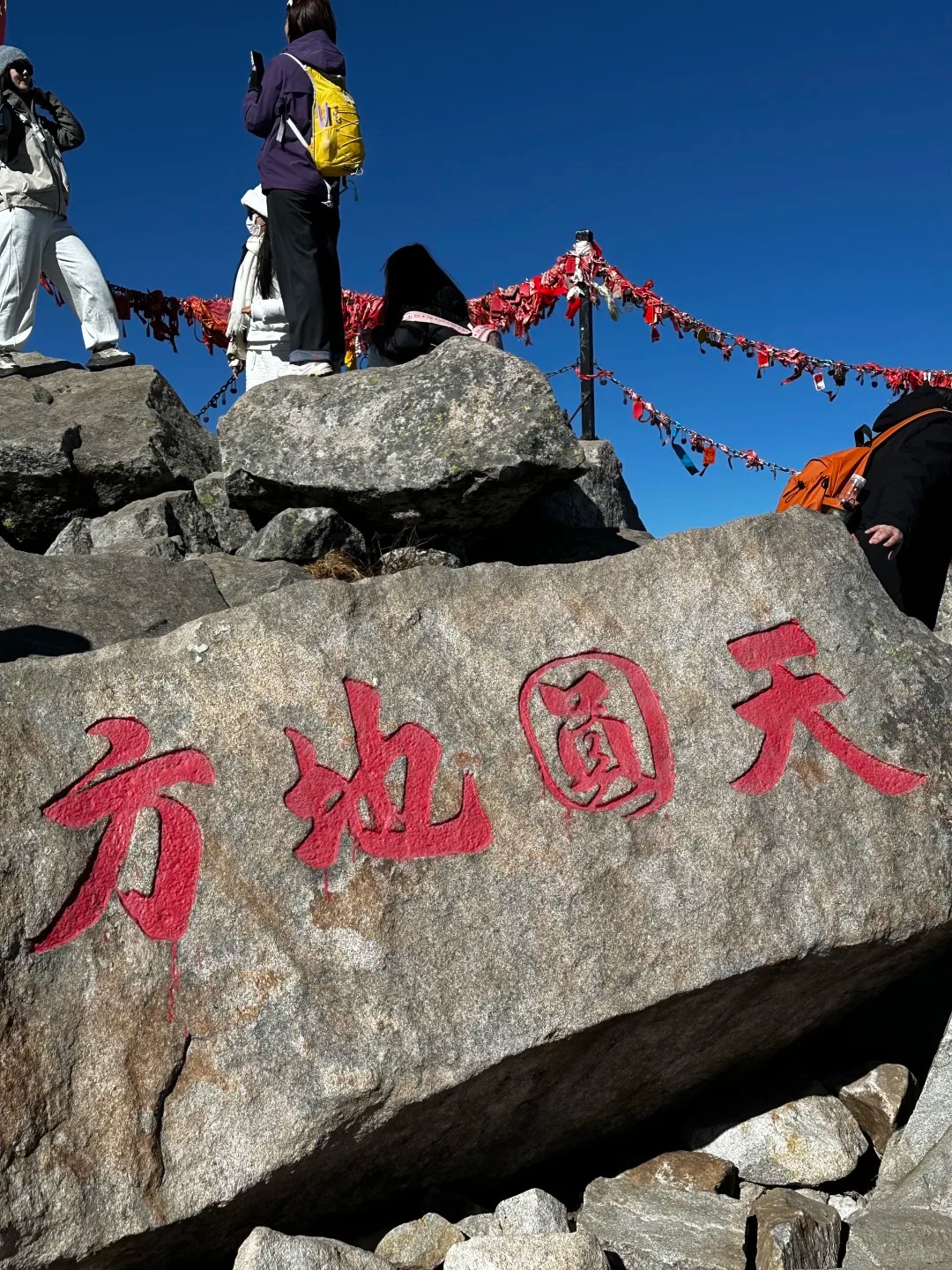
The Heavenly Lake
The goal was the "Great Taibai Lake" (Daye Hai) at the summit. The trek was grueling. At one point, a sudden mist rolled in, visibility dropping to zero. The temperature plummeted. I put on every layer of clothing I had. Then, just as quickly, the sun pierced through.
And there it was. The lake. It sat in a crater, a perfect oval of sapphire blue water, impossibly still. It looked like an eye staring up at heaven. Legend says it’s magical, and honestly, standing there, gasping for thin air, it felt it. There were no birds, no fish—it’s too high, too cold. Just pure, distilled silence.
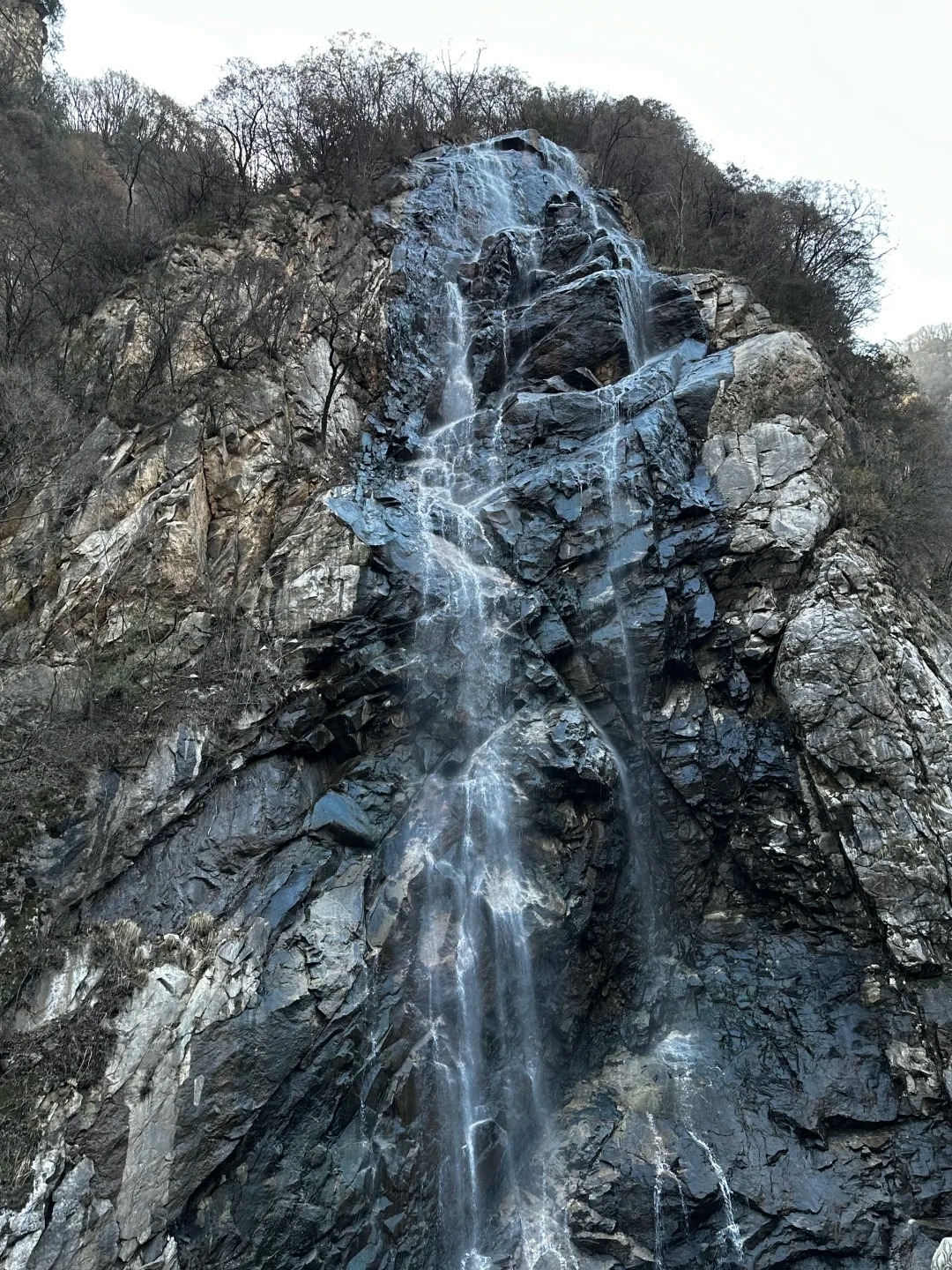
A Moment of Humility
I sat by the lake, eating a cold Snickers bar that tasted like a gourmet meal. A group of hikers passed by, their faces red and windburned, but grinning ear to ear. We exchanged a silent nod of camaraderie—the "we made it" look.
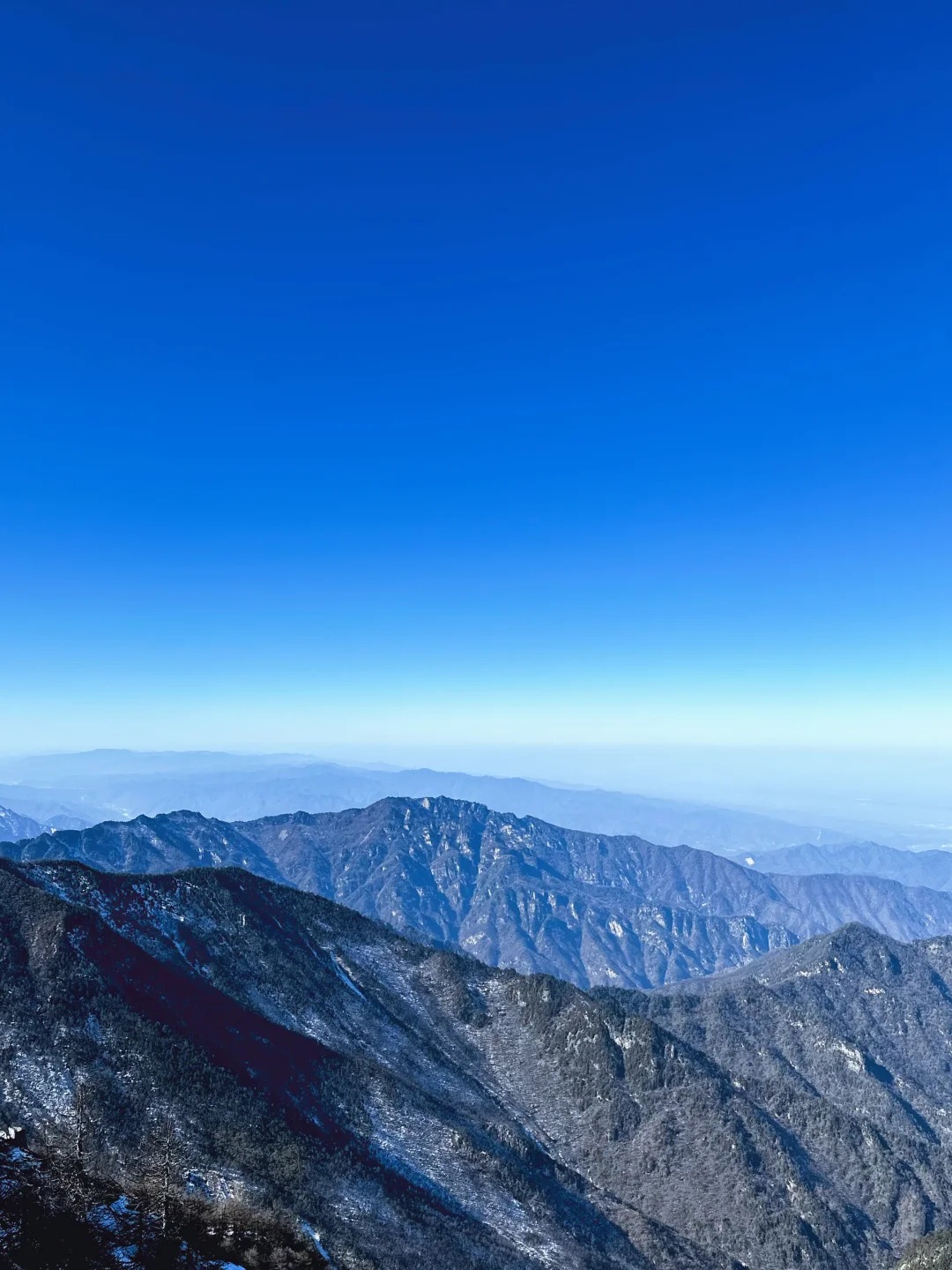
Descending was harder on the knees but easier on the lungs. Looking back up at the peak, shrouded again in clouds, I felt a deep sense of respect. Taibai Mountain doesn't care if you conquer it. It demands endurance. It showed me that China isn't just crowded cities and temples; it has a wild, untamed heart that can freeze you, exhaust you, and leave you begging for more.