The morning I climbed the 392 steps of the Sun Yat-sen Mausoleum, Nanjing was draped in a hushed, silver mist. It wasn’t the picture-postcard blue sky day, but the gloom felt appropriate, even respectful. The air was cool and carried the clean, mineral scent of wet granite and ancient cypress. Ahead of me, the iconic blue-glazed tile roof of the memorial hall emerged and receded in the shifting fog, like a mirage of a bygone republic.

I wasn’t alone on those vast, stair-flanked terraces. Dozens of Chinese tourists, from school groups in matching caps to elderly couples moving with deliberate care, were making the same ascent. There was little of the boisterous chatter you might hear elsewhere. The climb itself enforced a rhythm, a physical meditation. Each step was wide and shallow, designed, I later read, so that even the weary could ascend without strain. With every flight, the view over the purple mountain (Zijin Shan) unfolded a little more—a sea of dense, dark green pine and cedar rolling into the mist.
Halfway up, I paused to catch my breath beside an elderly man. He was staring not at the summit, but back down the staircase, now a grand, empty runway disappearing into the clouds below. “He’s up there,” the man said in Mandarin, more to himself than to me. “And we are down here, still walking the path he charted.” He didn’t specify who “he” was. He didn’t need to. In that space, between the monumental stone pylons inscribed with Dr. Sun’s principles, “he” was a palpable presence. The mausoleum isn’t just a tomb; it’s a political and spiritual compass set in stone.
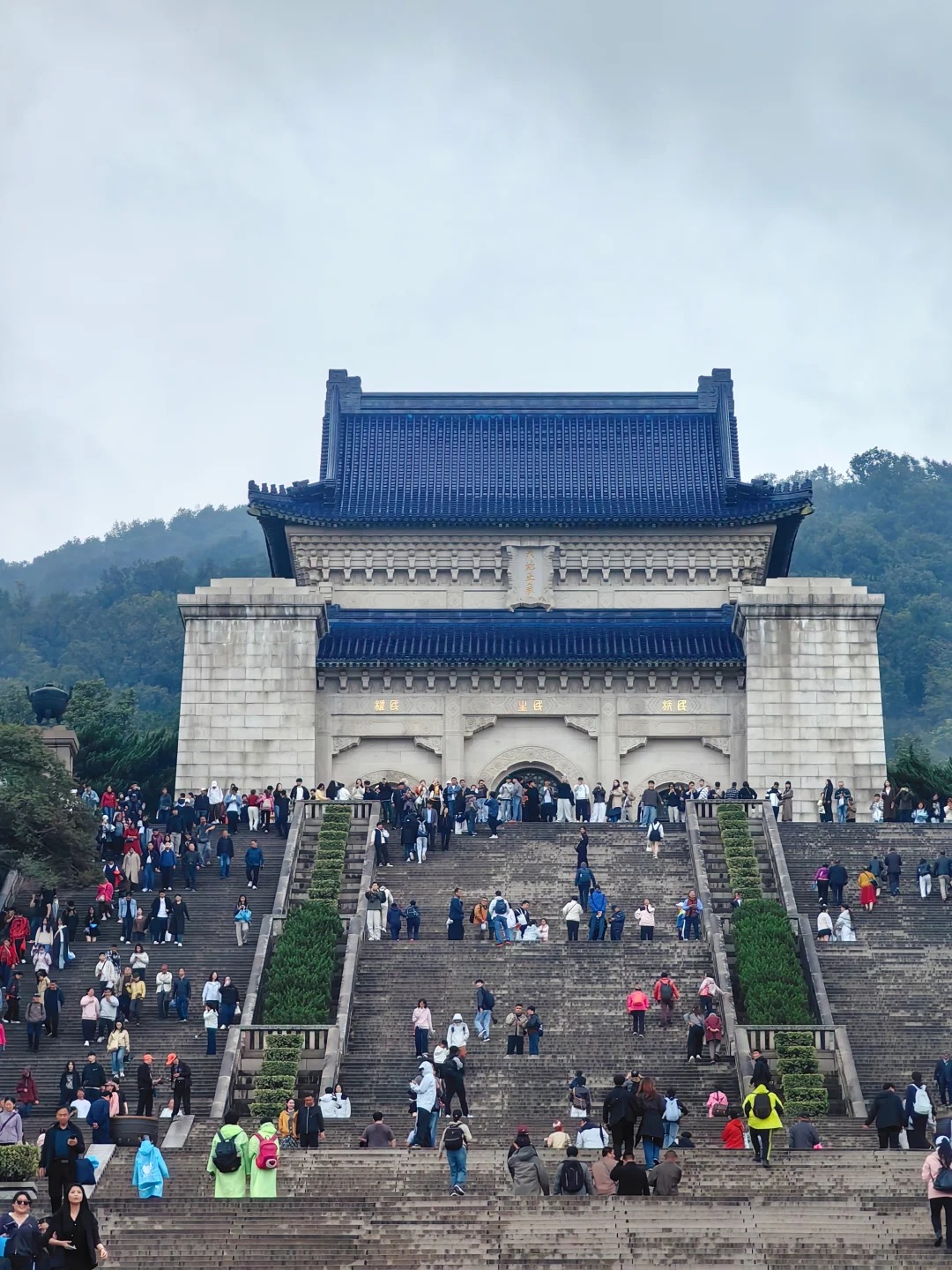
Reaching the top, the mist thinned. The square before the memorial hall was vast, framed by the mountainous forest. Inside the vaulted hall, a serene, seated marble statue of Sun Yat-sen gazed forward. The silence was profound, broken only by the soft shuffle of feet and the occasional whisper. People bowed their heads. Some placed small bunches of chrysanthemums—a traditional flower of mourning and nobility—at the base. The atmosphere was less about grief and more about quiet homage to an idea, a founding father of modern China.
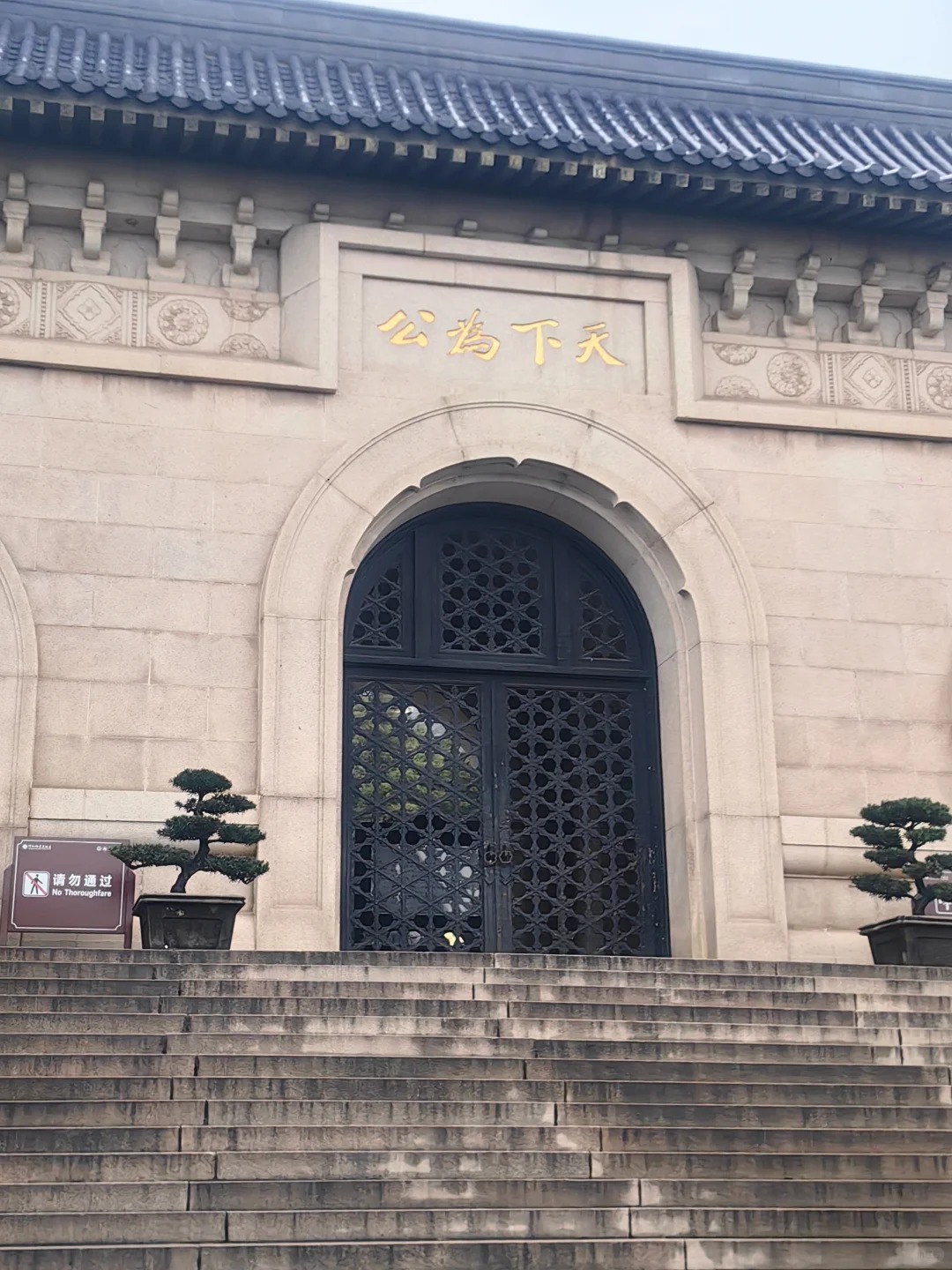
Standing on the high portico afterwards, looking down the colossal staircase now completely veiled by fog, I felt a strange disconnection. The city of Nanjing, with its vibrant, chaotic present, was invisible. All that existed was this axis between earth and sky, the past and the future. The mausoleum, in its sublime simplicity and overwhelming scale, doesn’t ask you to mourn a man. It asks you to contemplate the weight of history, the arduous climb of nation-building, and the fragile, persistent ideals that somehow endure, even in the fog.