If you look at a map of Sichuan, the city of Nanchong seems like any other urban sprawl. But drive an hour north, following the winding path of the Jialing River, and the concrete jungle gives way to a vision of old China. This is Langzhong Ancient City. I had heard it called the “First City of Feng Shui,” but honestly, I didn’t know what that meant until I stood in the middle of the river and looked at the mountains hugging the town. It felt like the earth had designed a cradle specifically for this place.
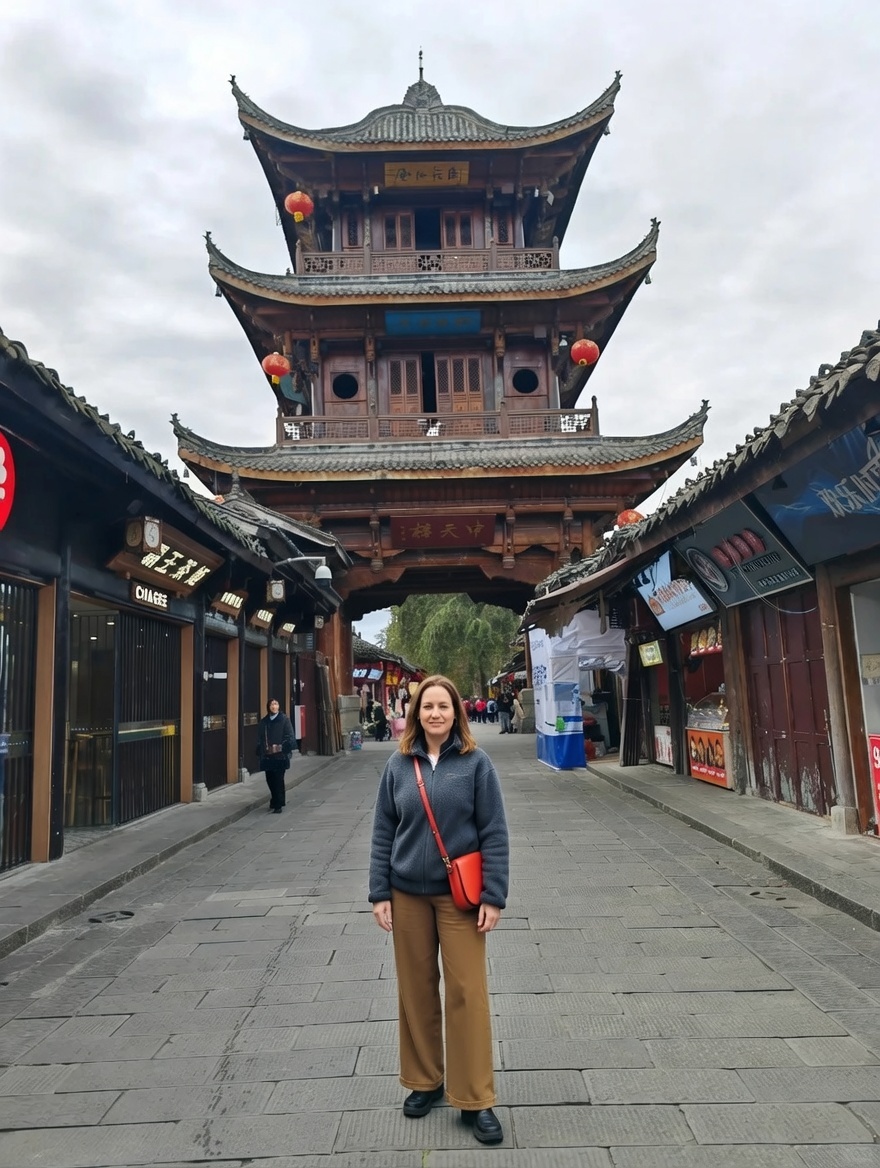
I arrived in Langzhong in the late afternoon. The sun was setting, casting a golden light over the Jialing River. The city is situated on a peninsula where the river makes a perfect U-turn. The water is calm here, reflecting the gray walls and the green hills behind them. Unlike some other “ancient” towns I’ve visited, which feel like movie sets filled with souvenir shops, Langzhong feels alive. People actually live here. You can smell dinner cooking in the alleyways, hear the clatter of mahjong tiles from open windows, and see laundry drying on bamboo poles strung between the eaves.
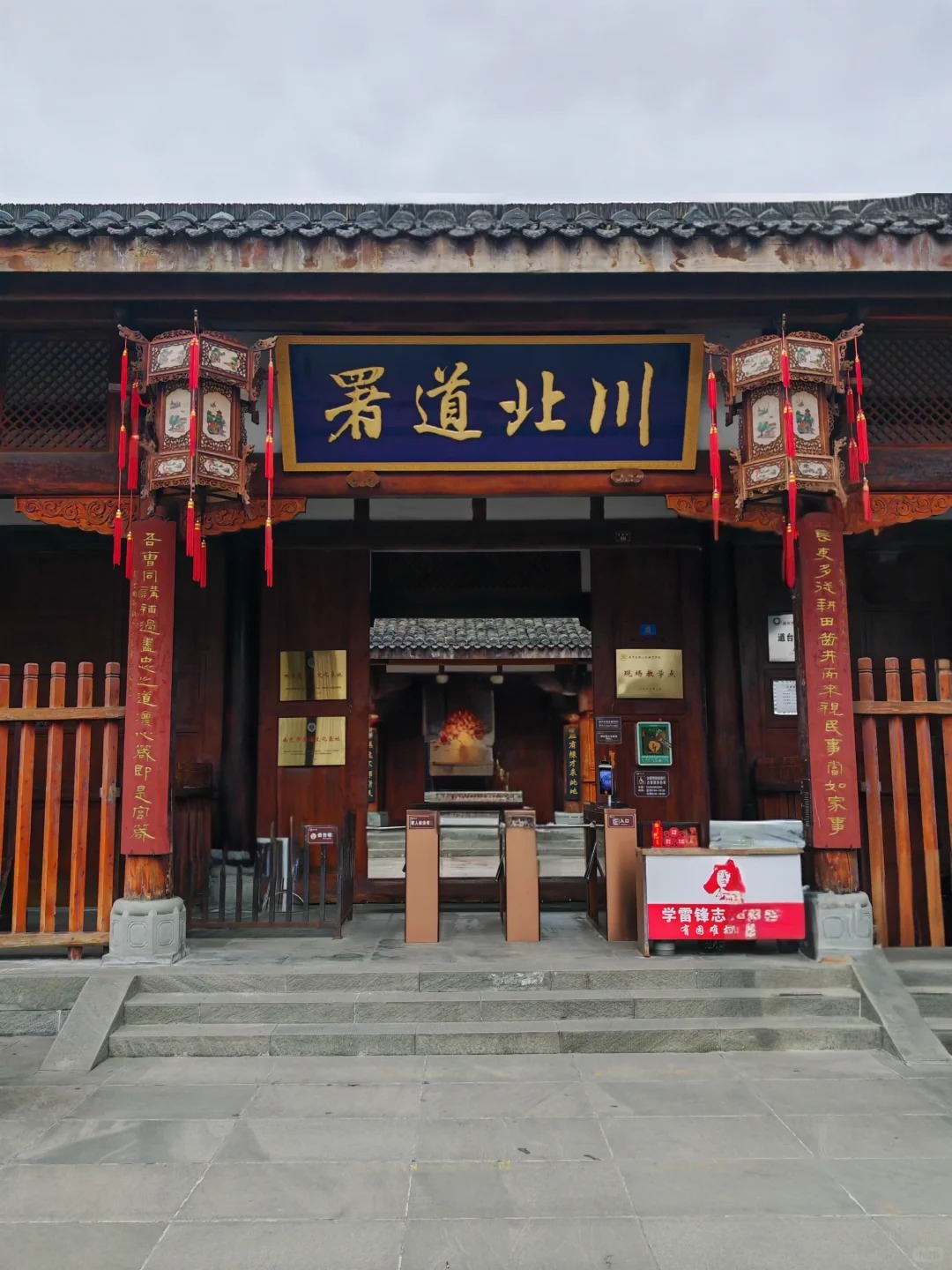
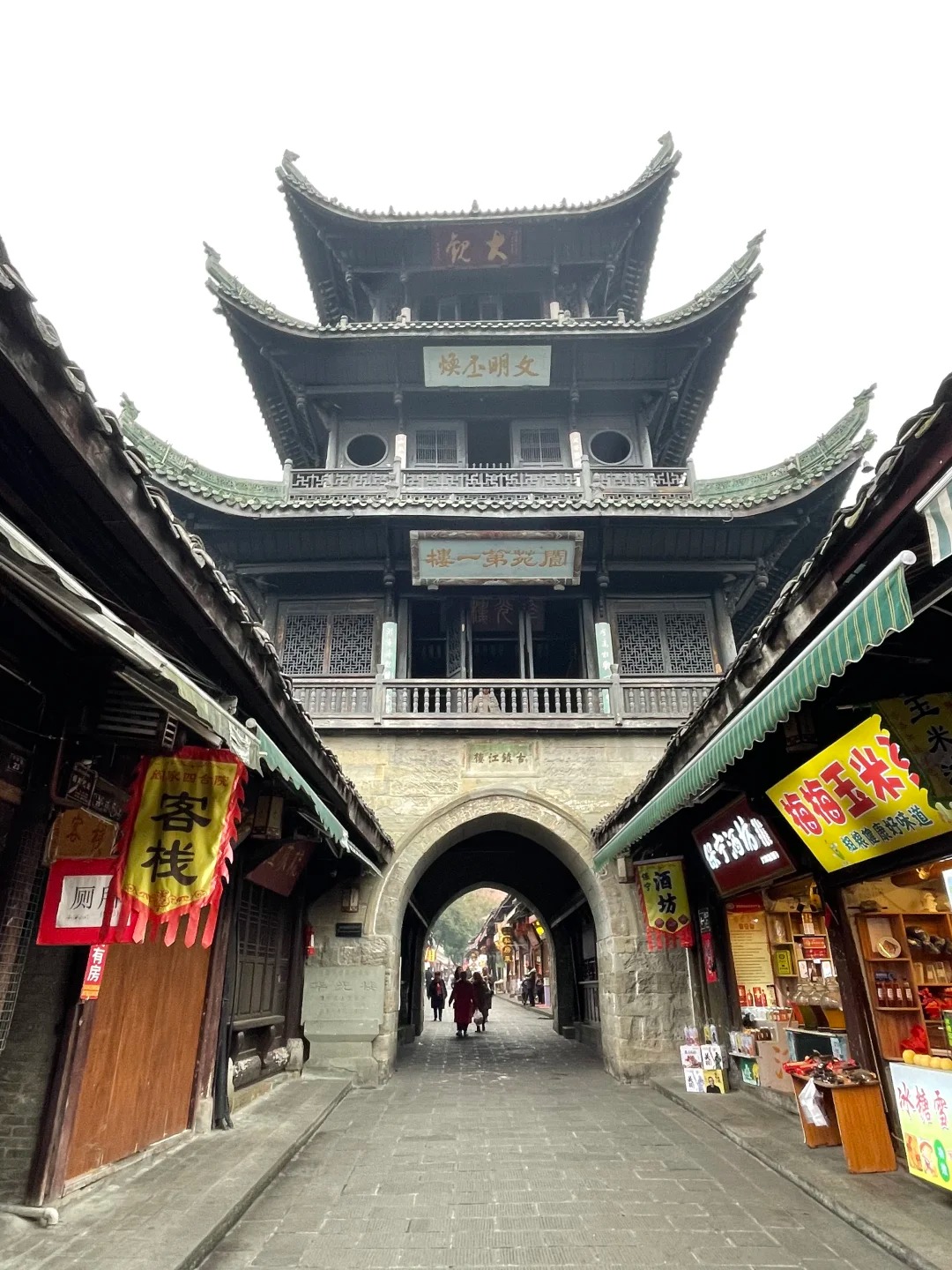
My first stop was the Huaguang Tower, which stands at the geographic center of the ancient city. Climbing to the top gave me my first geography lesson. The guide explained that the city is laid out like a dragon boat. The mountains behind the city represent the Black Tortoise (protector), the river is the Green Dragon, and the plains in front are the Red Phoenix. It sounds poetic, but seeing it from the tower, it made sense. The city is shielded from the harsh northern winds by the mountains but open to the water. You can feel the energy here. It just feels… right.
Walking down the narrow, slate-paved streets, I was captivated by the architecture. Most of the buildings date back to the Ming and Qing dynasties. The roofs have intricate cornices curving upwards, covered in moss and lichen. I ducked into a tiny courtyard hidden behind a wooden door. An old lady was sitting there, shelling peas. She smiled and waved me in. It was a moment of pure connection—no ticket, no museum guide, just a glimpse into a life that has continued here for generations.
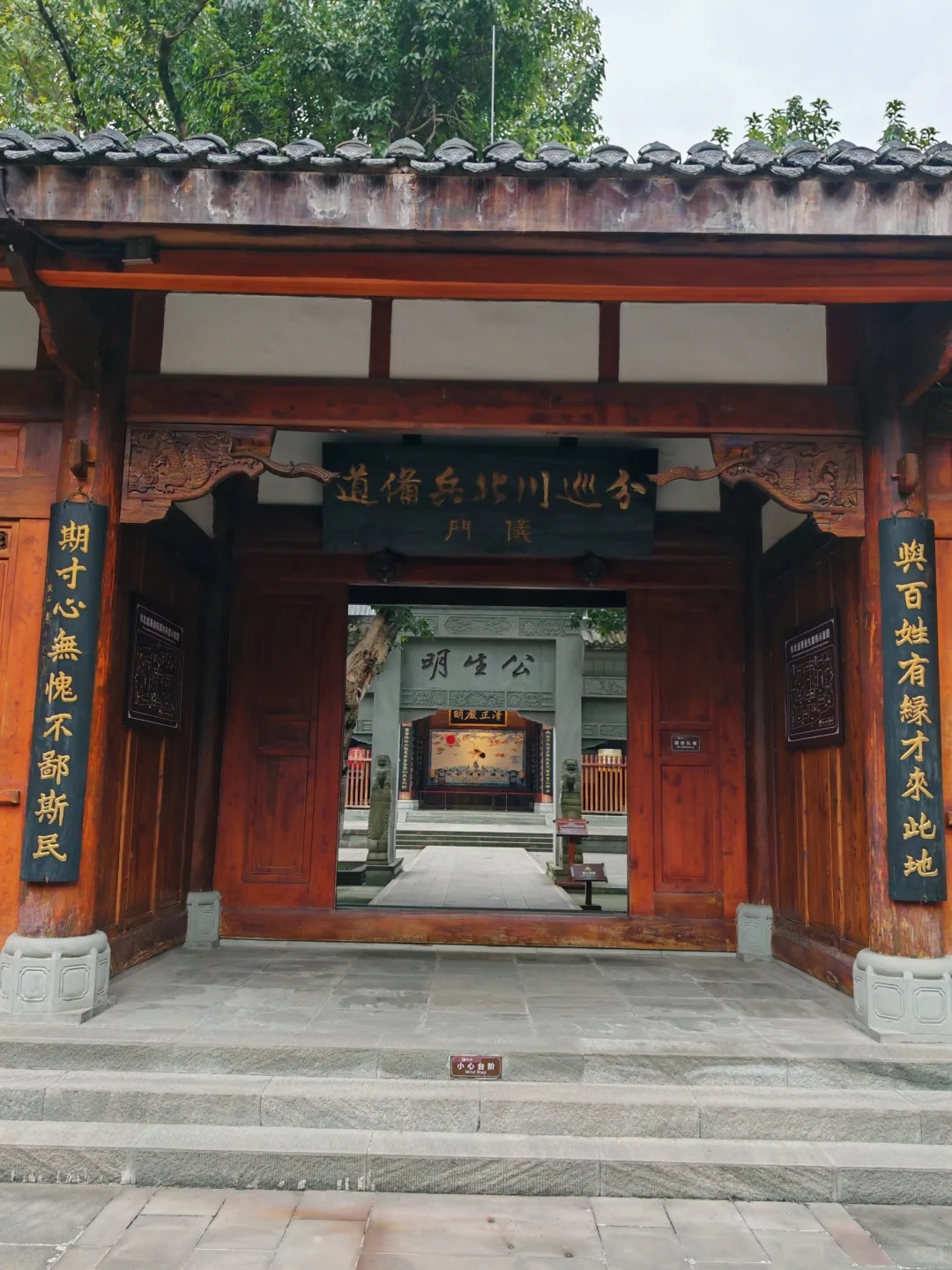
One of the most significant historical sites in Langzhong is the Zhang Fei Temple. Zhang Fei is a legendary general from the Three Kingdoms period, known for his fierce loyalty and thunderous voice. He was the governor of this city for seven years. The temple is built on his tomb. It’s not a solemn, scary tomb; it’s a vibrant place of worship. The smell of incense was thick. I saw locals offering fruit and bowing to his statue. The architecture is stunning—wooden structures carved with scenes from his battles. Standing there, I could almost hear the roar of the soldiers and the clang of swords from 1,800 years ago.
But Langzhong surprised me most with its scent. As I walked near the river, I smelled something sharp and slightly sweet. It was vinegar. Langzhong is famous for its vinegar, which has been made here for over a thousand years. I visited the Baoning Vinegar Factory, which is like a museum of smell. Huge clay pots are lined up, filled with fermenting vinegar. The process is complex, using traditional Chinese medicine herbs as well as rice. I bought a bottle, and later that evening, I tried it on some local dumplings. It wasn’t just sour; it was complex, savory, and incredibly appetizing. It’s the flavor of the city.
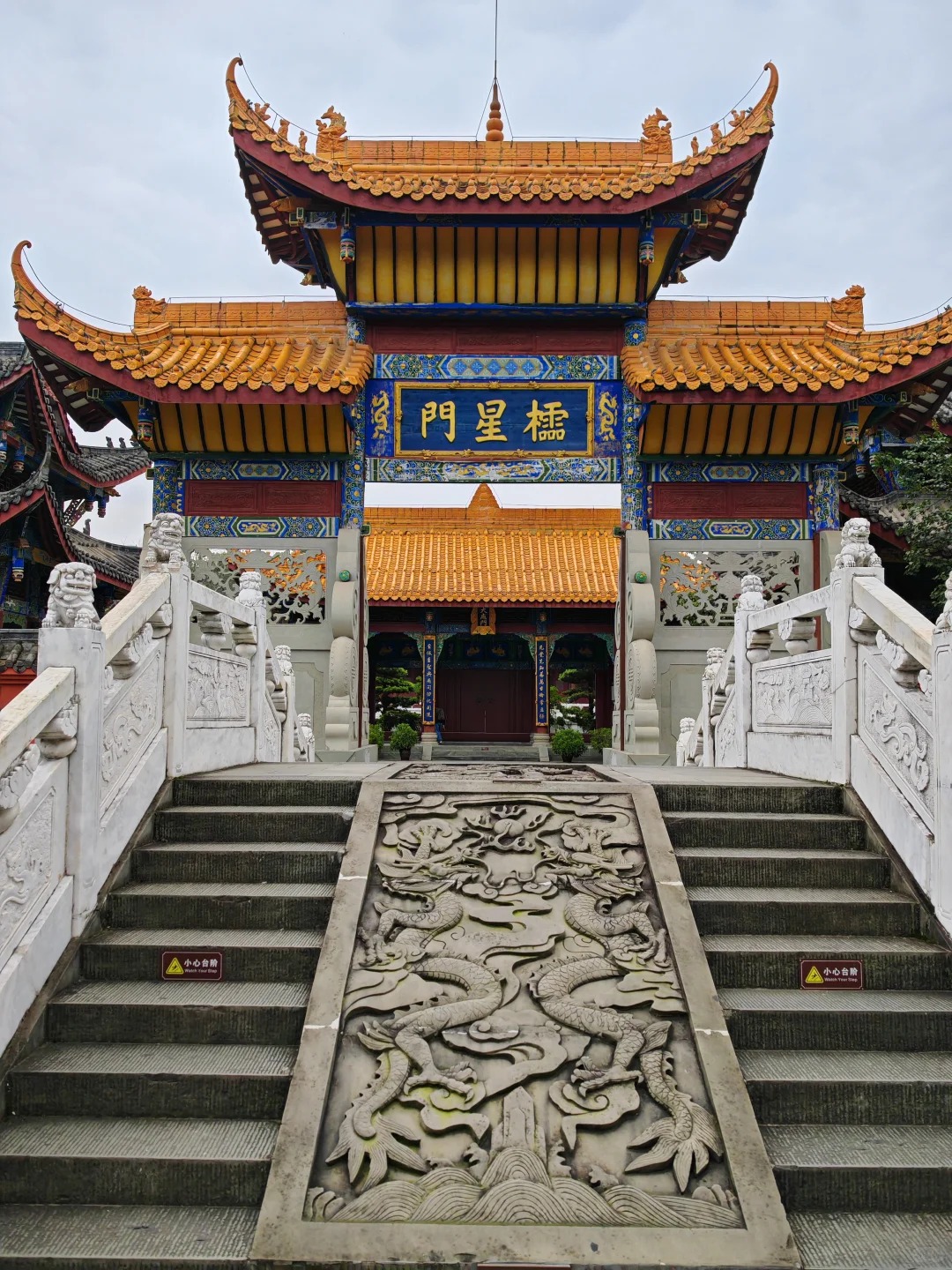
I spent my second day in Langzhong doing something I rarely do in my busy life: nothing. I sat in a bamboo chair by the riverbank at a traditional tea house. For the price of a few yuan, I had a pot of green tea and a view of the boats drifting on the water. I watched a group of old men playing the *Erhu* (a two-stringed instrument). The music was melancholic and beautiful. I watched the changing reflections on the Jialing River. I realized that the Feng Shui of this place isn’t just about the physical layout; it’s about the flow of life. In Langzhong, life flows slowly, smoothly, just like the river.
I also visited the Heavenly Well Court, a former residence of a scholar from the Qing Dynasty. It was a masterclass in architectural Feng Shui. The house was designed to capture maximum sunlight and wind. The rainwater was collected in a central pool in the courtyard, symbolizing the gathering of wealth. Walking through the rooms, I felt a sense of peace. It made me think about our modern apartments, cut off from nature. Here, the house and the environment were one.
Leaving Langzhong Ancient City was difficult. I didn’t want to go back to the noise. I took a ferry across the river at dusk. Looking back at the city, the lights were coming on, glowing softly against the darkening sky. It looked like a giant lantern floating on the water.
If you are traveling in Sichuan, don’t just stick to the pandas and the spicy hotpot. Come to Langzhong. It is a place where you can feel the wisdom of the ancients. It’s a place where the mountains protect you, the river feeds you, and the rhythm of life is dictated by the sun and the seasons. It is a city that teaches you that true wealth isn’t money; it’s harmony. And in today’s chaotic world, that is a lesson worth traveling for.