It was a crisp autumn morning in Beijing—the kind where the sky is a piercing, impossible blue, a color the locals call "Beijing Blue." I stood before the Meridian Gate, the massive southern entrance of the palace, feeling dwarfed by the sheer weight of history. The red walls, peeling slightly in corners to reveal the grey bricks of centuries past, rose up like cliffs. This wasn't just a tourist site; it was a sleeping giant.
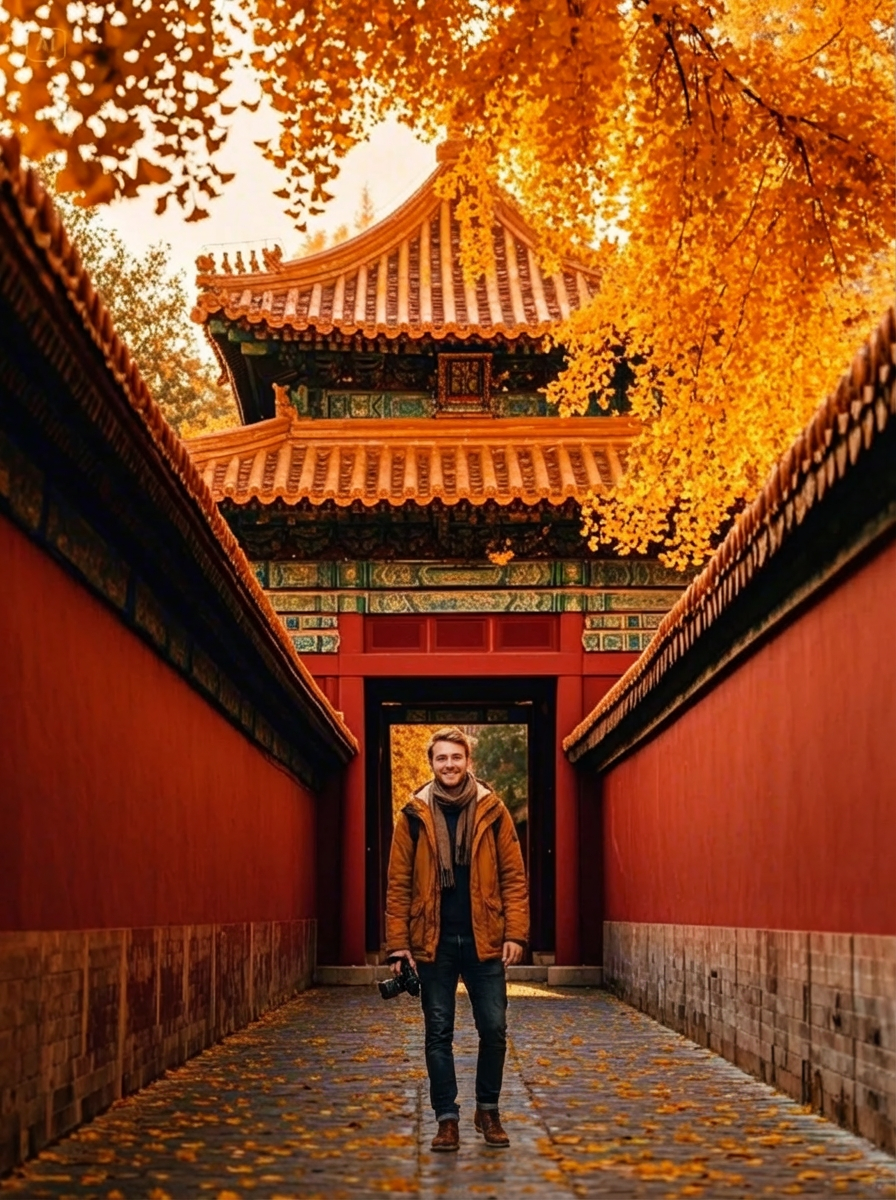
As a traveler who has traced the contours of China from the deserts of Gansu to the water towns of Jiangnan, I thought I knew what to expect from the Forbidden City in Beijing. I had seen the photos, the movies, the postcards. But standing there, the smell of ancient wood and dust mixing with the sharp autumn air, I realized no camera could capture the scale of this place.
I remember walking through the central archway—a path once reserved strictly for the Emperor. The sensation was electric. My footsteps echoed on the uneven stone pavement, stones that had been polished smooth by millions of feet over 600 years. I closed my eyes for a second, imagining the silence that would have reigned here during the Ming Dynasty, broken only by the rustle of silk robes and the solemn beat of ceremonial drums.

Crossing the Golden Water River, which curves like a jade belt across the courtyard, I approached the Hall of Supreme Harmony. This is the heart of the empire. The guidebooks will tell you about its height and the number of dragon motifs (over 13,000, they say), but they don't tell you how the gold leaf on the roof glimmers when the sun hits it at 10 AM. It’s blinding. It’s a declaration of power written in light. I stood in the vast courtyard, imagining the thousands of officials kneeling in unison, their foreheads touching the cold stone, trembling before the Son of Heaven.
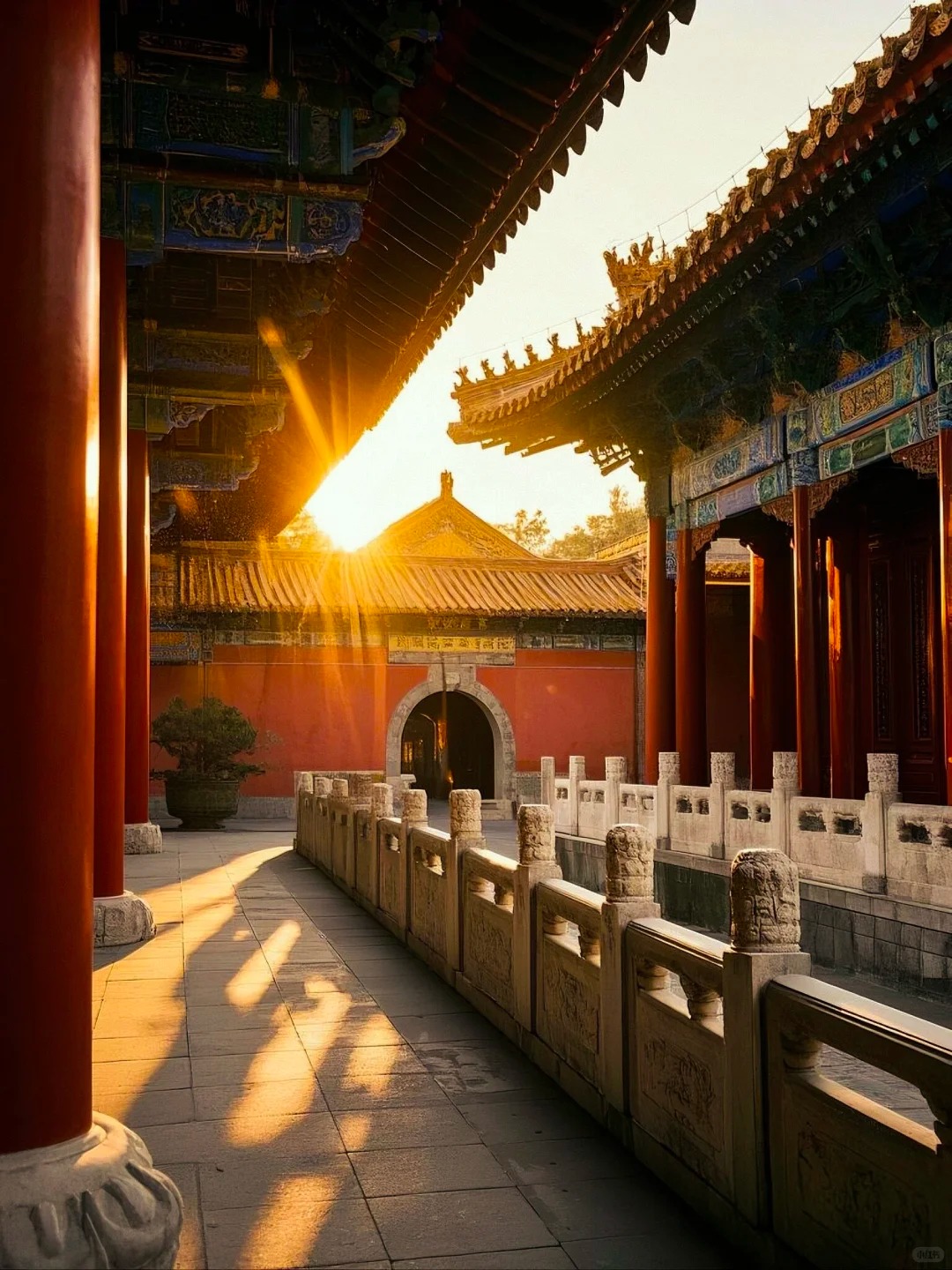
I walked slowly, letting the crowds fade into a background hum. I touched the massive wooden pillars, painted in that deep, iconic red—"imperial red." It felt warm to the touch. In a quiet corner near the side halls, I found a moment of solitude. A flock of crows—the sacred guardians of the palace—circled overhead, their caws echoing off the yellow glazed tiles. It was a haunting sound, a reminder that while dynasties fall and emperors fade to dust, these birds have watched over the palace for generations.
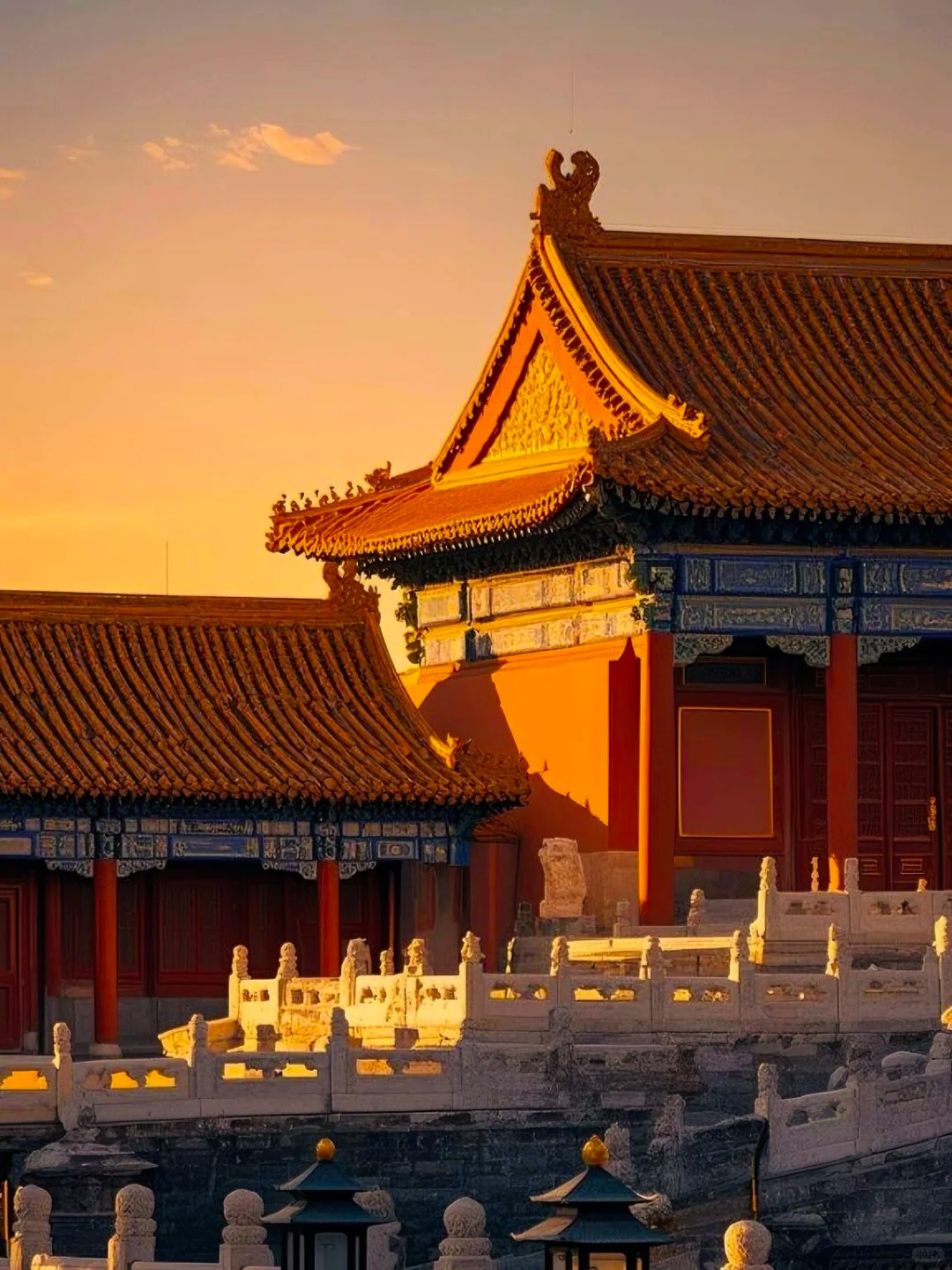
My journey that day wasn't just about sightseeing; it was about feeling the pulse of the city. The Forbidden City in Beijing is not a relic; it is the anchor of the capital. Leaving the palace through the Gate of Divine Might, I felt a profound sense of connection—not just to the history books, but to the millions of souls who have built, lived in, and gazed upon this masterpiece. It is a place that demands your silence, and in return, fills you with its stories.